Cognitive Development Geometry Worksheets for 3-Year-Olds
9 filtered results
-
From - To
Discover our engaging Cognitive Development Geometry Worksheets designed specifically for 3-year-olds! These worksheets offer a fun and interactive way to introduce young learners to basic geometric shapes and concepts. Each activity is thoughtfully crafted to enhance cognitive skills, including shape recognition, pattern recognition, and spatial awareness. With bright visuals and simple exercises, children will enjoy exploring circles, squares, triangles, and more while developing critical thinking and problem-solving abilities. Perfect for classroom use or at-home learning, these worksheets help lay a strong foundation in geometry for early learners. Get started today and watch your child's cognitive skills flourish!
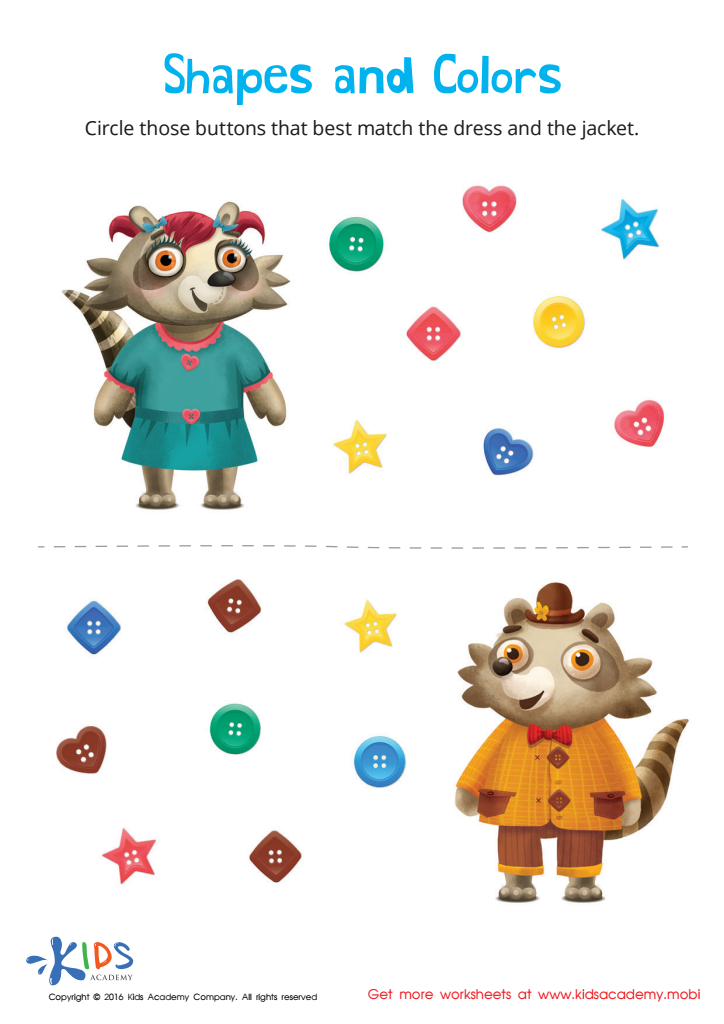
Matching: Shapes and Colors Worksheet
 Assign to My Students











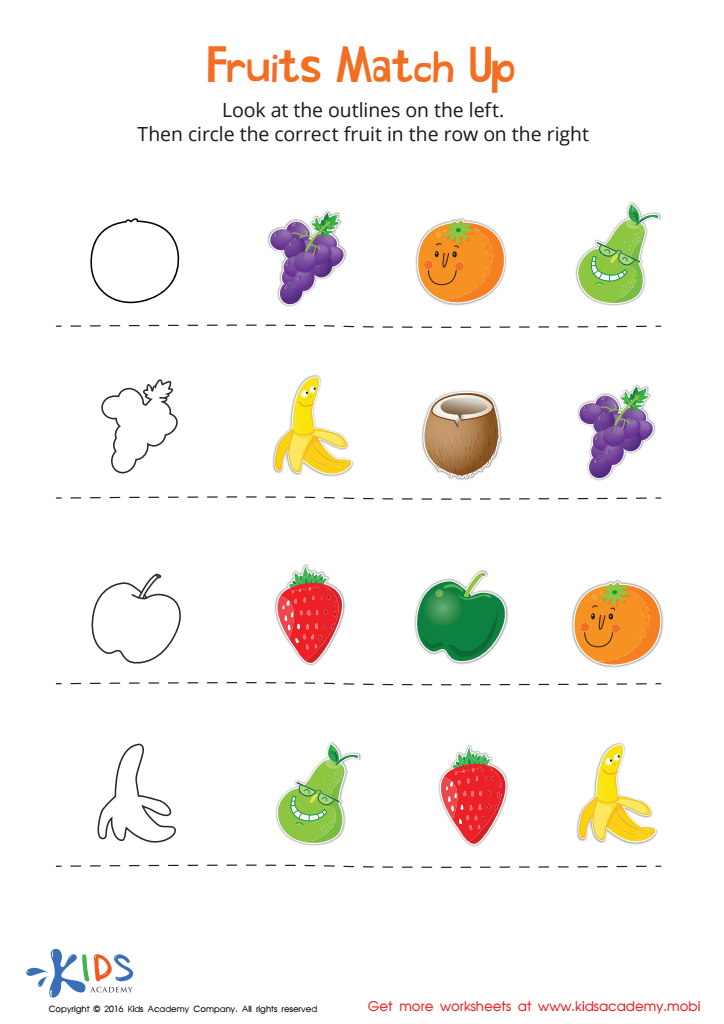
Fruits Match Up Worksheet
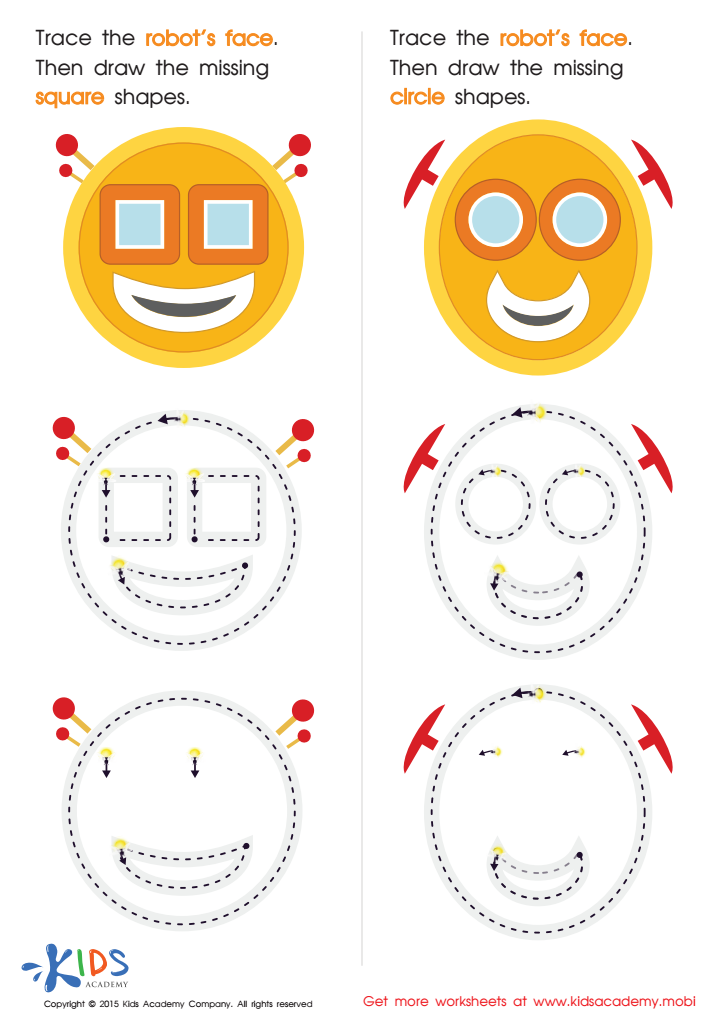
Practicing to Draw Circles And Squares Printable
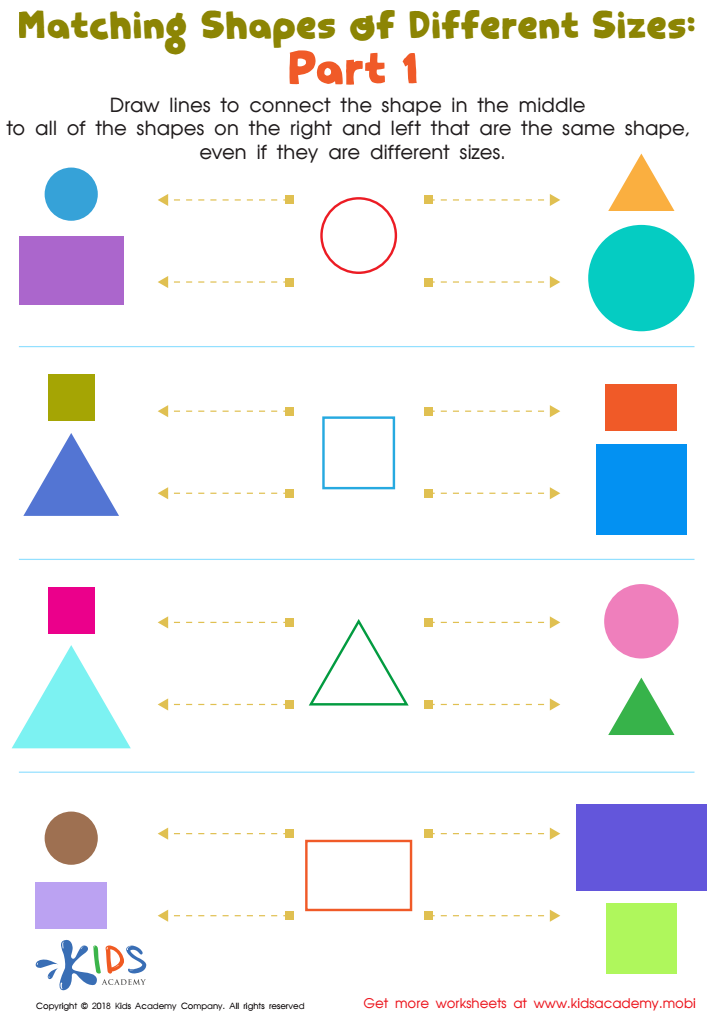
Geometry: part 1 Worksheet
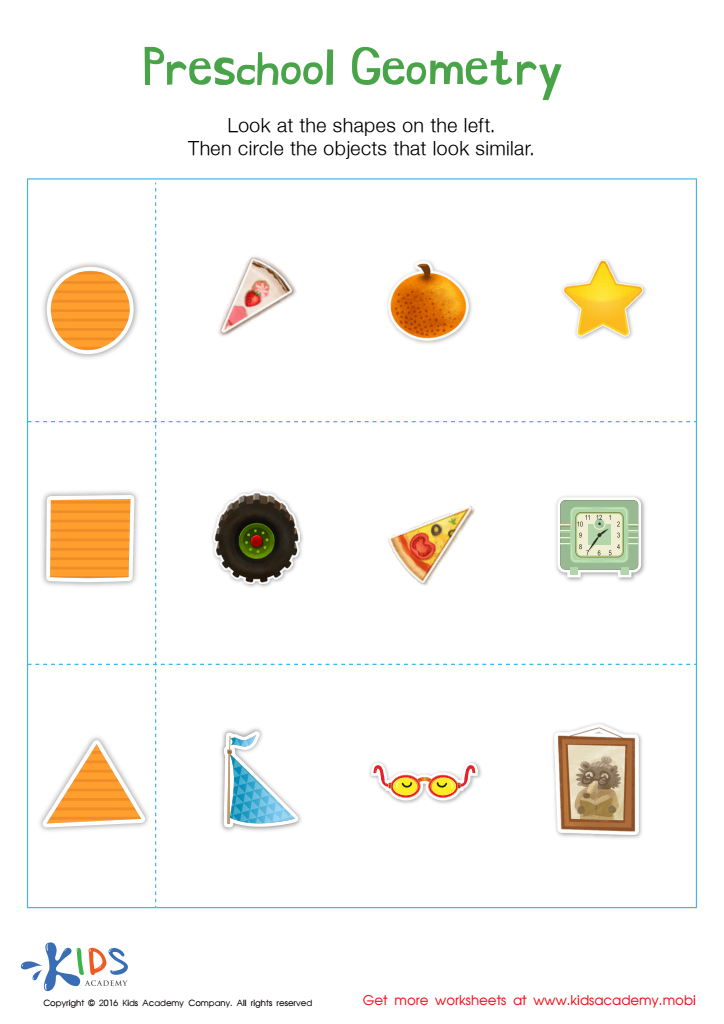
Preschool Geometry Match Up Worksheet
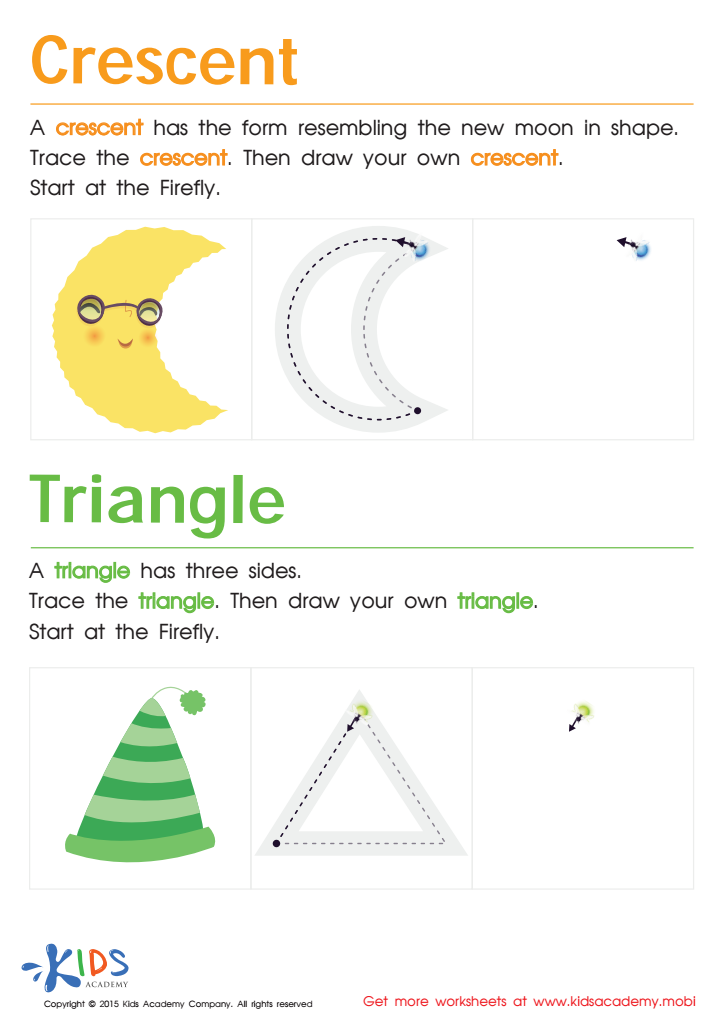
Learning to Draw Crescents And Triangles Worksheet
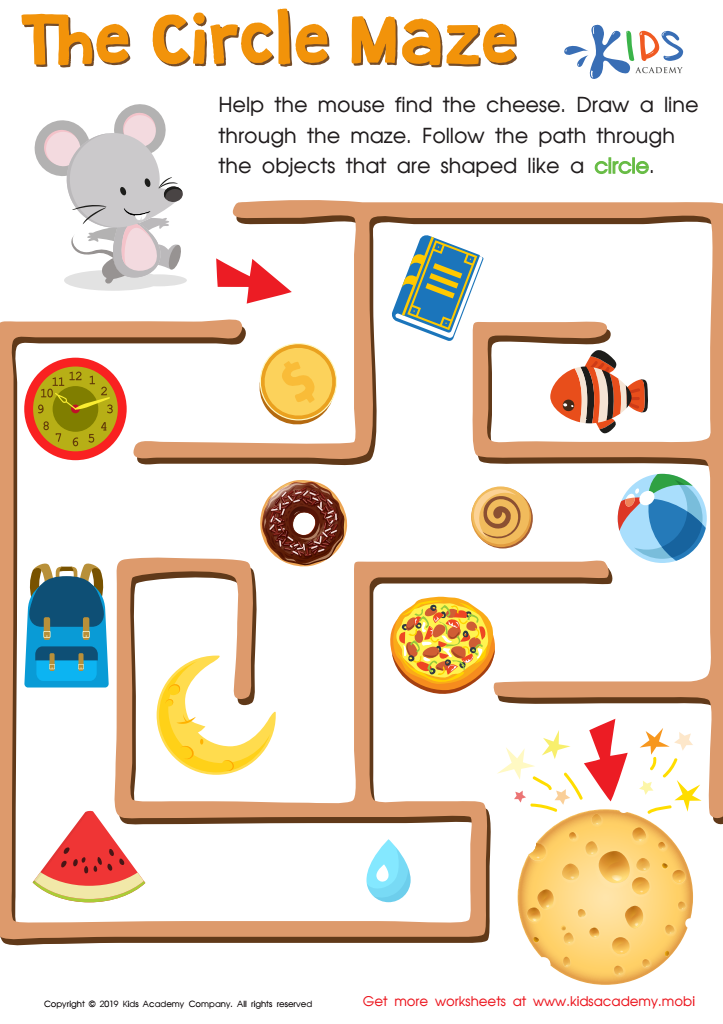
The Circle Maze Worksheet
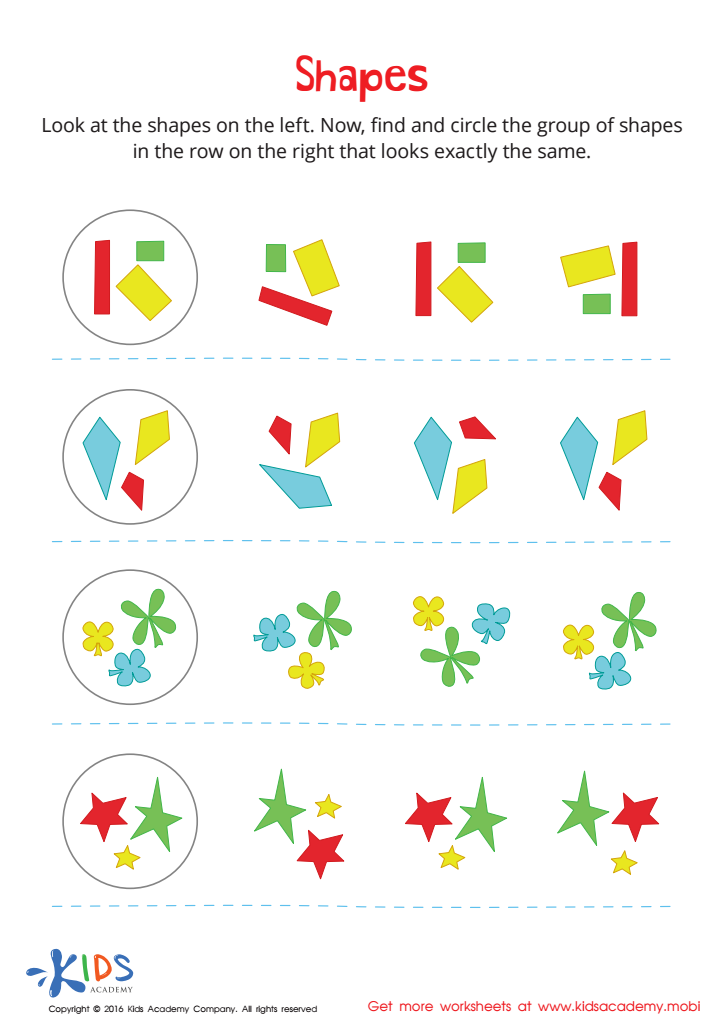
Shapes Worksheet
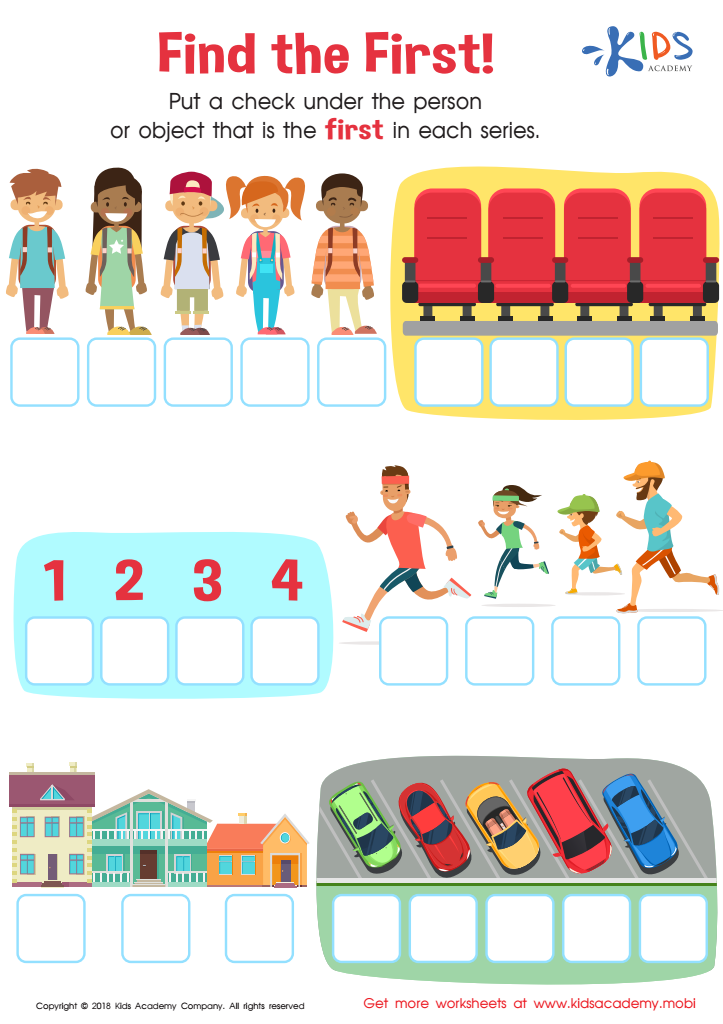
Find the First! Worksheet








Cognitive development in geometry for three-year-olds is crucial as it establishes a foundational understanding of shapes, spatial awareness, and problem-solving skills. At this age, children are naturally curious and inclined to explore their surroundings, making it an ideal time for experiential learning through play-based activities. Engaging in geometric concepts helps young children develop critical thinking and reasoning abilities, as they begin to categorize objects, recognize patterns, and understand relationships between different shapes.
Parents and teachers play a vital role in facilitating this kind of learning. Integrating hands-on activities, such as building with blocks or engaging in shape-sorting games, encourages children to experiment and interact with their environment. These activities not only foster cognitive skills but also enhance fine motor skills and creativity. The ability to recognize and manipulate shapes is foundational for later mathematical learning and everyday problem-solving, influencing future academic success.
Additionally, nurturing cognitive development in geometry promotes confidence and encourages perseverance in young learners. By valuing and supporting this aspect of development, parents and teachers can ensure that children are well-prepared for a more complex understanding of math in later years, setting the stage for lifelong learning and exploration.








