Subtraction practice Numbers Worksheets for 3-Year-Olds
6 filtered results
-
From - To
Welcome to our Subtraction Practice Worksheets designed specifically for 3-year-olds! These engaging and interactive printables help little learners develop essential math skills in a fun and approachable way. With colorful graphics and age-appropriate exercises, toddlers will enjoy practicing basic subtraction concepts. Each worksheet offers simple problems to facilitate understanding and foster confidence in math. Perfect for parents and teachers, these resources encourage hands-on learning while reinforcing number recognition and mathematical thinking. Start your child's journey to mastering subtraction today with our thoughtfully designed worksheets, ensuring they build a strong foundation for future math success! Explore our collection now!
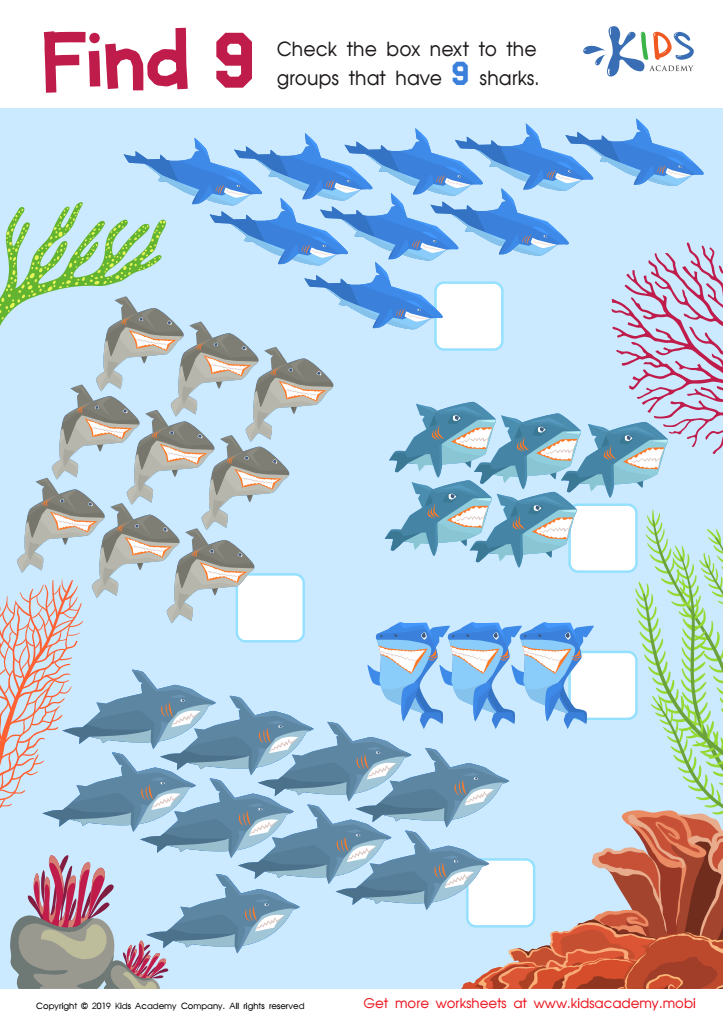
Find 9 Worksheet
 Assign to My Students
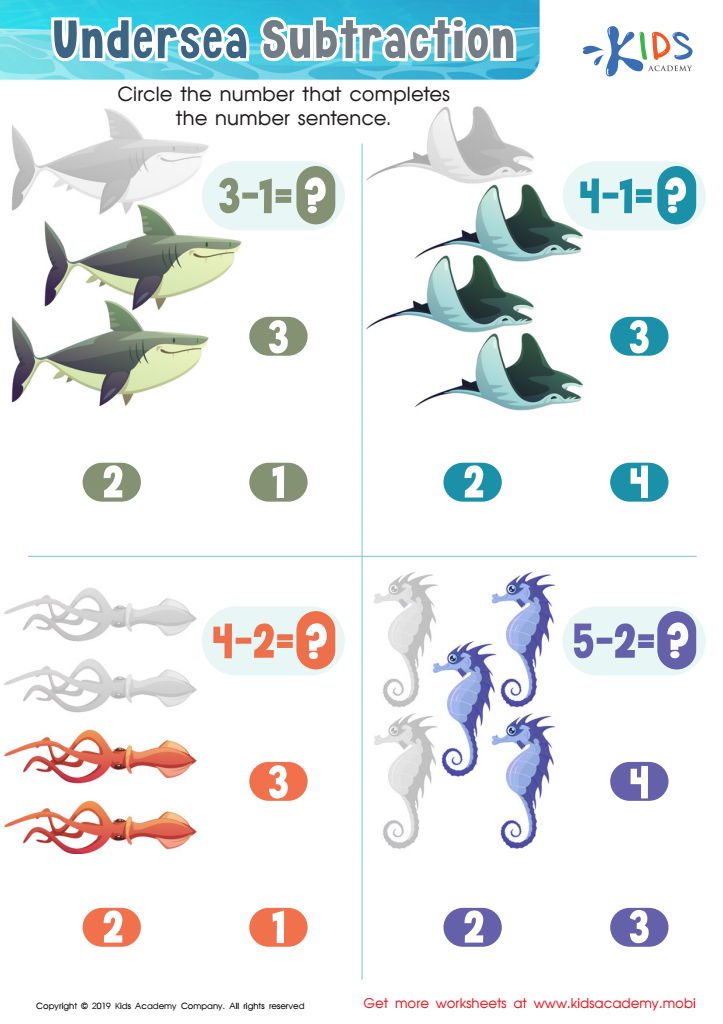
Undersea Subtraction Worksheet
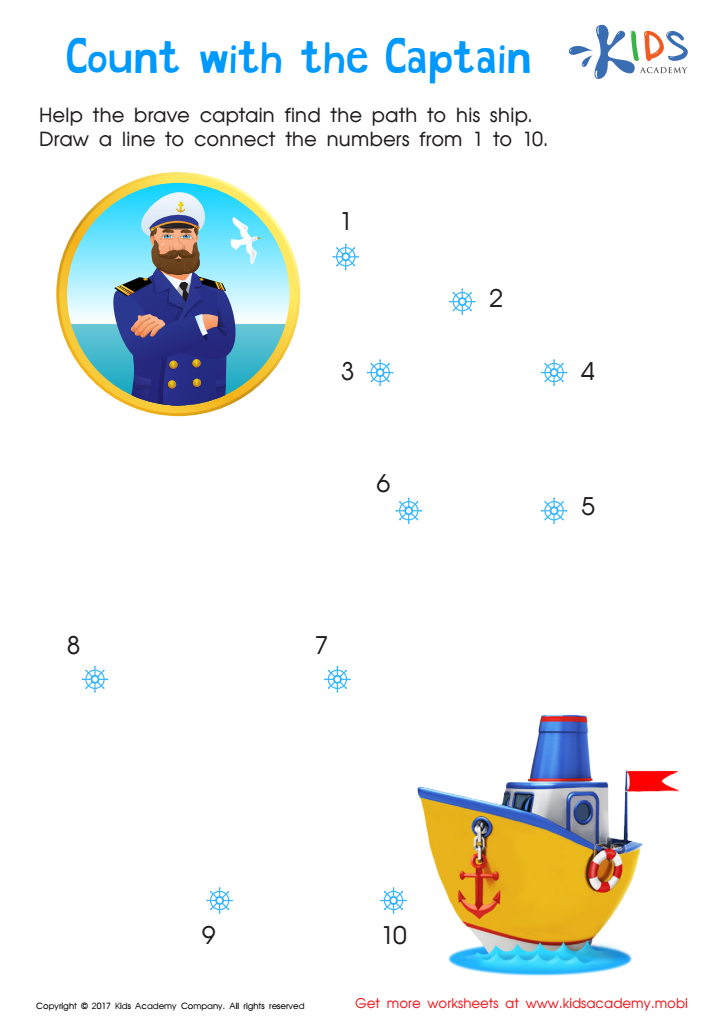
Count with the Captain Connect Dots Worksheet
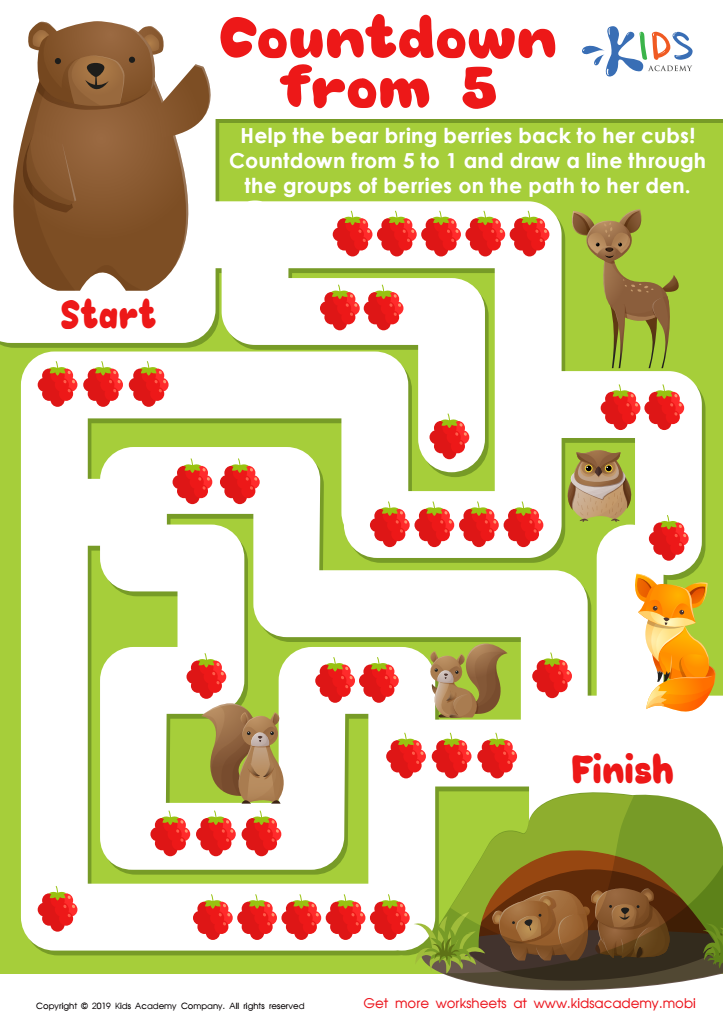
Countdown from 5 Worksheet
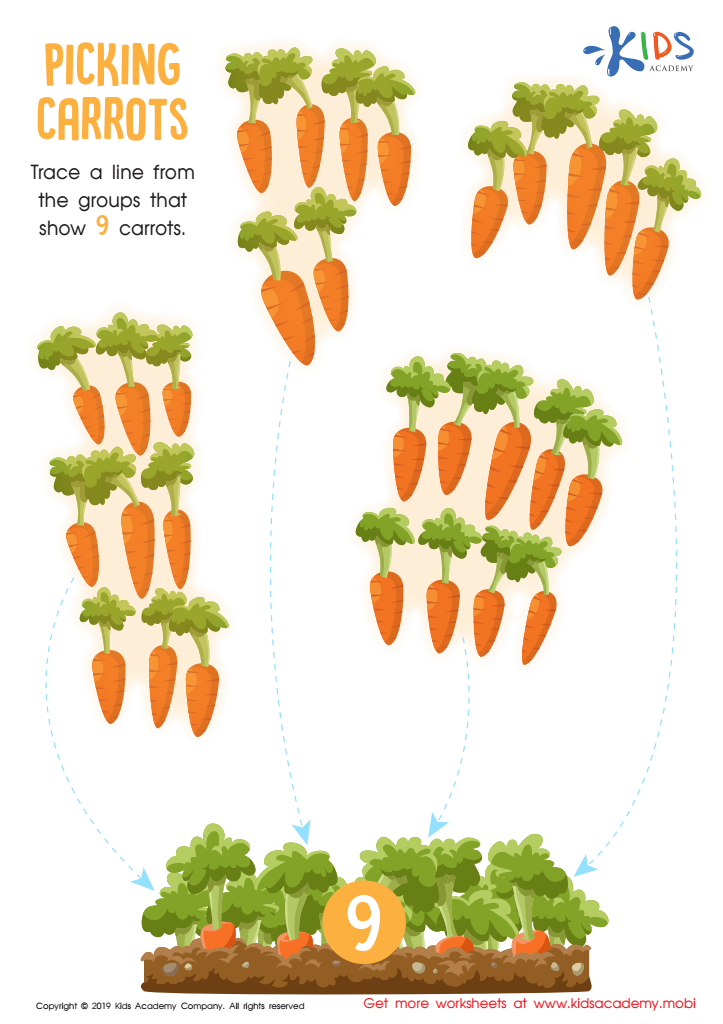
Picking Carrots Worksheet
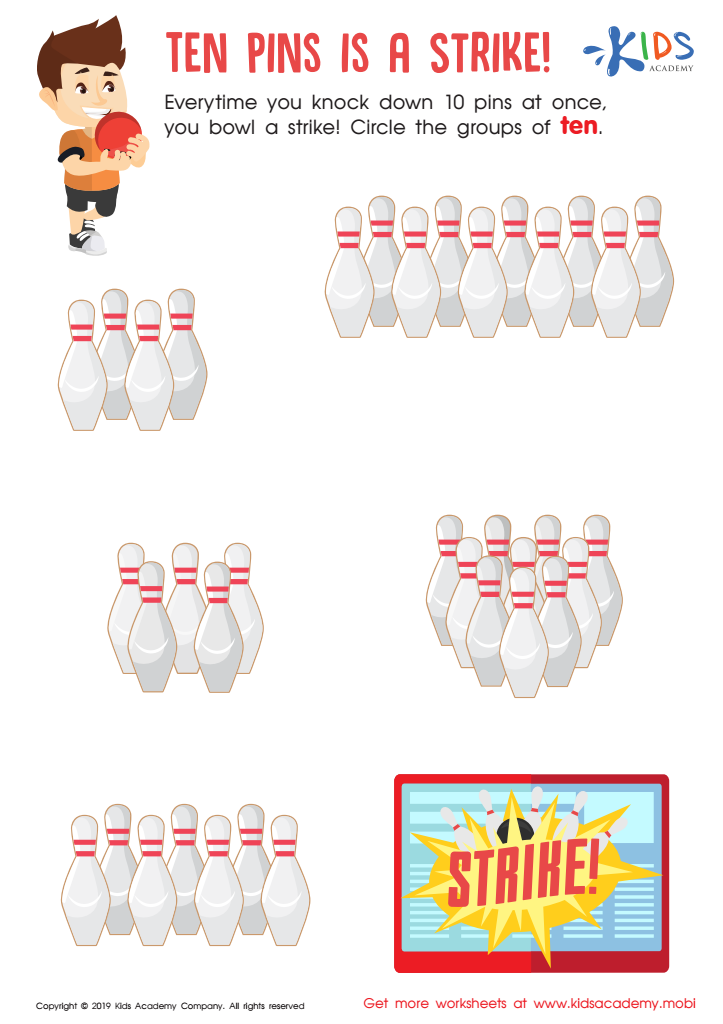
Ten Pins is a Strike Worksheet








Subtraction practice for 3-year-olds is crucial for early childhood development in various ways. At this age, children are naturally curious and eager to learn, making it an optimal time to introduce fundamental mathematical concepts like subtraction. Engaging in subtraction helps develop their critical thinking and problem-solving skills, laying a foundation for future math abilities.
Additionally, this practice nurtures cognitive development. When children grasp the concept of "taking away," they learn to visualize numbers, comprehend relationships between quantities, and appreciate how numbers change when elements are removed. This early exposure to math creates a positive association with learning, encouraging a growth mindset.
Moreover, subtraction practice promotes language skills. As caregivers or educators discuss and explain subtraction, children are exposed to new vocabulary and language structures, enhancing their communication abilities. Activities surrounding subtraction can also foster social skills through collaborative learning with peers or family members.
Finally, an understanding of subtraction can apply in real-life contexts, such as sharing snacks or toys, enriching a child’s everyday experiences. By prioritizing subtraction practice, parents and teachers not only prepare children academically but also support their overall intellectual, emotional, and social growth.








