Understanding patterns Numbers Worksheets for 3-Year-Olds
3 filtered results
-
From - To
Discover the joy of learning with our "Understanding Patterns Numbers Worksheets" designed for 3-year-olds! These engaging worksheets introduce young minds to the exciting world of patterns and numbers. By recognizing and creating patterns, children enhance their critical thinking and problem-solving skills while developing a strong mathematical foundation. Our colorful and interactive activities not only make learning fun, but also help little learners differentiate between shapes, colors, and sequences. Foster your child’s early math skills and nurture their curiosity with these user-friendly worksheets. Perfect for at-home learning or classroom activities, our resources are tailored to support your child's cognitive growth.
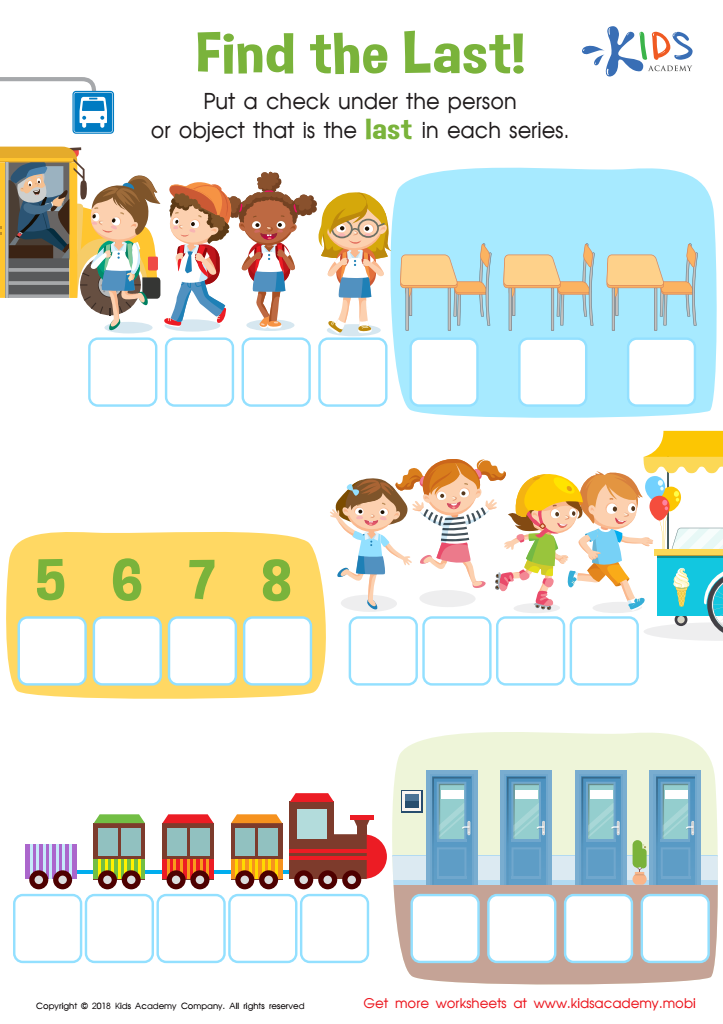
Find the Last! Worksheet
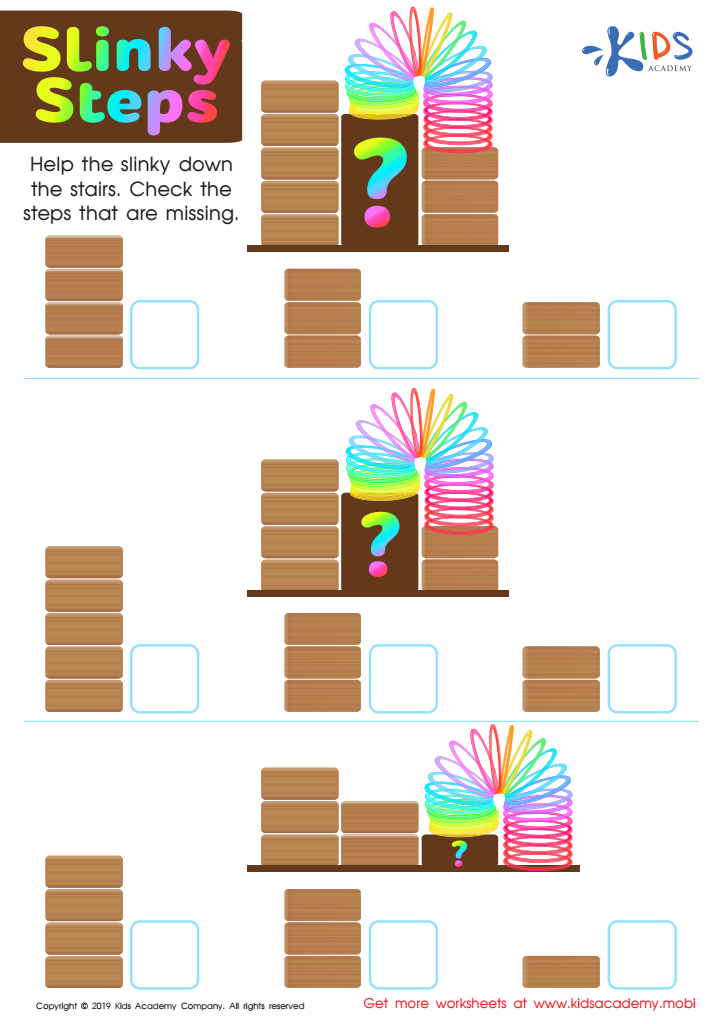
Slinky Steps Worksheet
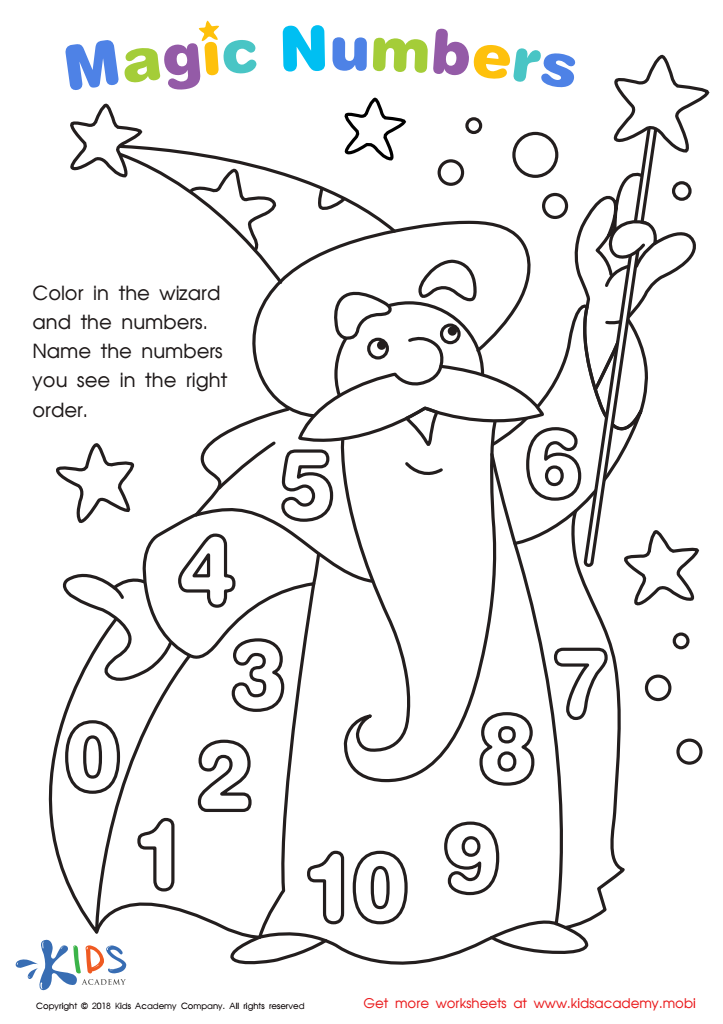
Magic Numbers Worksheet
 Assign to My Students








Understanding patterns in numbers is essential for 3-year-olds as it forms the foundation for later mathematical skills. At this age, children are naturally curious and eager to explore relationships between various objects, making it an ideal time to introduce the concept of patterns. Recognizing patterns helps children develop critical thinking and problem-solving abilities, which are crucial for their overall cognitive development.
Parents and teachers should care about this developmental stage because early exposure to patterns enhances children's ability to sort, classify, and predict outcomes. It lays the groundwork for understanding more complex mathematical concepts, such as addition, subtraction, and even basic geometry, as they progress in their education. Engaging in activities that involve identifying and creating patterns using numbers fosters their analytical skills and boosts confidence in their mathematical abilities.
Additionally, pattern recognition supports literacy skills. Patterns are often found in rhythm and repetition in language, which enhances phonemic awareness and vocabulary development. By guiding children through patterns, educators can effectively bridge the gap between math and language, ensuring a well-rounded early education. Thus, recognizing the importance of introducing patterns early on can significantly contribute to a child’s academic readiness and lifelong learning.








