Basic math concepts Math Worksheets for 3-Year-Olds
14 filtered results
-
From - To
Explore our engaging "Basic Math Concepts Math Worksheets for 3-Year-Olds," designed to introduce young learners to essential mathematical principles in a fun and interactive way. These worksheets encompass a variety of themes, including counting, recognizing shapes, and understanding simple patterns. Tailored for little hands, they promote early math skills while encouraging creativity and critical thinking. With colorful illustrations and age-appropriate activities, each worksheet captivates children's attention, making math an exciting adventure. Perfect for homeschooling or classroom settings, our resources support foundational learning and lay the groundwork for future educational success. Start nurturing your child’s math abilities today!
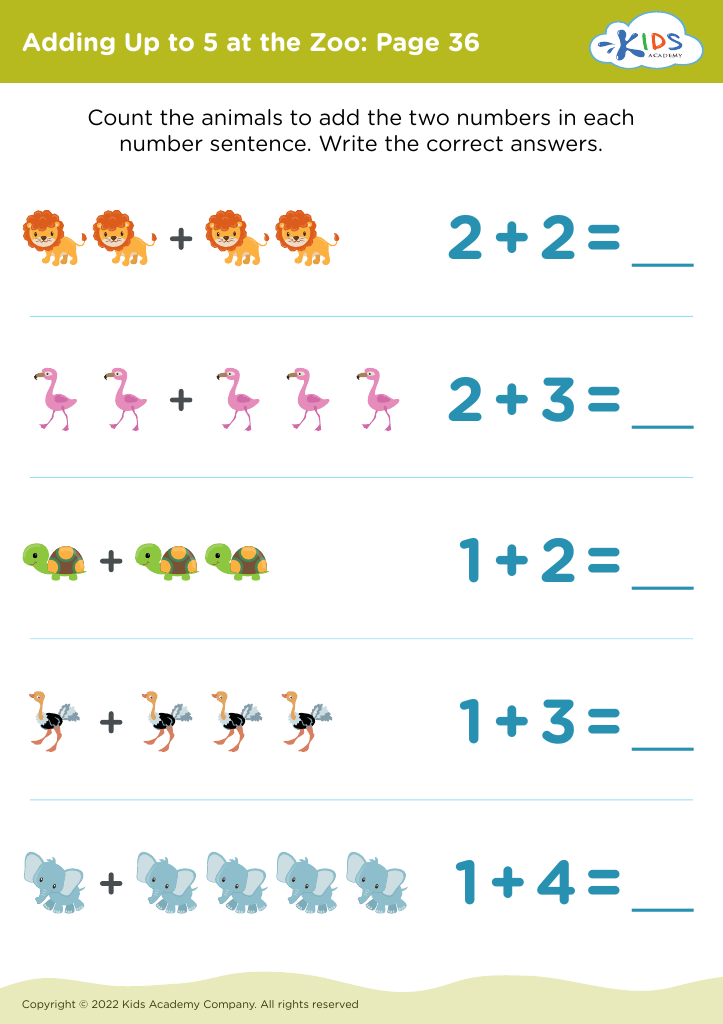
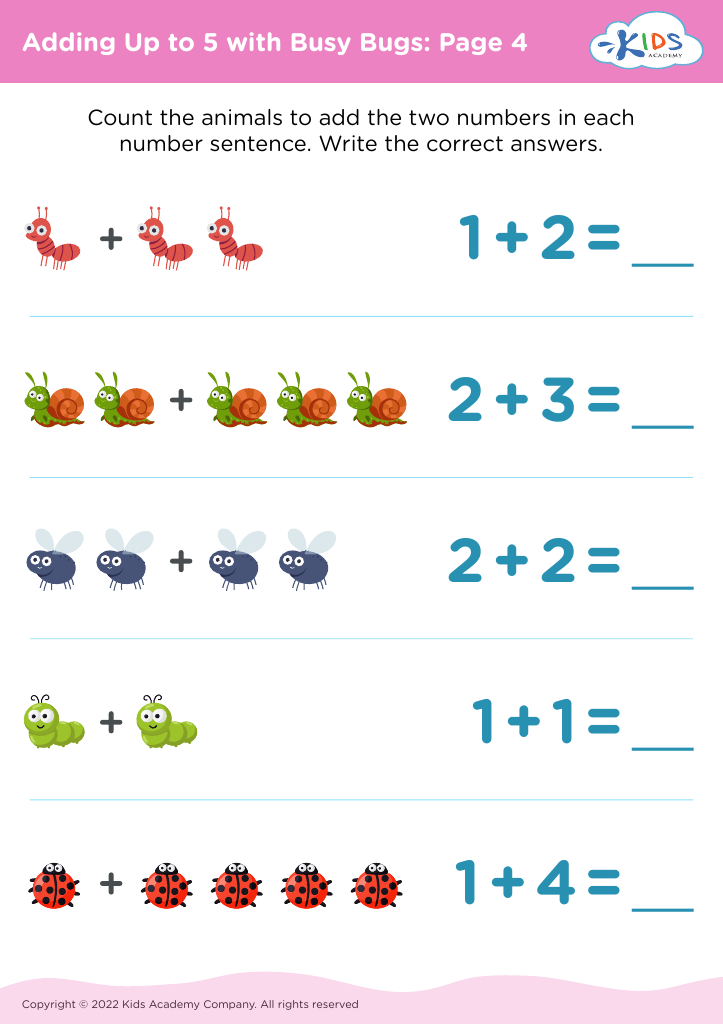
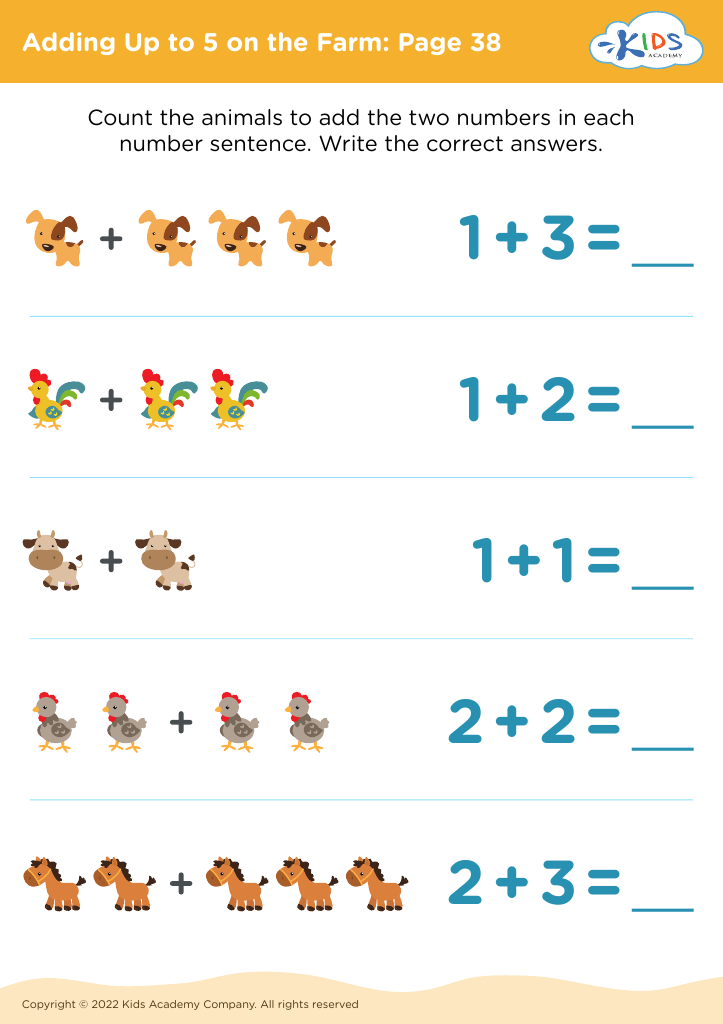
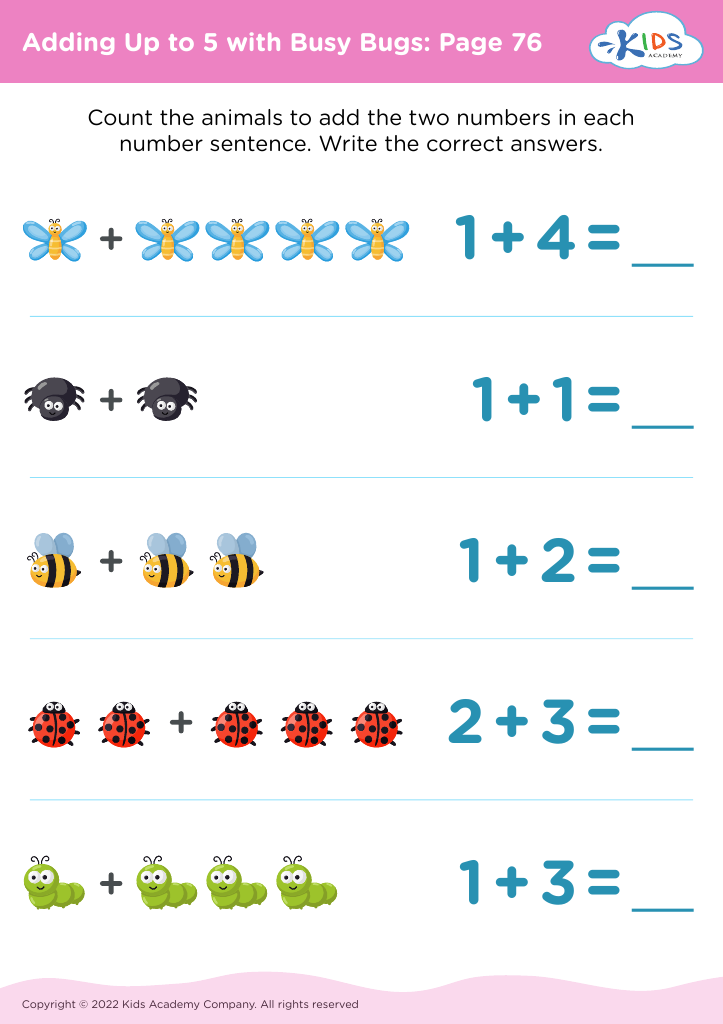
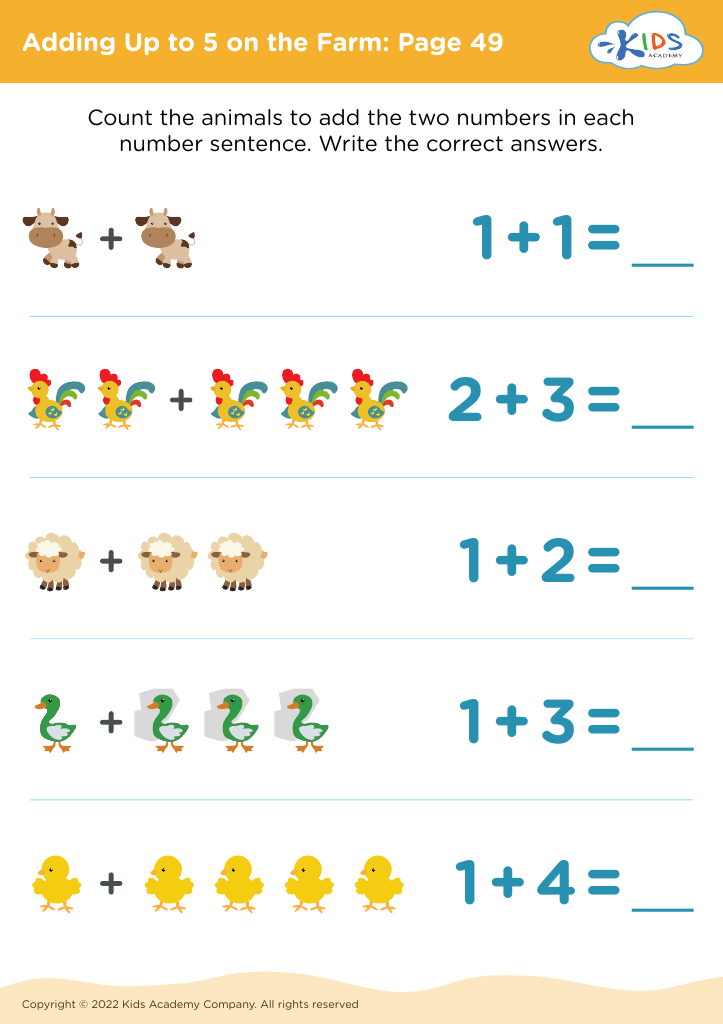
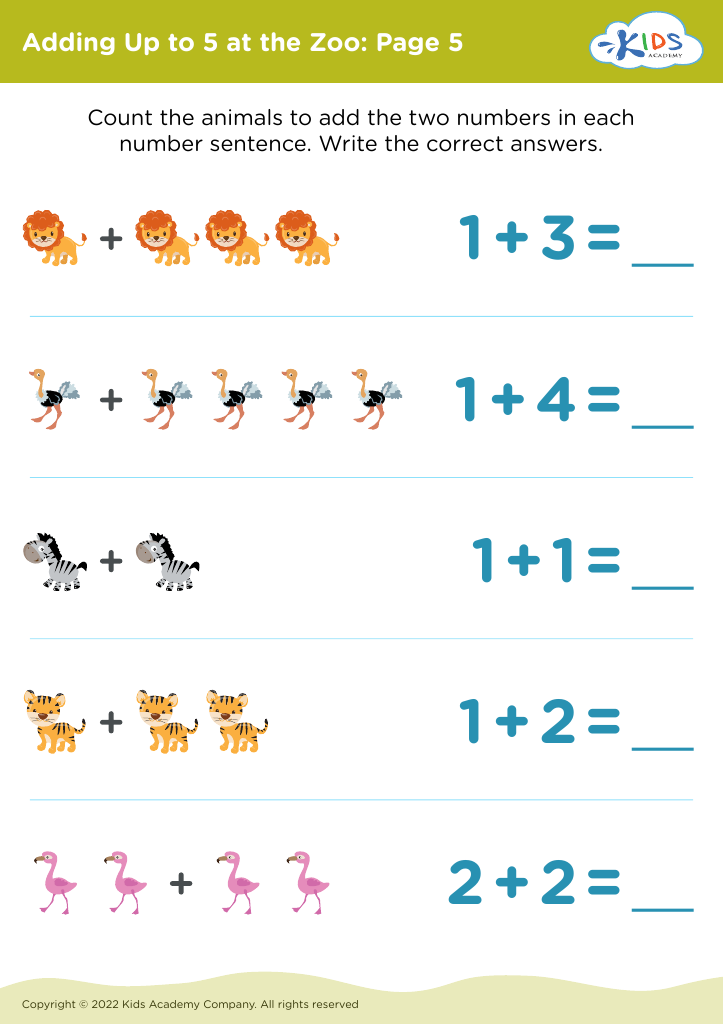
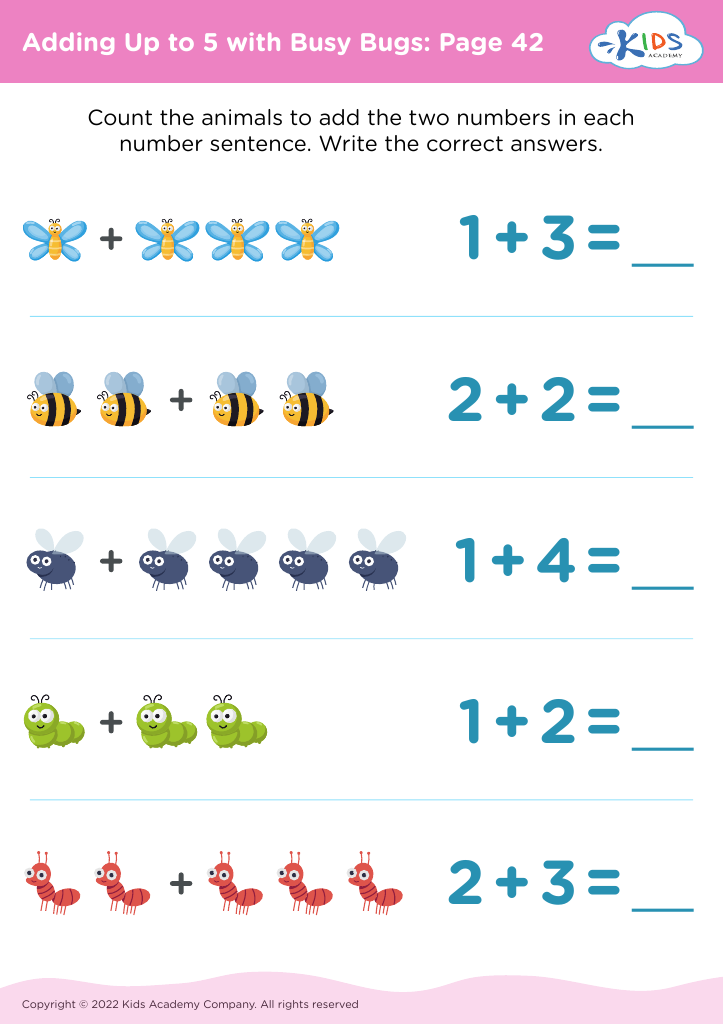
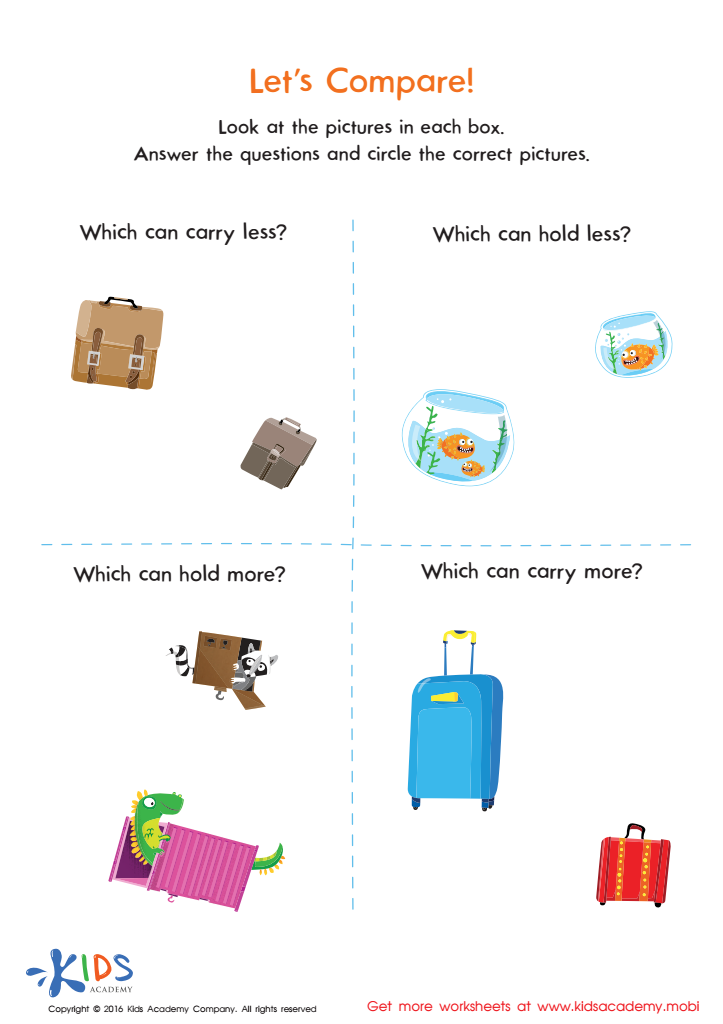
Let's Compare Worksheet: Big or Small
 Assign to My Students
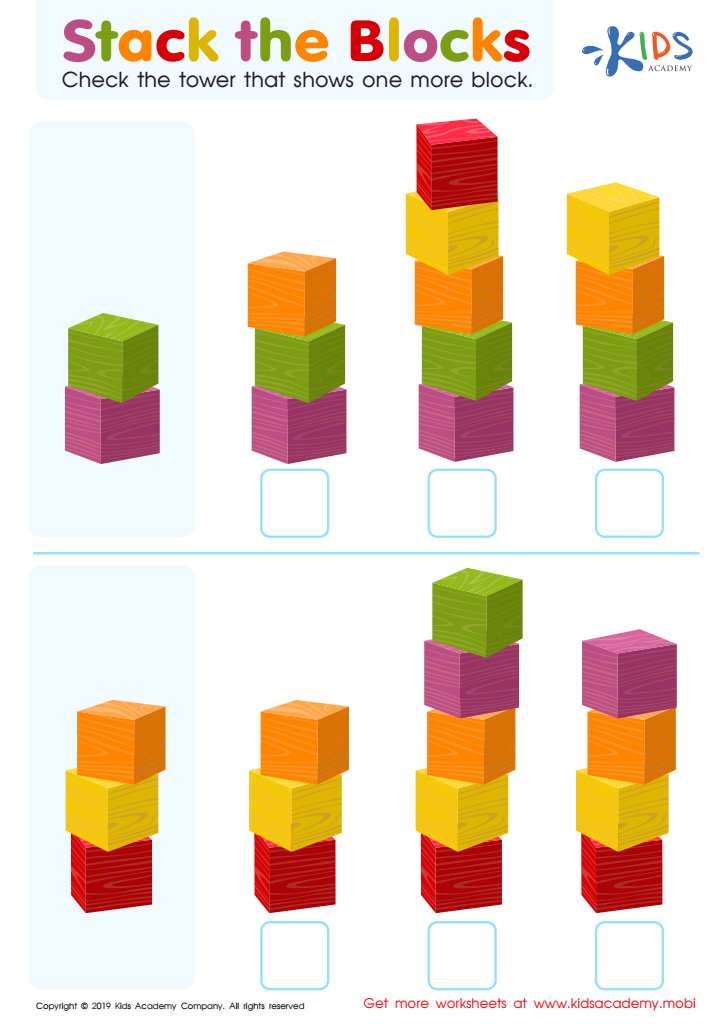
Stack the Blocks Worksheet
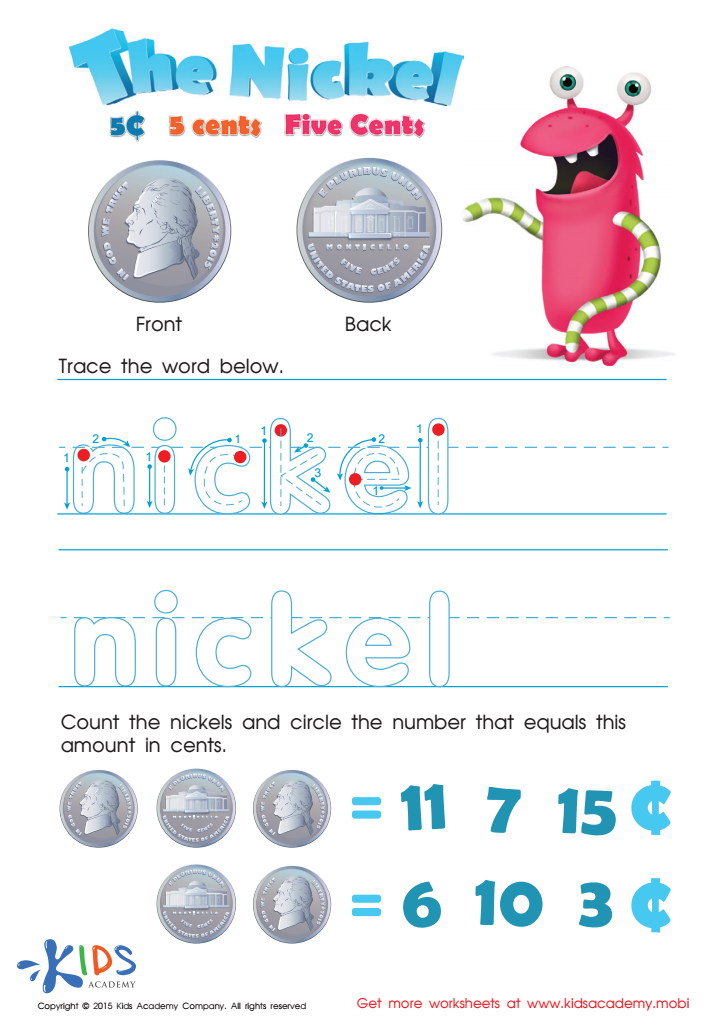
Five Cents or the Nickel Money Worksheet
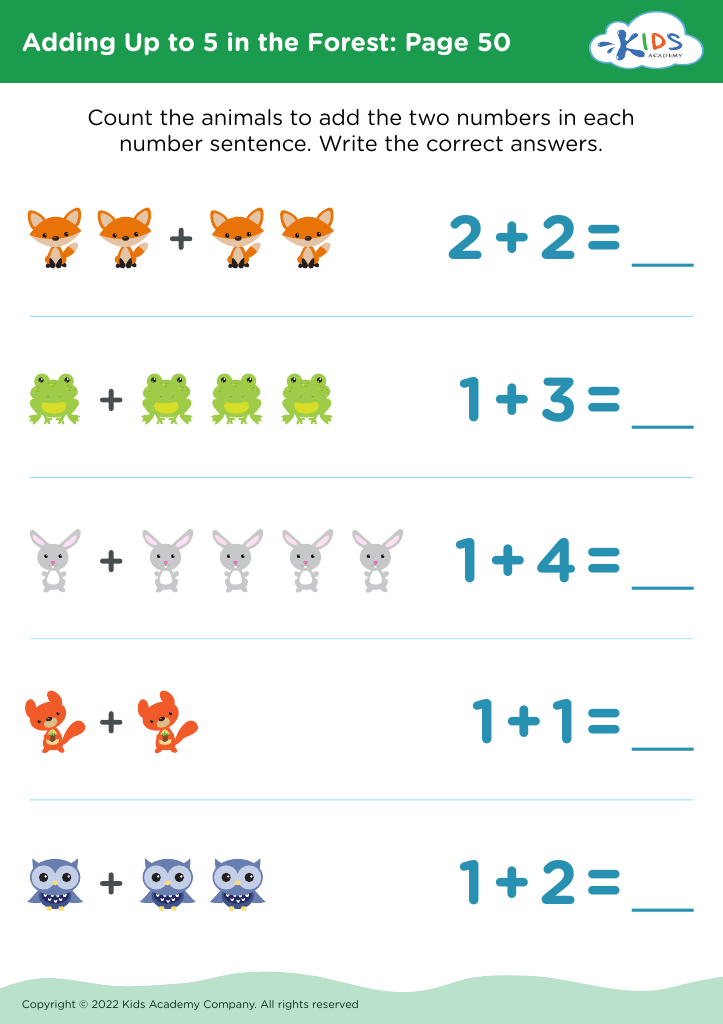
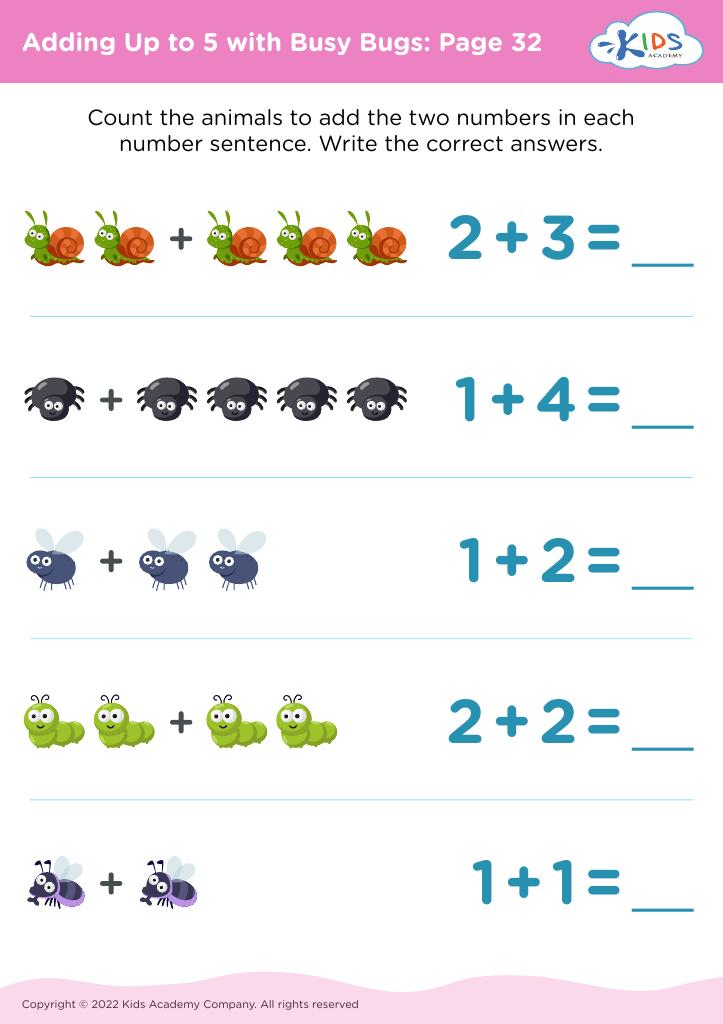
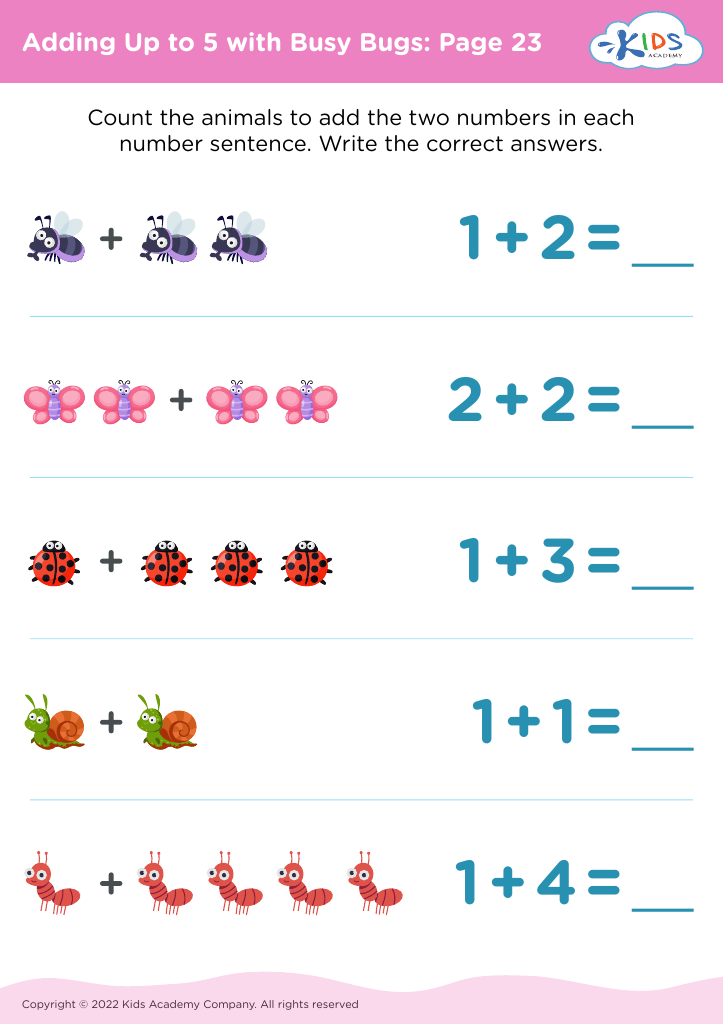
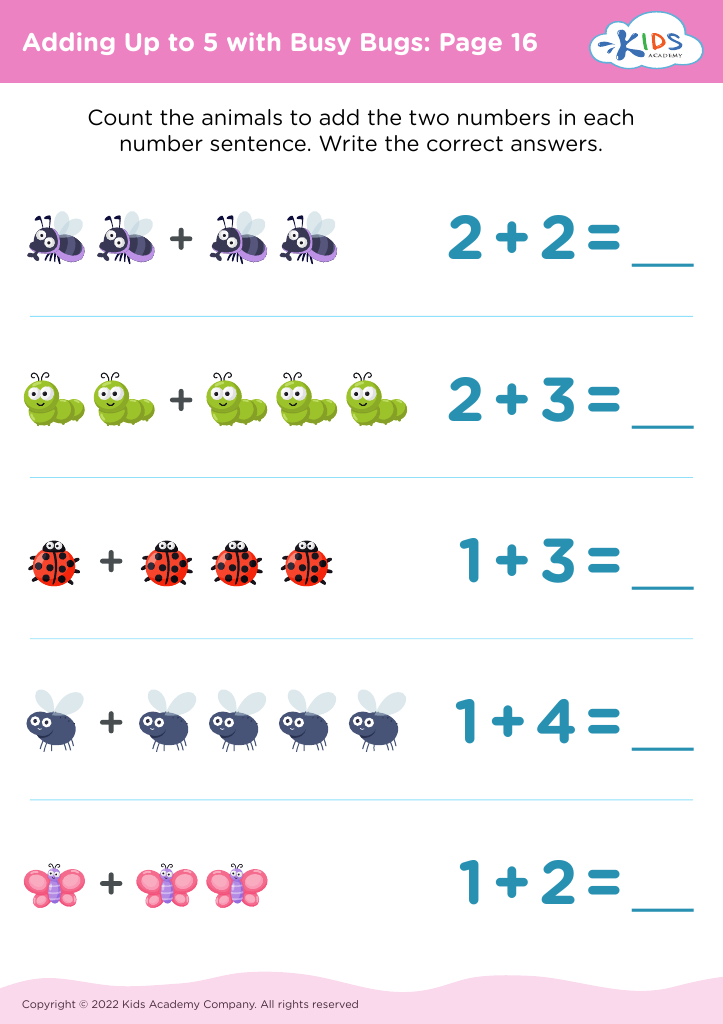






Basic math concepts for 3-year-olds lay the foundation for future learning and critical thinking skills. At this stage, young children are naturally curious and eager to explore their environment, making it an ideal time to introduce fundamental math ideas in a playful and engaging manner. Teaching basic math concepts—like counting, sorting, and recognizing shapes—helps to develop essential cognitive skills.
These early mathematical skills can enhance problem-solving abilities and logical thinking. For example, counting objects during play or sorting toys by size or color introduces children to comparisons and categorization. Moreover, these activities can improve fine motor skills, memory, and language development as they learn to describe their actions.
Parents and teachers play a crucial role in fostering this learning through everyday interactions. Simple activities, like counting steps while climbing stairs or measuring ingredients during cooking, can seamlessly incorporate math into daily routines. Understanding these concepts not only prepares children for formal education but also builds confidence and enthusiasm in learning. By prioritizing early math experiences, caregivers can cultivate a lifelong appreciation and understanding of mathematics, providing children with tools they will use throughout their academic and everyday lives.








