Fine Motor Skills Math Worksheets for 3-Year-Olds - Page 5
112 filtered results
-
From - To
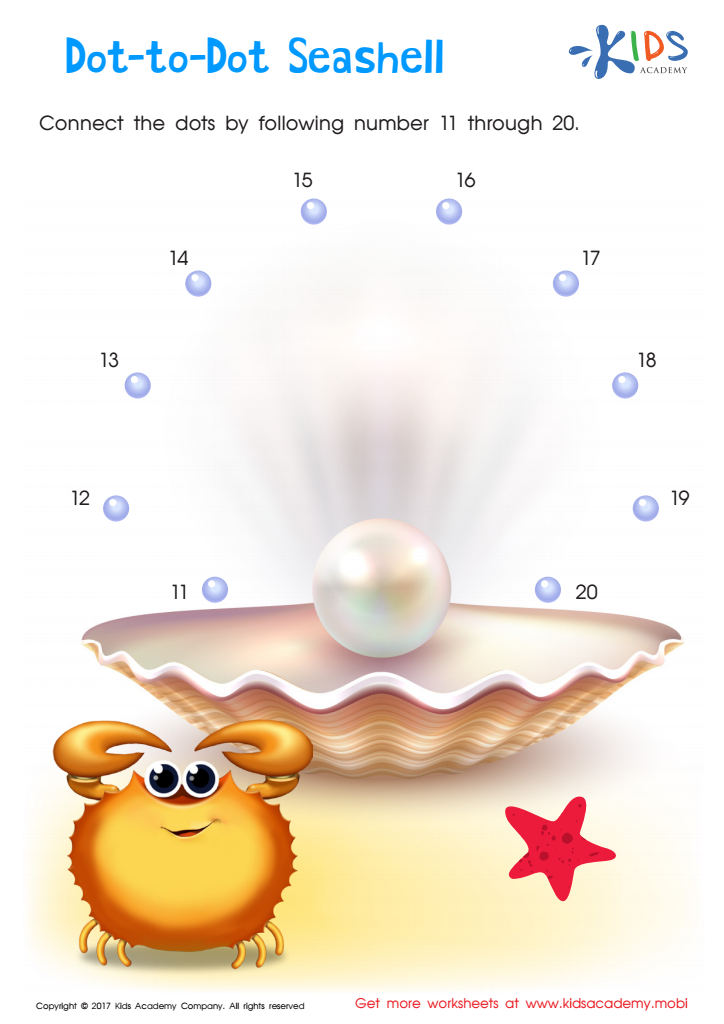
Ordering 11–20: Dot–to–dot Seashell Printable
 Assign to My Students
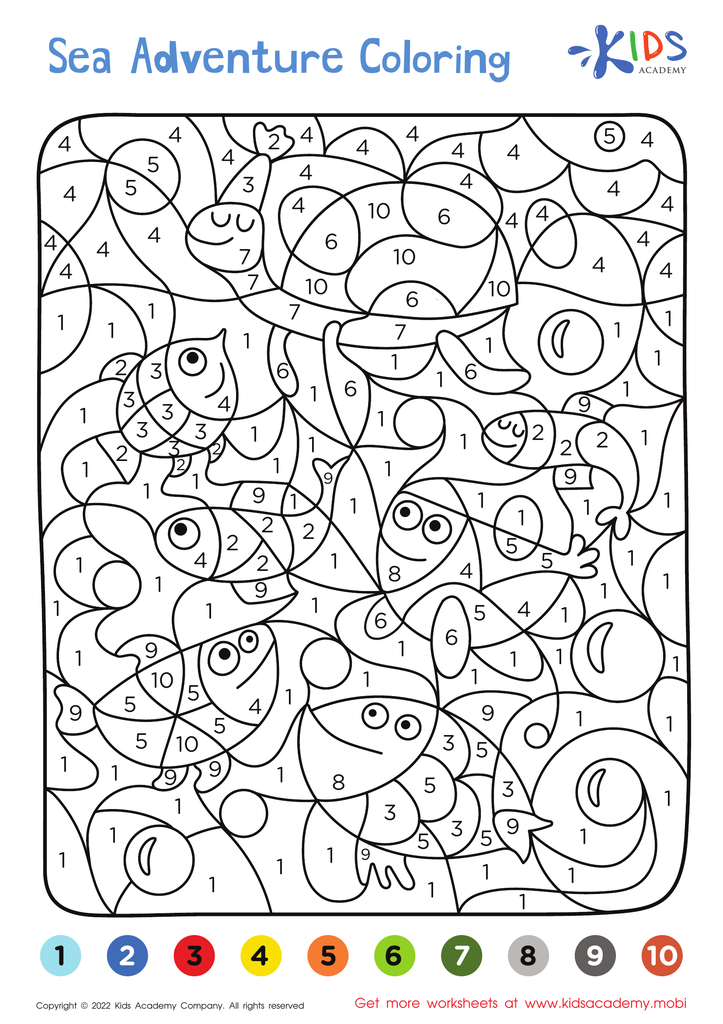
Sea Adventure – Coloring by Numbers
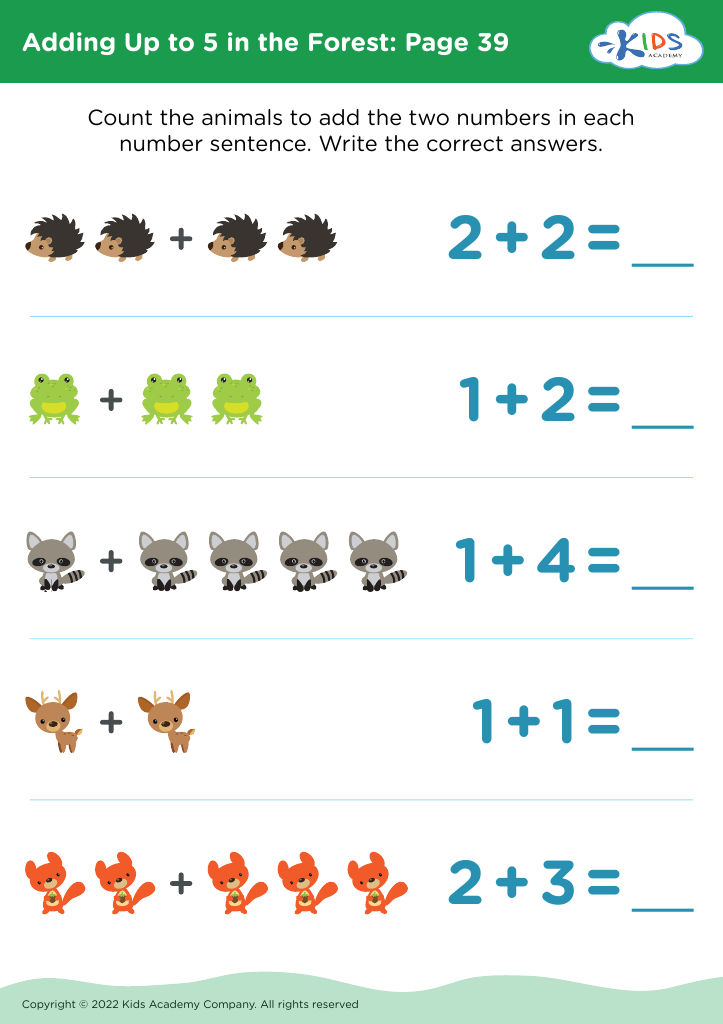
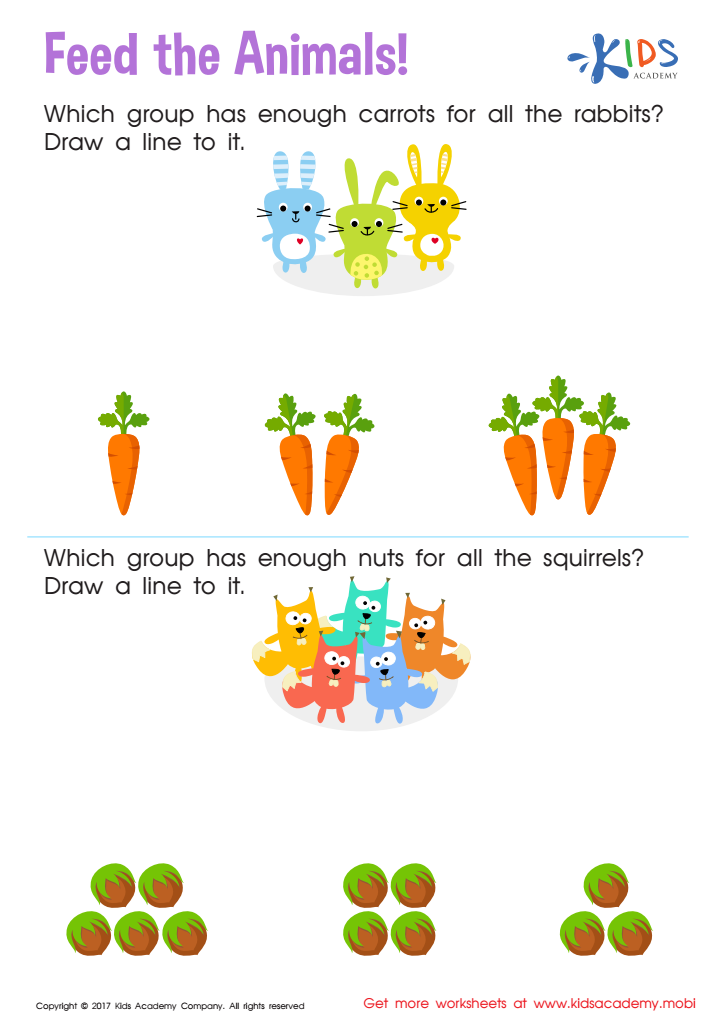
Count and Match: Feed the Animals Worksheet
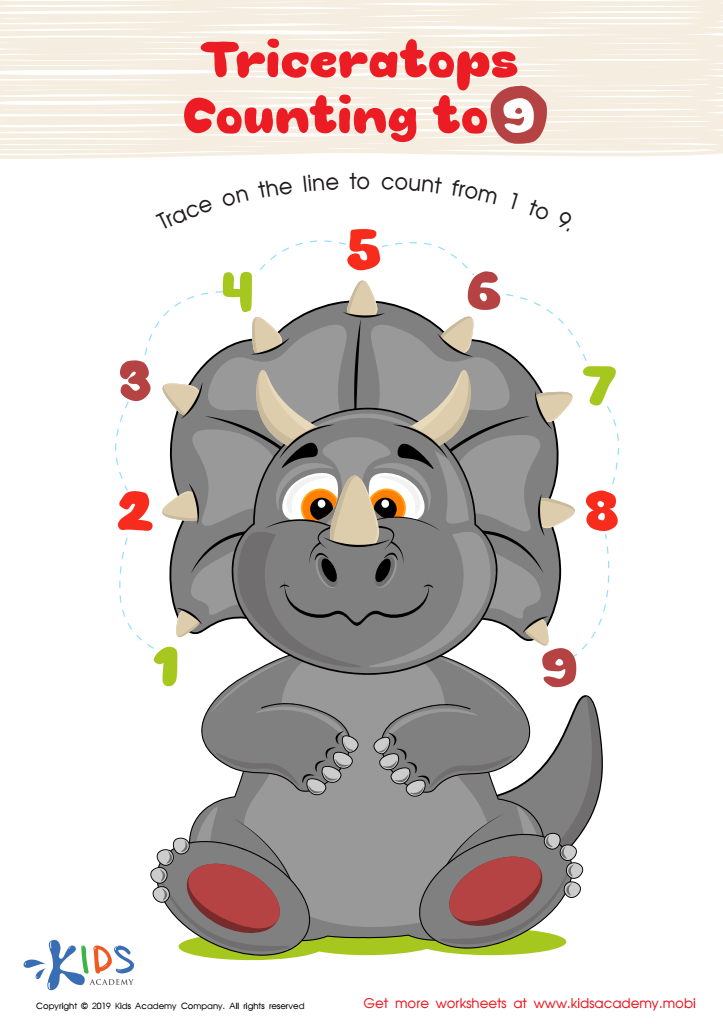
Triceratops Counting to 9 Worksheet
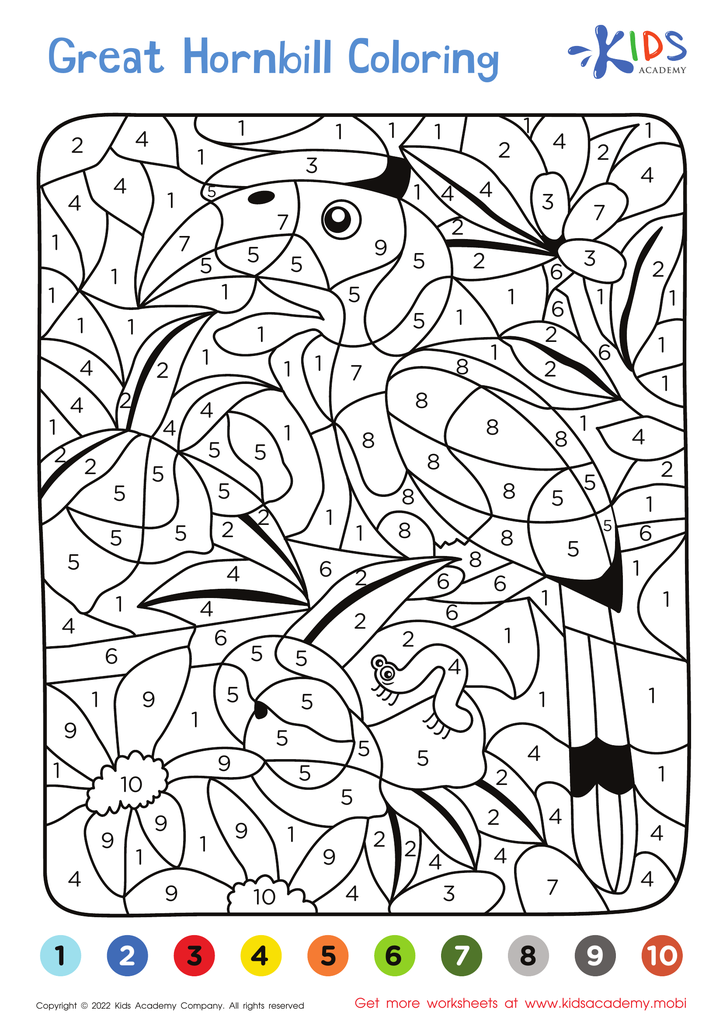
Great Hornbill – Coloring by Numbers
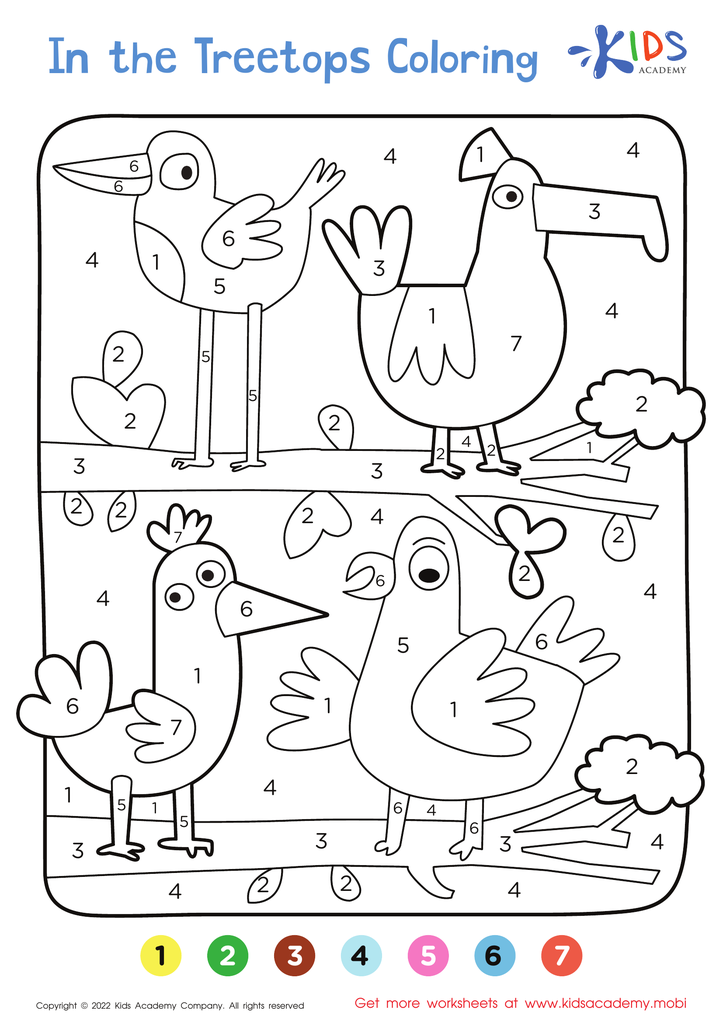
In the Treetops – Coloring Page

Twinkle, Twinkle, Little Star – Coloring by Numbers
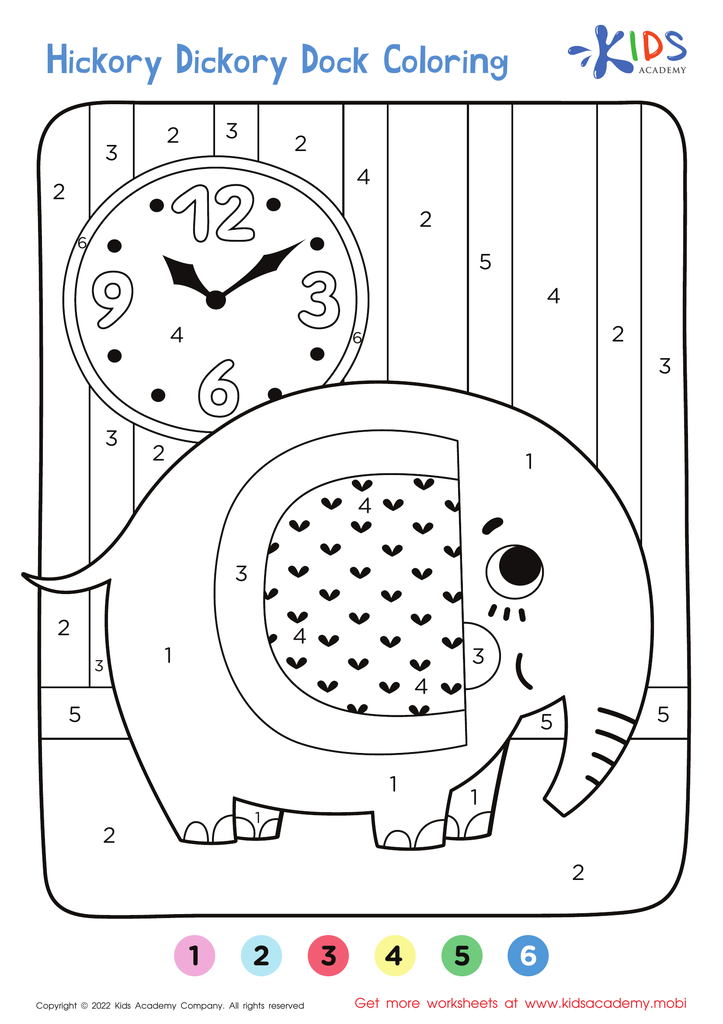
Hickory Dickory Dock – Coloring by Numbers

Night Sky Numbers Worksheet
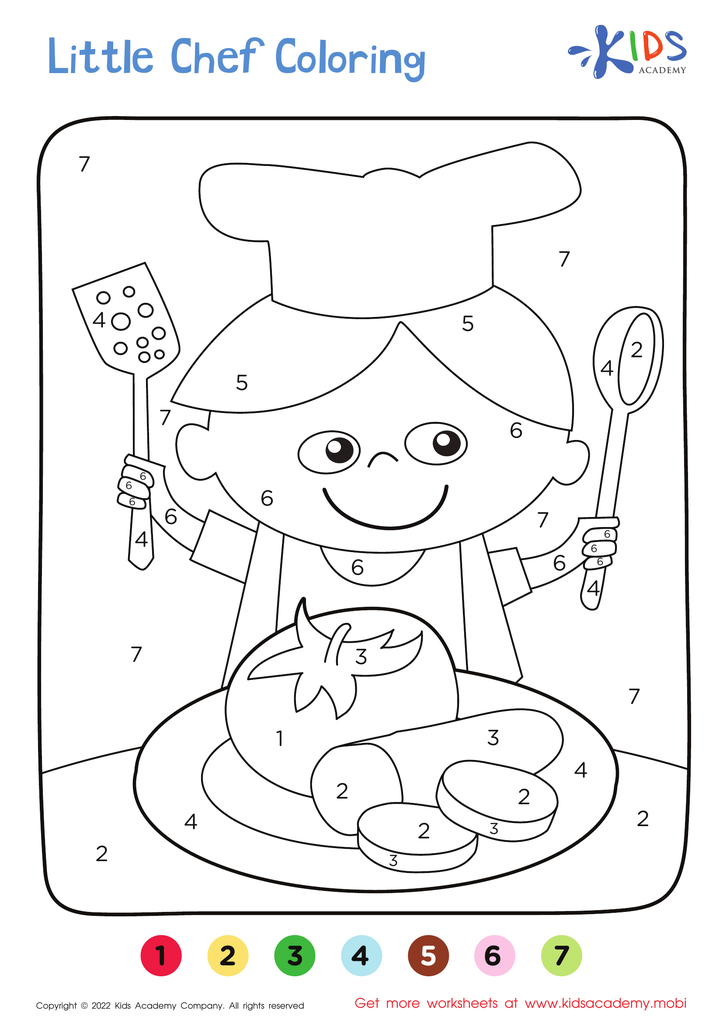
Little Chef – Coloring by Numbers
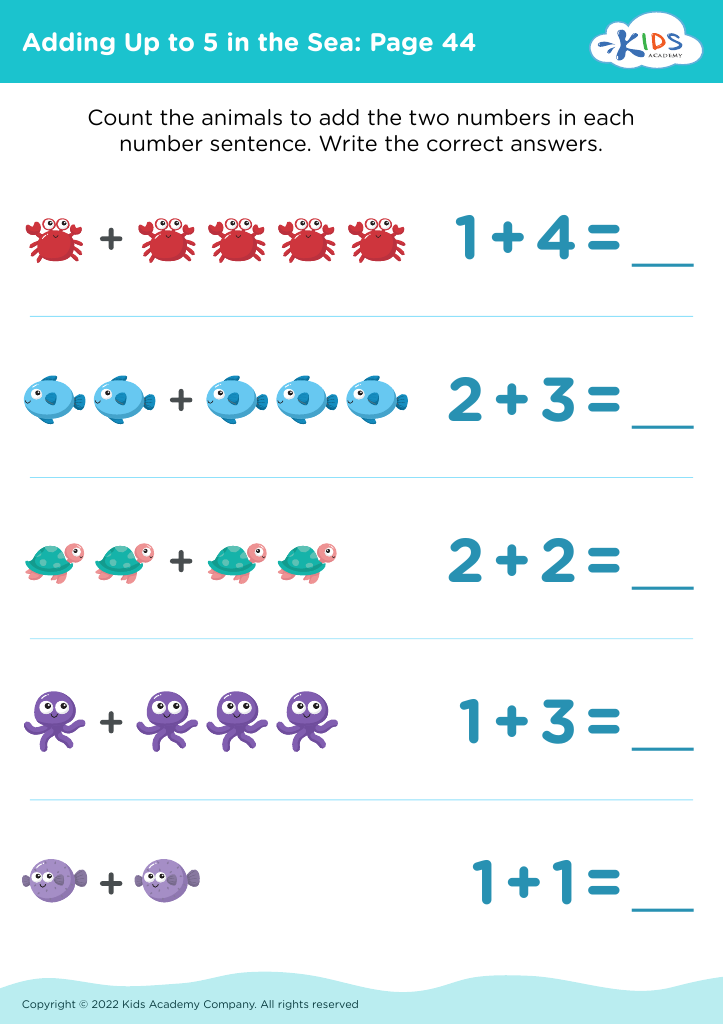
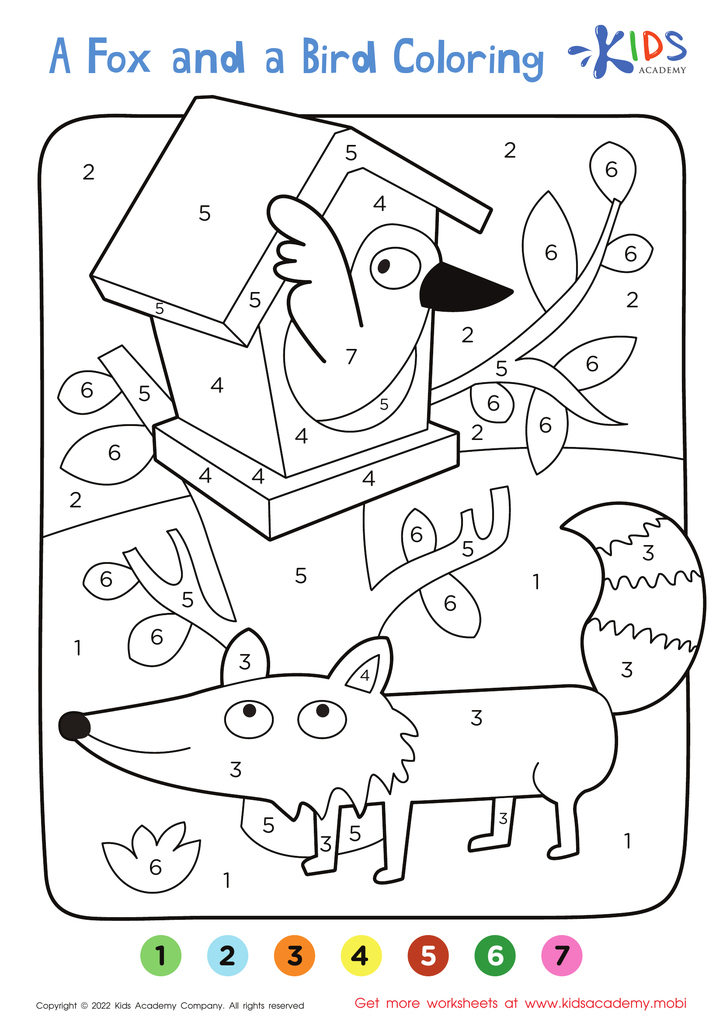
A Fox and a Bird – Coloring by Numbers
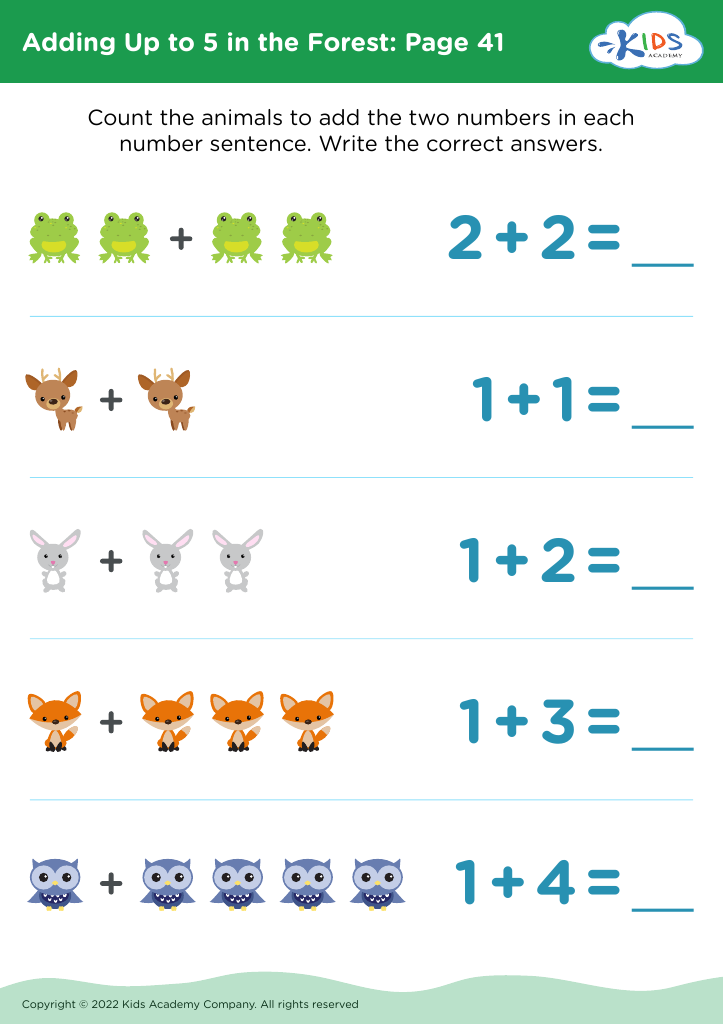
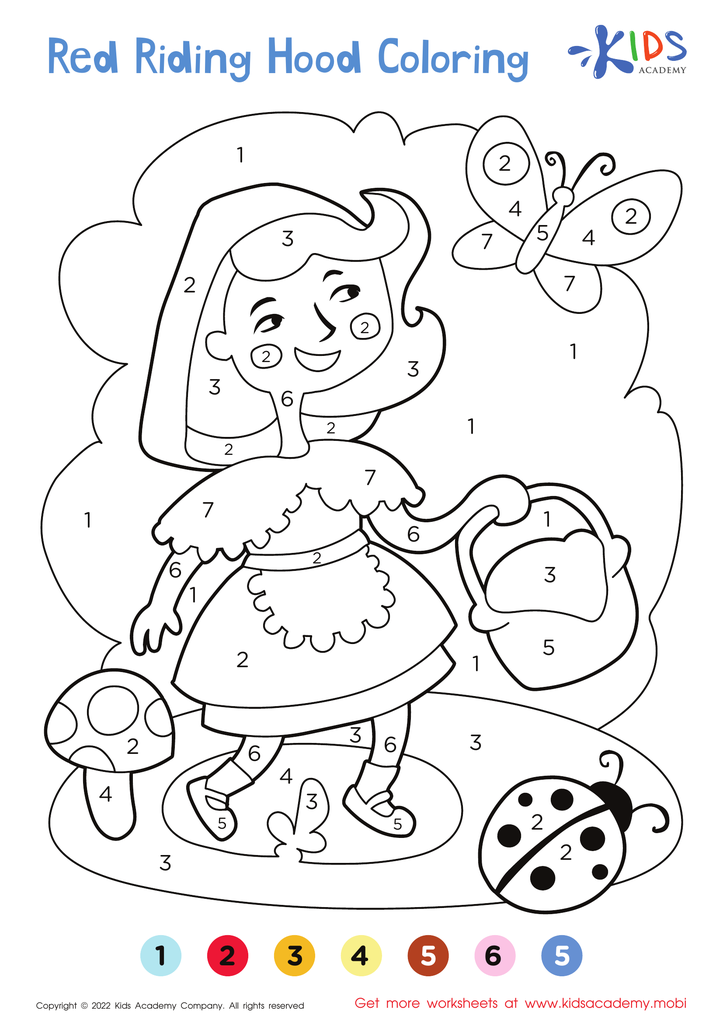
Little Red Riding Hood – Coloring by Numbers
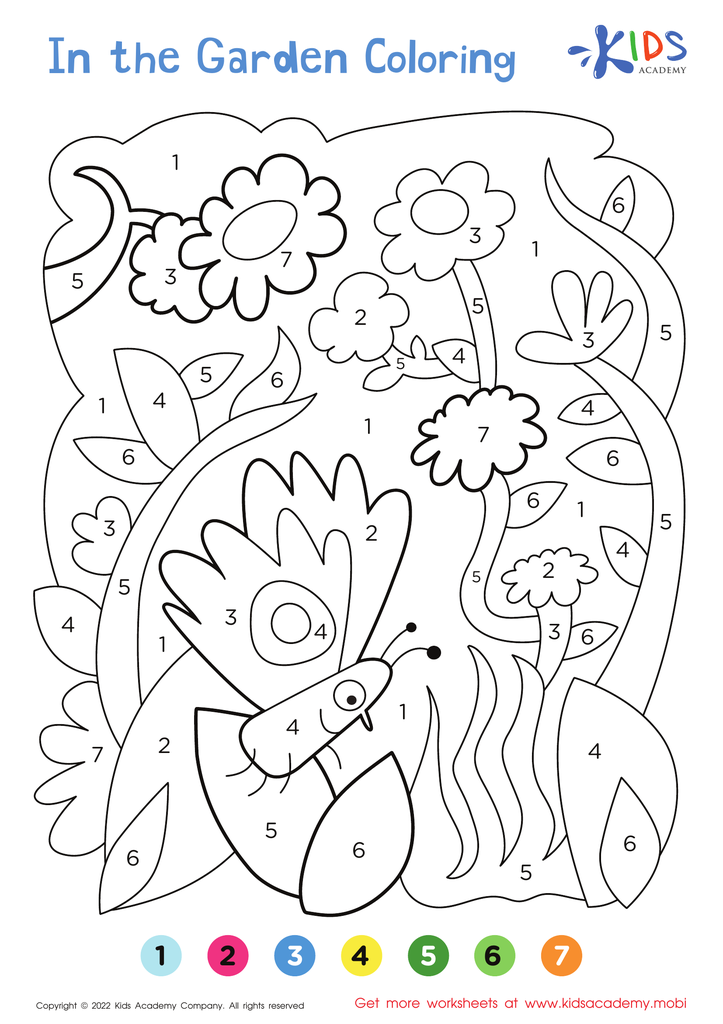
In the Garden – Coloring by Numbers


.jpg)





Parents and teachers should emphasize Fine Motor Skills Math for 3-year-olds because these early skills lay the foundation for future academic success and overall development. Fine motor skills, which involve the coordination of small muscle movements in the hands and fingers, are essential for young children as they begin to engage in activities requiring precision and dexterity, such as writing, drawing, and manipulating small objects.
Integrating fine motor skills with basic math concepts can make learning more engaging and effective for young children. For example, activities like sorting objects by size, shape, or color not only enhance mathematical understanding but also improve hand-eye coordination and grip strength. These foundational skills are critical for tasks they will encounter later in school, such as writing numbers and letters.
Moreover, developing fine motor skills helps build confidence and independence in young children. As they master tasks like buttoning shirts or using scissors, they become more self-reliant and assertive in their learning environments. Engaging children in fine motor skills math activities prepares them for more complex problem-solving tasks and academic challenges as they grow.
Ultimately, incorporating fine motor skills into early math learning creates a holistic educational approach that nurtures both cognitive and physical development, setting the stage for a lifetime of learning and success.








