Multiplication practice Math Worksheets for 3-Year-Olds
5 filtered results
-
From - To
Welcome to our Multiplication Practice Math Worksheets for 3-Year-Olds! Designed specifically for early learners, these engaging worksheets introduce the foundational concepts of multiplication through fun and interactive activities. Our user-friendly sheets use colorful visuals and simple, relatable examples that captivate young minds while promoting essential math skills. These exercises not only enhance numeracy but also encourage cognitive development and improve problem-solving abilities. Perfect for parents and teachers alike, these printable resources make learning multiplication enjoyable and accessible. Start your child's math journey today and watch them develop confidence and love for numbers with our thoughtfully crafted worksheets!
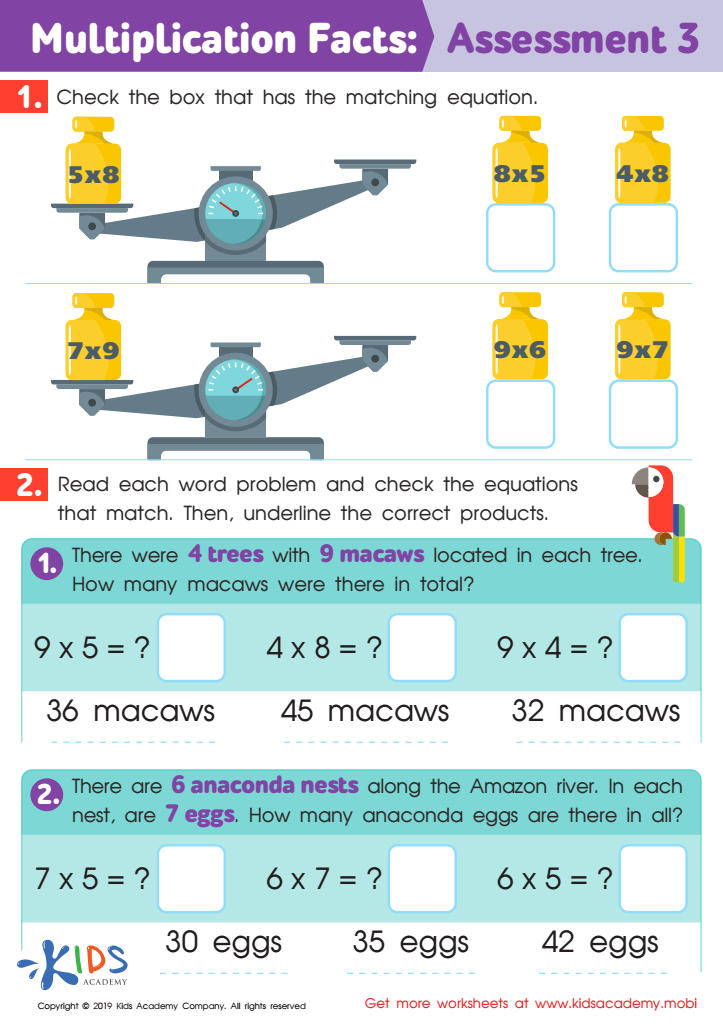
Multiplication Facts: Assessment 3 Worksheet
 Assign to My Students
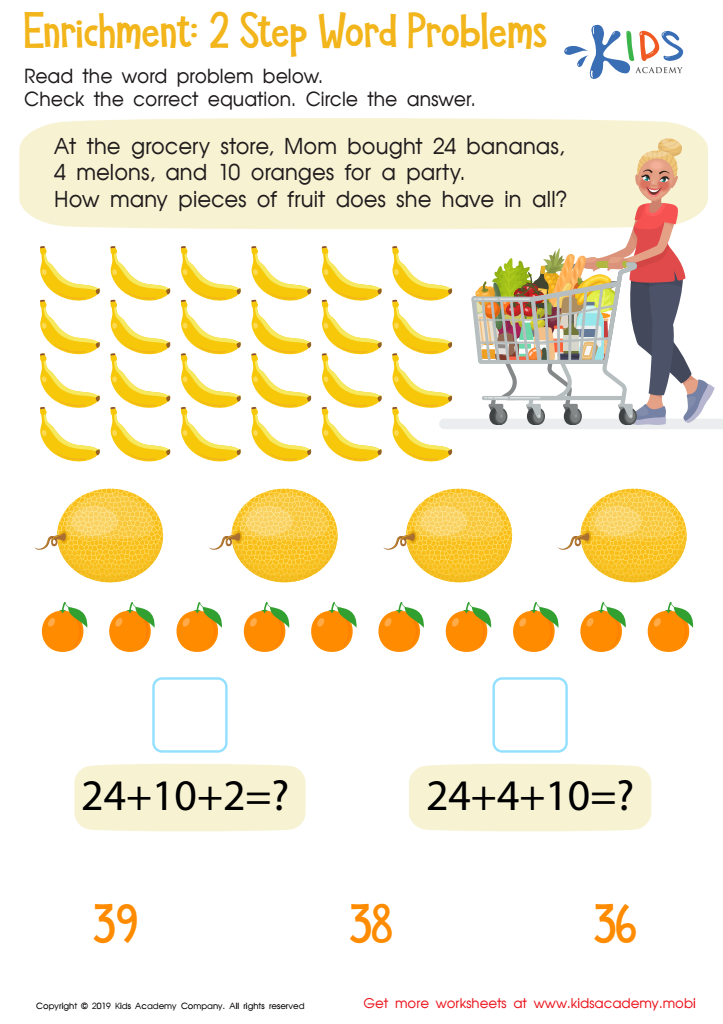
Enrichment -2 Step Word Problems Worksheet
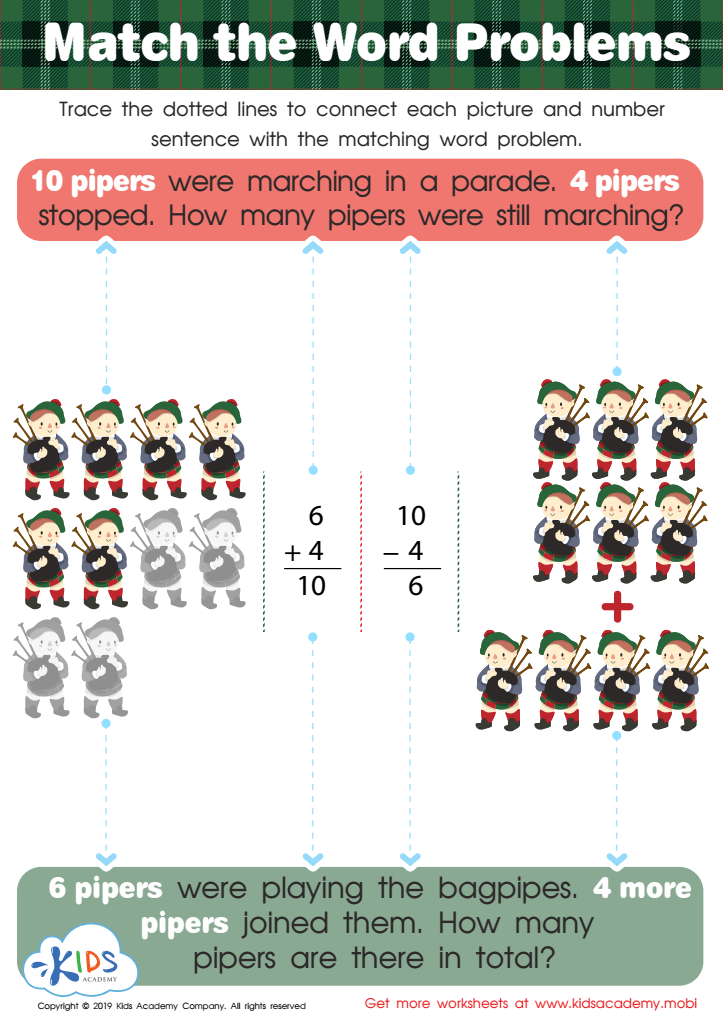
Match the Word Problems Worksheet
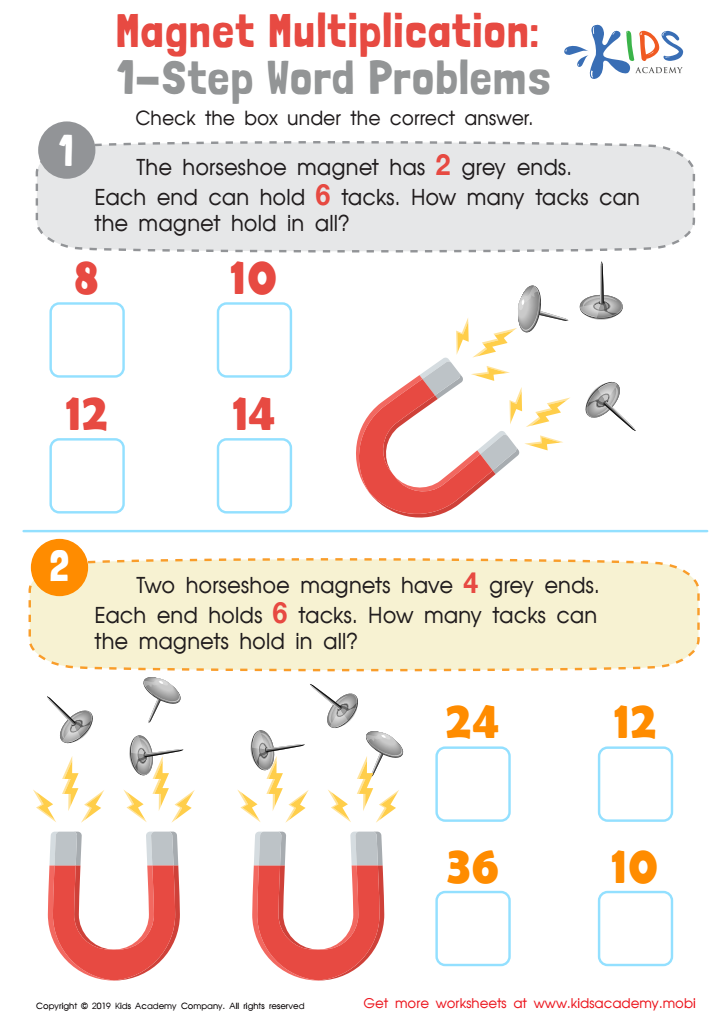
Magnet Multiplication: 1-Step Word Problems Worksheet
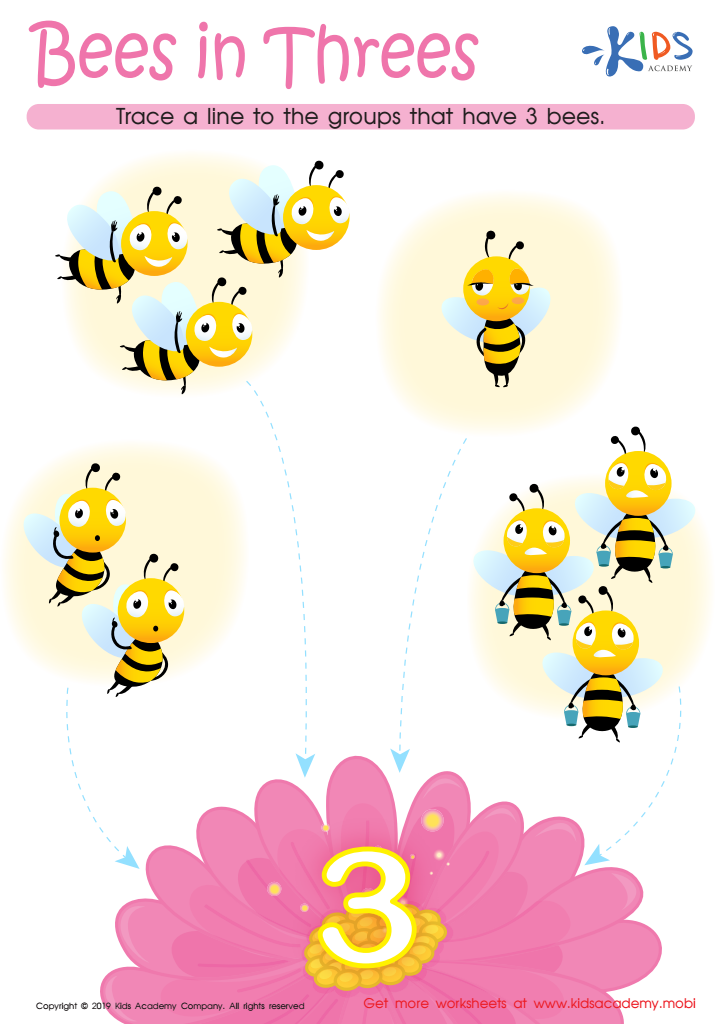
Bees in Threes Worksheet








Introducing multiplication to three-year-olds might seem premature, but engaging young learners in foundational math concepts paves the way for future success. At this age, children are naturally curious and absorb new information quickly, making it an ideal time to introduce basic mathematical concepts, including the idea of multiplication as repeated addition.
Practicing multiplication can enhance cognitive development by fostering problem-solving skills and sequential thinking. It also nurtures a love for math and builds confidence as children explore patterns and relationships between numbers. Parents and teachers can employ playful and interactive methods—using colorful toys, fun games, and engaging visuals—that make learning enjoyable and accessible.
In addition, early exposure can strengthen number sense and improve memory, laying a solid groundwork for more complex math skills later on. It cultivates critical thinking—children can begin to visualize groupings and quantities, finding joy in discovering relationships.
Moreover, encouraging multiplication practice can inspire cooperative learning experiences, promoting social skills as children work together to solve math puzzles or play math games. Ultimately, integrating these concepts into early education can foster lifelong positive attitudes towards math and learning, setting the stage for academic success.








