Check out this FREE Trial Lesson on Math for age 3!

H

Favorites
With answer key
Interactive
  • 3
  • Visual Learning
  • Math
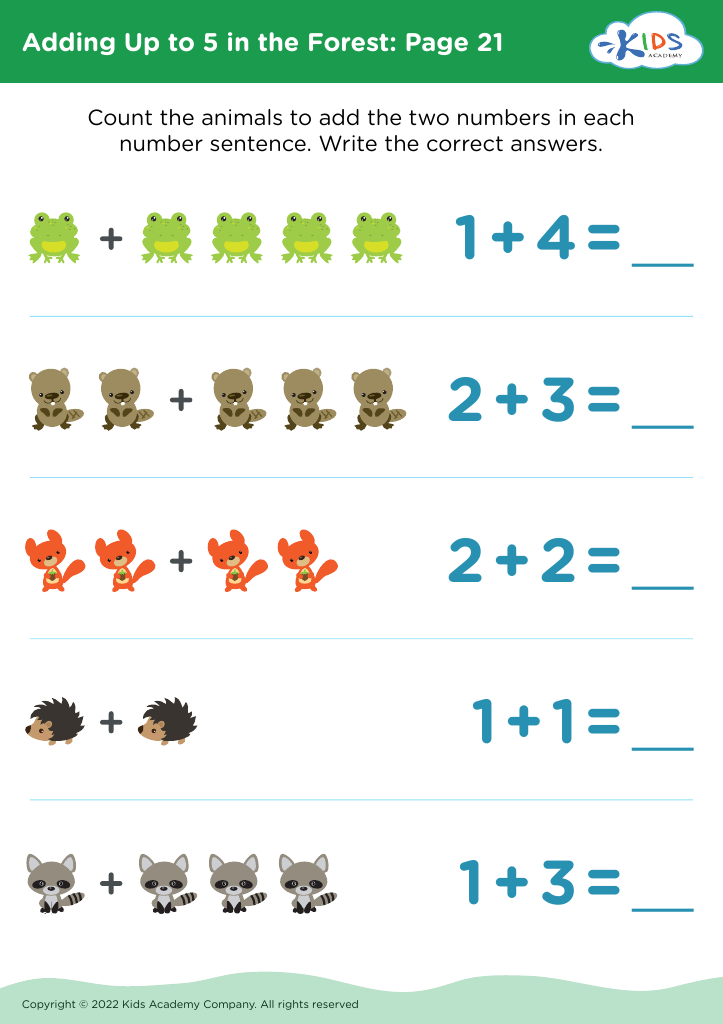
Adding Up to 5 in the Forest: Page 21
Worksheet
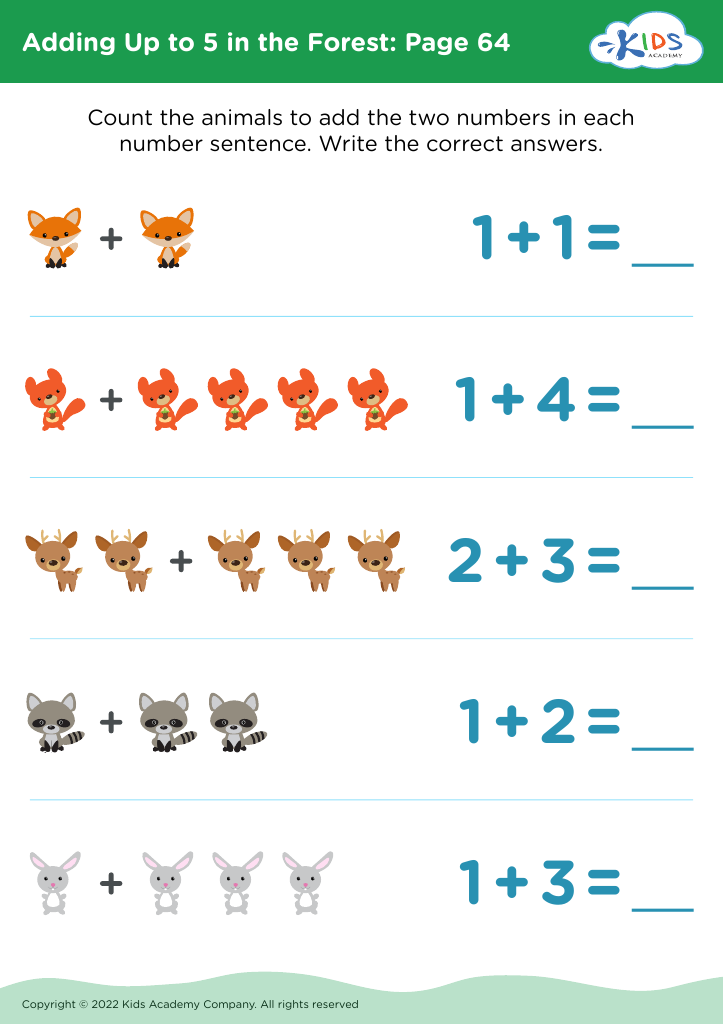
Adding Up to 5 in the Forest: Page 64
Worksheet
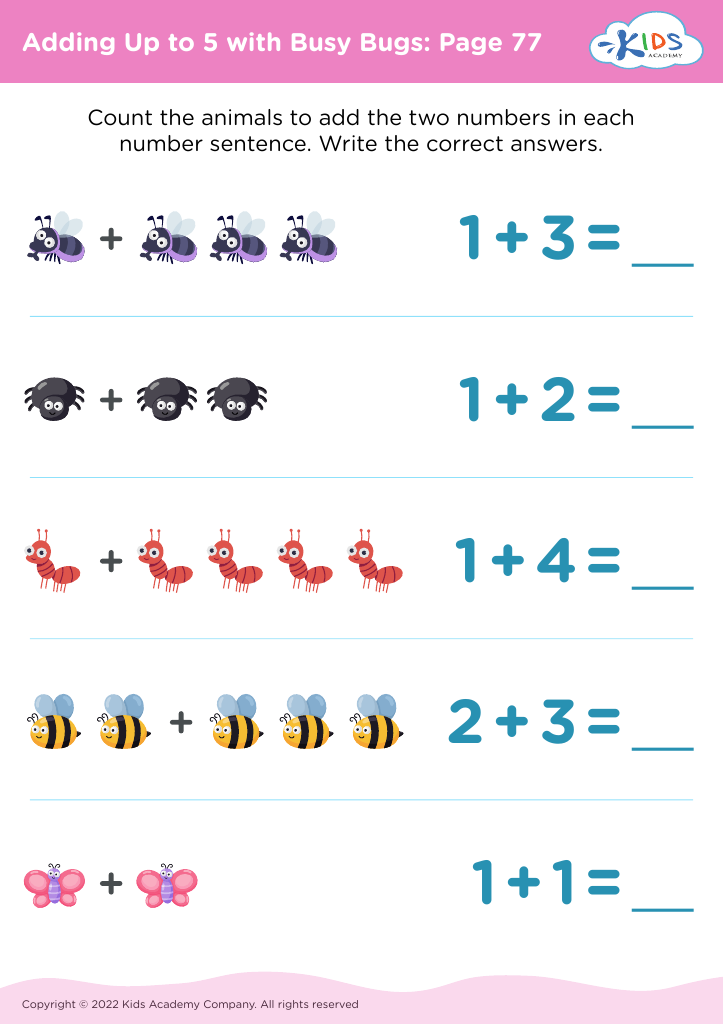
Adding Up to 5 with Busy Bugs: Page 77
Worksheet
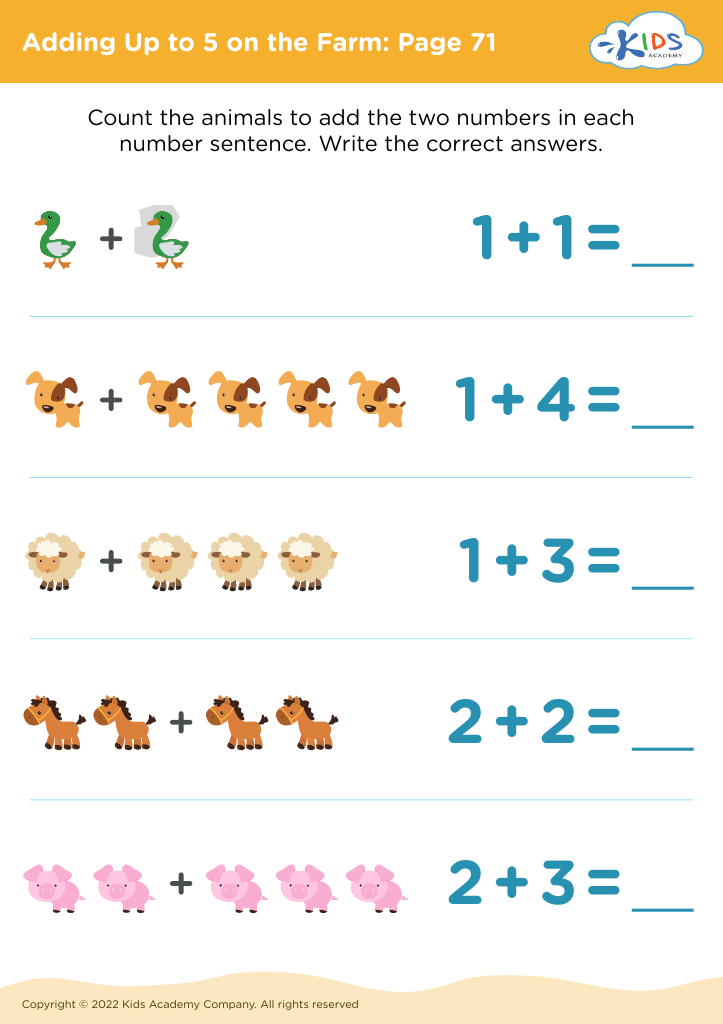
Adding Up to 5 on the Farm: Page 71
Worksheet
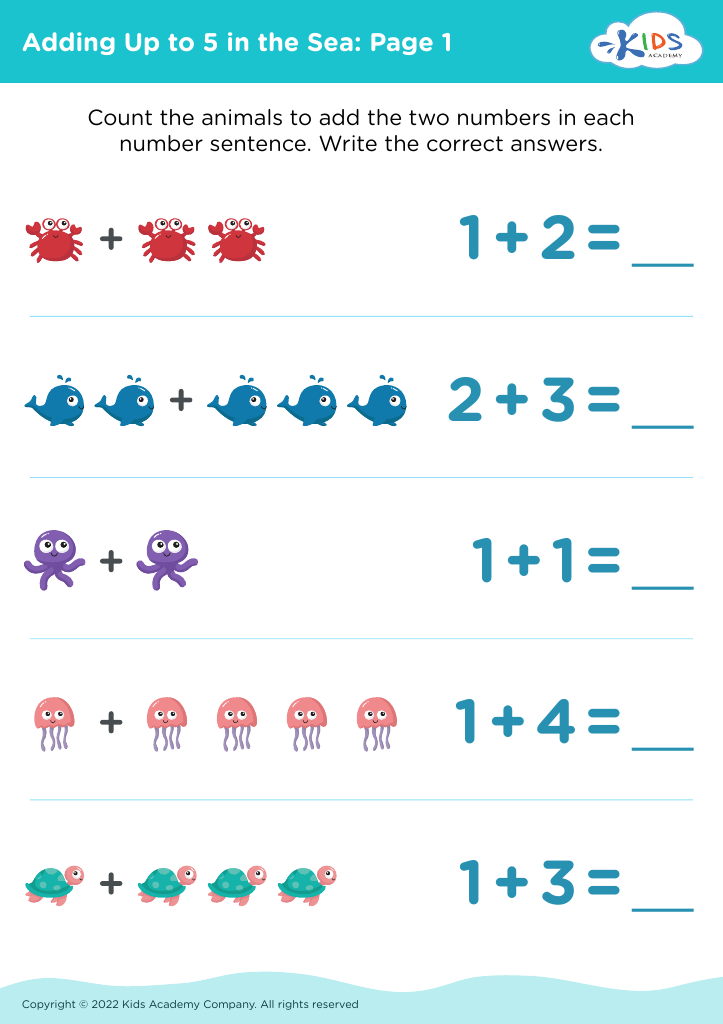
Adding Up to 5 in the Sea: Page 1

Adding Up to 5 in the Sea: Page 1

Adding Up to 5 in the Sea: Page 1
Worksheet
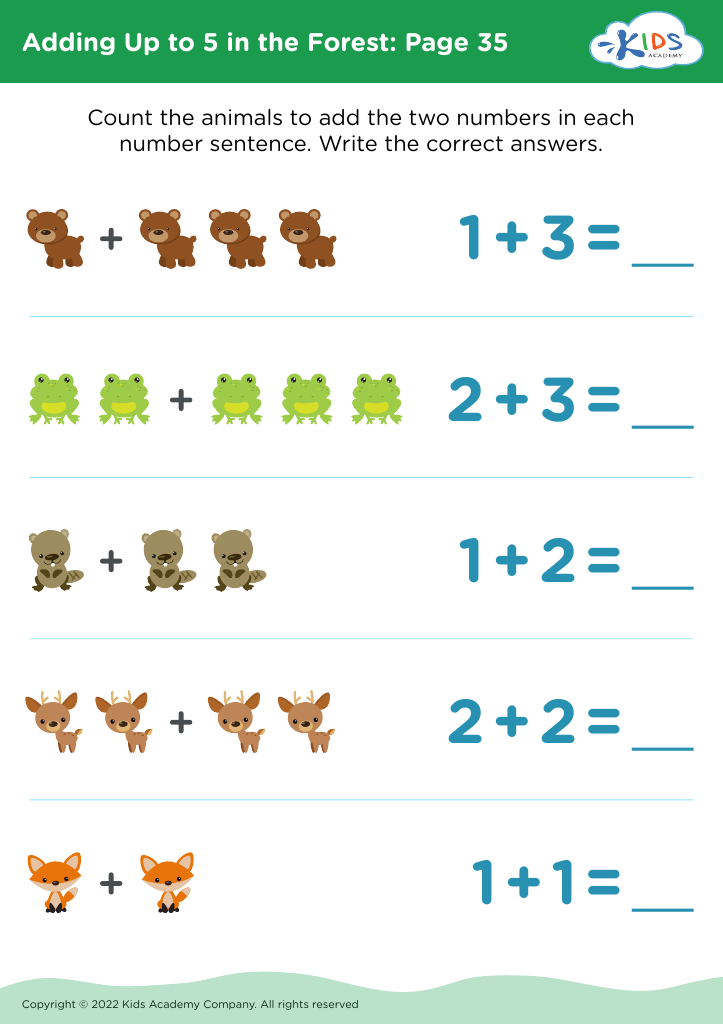
Adding Up to 5 in the Forest: Page 35
Worksheet
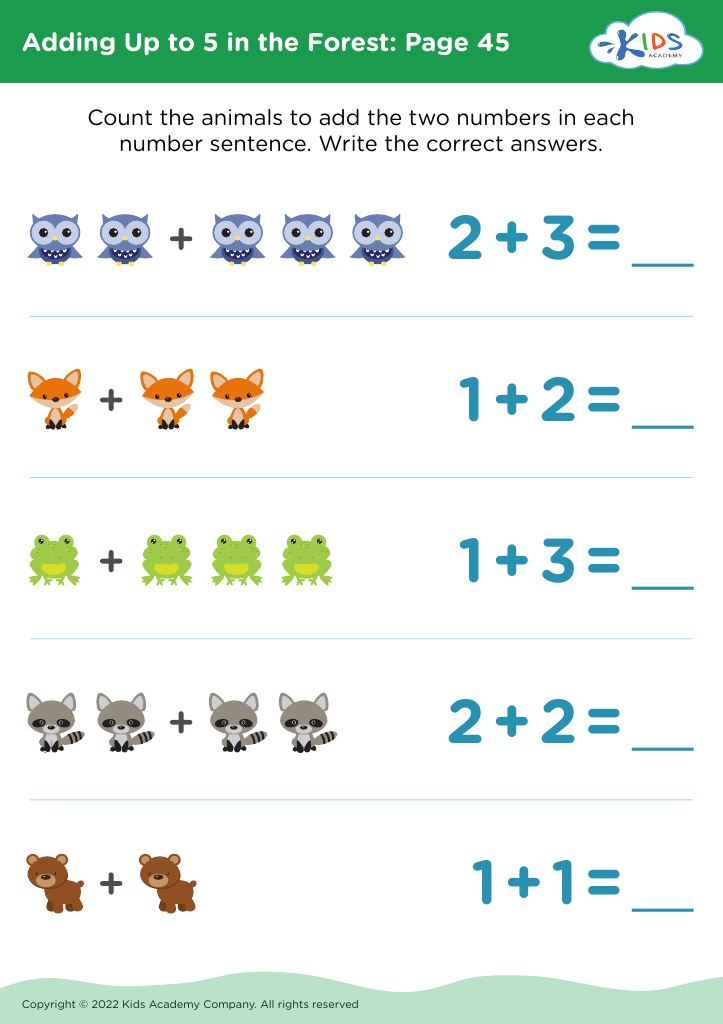
Adding Up to 5 in the Forest: Page 45
Worksheet
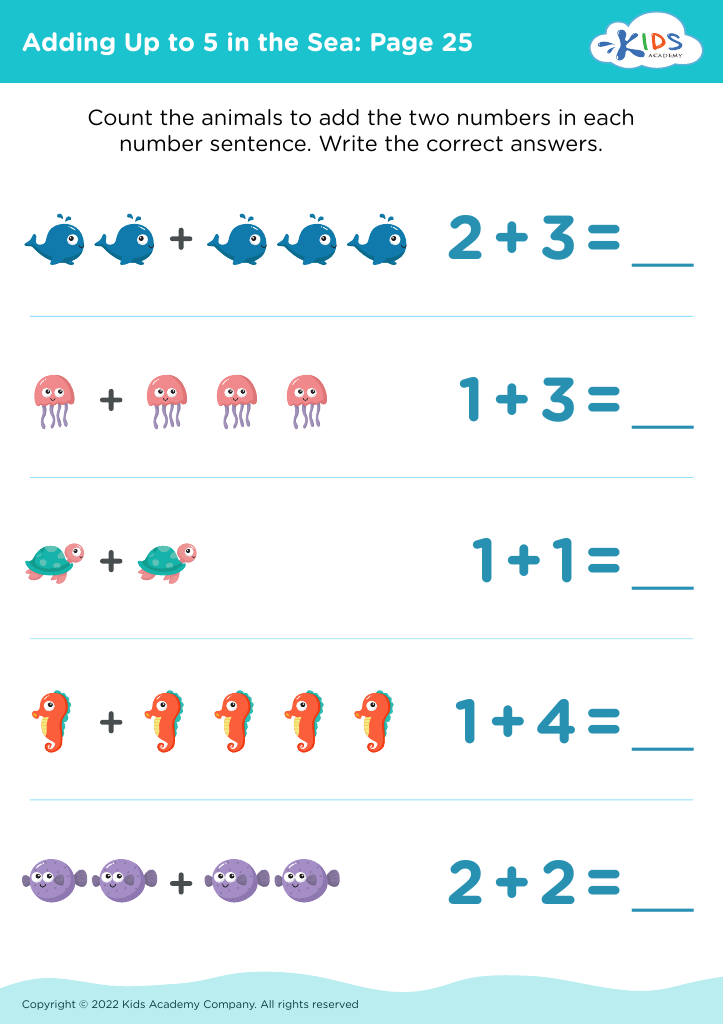
Adding Up to 5 in the Sea: Page 25
Worksheet
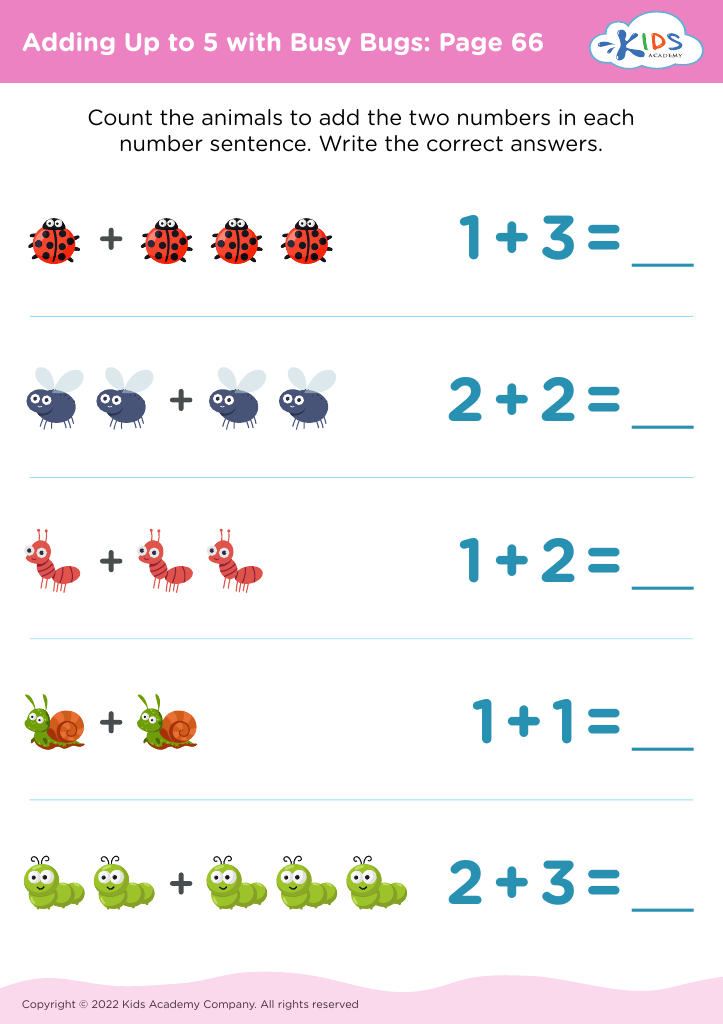
Adding Up to 5 with Busy Bugs: Page 66
Worksheet
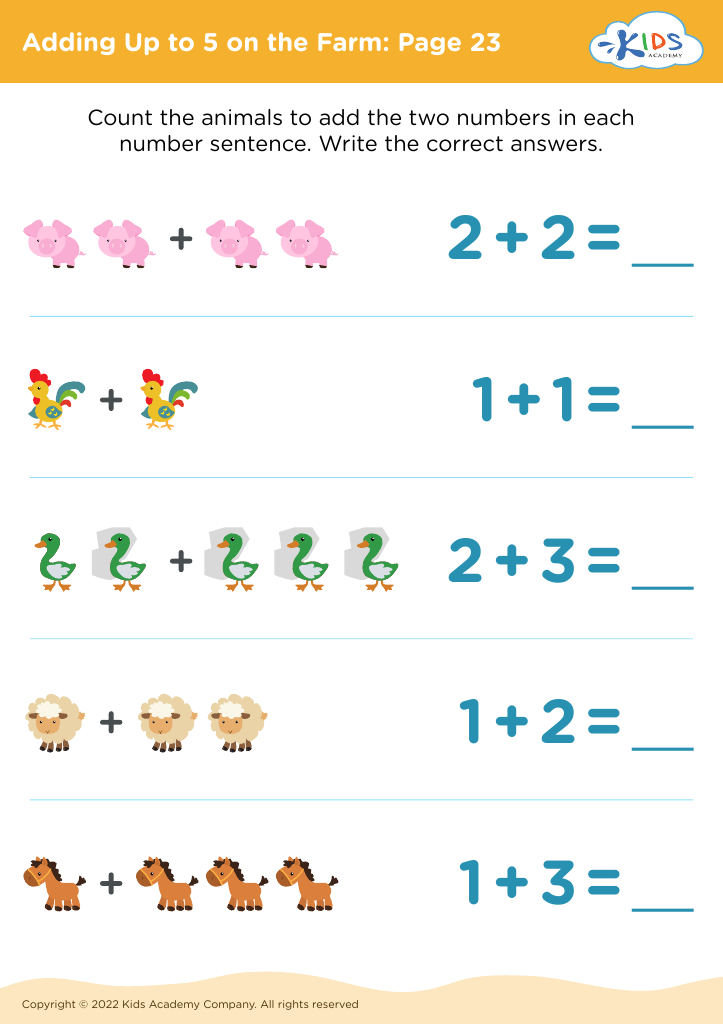
Adding Up to 5 on the Farm: Page 23
Worksheet
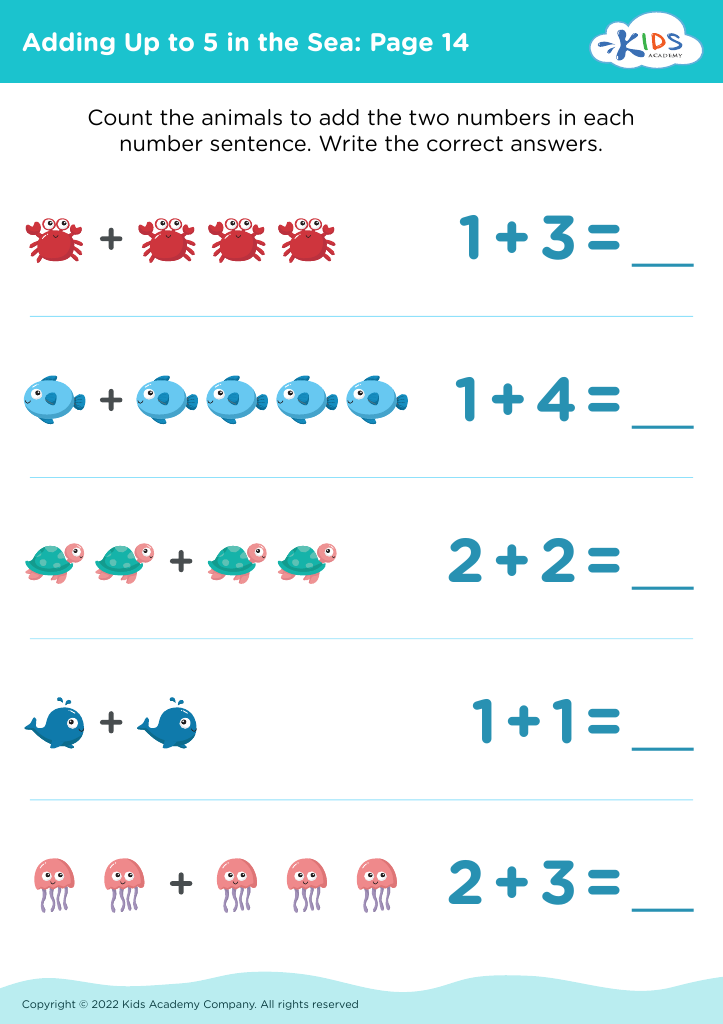
Adding Up to 5 in the Sea: Page 14
Worksheet
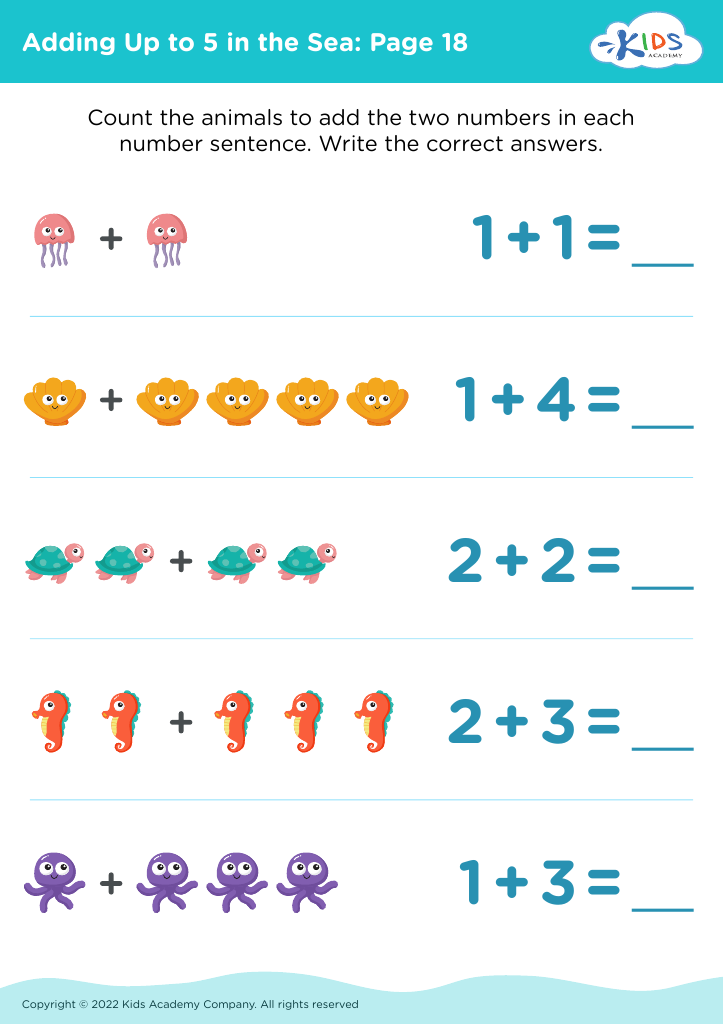
Adding Up to 5 in the Sea: Page 18
Worksheet
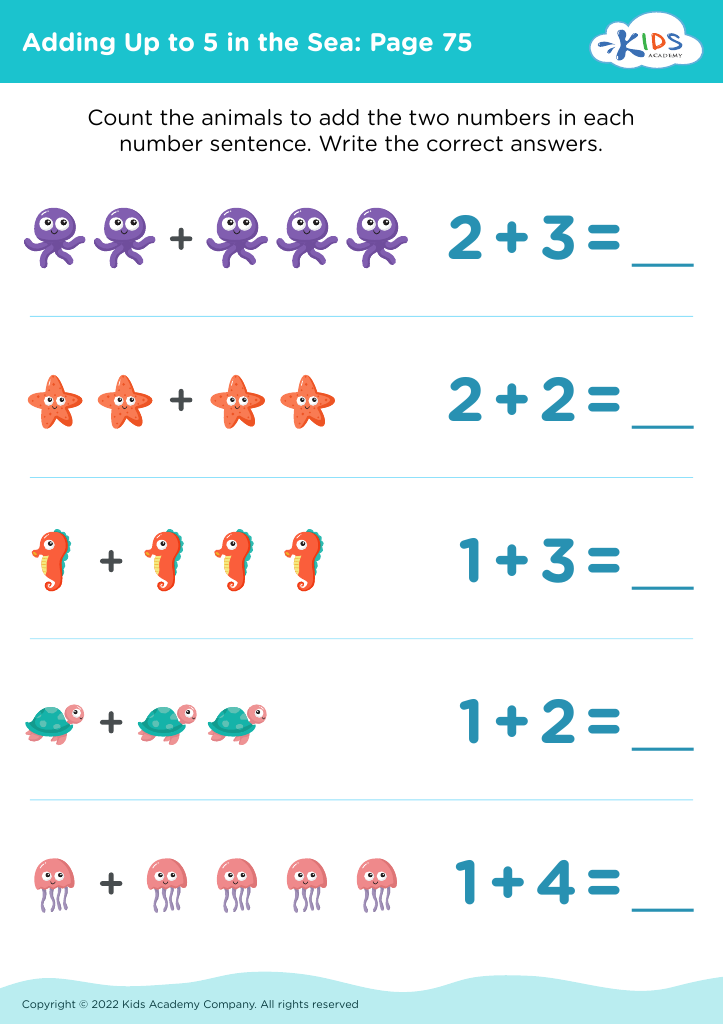
Adding Up to 5 in the Sea: Page 75
Worksheet
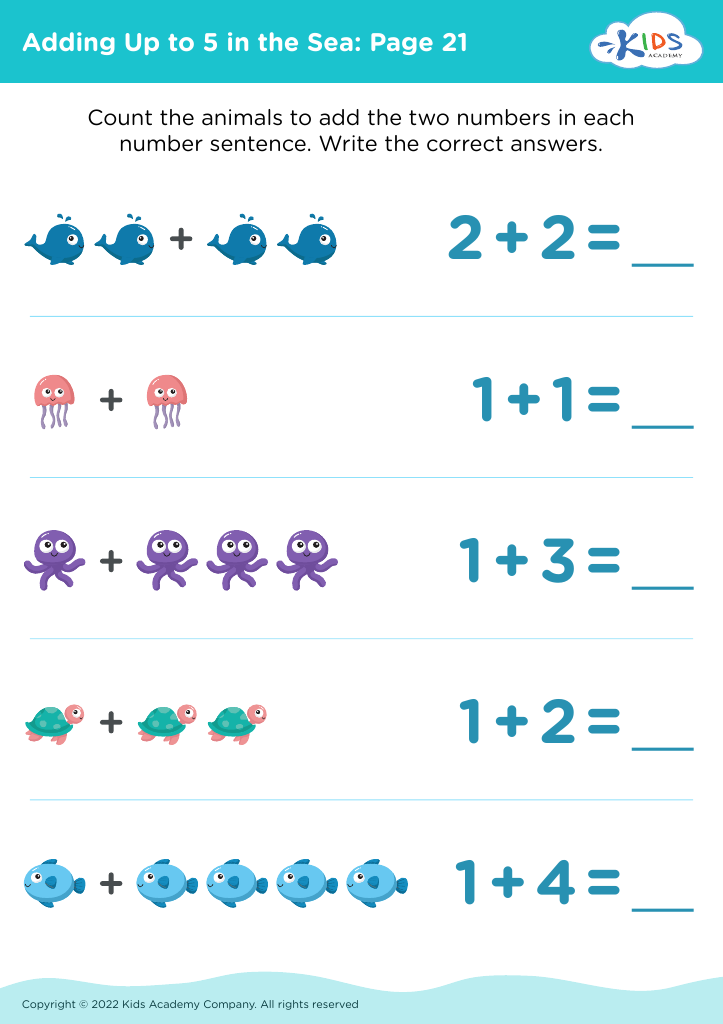
Adding Up to 5 in the Sea: Page 21
Worksheet
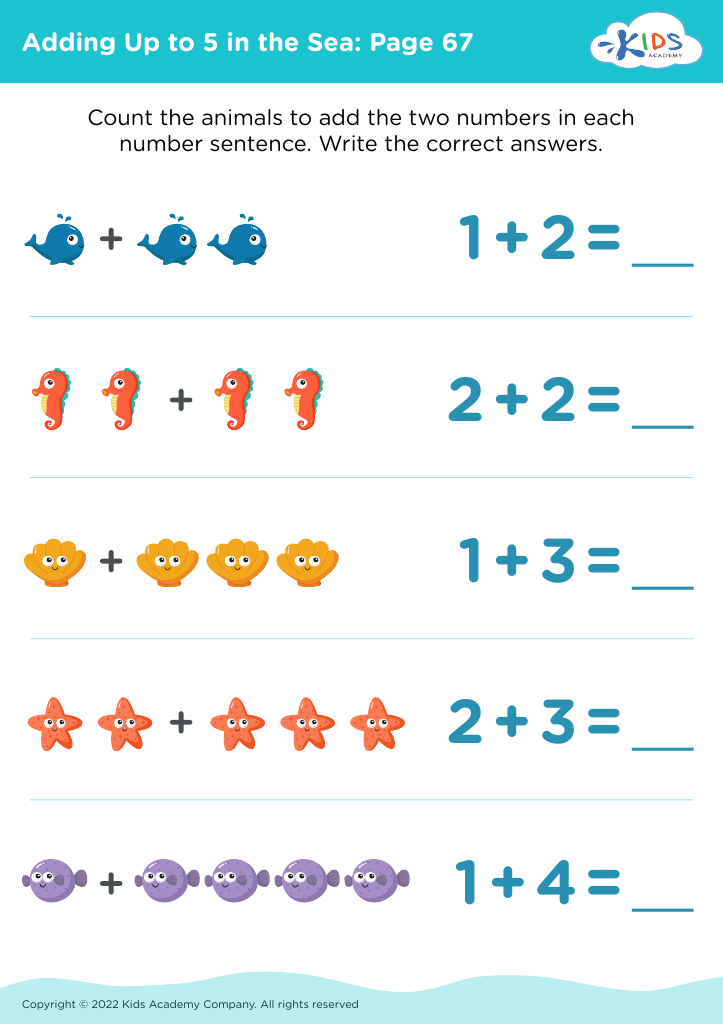
Adding Up to 5 in the Sea: Page 67
Worksheet
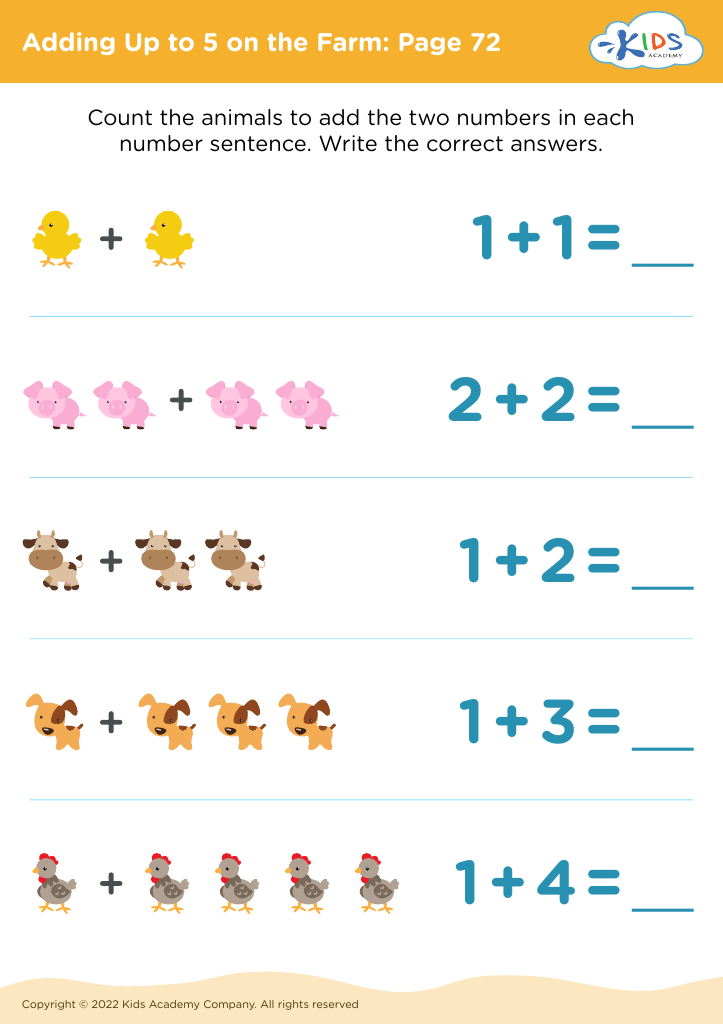
Adding Up to 5 on the Farm: Page 72
Worksheet
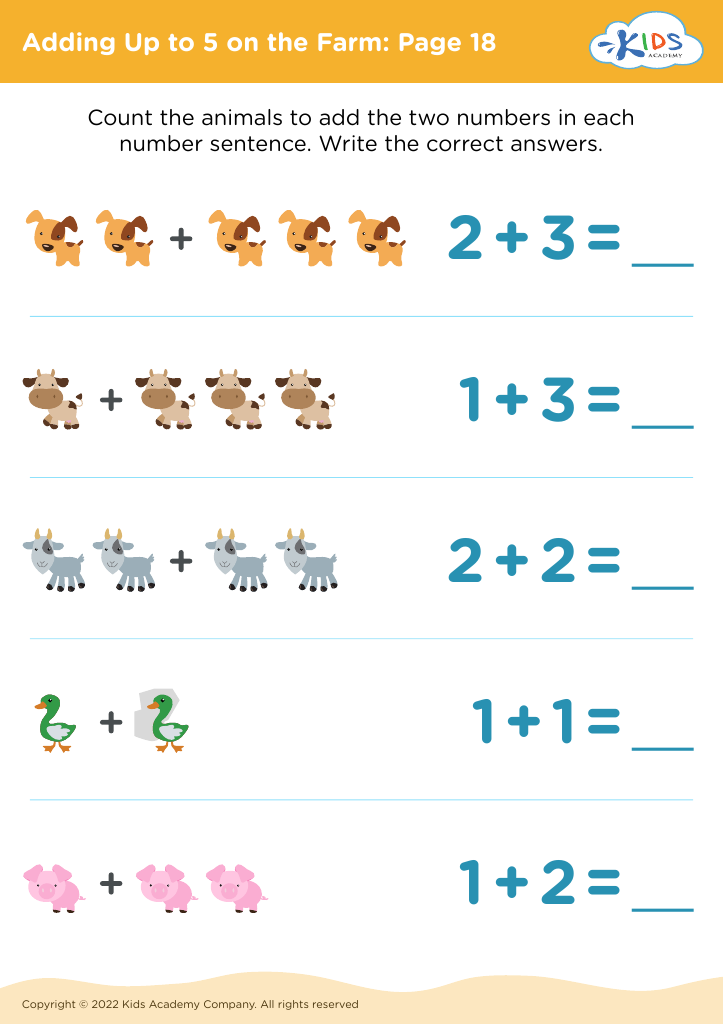
Adding Up to 5 on the Farm: Page 18
Worksheet
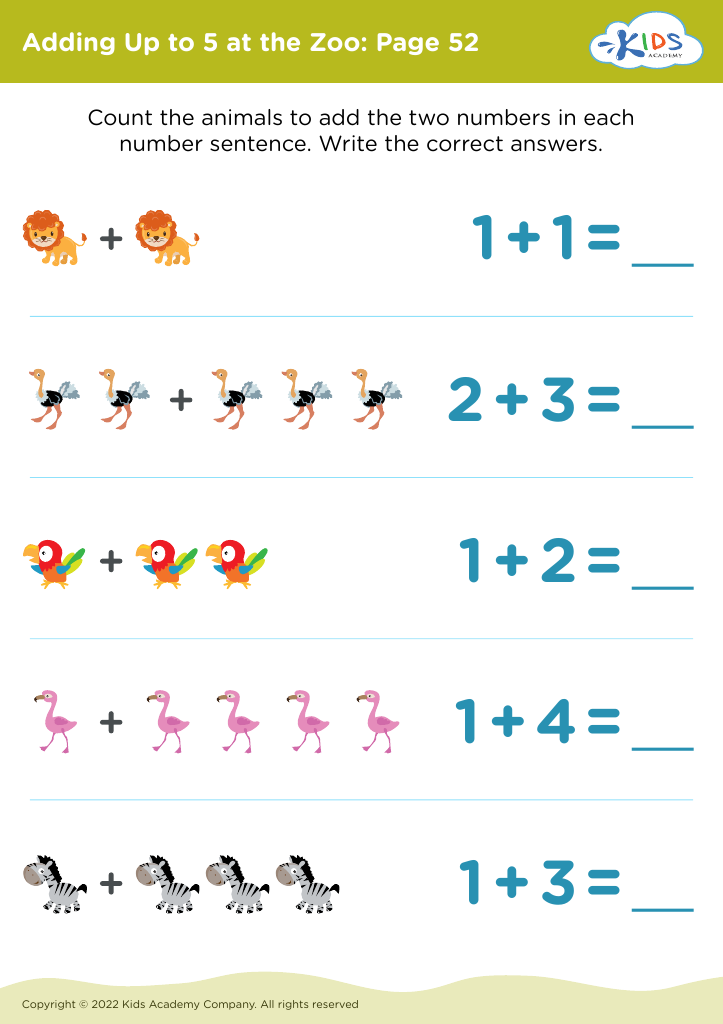
Adding Up to 5 at the Zoo: Page 52
Worksheet
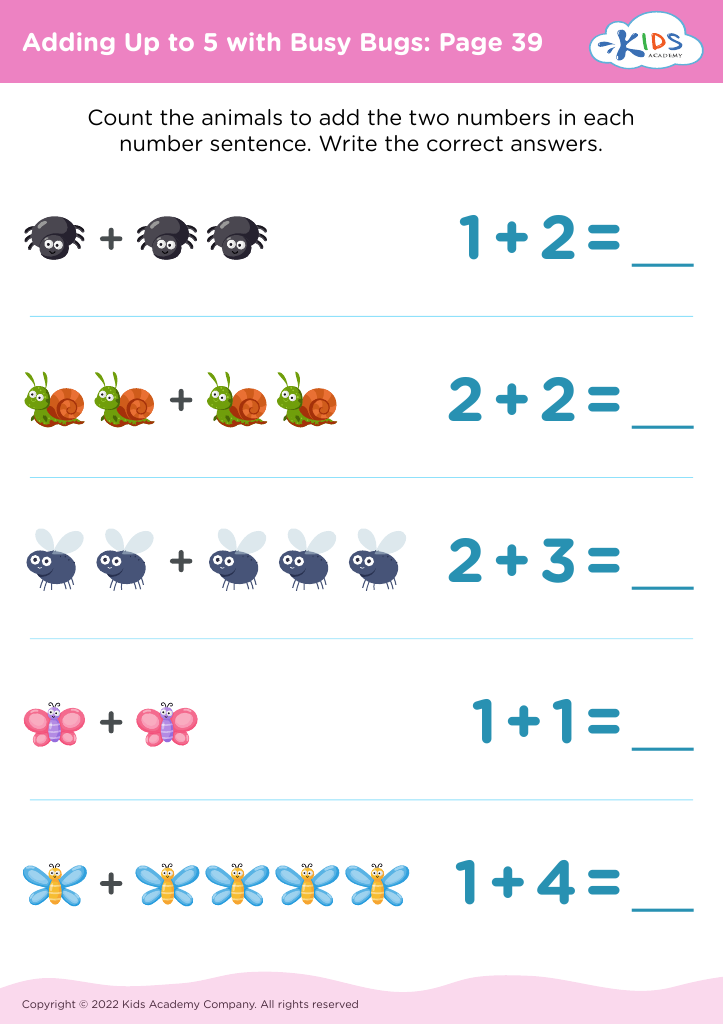
Adding Up to 5 with Busy Bugs: Page 39
Worksheet
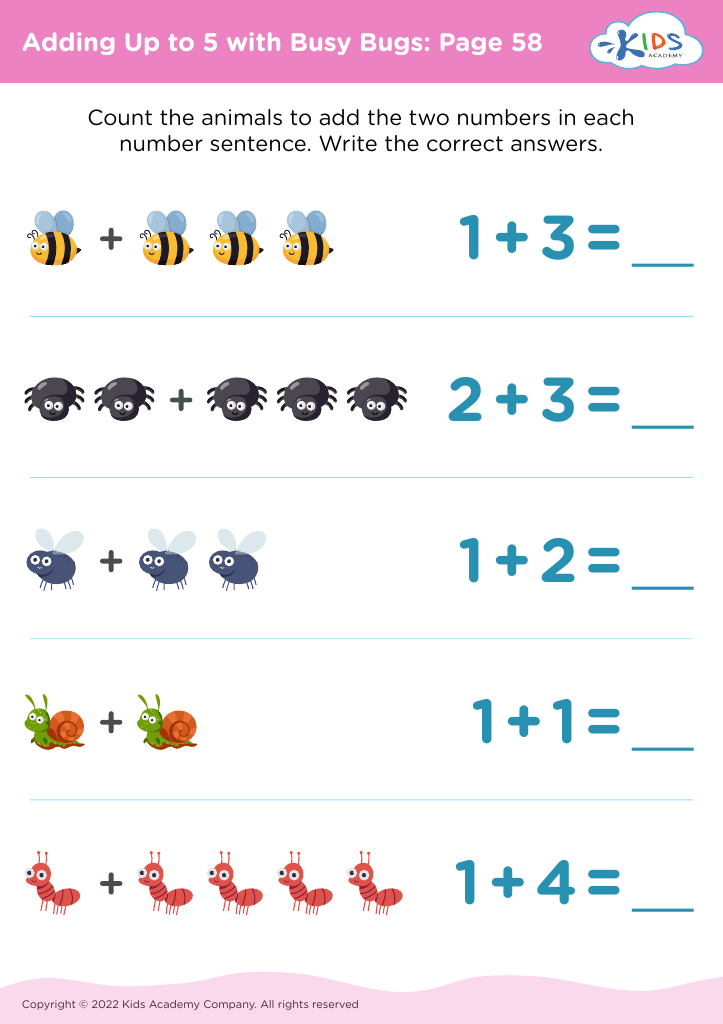
Adding Up to 5 with Busy Bugs: Page 58
Worksheet
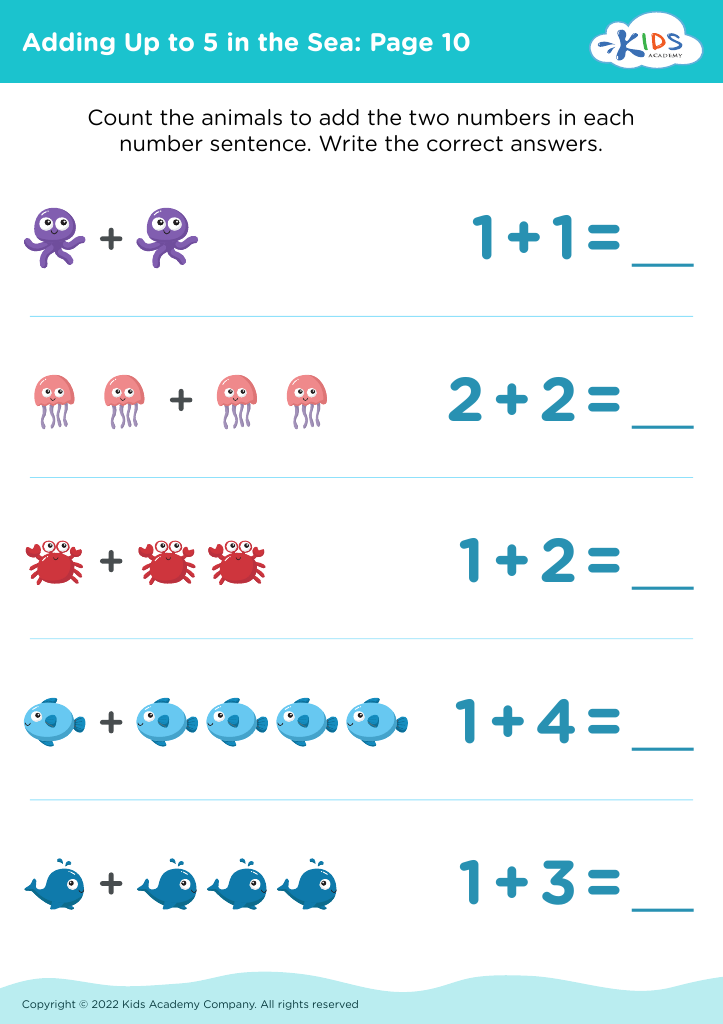
Adding Up to 5 in the Sea: Page 10
Worksheet
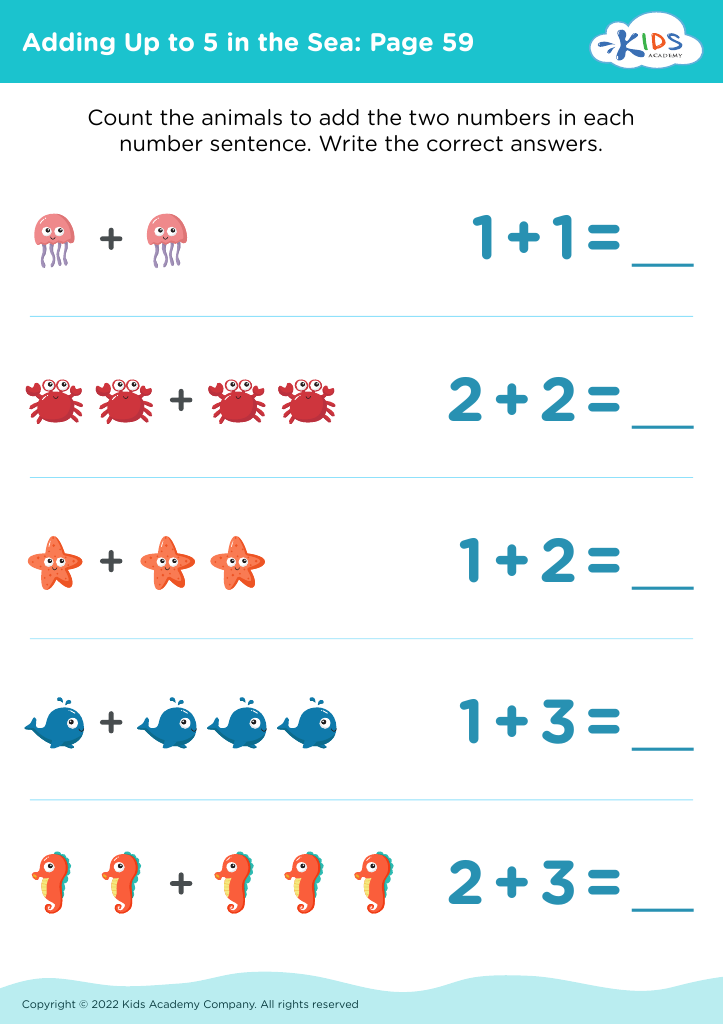
Adding Up to 5 in the Sea: Page 59
Worksheet
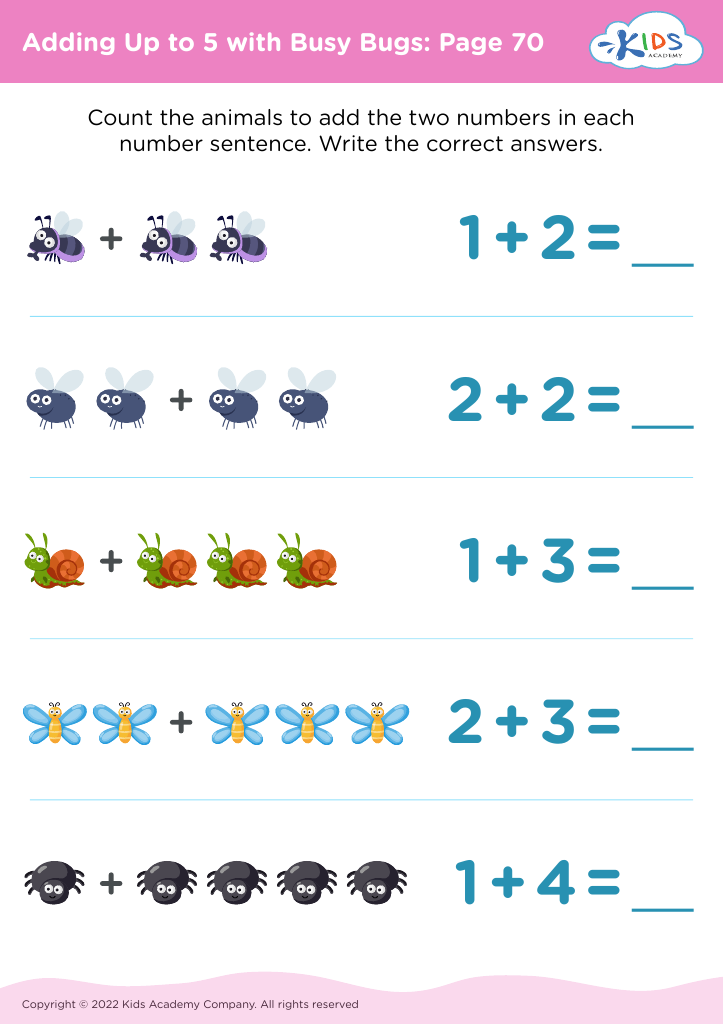
Adding Up to 5 with Busy Bugs: Page 70
Worksheet
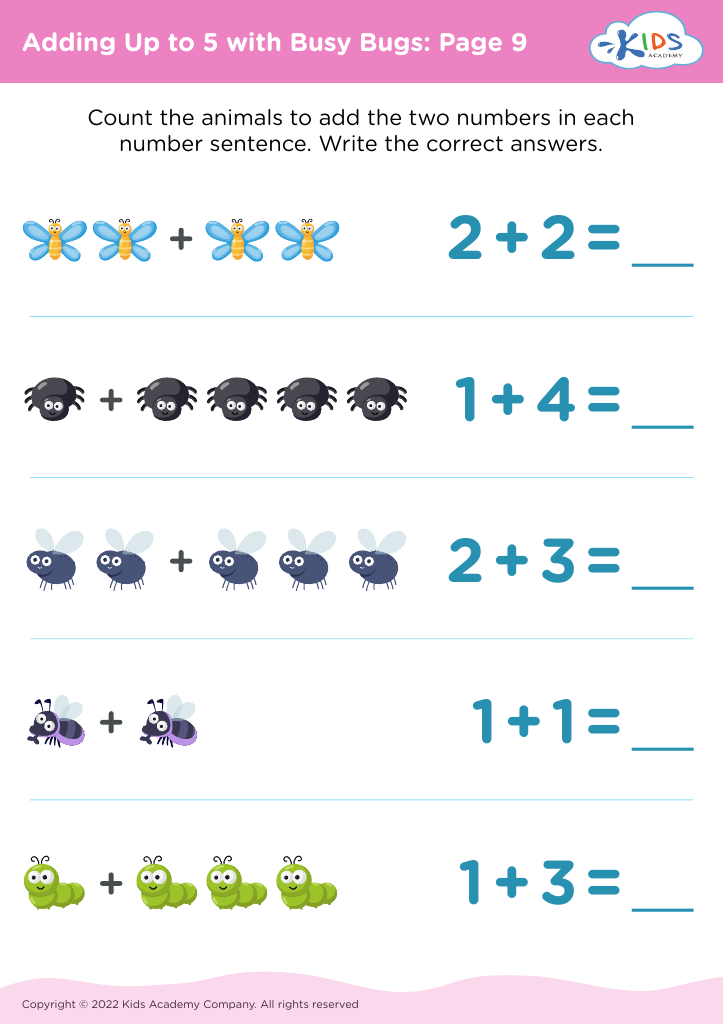
Adding Up to 5 with Busy Bugs: Page 9
Worksheet


Visual learning math for 3-year-olds is crucial because it taps into the natural way young children engage with the world around them. At this age, kids are primarily visual learners, meaning they absorb information best through images, shapes, and hands-on experiences. Incorporating visual elements in math education makes abstract concepts tangible and relatable.

Using colorful manipulatives, charts, and interactive tools not only piques children's interest but also helps them develop foundational math skills such as counting, sorting, and recognizing patterns. This early introduction to mathematics promotes cognitive development, as children begin to understand spatial awareness and numerical relationships.

Moreover, visual learning fosters a love for mathematics by creating a positive and enjoyable learning environment. Parents and teachers can enhance critical thinking skills and problem-solving abilities when they use visuals, paving the way for lifelong learning and confidence in math.

By engaging children in visual math activities, both parents and teachers play vital roles in building essential skills early on, ensuring that children are more prepared for future academic challenges. Ultimately, focusing on visual learning in math lays a solid groundwork for future success not only in mathematics but also in broader educational pursuits.