Counting skills Matching Worksheets for 3-Year-Olds
8 filtered results
-
From - To
Boost your child's counting skills with our engaging Matching Worksheets designed specifically for 3-year-olds! These fun and interactive worksheets help young learners associate numbers with the corresponding quantity, enhancing their understanding of basic math concepts. Perfect for both home and classroom environments, our worksheets promote number recognition and cognitive development while making learning enjoyable. With colorful illustrations and simple instructions, children will love matching numbers to groups of objects, paving the way for a solid math foundation. Explore our collection to provide your little ones with the essential skills they need to embrace early learning with confidence!
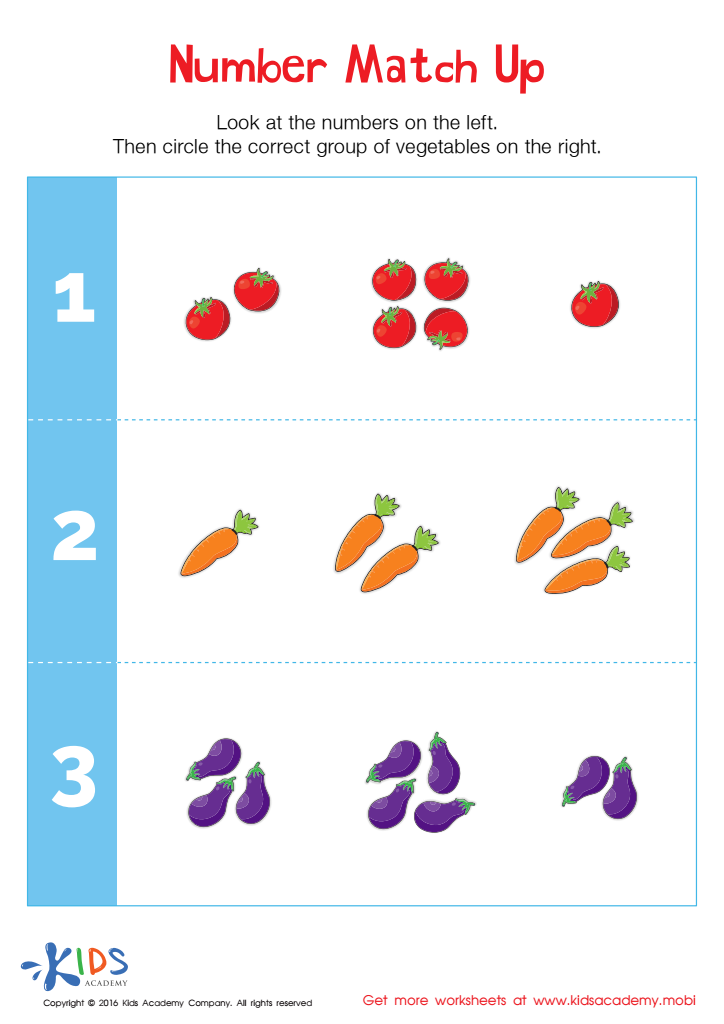
Number Match Up Worksheet
 Assign to My Students
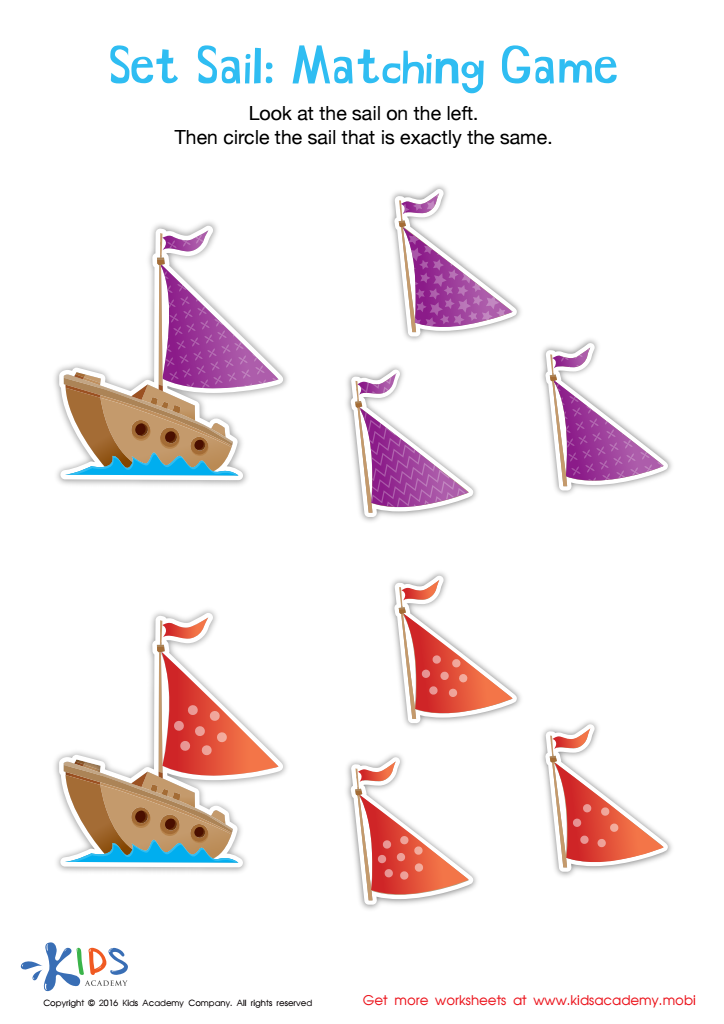
Set Sail Worksheet
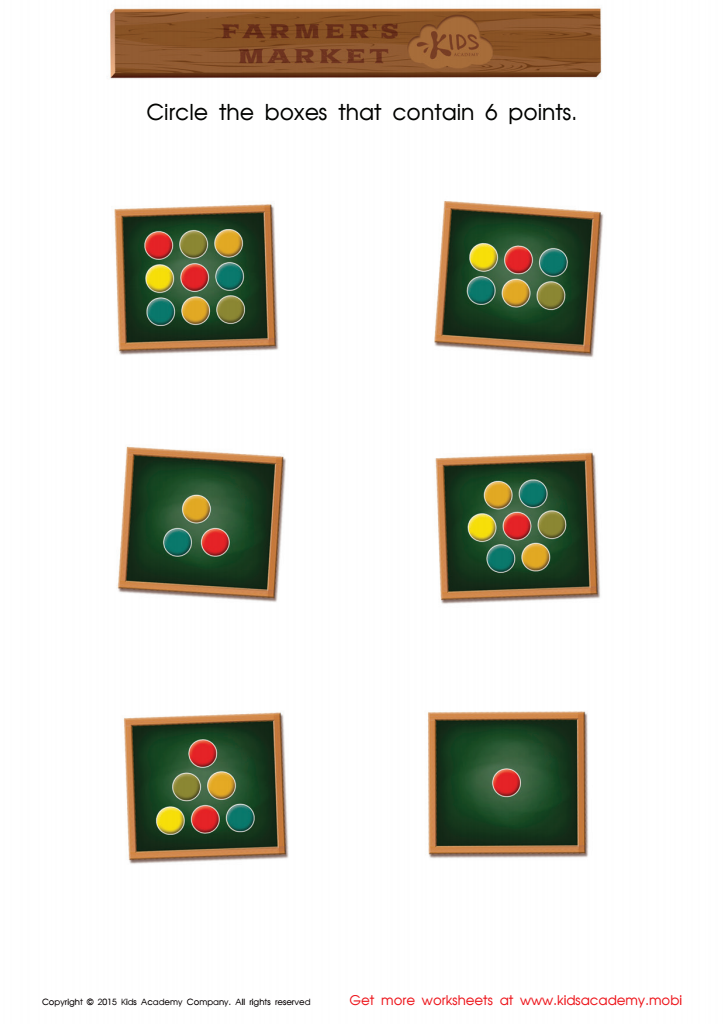
Count and Match Points 6 Math Worksheet
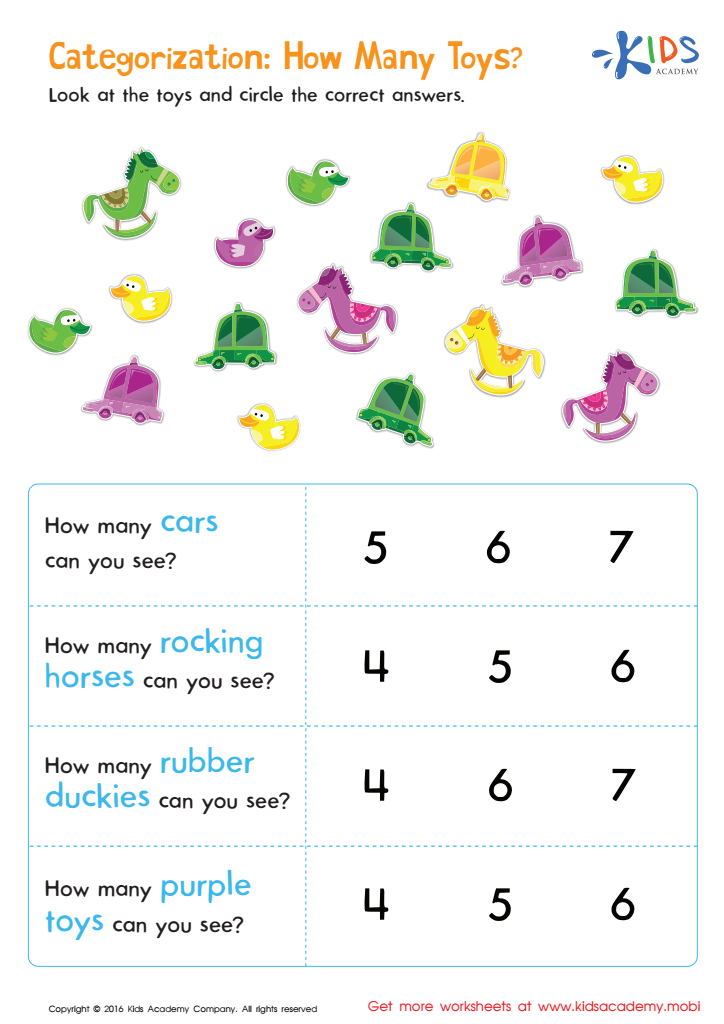
Classifying Toys by Type and Color Sorting Worksheet
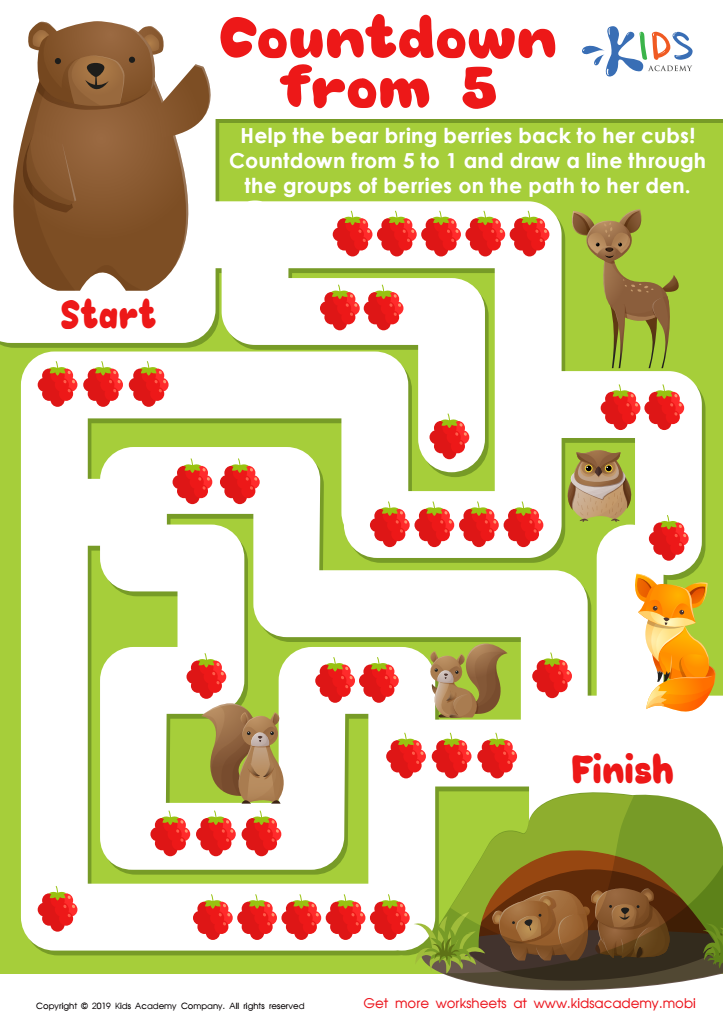
Countdown from 5 Worksheet
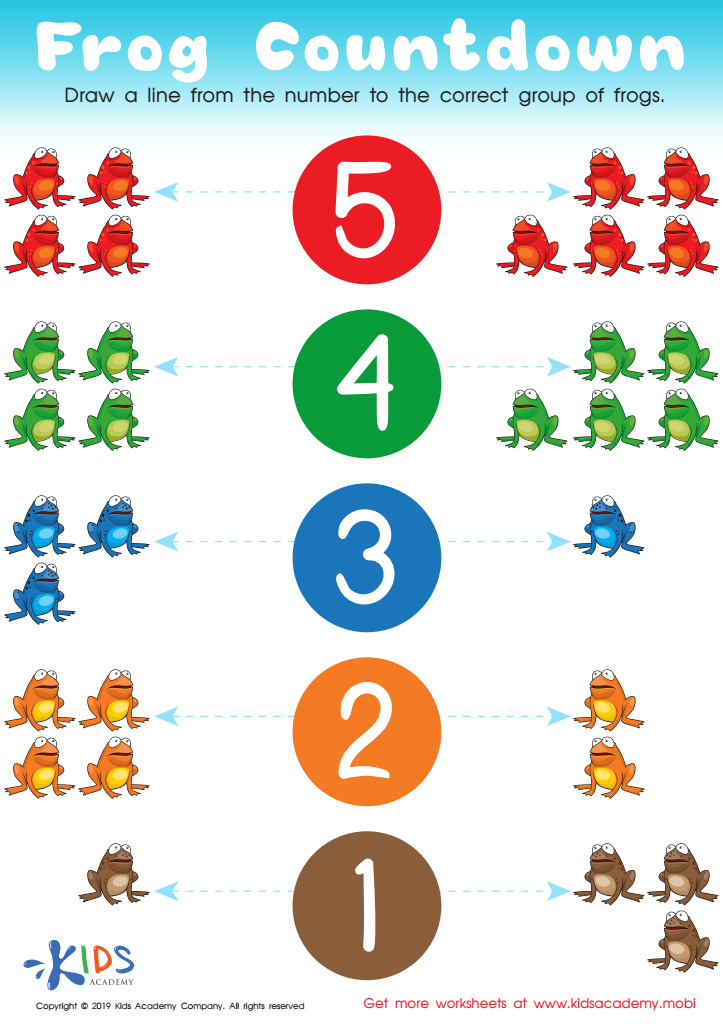
Frog Countdown Worksheet
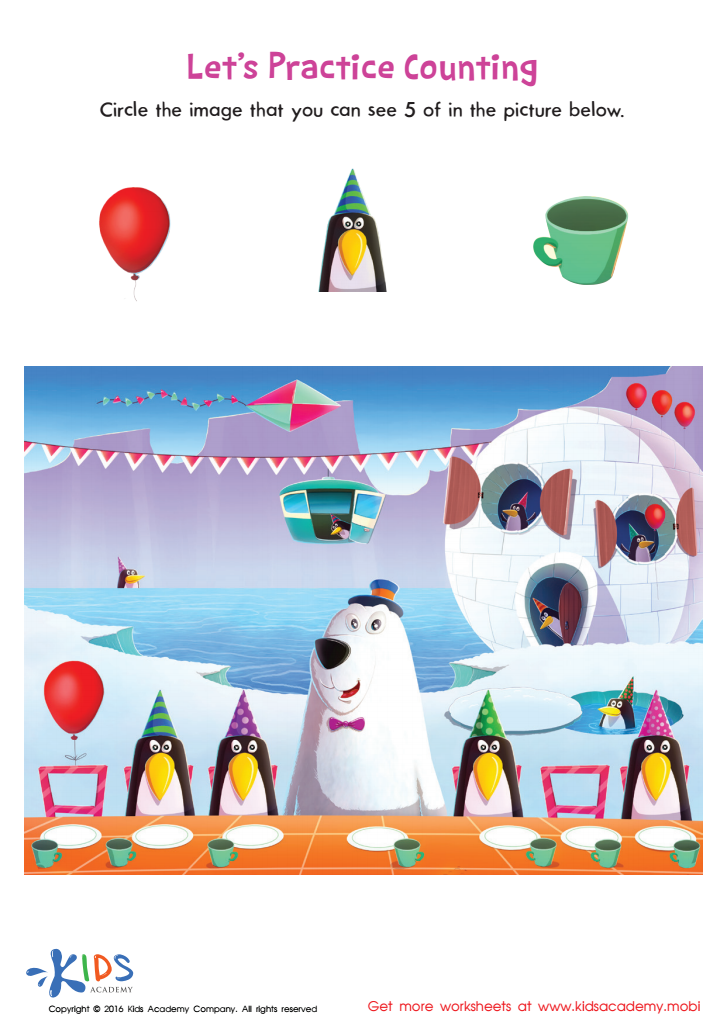
Counting Worksheet: Let's Practice Counting
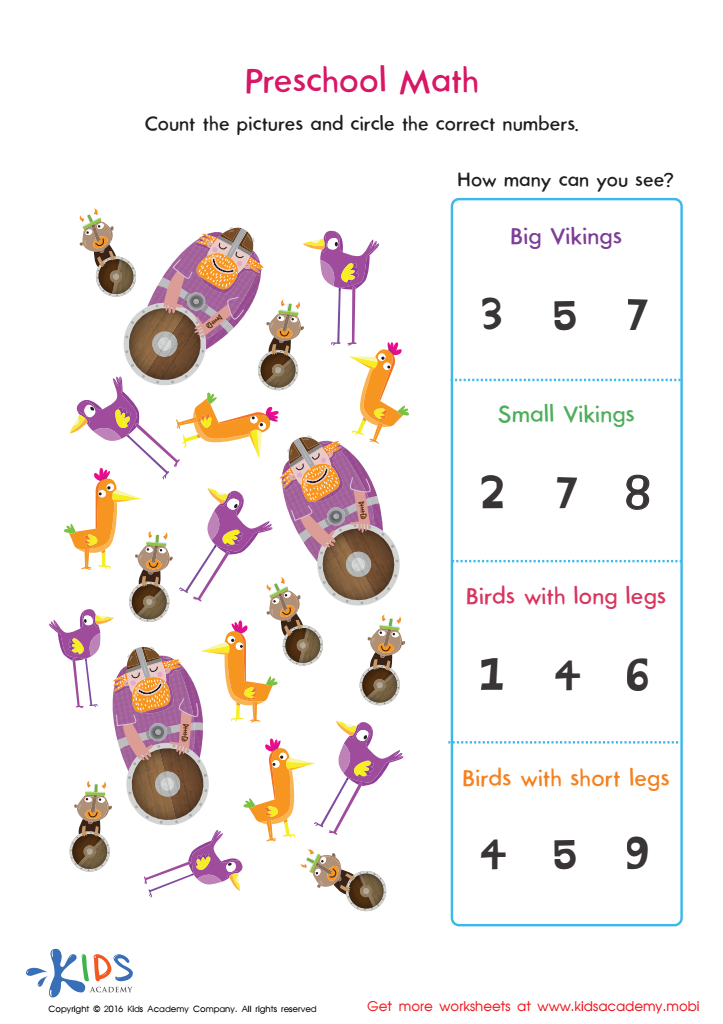







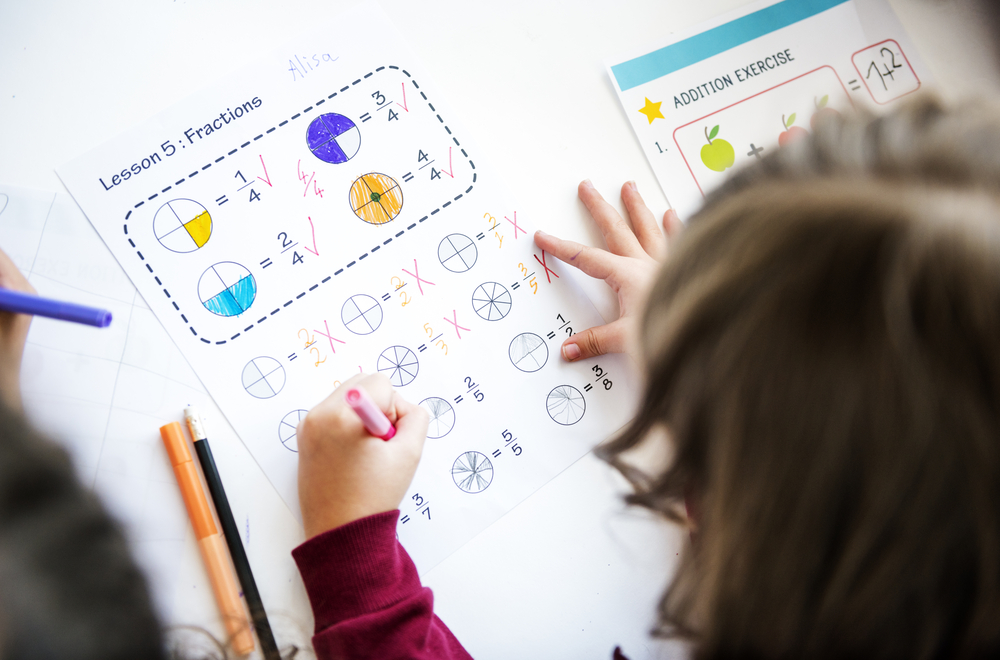
Counting skills and matching activities are crucial for the early developmental stage of a 3-year-old, laying a strong foundation for future mathematical understanding. Parents and teachers should care about these skills because they not only support cognitive development but also foster essential problem-solving abilities.
At this age, children are naturally curious and eager to explore numbers and patterns. Engaging them in counting and matching activities promotes number recognition, improves fine motor skills, and enhances their attention spans. These activities help children understand the concept of one-to-one correspondence, essential for early math learning. Additionally, matching promotes cognitive connections between similar items and strengthens their ability to categorize information.
Furthermore, counting and matching activities encourage social skills. When children work with peers or adults on these tasks, they learn cooperation, sharing, and turn-taking. This social interaction also enhances language skills as they discuss what they’re doing while counting or matching.
By prioritizing these skills, parents and teachers nurture a love for learning and prepare children for future academic success. A solid foundation in counting and matching not only supports mathematical abilities but also builds confidence that transcends into other areas of learning as children grow.








