Problem-Solving Skills Two-step Word Problems Worksheets for 3-Year-Olds
12 filtered results
-
From - To
Explore our engaging "Problem-Solving Skills Two-Step Word Problems Worksheets," designed specifically for 3-year-olds! These worksheets introduce young learners to the exciting world of math through fun and interactive scenarios. By tackling two-step word problems, children enhance their critical thinking and reasoning skills while enjoying captivating stories and characters. Each activity is tailored to ensure educational play, helping kids develop a strong foundation in problem-solving. Perfect for early learners, these worksheets promote independent thinking and foster a positive attitude towards math. Start your child’s mathematical journey today! Dive into our resources and watch their skills flourish!
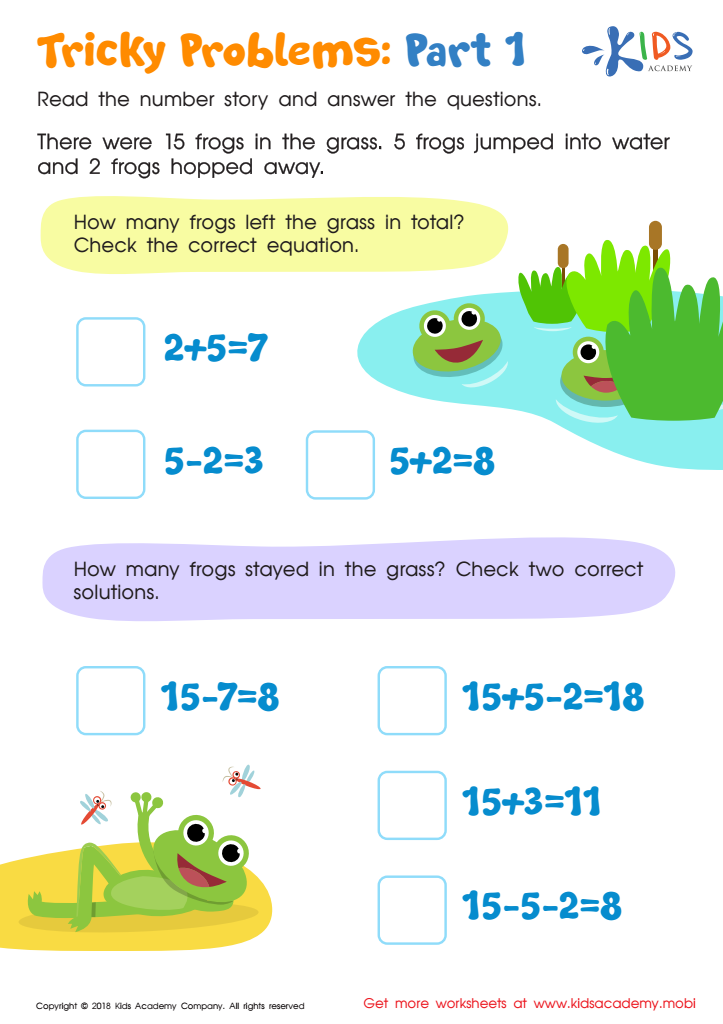
Tricky Problems Worksheet: Part 1
 Assign to My Students
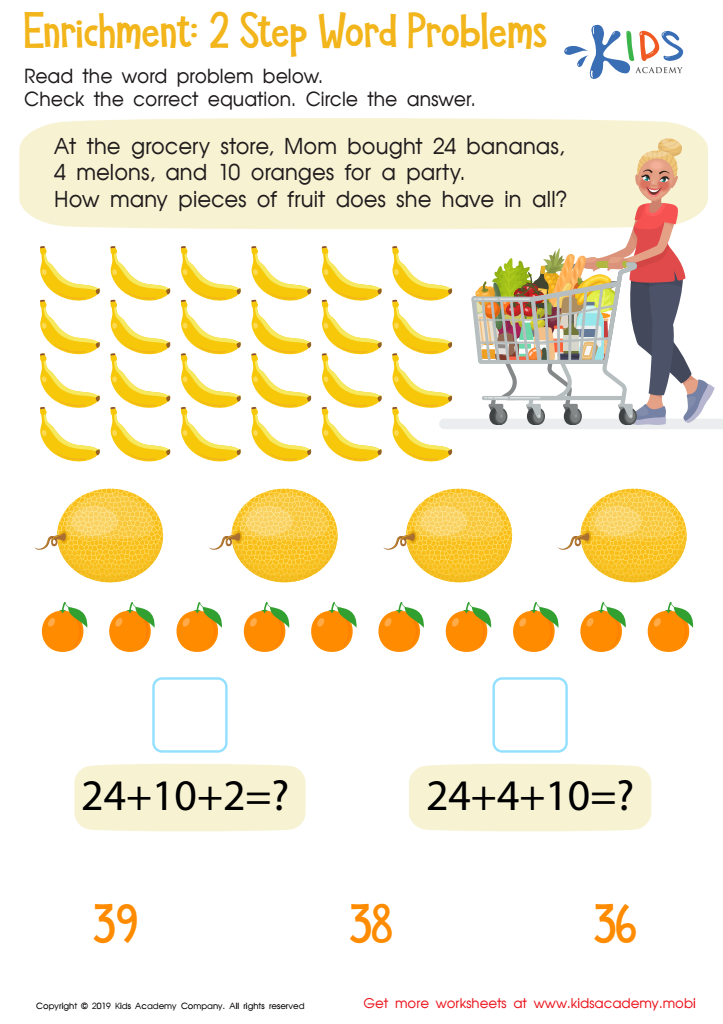
Enrichment -2 Step Word Problems Worksheet
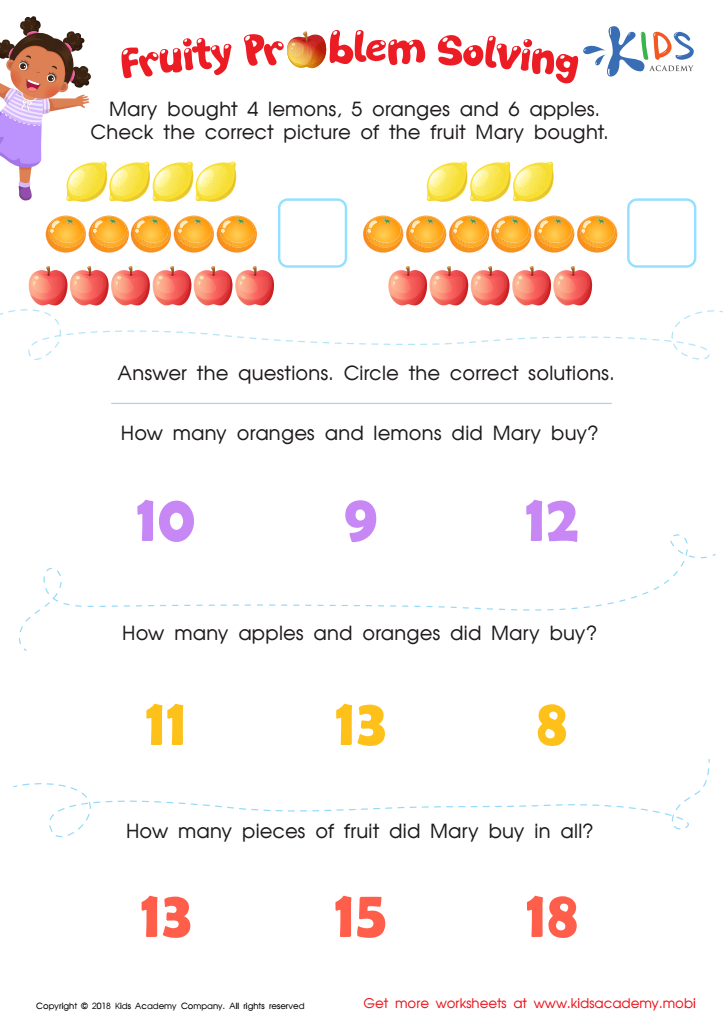
Fruity Problem Solving Worksheet
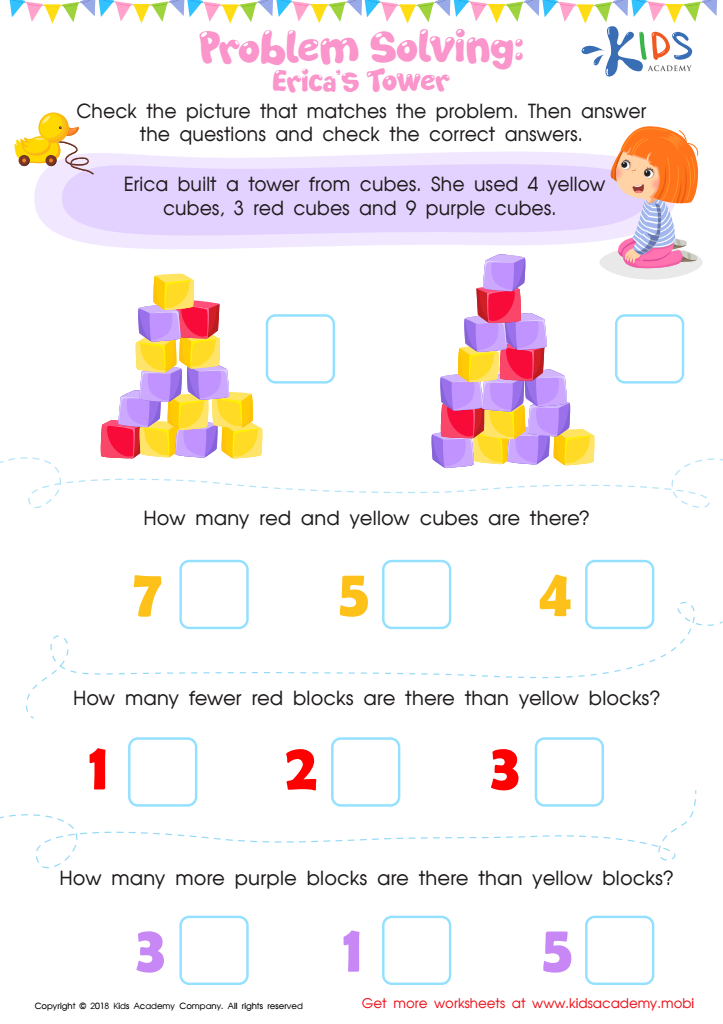
Problem Solving: Erica's Tower Worksheet
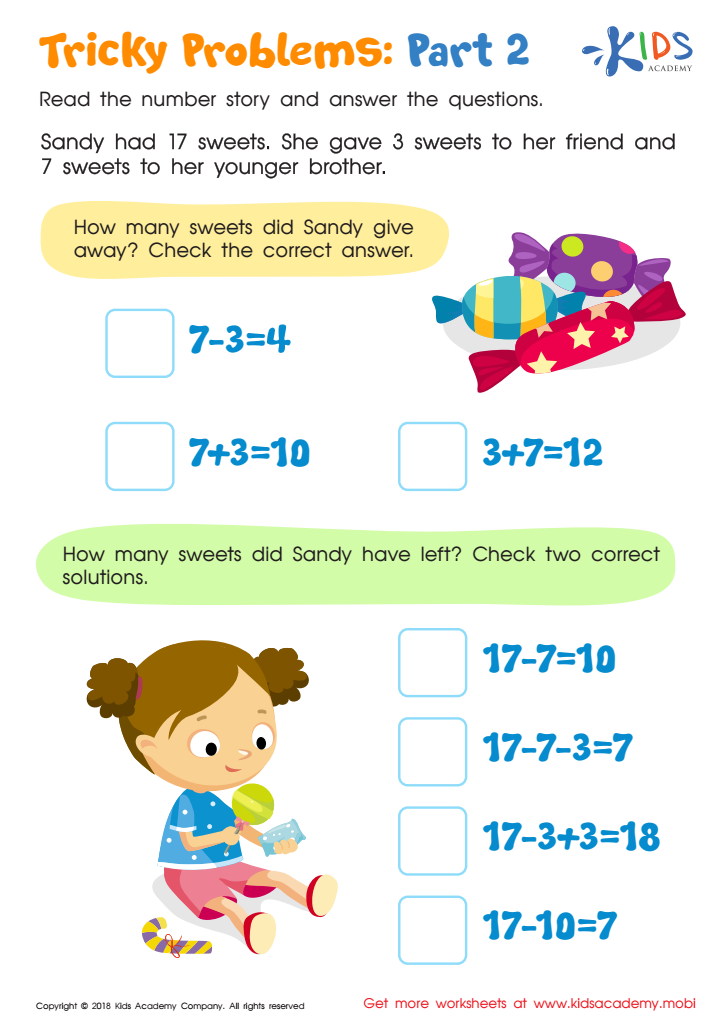
Tricky Problems Worksheet: Part 2
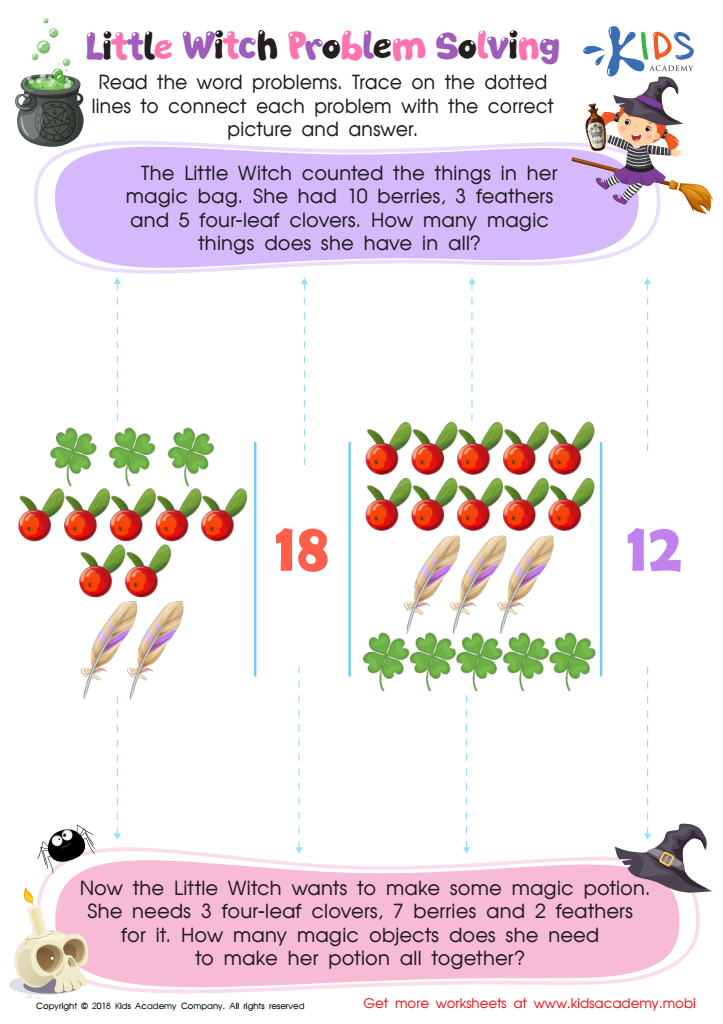
Little Witch Problem Solving Worksheet
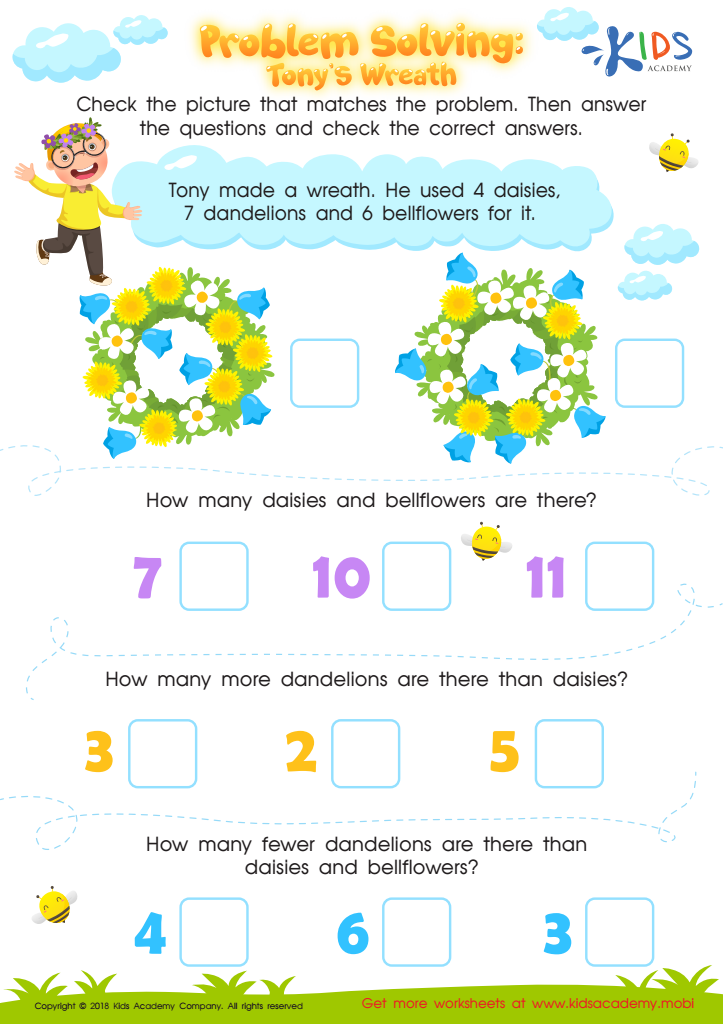
Problem Solving: Tony's Wreath Worksheet
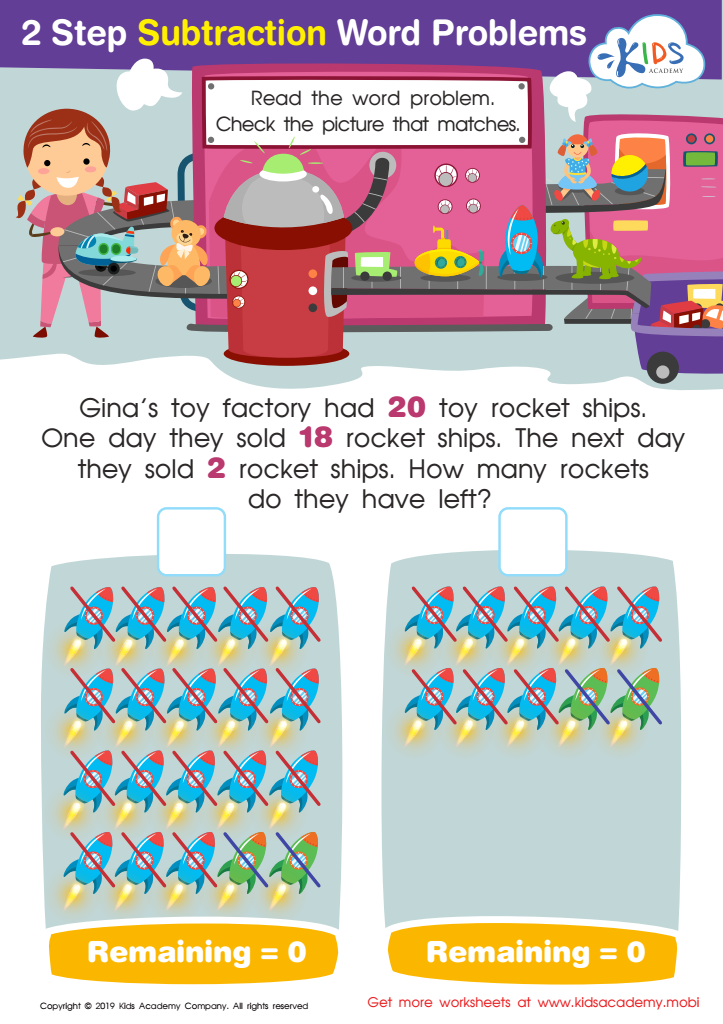
Step Subtraction Word Problems Worksheet
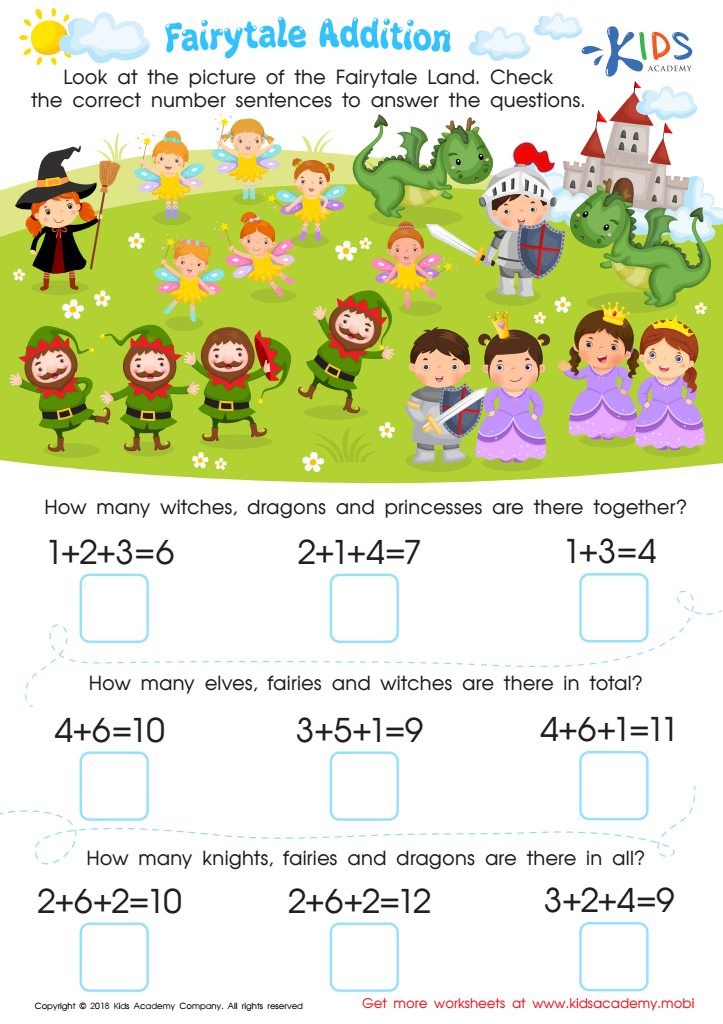
Fairytale Addition Worksheet
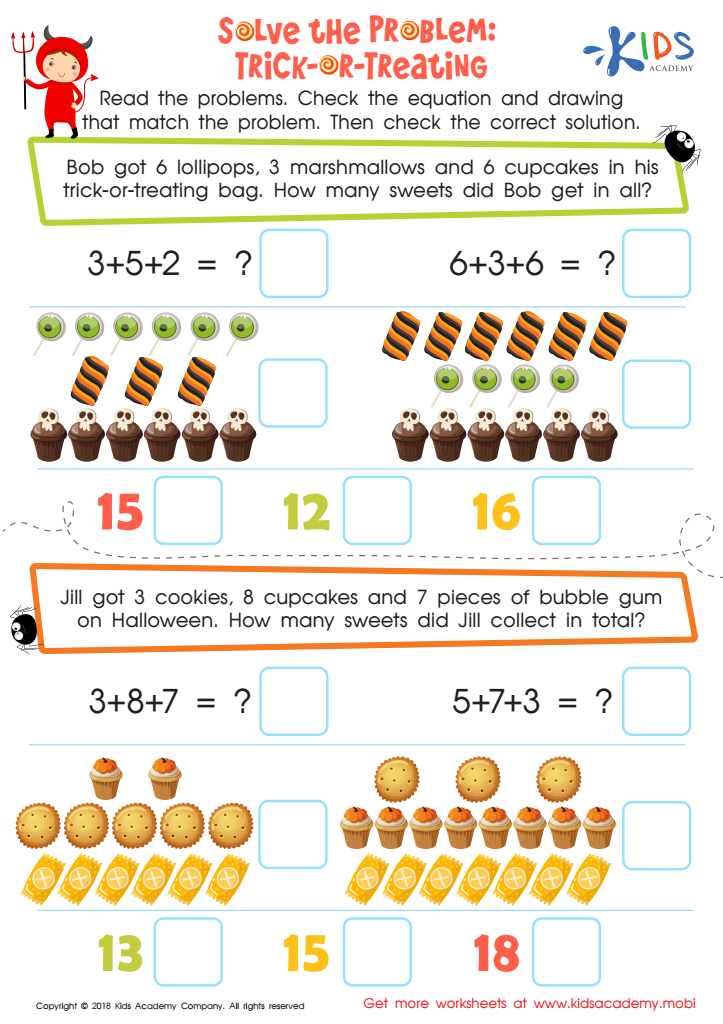
Solve the Problem: Trick–or–treating Worksheet
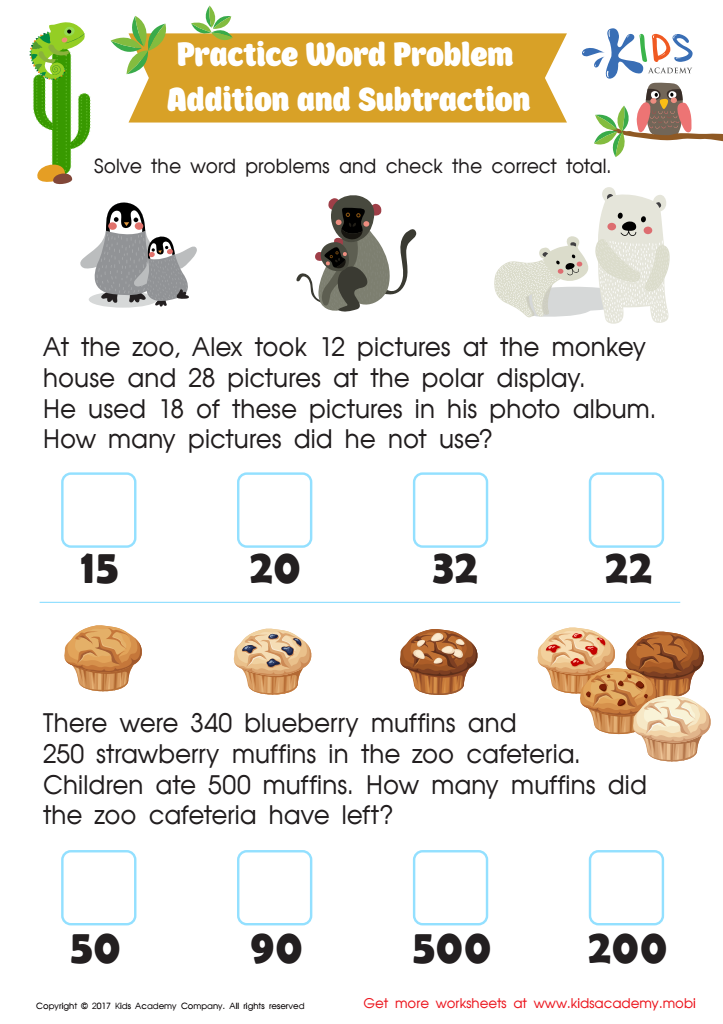
Addition and Subtraction: Word Problems Worksheet
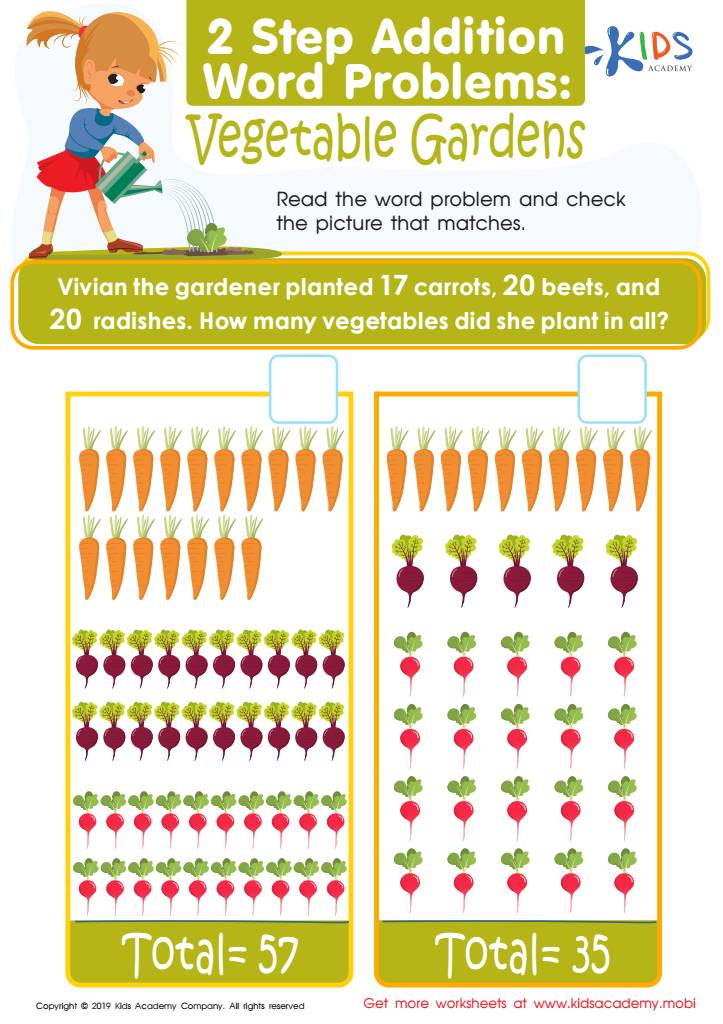
Vegetable Gardens Worksheet



Problem-solving skills are vital for early childhood development, and two-step word problems serve as an engaging way for 3-year-olds to acquire these skills. By introducing simple word problems, parents and teachers can foster critical thinking and mathematical reasoning in young learners. Developing these abilities early helps children to think logically, identify connections, and approach challenges methodically.
At this age, children are naturally curious and eager to learn, making it an ideal time to cultivate an interest in problem-solving. Two-step word problems encourage them to analyze situations, consider different elements, and formulate solutions. Rather than rote memorization, these problems enhance comprehension and application, which are foundational for later academic success.
Additionally, engaging with two-step word problems can improve language and communication skills, as children articulate their thought processes and learn mathematical vocabulary. This promotes a positive attitude toward learning, as parents and teachers can create a fun and supportive environment that values curiosity and exploration.
Ultimately, caring about the development of these skills is essential for building a strong educational foundation, nurturing a love for learning, and fostering independence as children navigate both academic and real-life situations.