Color recognition Nursery Rhymes Worksheets for 3-Year-Olds
7 filtered results
-
From - To
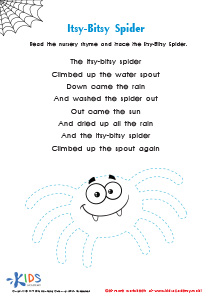
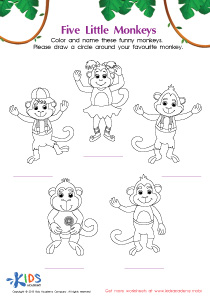
Introduce your little ones to the vibrant world of colors with our Color Recognition Nursery Rhymes Worksheets for 3-Year-Olds. These engaging and educational printables merge classic nursery rhymes with fun coloring activities designed to captivate young minds. Each worksheet targets color recognition, fine motor skills, and cognitive development by encouraging kids to identify and color various objects in familiar rhyming settings. Ideal for at-home learning or preschool classrooms, these worksheets provide a joyful learning experience that blends playful creativity with essential early learning skills. Foster a love of learning and color exploration in your child today!
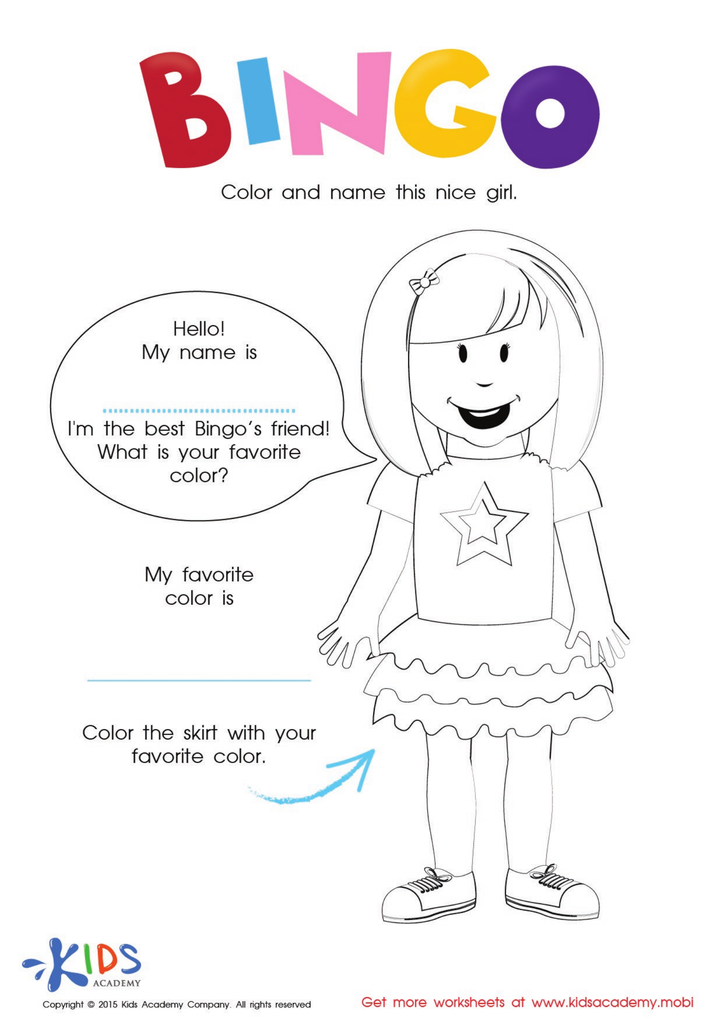
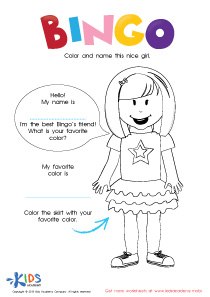
The Bingo Song: Coloring The Girl Worksheet
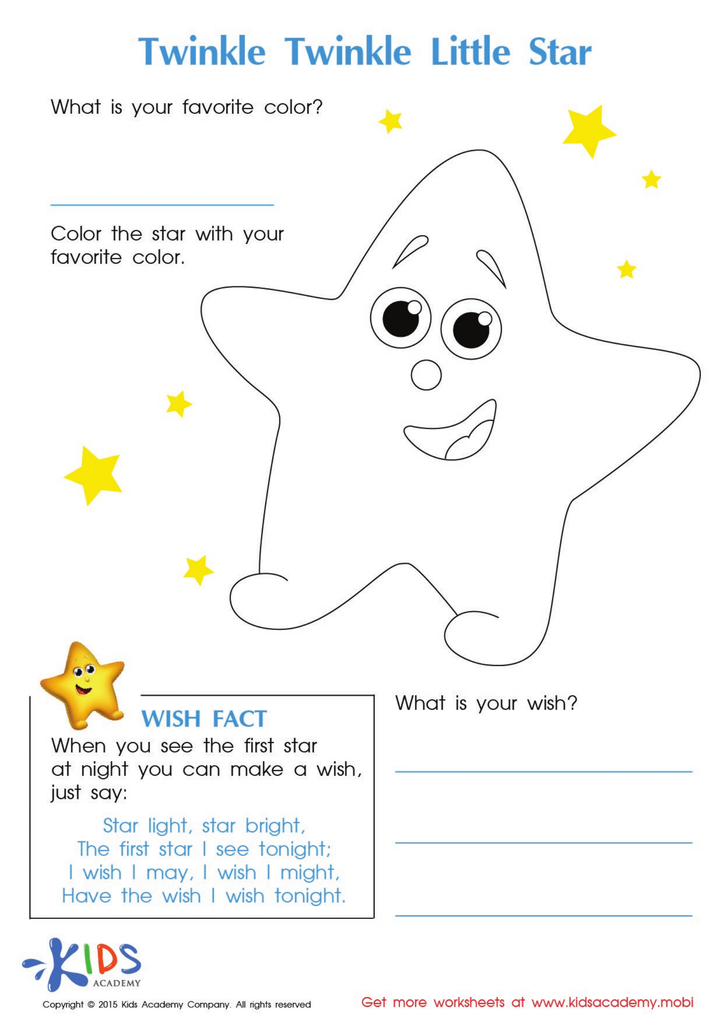
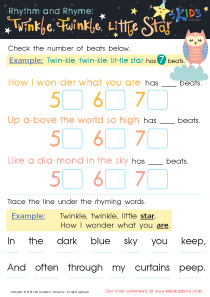
Twinkle Little Star Coloring Worksheet
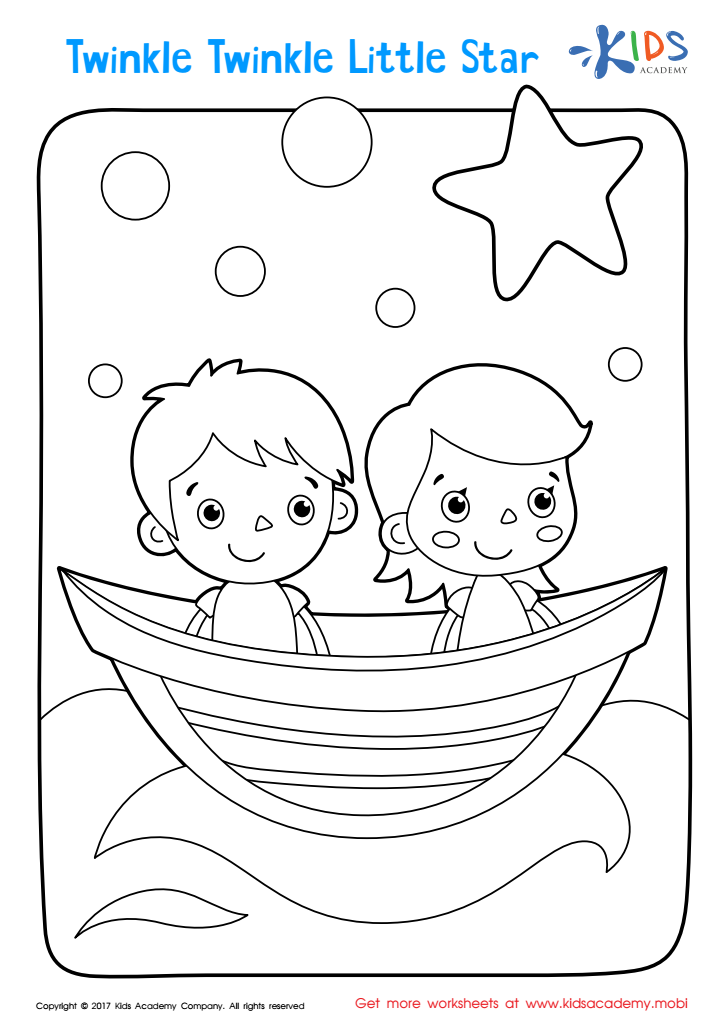
Twinkle Twinkle Little Star Coloring Page
 Assign to My Students
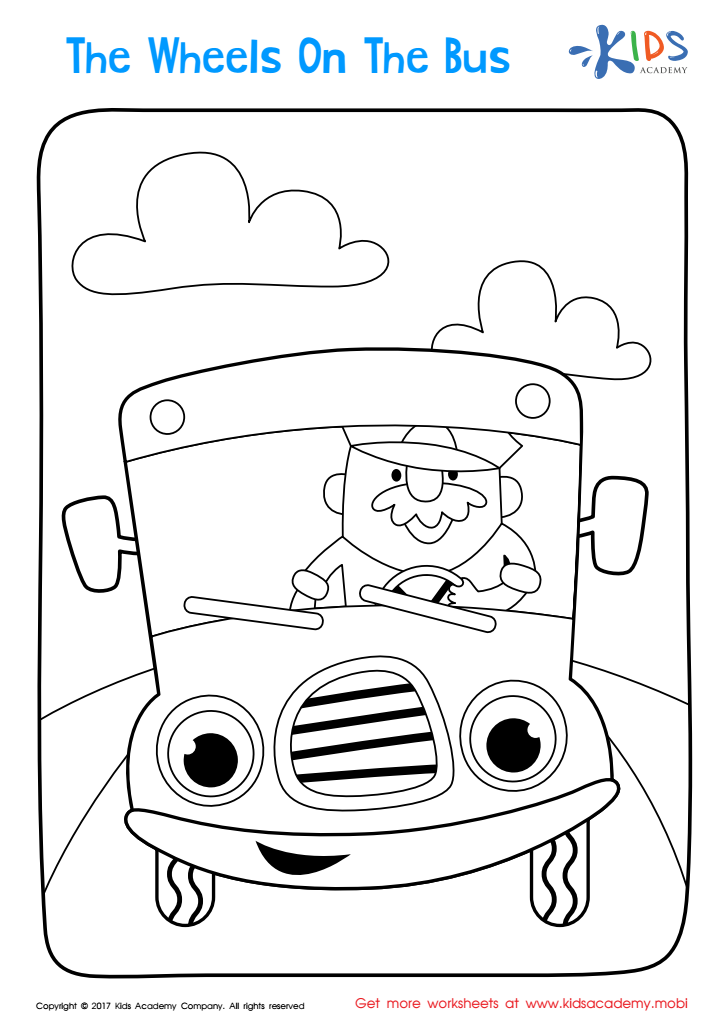
The Wheels on the Bus Coloring Page
Assign to My Students
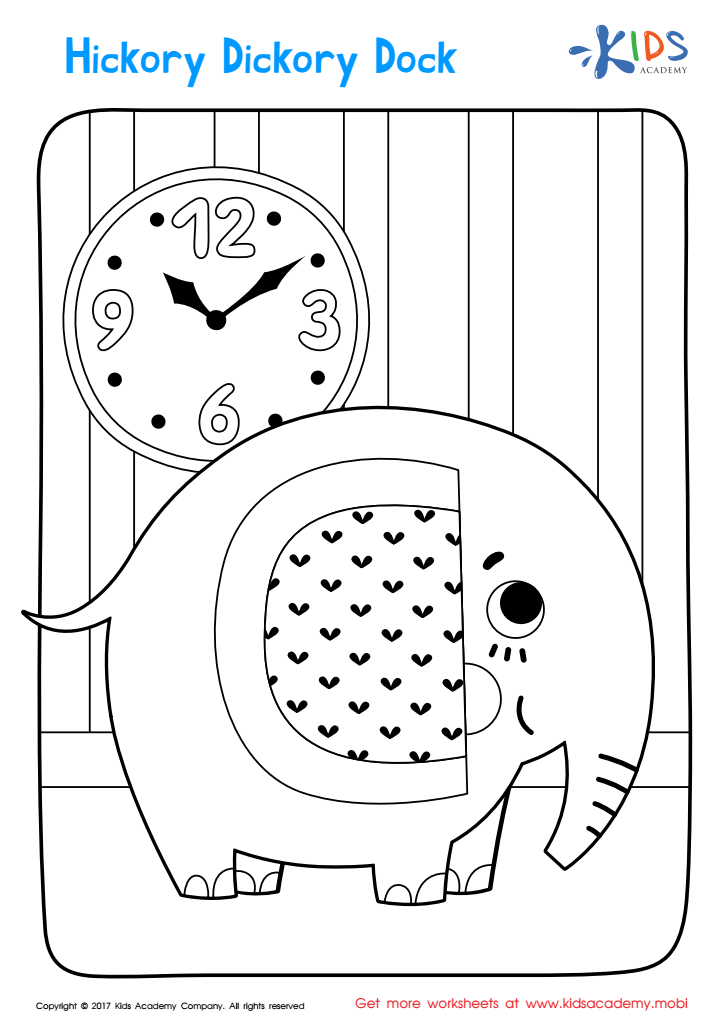
Hickory Dickory Dock Coloring Page
Assign to My Students
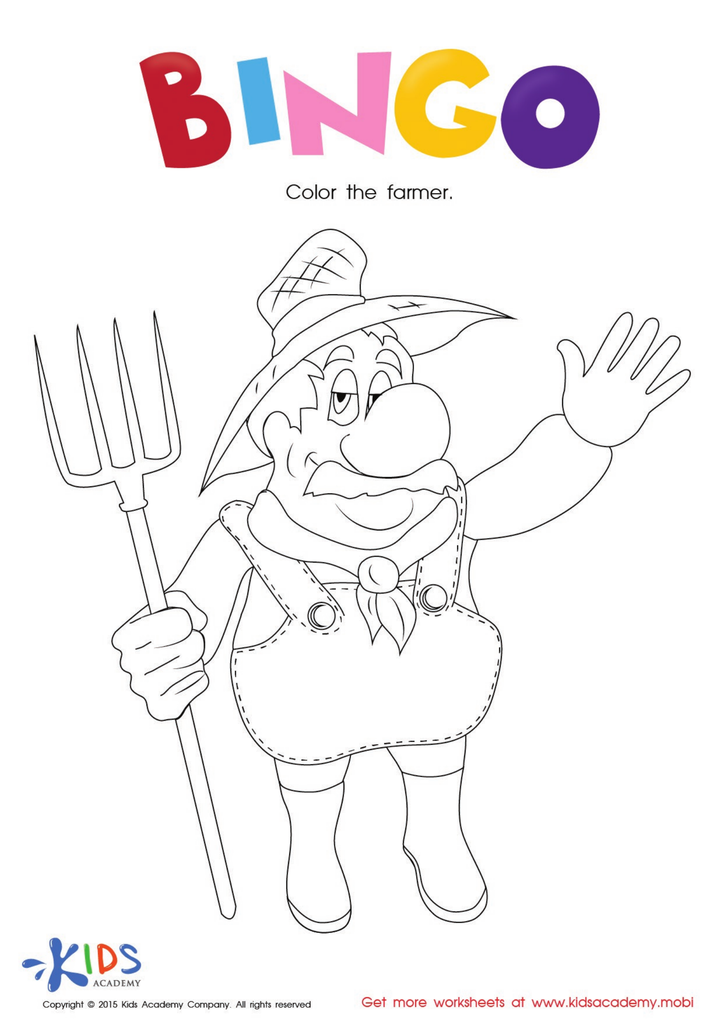
The Bingo Song: Coloring The Farmer Worksheet
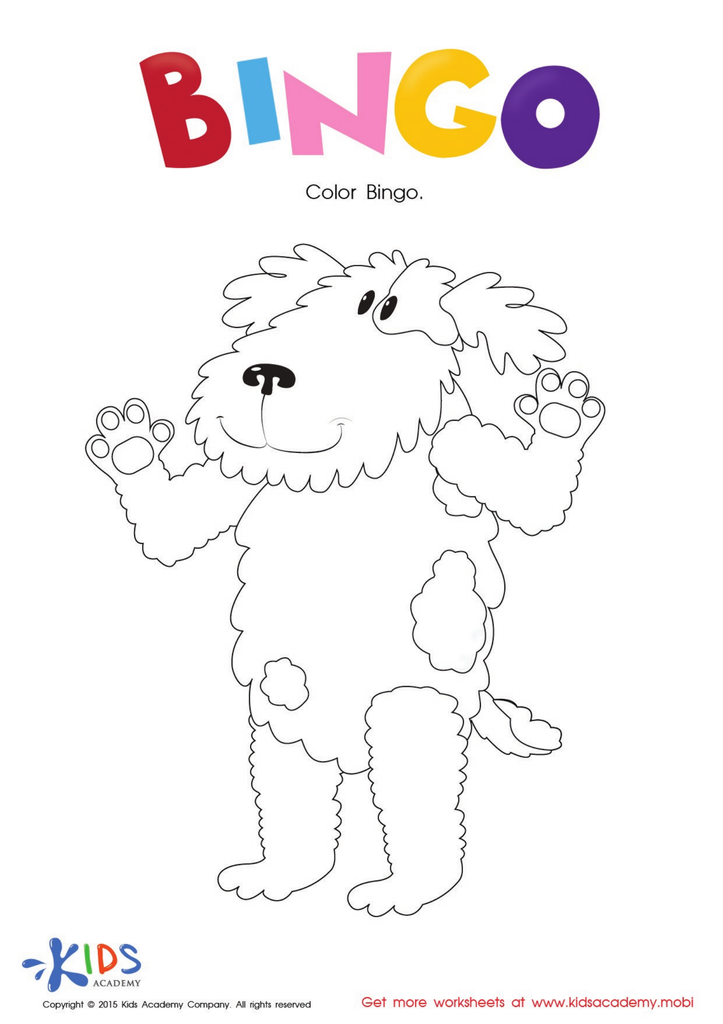
The Bingo Song: Coloring The Dog Worksheet








Color recognition nursery rhymes for 3-year-olds hold significant educational and developmental value, making them an excellent tool for parents and teachers. At this age, children are in a vital stage of cognitive development, and integrating learning with play catches their interest in effective and enjoyable ways. Color recognition rhymes blend rhythmic elements with educational content, ensuring that young children remember the information better. The rhythmic patterns and repetitive nature of nursery rhymes aid in language development by exposing children to new vocabulary and sentence structures.
Moreover, these rhymes enhance visual discrimination skills. When children learn to identify and name colors, they improve their ability to distinguish and organize information. This skill is foundational for more complex learning in the future, including reading and math. Rhymes also facilitate fine motor skills through activities like pointing to or coloring objects mentioned in verses.
Engaging in these activities together offers parents and teachers a means to bond with children through enjoyable educational interaction. It creates a fun environment for learning, which reinforces positive attitudes toward education. Overall, color recognition nursery rhymes thoughtfully merge creative expression with essential cognitive and perceptual development, making them highly beneficial for early childhood education.