Logical Reasoning Building Vocabulary Worksheets for 3-Year-Olds
4 filtered results
-
From - To
Enhance your 3-year-old's cognitive development with our engaging Logical Reasoning Building Vocabulary Worksheets! These thoughtfully designed activities promote critical thinking skills while expanding vocabulary through fun exercises. Ideal for early learners, each worksheet provides age-appropriate challenges that encourage young minds to make connections, recognize patterns, and solve puzzles. Our resources foster a sense of curiosity and exploration, making learning enjoyable and effective. Whether at home or in a classroom setting, these worksheets are perfect for nurturing a love of language and logic in toddlers. Start your child on a path to academic success today with our comprehensive and interactive learning tools!
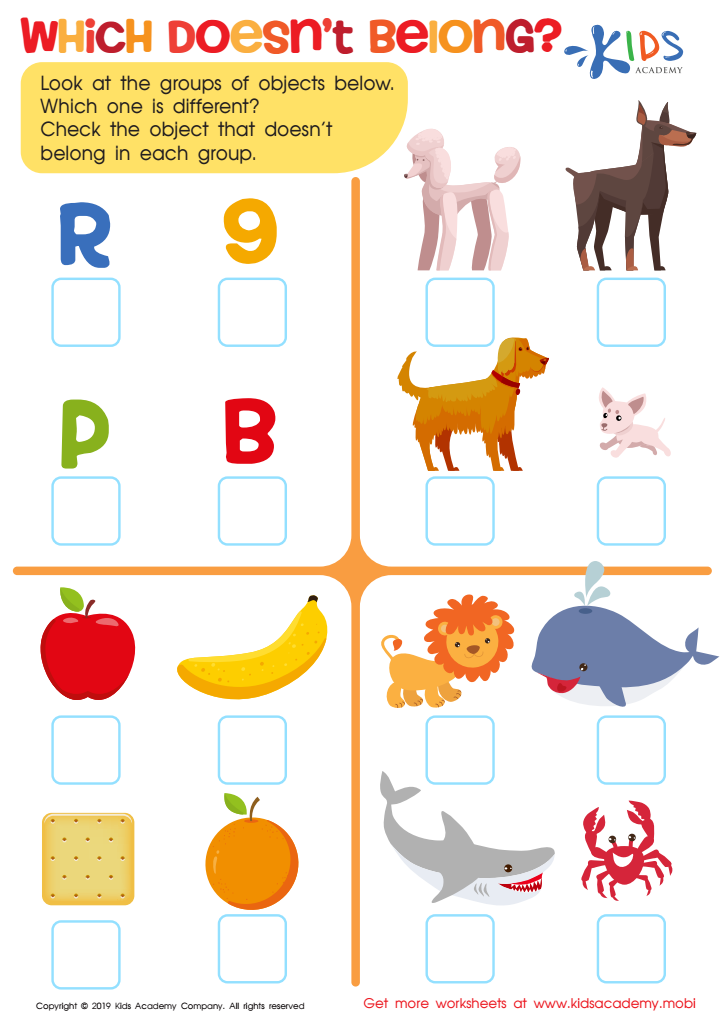
Which Doesn't Belong? Worksheet
 Assign to My Students











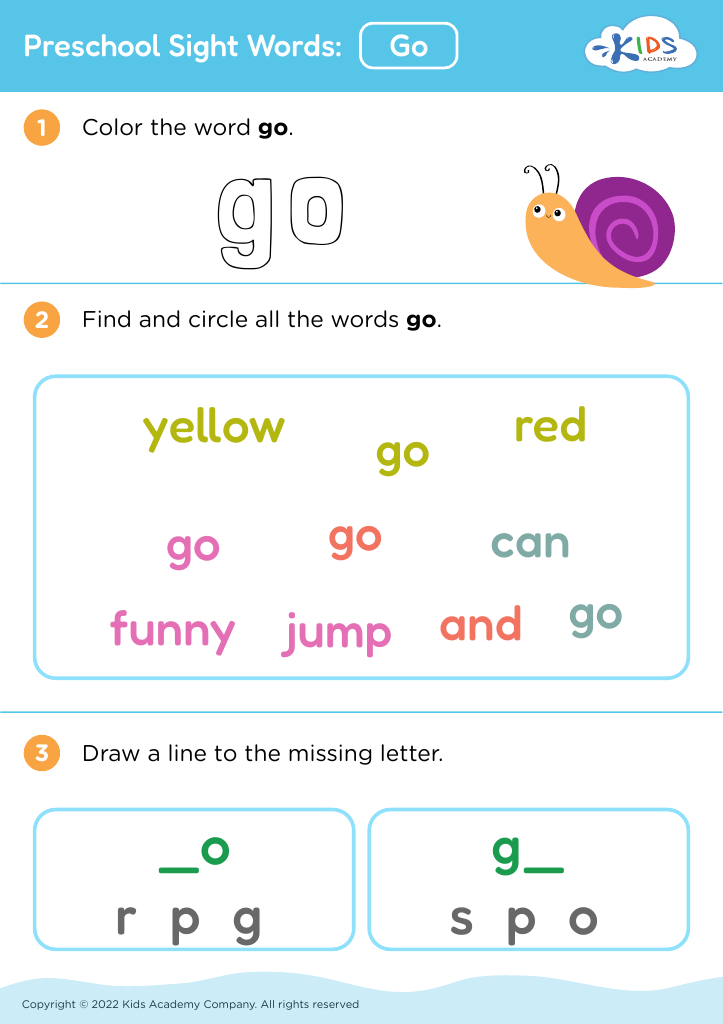
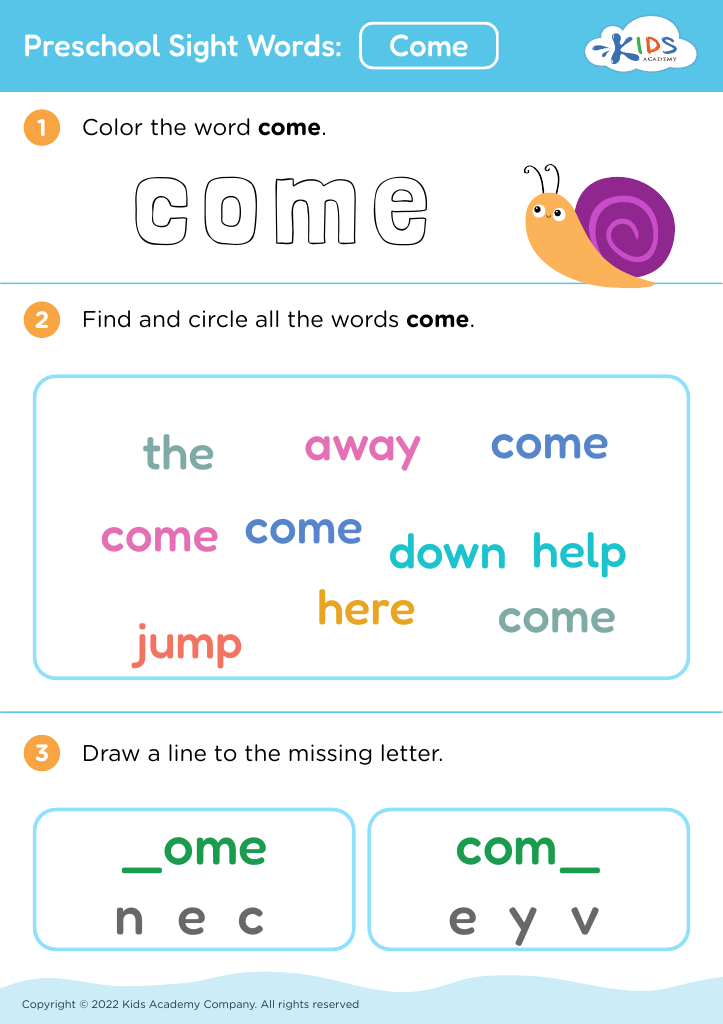
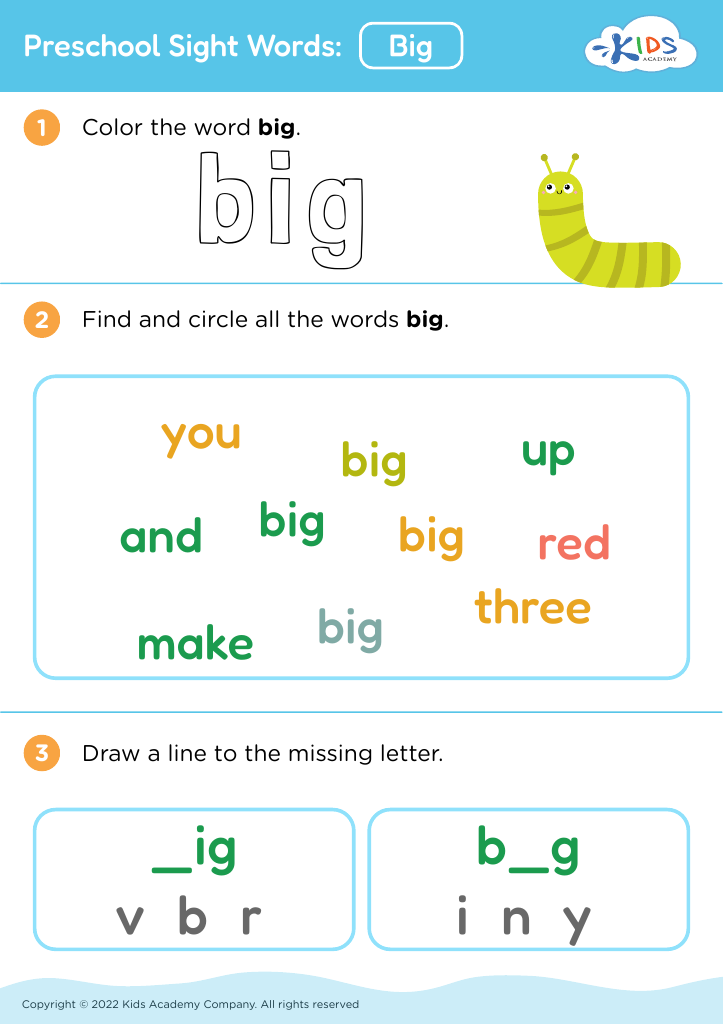



.jpg)




Parents and teachers should prioritize logical reasoning and vocabulary building for 3-year-olds because these skills form the foundation for future learning and cognitive development. At this age, children are naturally curious and eager to understand the world around them. Engaging in activities that promote logical reasoning helps them make sense of their experiences, enhancing problem-solving abilities and critical thinking skills.
Building vocabulary is equally vital as it equips children with the language they need to express their thoughts, ask questions, and communicate effectively. A rich vocabulary contributes to comprehension skills, enabling children to grasp new concepts and ideas better. When adults encourage discussions, ask open-ended questions, and introduce new words in context, they stimulate a child's linguistic growth and logical thought processes simultaneously.
Moreover, early exposure to logical reasoning and vocabulary helps children develop social skills, as they learn to articulate their feelings and understand others. This very early investment in cognitive development fosters confidence and a love for learning, making children more prepared for academic challenges in the future. Ultimately, nurturing logical reasoning and vocabulary at this age lays the groundwork for lifelong success in education, communication, and problem-solving.








