Comparing Fractions Reading Worksheets for 3-Year-Olds
5 filtered results
-
From - To
Explore our engaging "Comparing Fractions Reading Worksheets for 3-Year-Olds," designed to introduce your little learners to the basics of fractions in a fun and interactive way. These printable worksheets from Kids Academy are specially crafted to cater to young minds, helping them recognize and compare simple fractions through visually appealing activities. With vibrant illustrations and easy-to-understand instructions, kids will develop early math skills while enjoying the learning process. Boost your child's confidence in math and nurture their curiosity with our expert-designed worksheets, ensuring a strong foundation for future math success. Discover and download now!
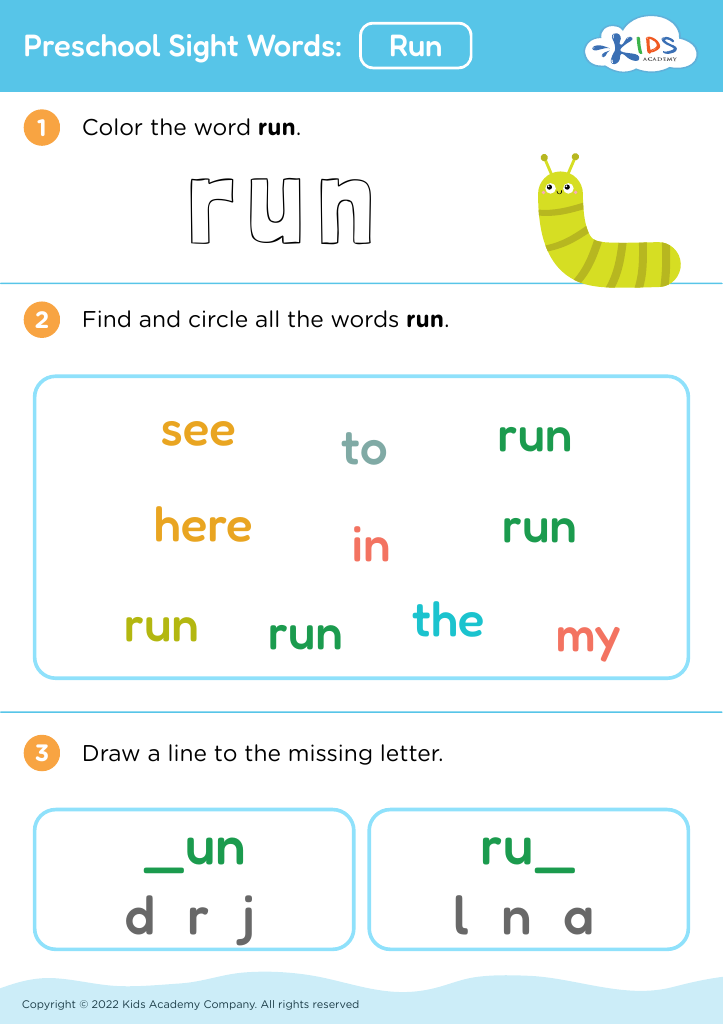
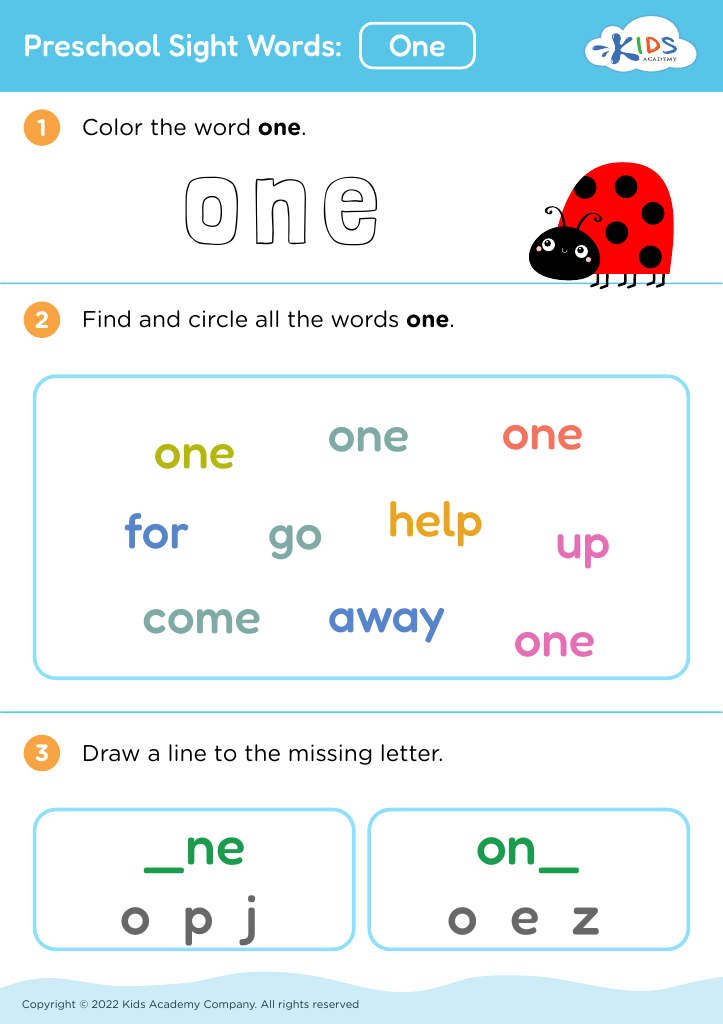
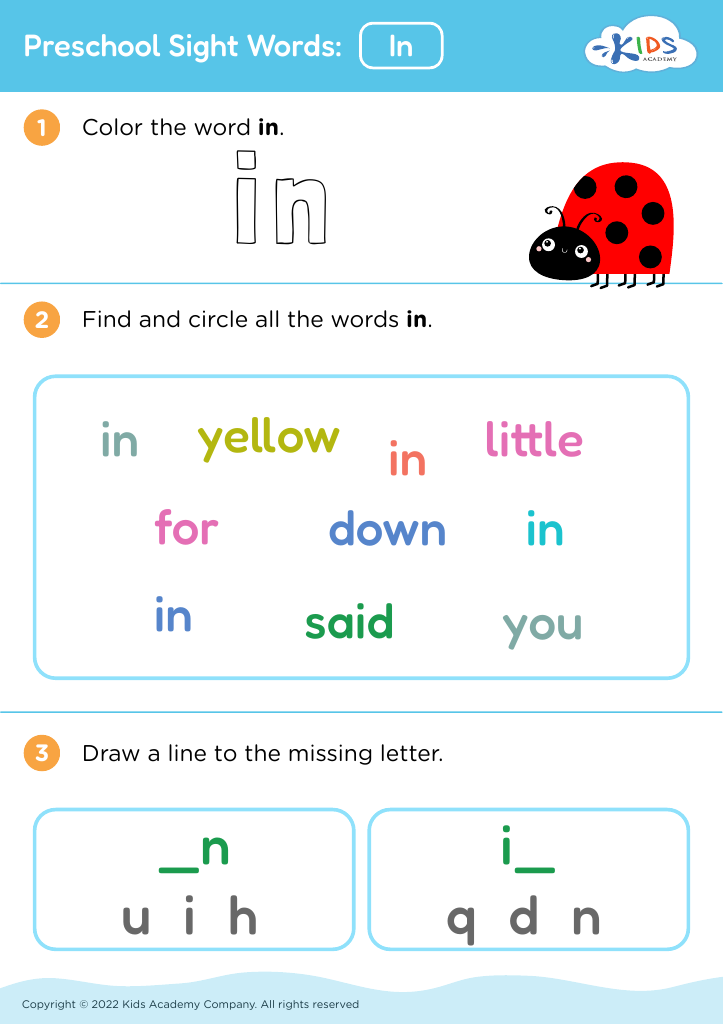
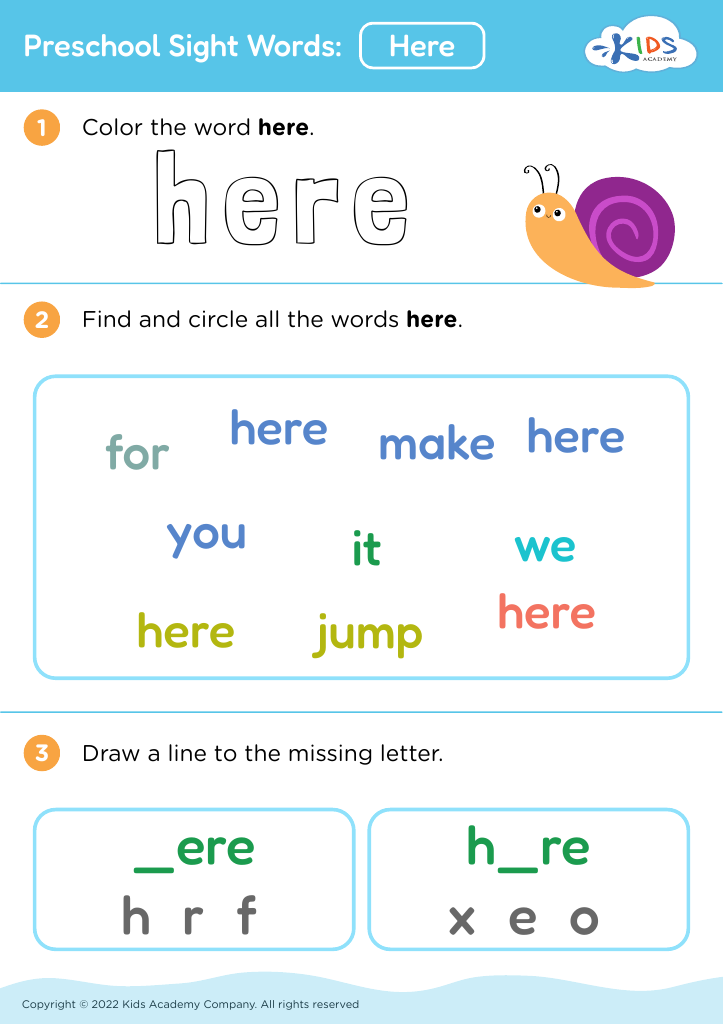
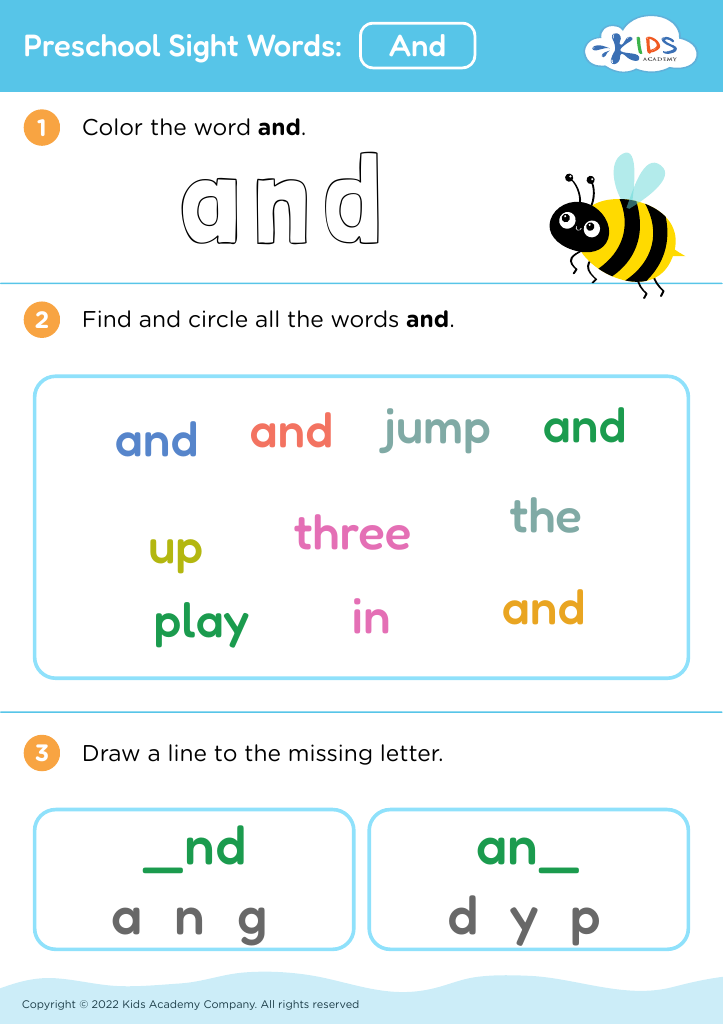








Comparing fractions reading for preschool-aged children, such as 3-year-olds, might seem advanced, but introducing the concept early has substantial benefits. Early exposure to basic math concepts helps build a foundation for future mathematical understanding and literacy. It fosters cognitive development by encouraging children to recognize, compare, and analyze different quantities and proportions. These early skills are integral to problem-solving and analytical thinking.
Parents and teachers play a crucial role in nurturing these abilities. Engaging young children in fraction-related activities, like dividing a pizza into slices and talking about the pieces, can be a fun, interactive way to introduce these concepts. Such exercises tap into their natural curiosity and love for play while subtly introducing mathematical principles. This early practice promotes comfort and confidence with numbers, which is beneficial as they advance through more structured math education later on.
Additionally, regular interaction with fractions at a young age can improve a child’s ability to develop number sense, the ability to understand numbers and their relationships. This ensures they are better prepared for more complex arithmetic and geometry lessons in elementary school. Incorporating fractional concepts into early childhood education can provide a well-rounded start, equipping children with essential skills for academic success and daily life.








