Number Recognition Reading Worksheets for 3-Year-Olds
11 filtered results
-
From - To
Our "Number Recognition Reading Worksheets for 3-Year-Olds" offer a fun and engaging way to introduce young learners to numbers and counting. Designed specifically for preschoolers, these worksheets incorporate vibrant illustrations and interactive activities that capture children's interest. Through colorful number tracing, matching exercises, and delightful visual aids, children develop essential number recognition skills at their own pace. Each worksheet supports early literacy and math foundations, setting the stage for joyful learning experiences. Perfect for parents and educators alike, these resources promote independent learning while encouraging exploration. Unlock your child's potential with our number recognition worksheets today!
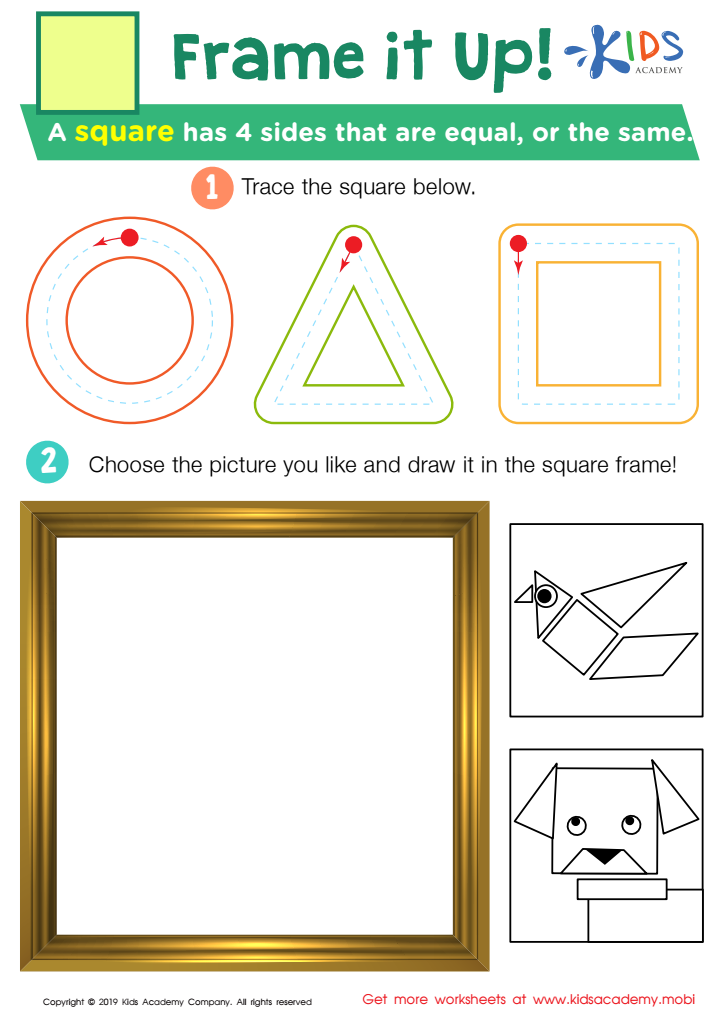
Frame it Up Worksheet
 Assign to My Students
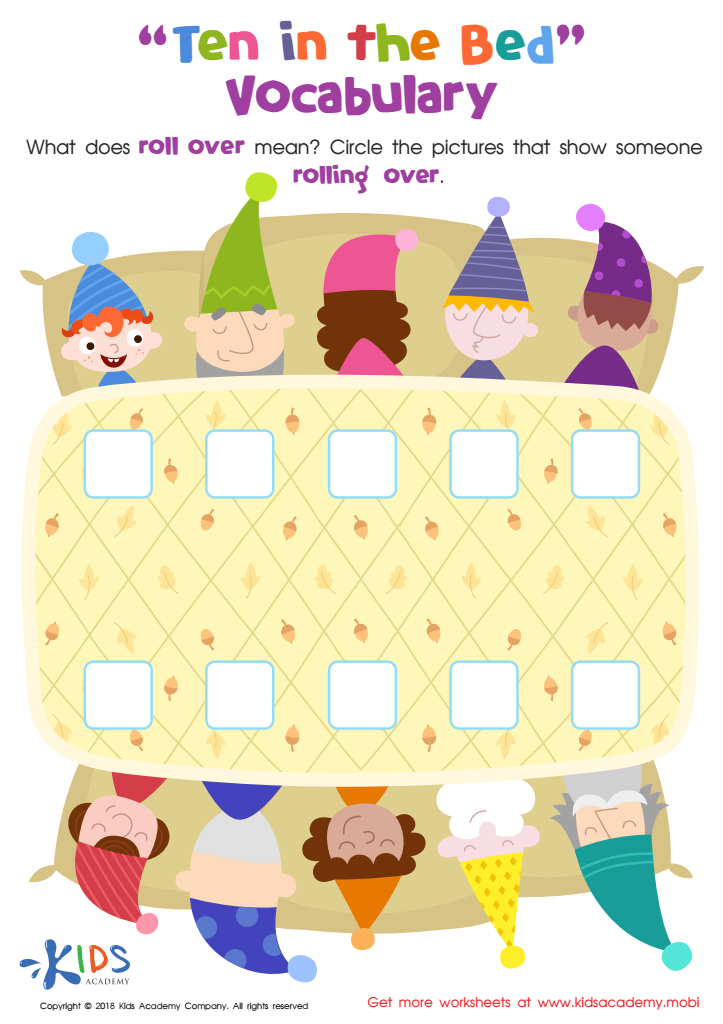
Ten in the Bed: Vocabulary Worksheet
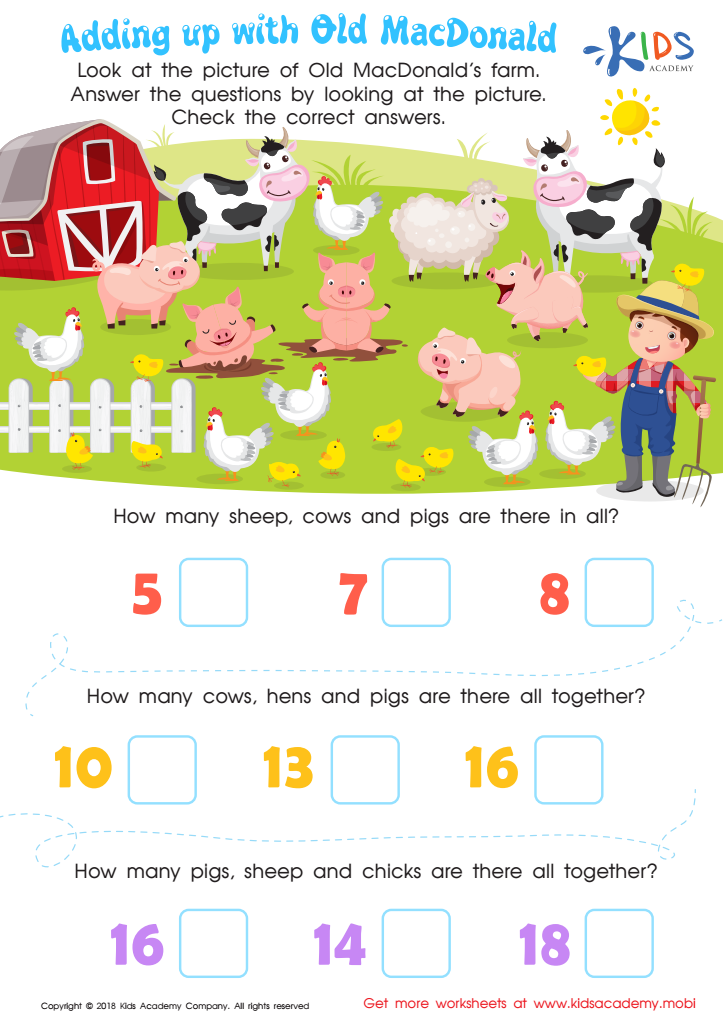
Adding Up with Old MacDonald Worksheet
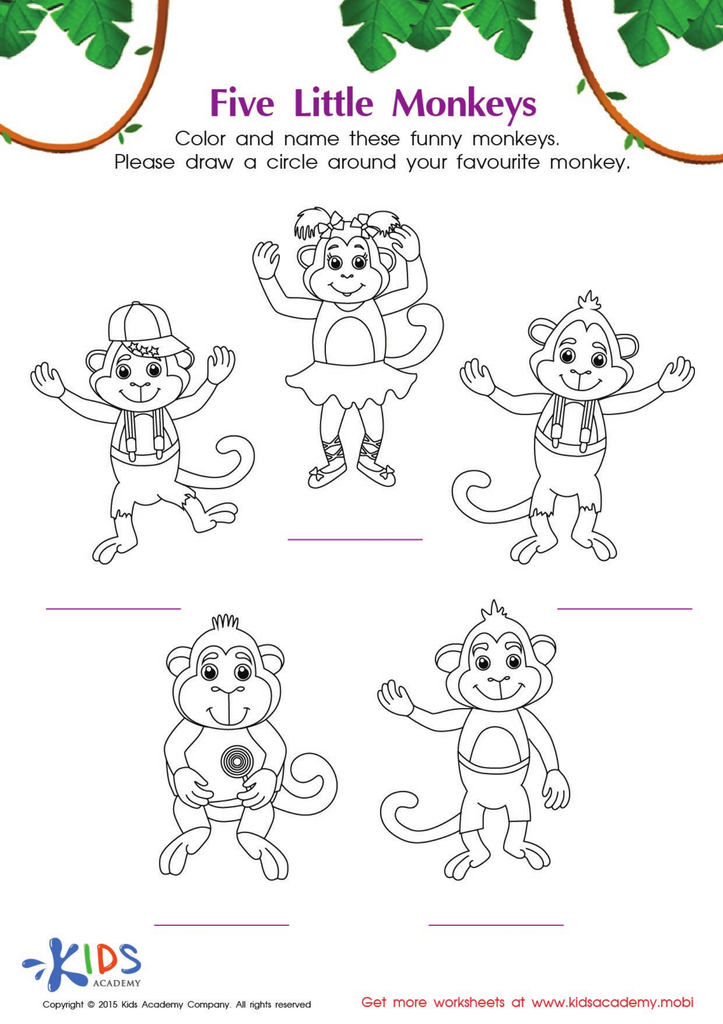
The Five Little Monkeys Coloring Worksheet
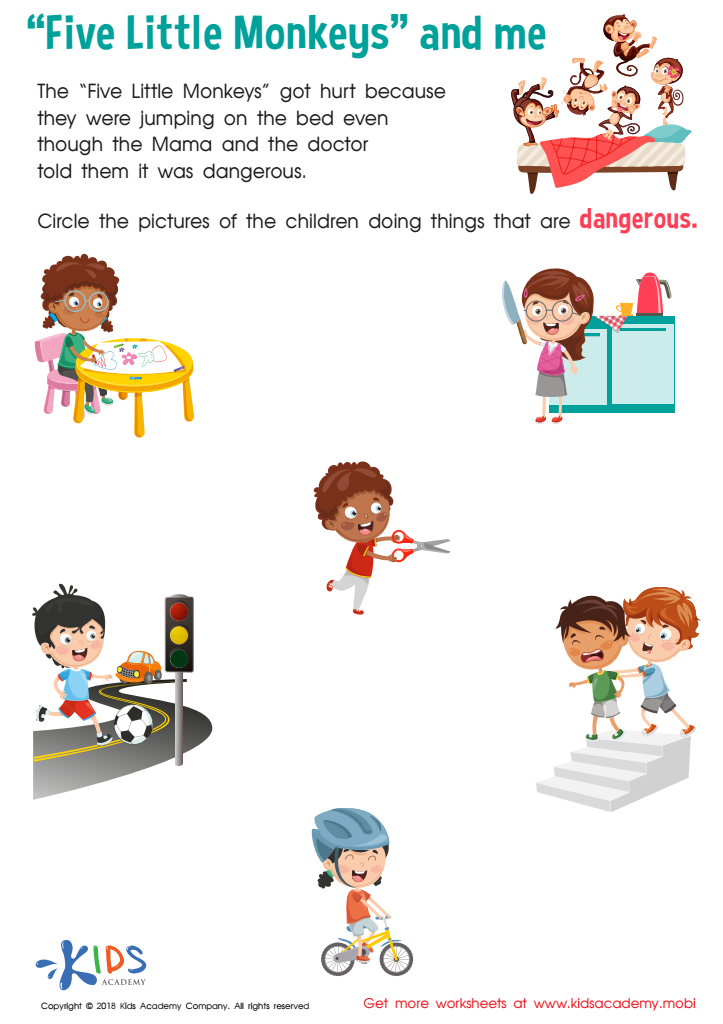
Five Little Monkeys and Me Worksheet
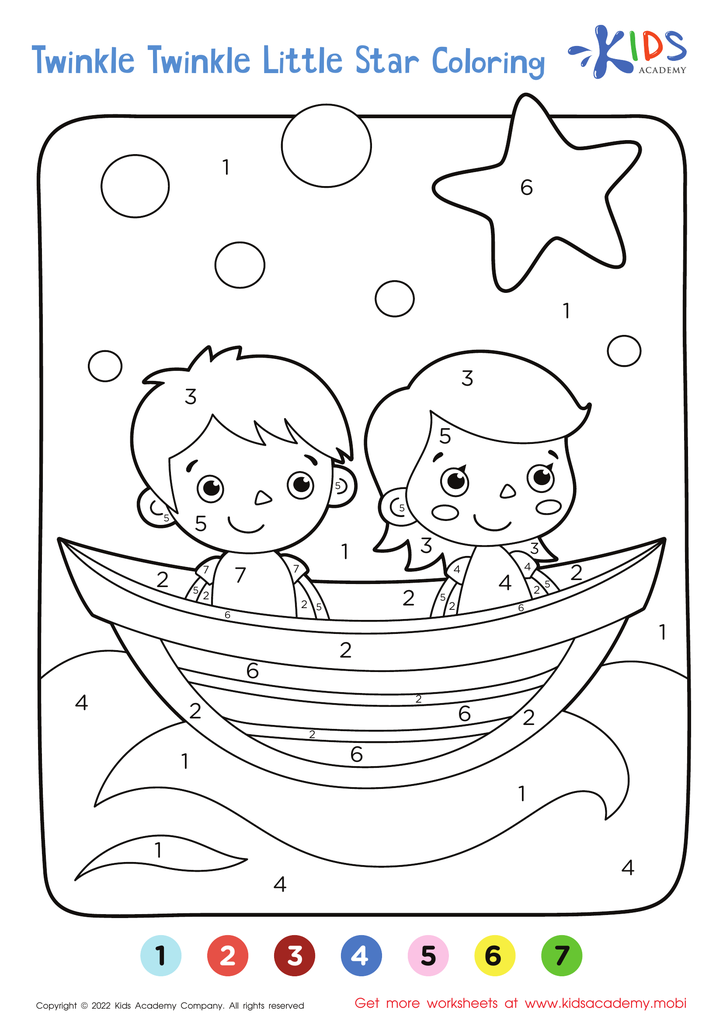
Twinkle, Twinkle, Little Star – Coloring by Numbers
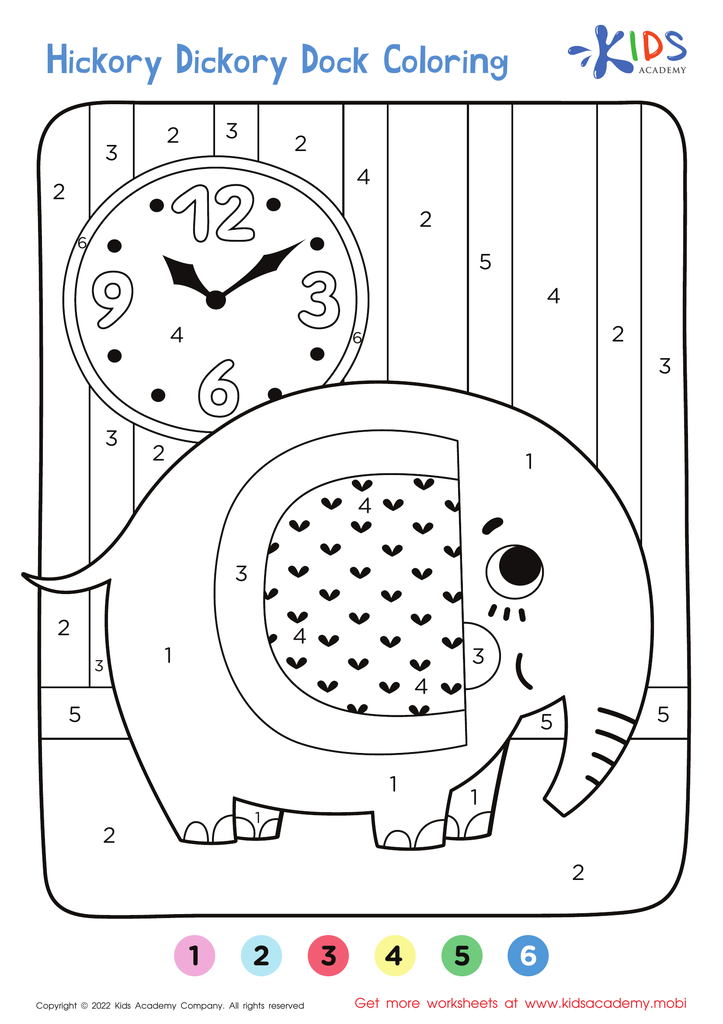
Hickory Dickory Dock – Coloring by Numbers
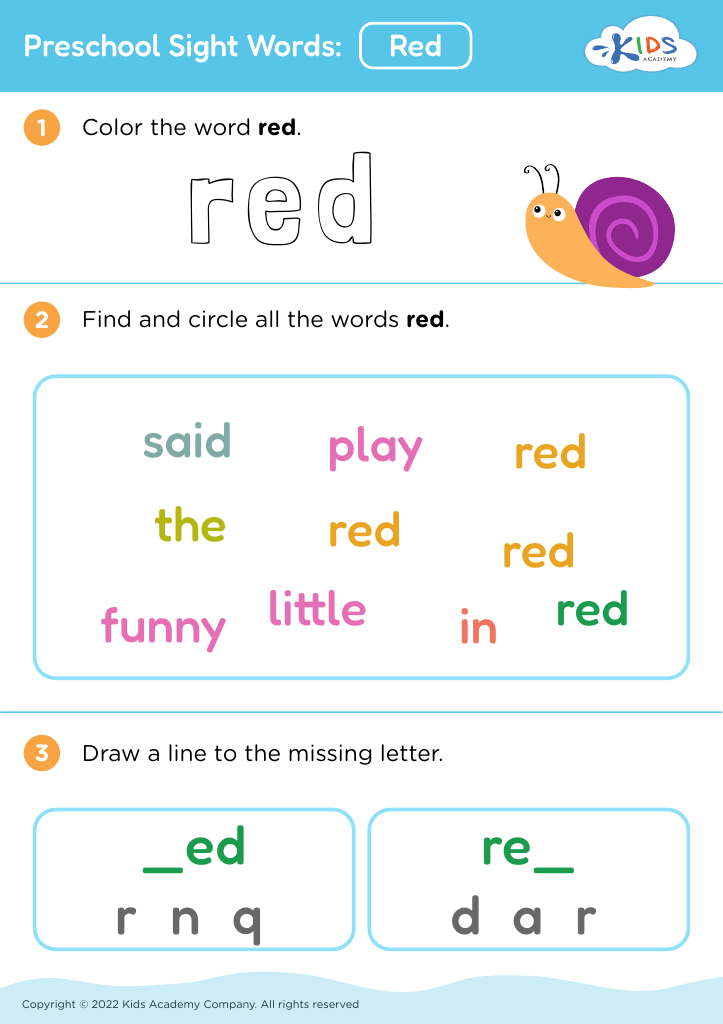







Number recognition is a foundational skill that plays a crucial role in early childhood education, particularly for 3-year-olds. At this tender age, children are naturally curious and eager to learn, making it an ideal time for parents and teachers to introduce numbers. Engaging in number recognition helps children develop a strong mathematical foundation, fostering critical thinking and problem-solving skills.
When parents and teachers focus on number recognition, they encourage cognitive development and enhance children’s ability to recognize and understand numerical values in their everyday environment, from counting fruits to finding numbers on signs. This early exposure not only prepares them for future math education but also promotes confidence in using numbers in practical situations.
Moreover, number recognition can spark interactive learning experiences. Shared activities like counting games or number-themed books help build language skills and social interaction, enriching children's overall development. In addition to math proficiency, these experiences cultivate a love for learning that can influence a child’s approach to education throughout their life. Therefore, prioritizing number recognition at this age benefits not just mathematical skills, but also cognitive, social, and emotional growth, making it essential for educators and parents to invest in this crucial stage of development.








