Problem-Solving Skills Reading Worksheets for 3-Year-Olds
7 filtered results
-
From - To
Introduce your child to the exciting world of problem-solving with our engaging reading worksheets designed specifically for 3-year-olds. These fun and interactive activities will help your little one develop crucial thinking and analytical skills in a creative, age-appropriate way. Each worksheet combines visual aids with simple, easy-to-understand tasks that encourage young learners to identify patterns, make connections, and solve problems. Nurture your child's curiosity and boost their confidence with our expertly crafted worksheets, perfect for laying a strong foundation in early education. Discover the joy of learning through problem-solving with Kids Academy today!
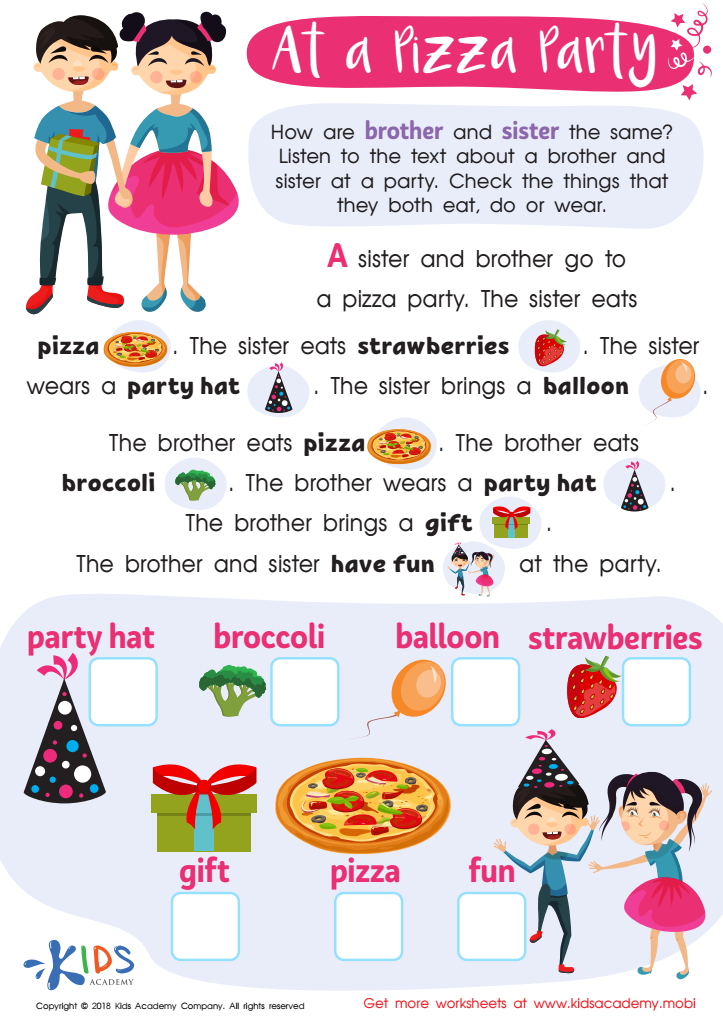
At a Pizza Party Worksheet
 Assign to My Students
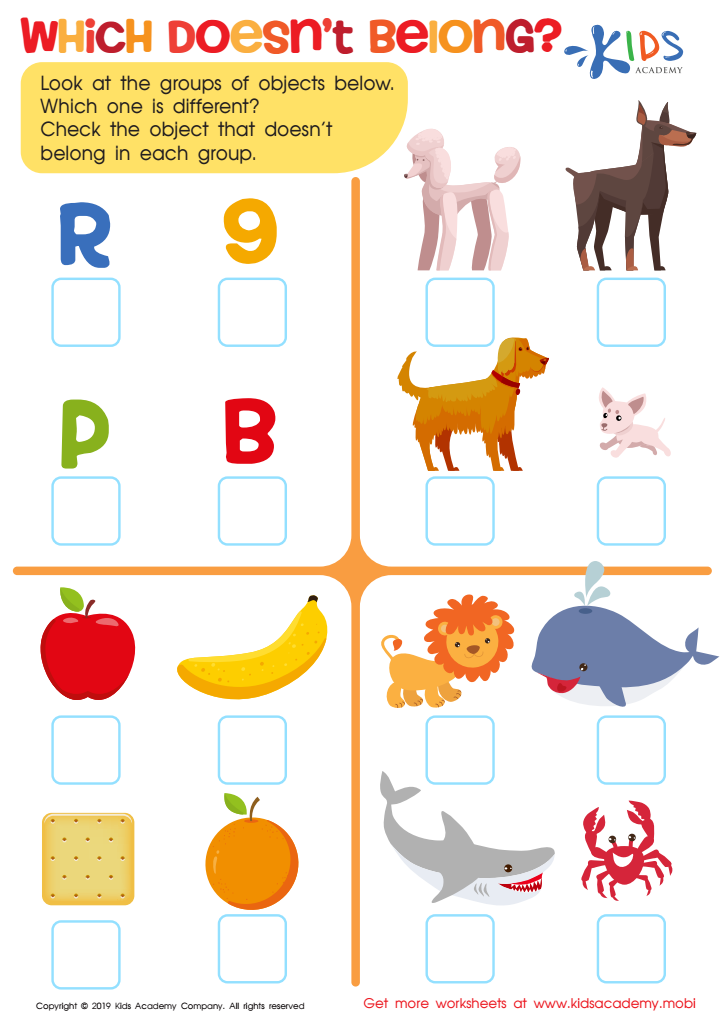
Which Doesn't Belong? Worksheet
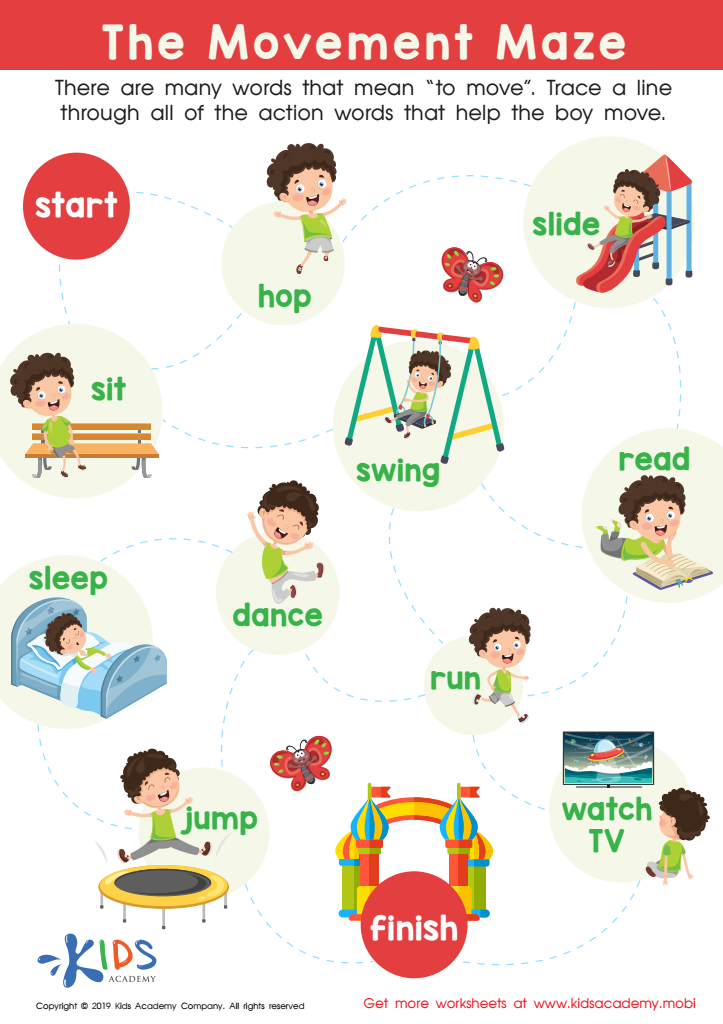
The Movement Maze Worksheet

Towns Worksheet








Problem-solving skills are crucial from an early age because they lay the foundation for a child's cognitive development and future academic success. For 3-year-olds, enhancing these skills through reading is particularly important. At this tender age, children's brains are highly elastic and receptive to learning. Engaging them in problem-solving activities via storytelling can significantly stimulate their critical and analytical thinking. For parents and teachers, this means they can direct young minds to not just listen passively, but actively interact with the content.
Reading stories that incorporate basic problem-solving situations can guide children in learning how to approach challenges and think outside the box. For instance, a character facing an obstacle in a story can prompt children to consider solutions, thereby fostering creativity and decision-making skills. This form of interactive learning strengthens their comprehension abilities and boosts confidence as they see their ideas and solutions coming to life.
Moreover, problem-solving through reading also aids social and emotional development. Stories often present characters with different perspectives, helping children develop empathy and understand cooperation. For teachers and parents, encouraging problem-solving skills through reading is an investment in a child's future, nurturing adaptable, thoughtful, and competent individuals.








