
Understanding patterns Reading Worksheets for 3-Year-Olds
3 filtered results
Difficulty Level
Grade
Age
-
From - To
Subject
Activity
Standards
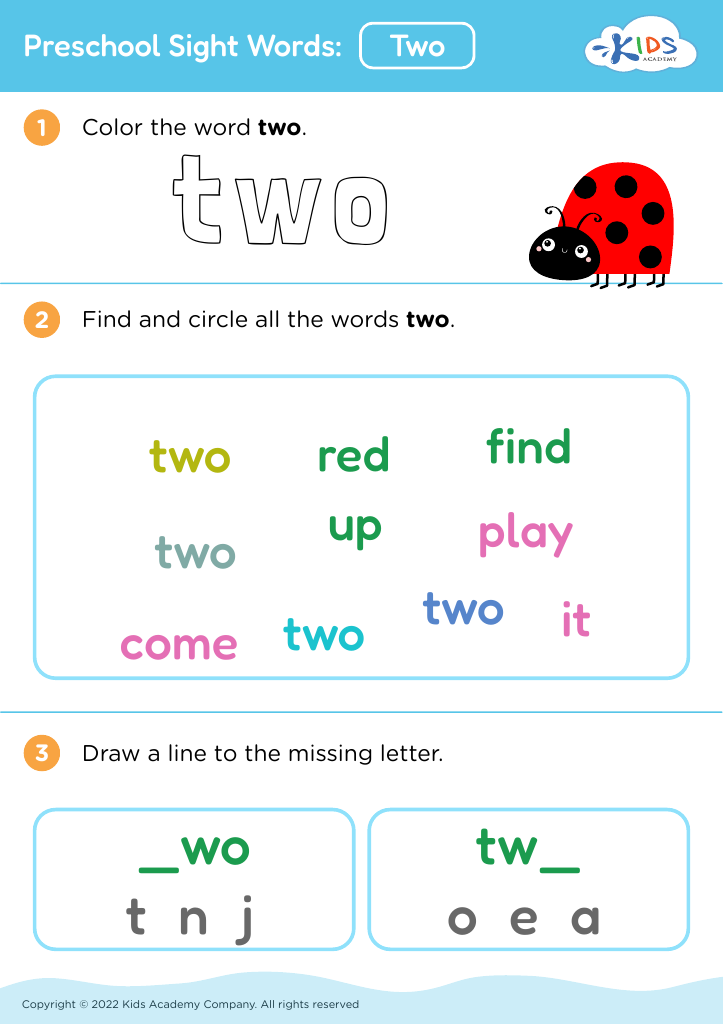
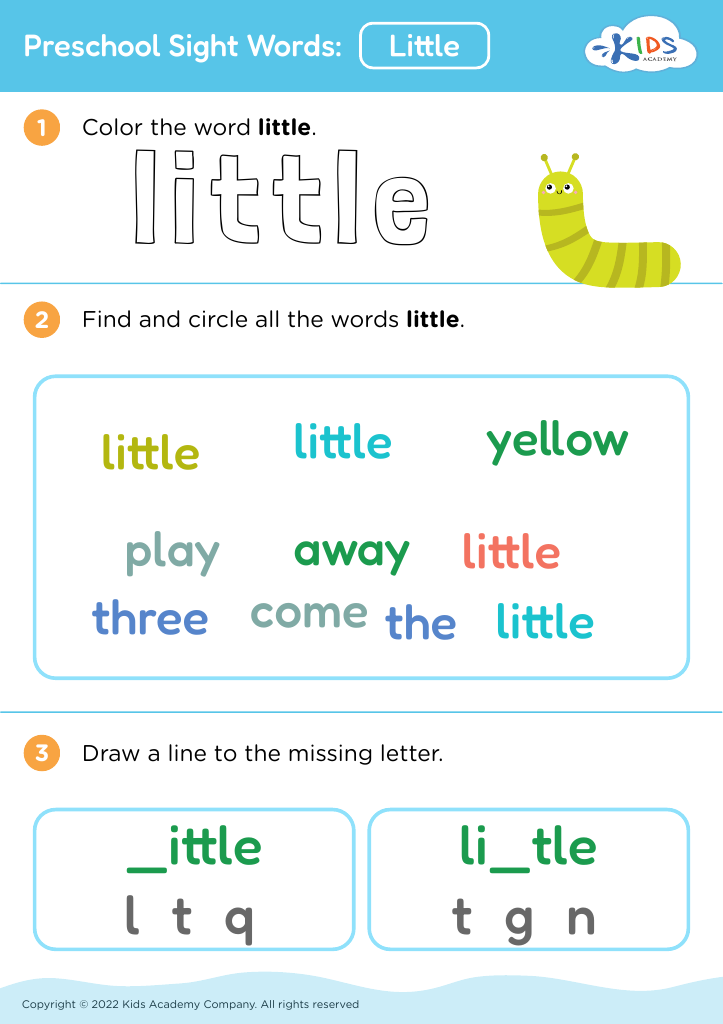
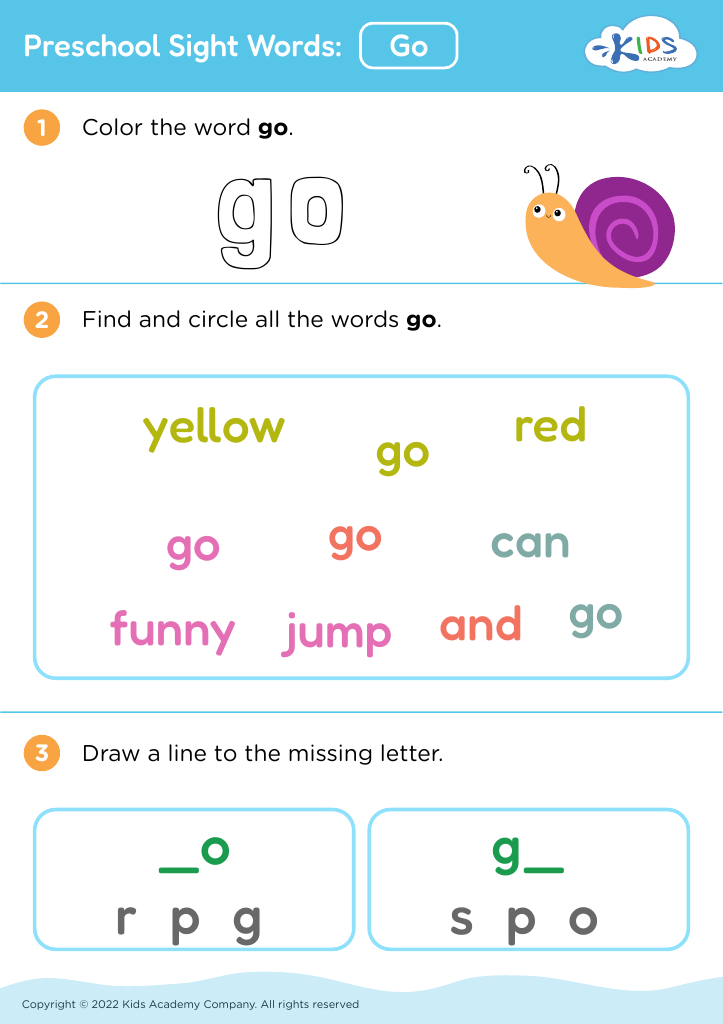
Discover our “Understanding Patterns” reading worksheets tailored for 3-year-olds! Designed to foster early literacy skills, these engaging worksheets introduce young learners to the concept of patterns in a fun and interactive way. Each activity encourages children to identify, create, and complete patterns using vibrant illustrations and simple instructions that stimulate critical thinking. Perfect for home or preschool settings, our worksheets promote cognitive development while keeping learning enjoyable. Support your child’s reading journey with these foundational activities, laying the groundwork for future literacy success. Explore our printable resources and watch your little ones thrive through the joy of learning!
Favorites
With answer key
Interactive
Join Kids Academy for Free
Who is primarily going to use this learning content?




.jpg)



Understanding patterns is essential for children's early literacy development, particularly for 3-year-olds. As young children engage with stories and books, recognizing and creating patterns supports their cognitive skills. Patterns foster critical thinking by helping them make connections between ideas and predict outcomes, which enhances comprehension and engagement in reading.
Moreover, recognizing patterns in language—such as rhymes, repetitive phrases, or sentence structures—can significantly improve phonemic awareness. This skill lays the foundation for later reading abilities, enabling children to decode words more effectively. Parents and teachers can incorporate pattern recognition into playful reading sessions, making it an enjoyable experience and enriching comprehension skills.
Additionally, when children identify patterns, they gain confidence in their ability to predict and understand narrative arcs, strengthening their interest in reading. Engaging with literature in this way nurtures a love for stories and prompts imaginative thinking, which are crucial for overall development.
In conclusion, fostering an understanding of patterns not only aids in literacy but also enhances overall cognitive and social-emotional growth, making it crucial for parents and teachers to prioritize these skills during early childhood education. Engaging with patterns makes reading a fun and interactive experience, encouraging lifelong learning.








