
Color recognition Reading Fiction Worksheets for 3-Year-Olds
5 filtered results
Difficulty Level
Grade
Age
-
From - To
Subject
Activity
Standards
Welcome to our Color Recognition Reading Fiction Worksheets for 3-Year-Olds! Designed to cultivate early literacy skills while enhancing color recognition, these engaging worksheets bring stories to life through vibrant illustrations. Tailored for preschoolers, our interactive activities encourage children to identify colors in fun, fictional contexts, making learning enjoyable and effective. Each worksheet fosters critical thinking and creativity, laying a solid foundation for future reading and comprehension skills. As children explore colorful characters and narratives, they'll develop not just recognition of hues but also a love for reading. Start your child's educational journey with vibrant, playful learning materials today!
Favorites
With answer key
Interactive
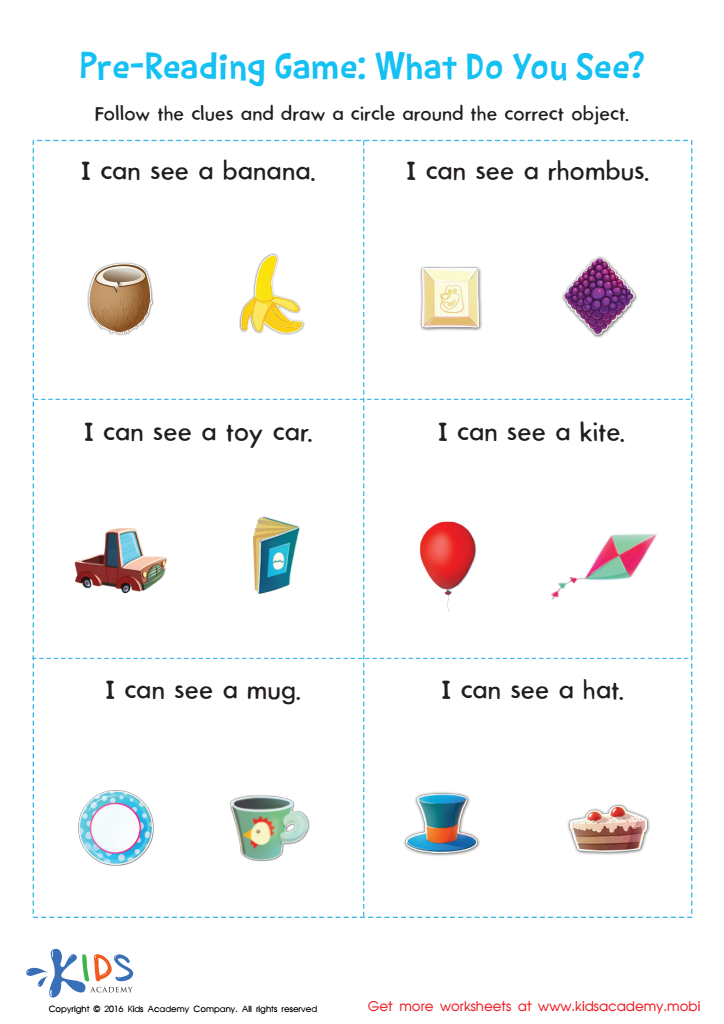
Pre–reading Worksheet: What Do You See?
Get started with this pre-reading worksheet to build your child's early literacy skills. Model, read aloud, and provide consistent repetition for successful learning.
Pre–reading Worksheet: What Do You See?
Worksheet
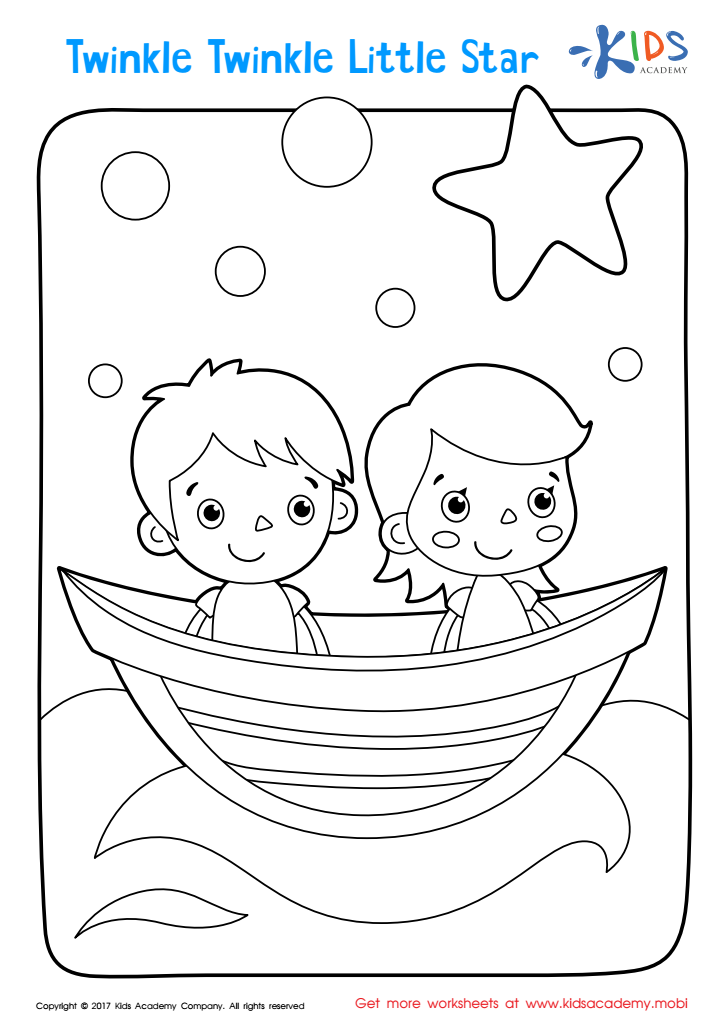
Twinkle Twinkle Little Star Coloring Page
Let your child wish upon a star as they color this scene of boy and girl stargazing. Sing Twinkle Twinkle Little Star while they choose colors to show the star twinkling in the night sky.
Download (PDF)
 Assign to My Students
Assign to My Students
Twinkle Twinkle Little Star Coloring Page
Worksheet
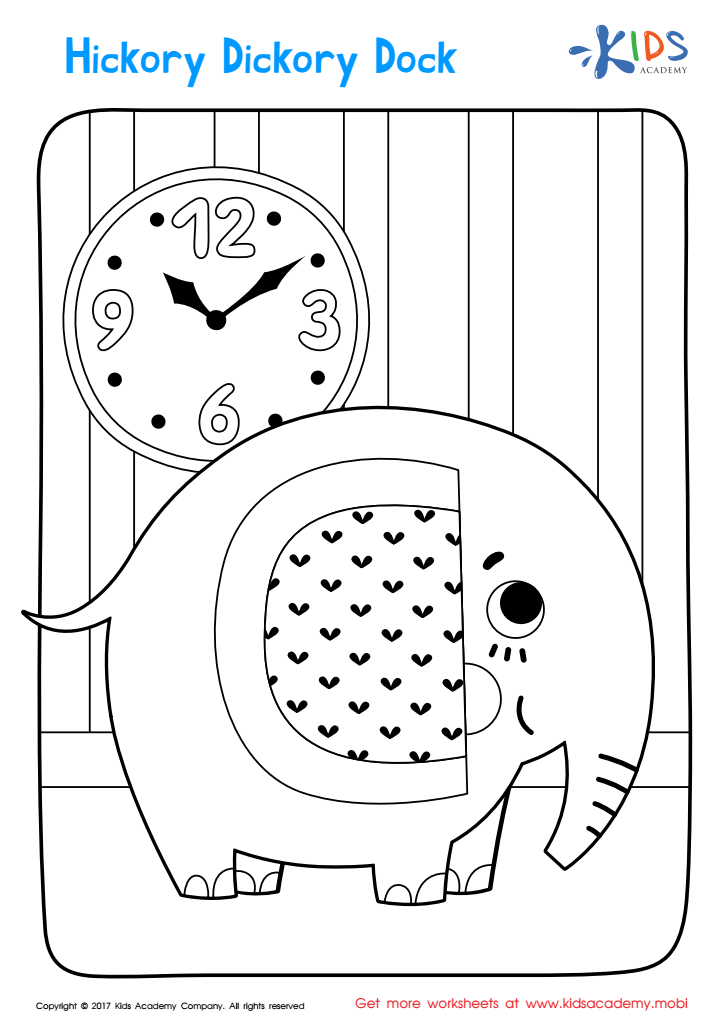
Hickory Dickory Dock Coloring Page
Sing and color with your child! Enjoy the classic nursery rhyme Hickory Dickory Dock as they color this fun printable. Watch the elephant climb and crash down the clock in the final part of the song. It's sure to bring smiles and giggles!
Download (PDF)
Assign to My Students
Assign to My Students
Hickory Dickory Dock Coloring Page
Worksheet
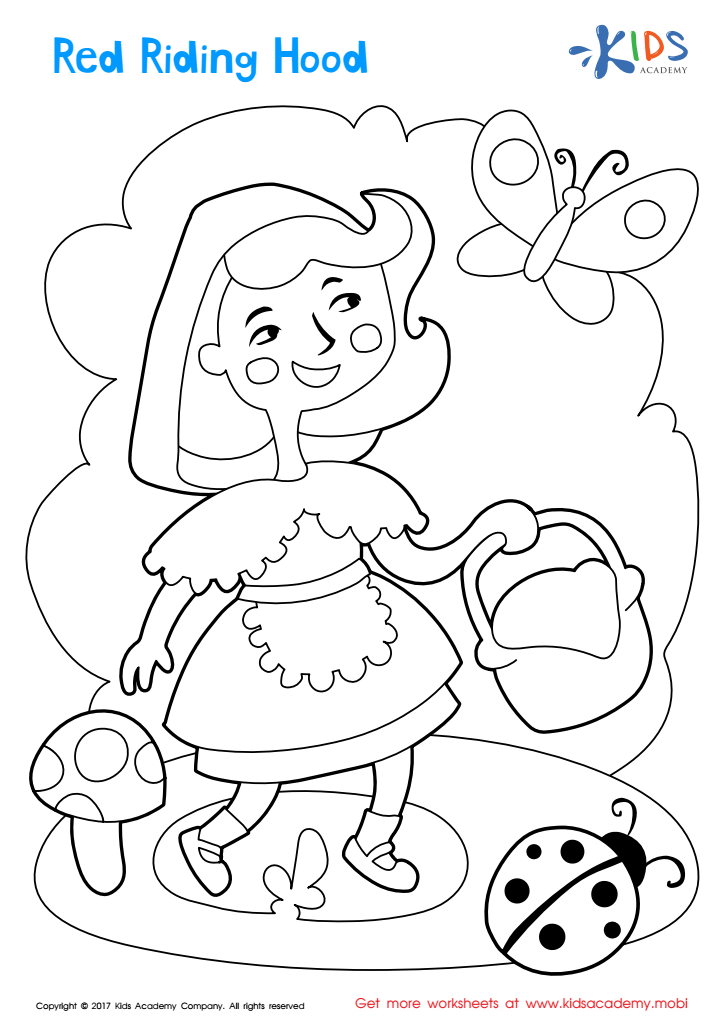
Red Riding Hood Coloring Page
Red Riding Hood awaits in the woods, with a butterfly, mushroom, and ladybug around her. Let your child bring the story to life with this magical printable coloring page. Fairytale fun for all!
Download (PDF)
Assign to My Students
Assign to My Students
Red Riding Hood Coloring Page
Worksheet
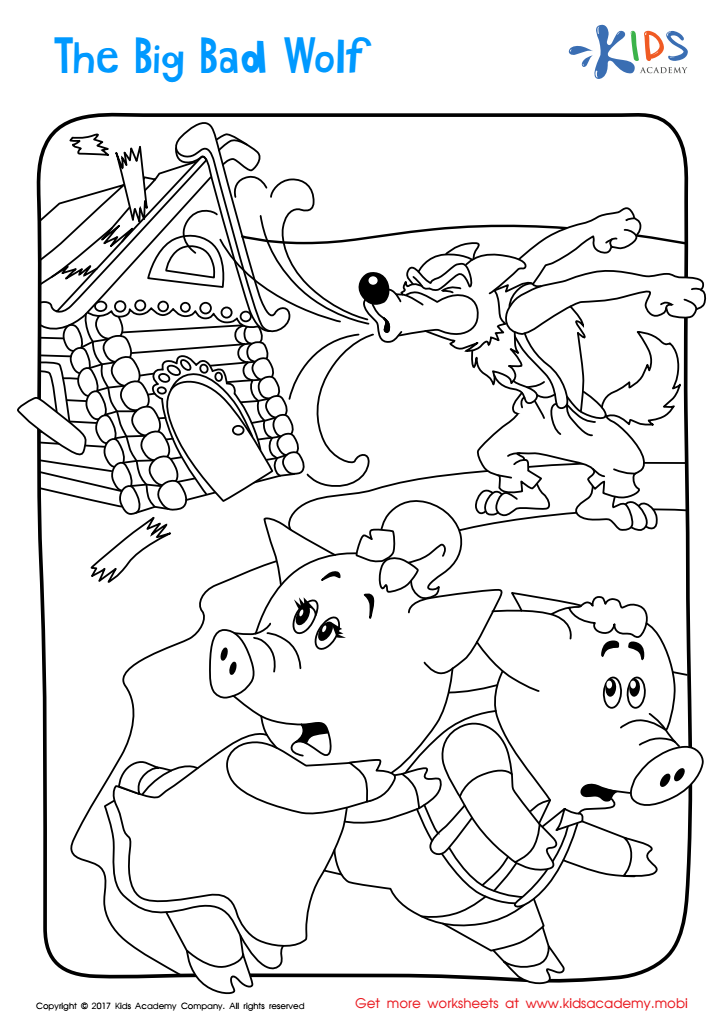
Big Bad Wolf Printable Coloring Page
Let your child have fun coloring the Big Bad Wolf blowing down the little pig's house! This printable coloring page introduces the classic tale, helping to develop reading comprehension skills.
Download (PDF)
Assign to My Students
Assign to My Students
Big Bad Wolf Printable Coloring Page
Worksheet
Join Kids Academy for Free
Who is primarily going to use this learning content?








Color recognition is a fundamental skill that lays the groundwork for a child's cognitive development and literacy. For three-year-olds, engaging them in reading fiction that incorporates vibrant colors can enhance their ability to identify and distinguish various colors, which is crucial for their overall learning. This early exposure to color through stories helps children connect words to visual representations, aiding in vocabulary building and comprehension.
Parents and teachers should care about color recognition because it fosters not only language skills but also creative thinking and imagination. Engaging with colorful books can stimulate a child’s curiosity and encourage them to express their observations and ideas, paving the way for more complex literacy skills as they grow.
Furthermore, introducing fiction that emphasizes color can create memorable and enjoyable learning experiences, making reading a fun and interactive activity. This, in turn, can instill a lifelong love for reading and learning. Ultimately, by focusing on color recognition through fiction, caregivers can effectively support the cognitive, social, and emotional development of young children, equipping them with vital skills needed for future academic success.








