Reading comprehension Reading Fiction Worksheets for 3-Year-Olds - Page 2
26 filtered results
-
From - To
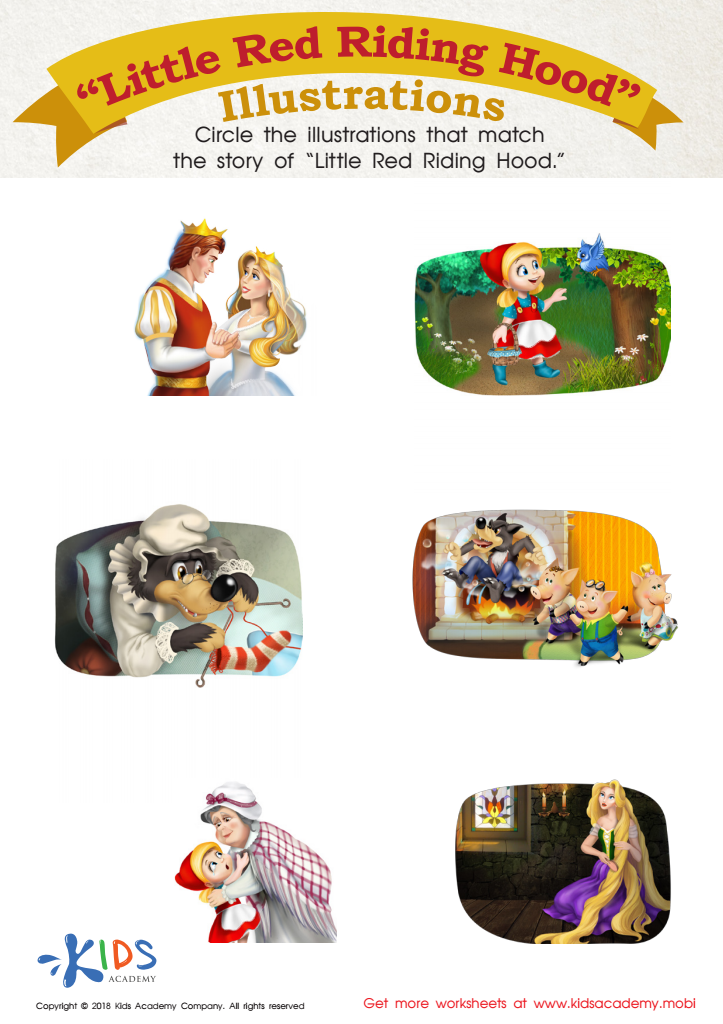
Little Red Riding Hood: Illustrations Worksheet
 Assign to My Students
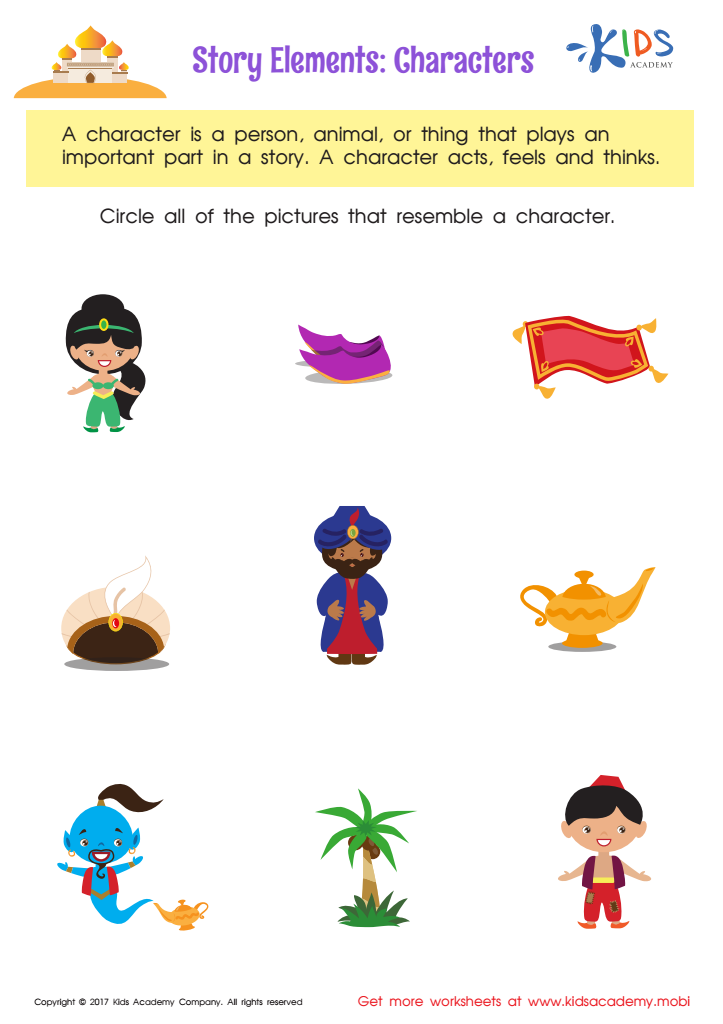
Story Elements Printable



.jpg)




Reading comprehension and engaging with fiction at an early age are crucial for children's cognitive and emotional development. For 3-year-olds, listening to stories builds a foundation for language and literacy skills. When parents and teachers share fiction, they introduce vocabulary, sentence structure, and narrative elements. This exposure helps children develop a basic understanding of language, laying the groundwork for their future reading abilities.
Moreover, fictional stories stimulate creativity and imagination. They allow children to explore different worlds, cultures, and experiences beyond their immediate surroundings, fostering empathy and social awareness. When parents and teachers discuss the story—like characters’ feelings and motivations—they encourage critical thinking and comprehension skills, vital for understanding more complex narratives later in life.
Additionally, fostering a love for reading at this age cultivates a lifelong habit. It encourages routine reading sessions, making storytime a cherished part of the day. This not only strengthens the parent-child or teacher-child bond but also promotes relaxation and emotional security. Ultimately, focusing on reading comprehension and fiction at the age of three not only prepares children academically but enriches their emotional and social development, setting them on a path for success in school and beyond.








