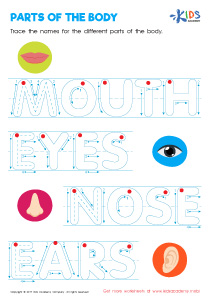
Counting skills World Around Us Worksheets for 3-Year-Olds
5 filtered results
-
From - To
Discover the perfect start to your child's learning journey with our "Counting Skills: World Around Us" worksheets for 3-year-olds from Kids Academy. Carefully crafted to engage young minds, these delightful and colorful activities introduce fundamental counting skills through familiar, real-world settings. Children will become confident with numbers as they explore, count, and compare objects in everyday scenarios. These worksheets not only enhance mathematical understanding but also improve focus and fine motor skills. Make early math fun and interactive, nurturing curiosity and a love for learning with our expertly designed resources. Start counting adventures today!
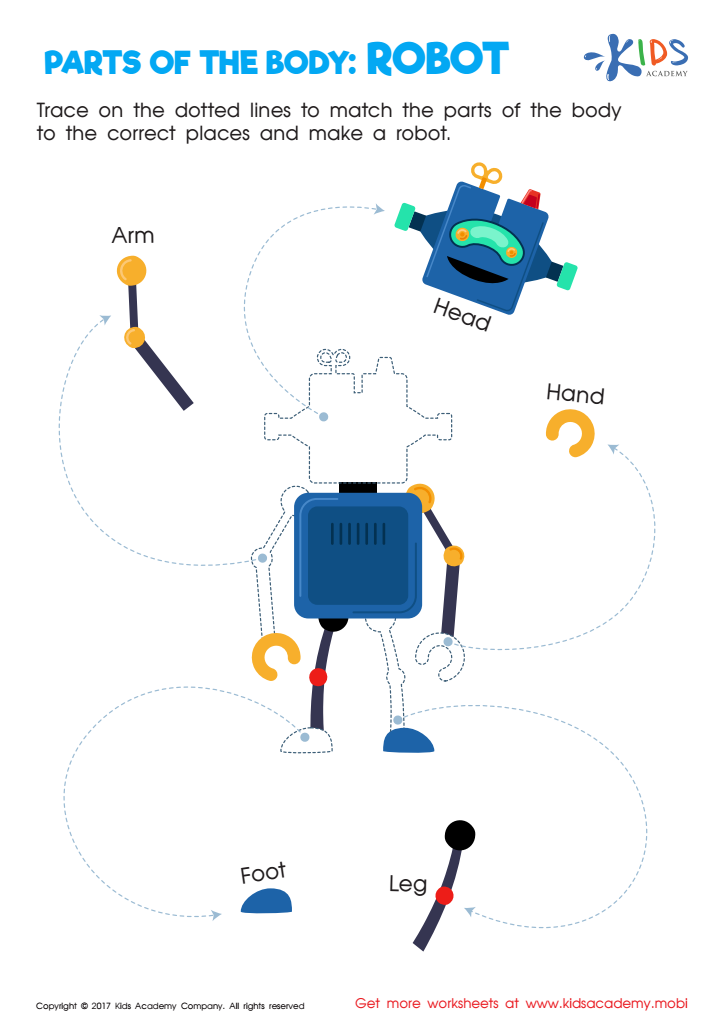
Robot Printable
 Assign to My Students
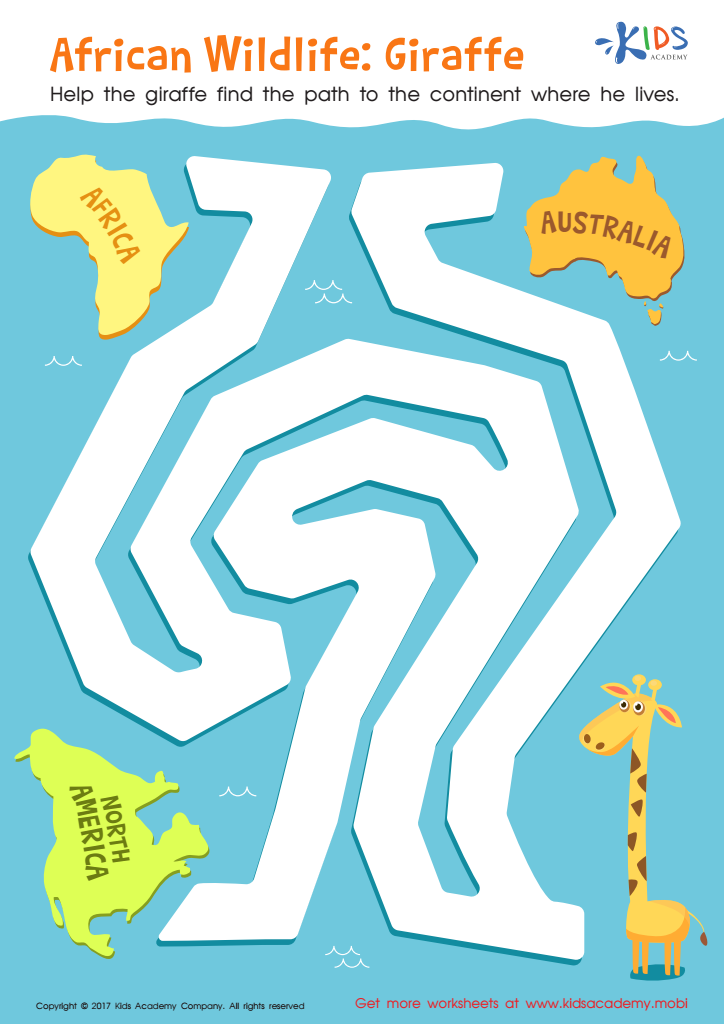
African Wildlife: Giraffe Worksheet
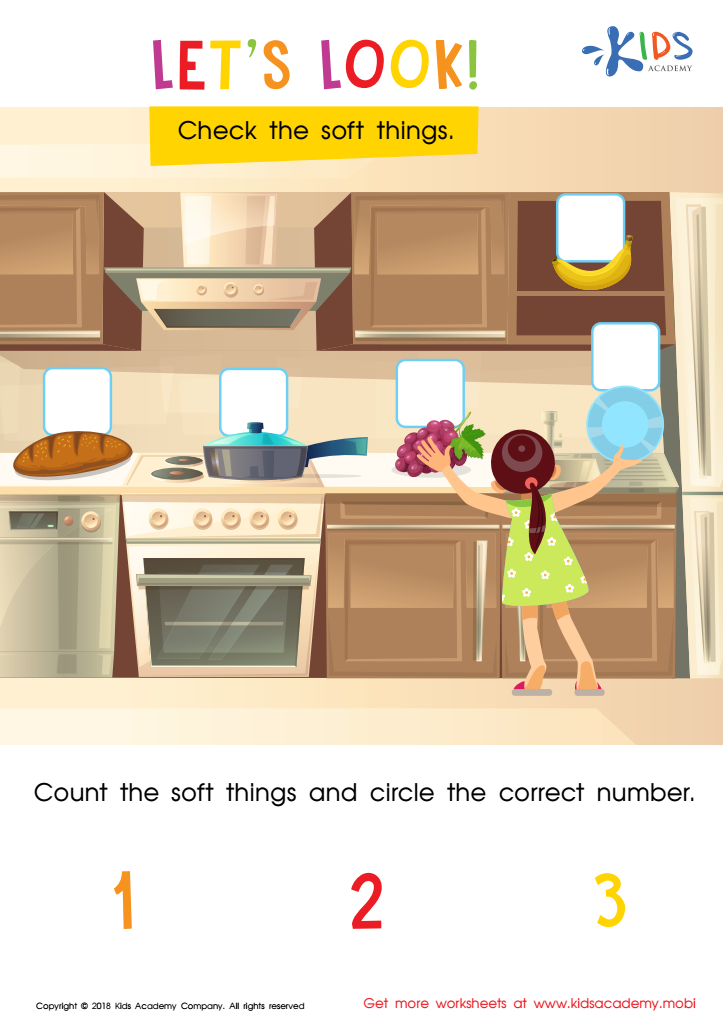
Let's Look! Assessment Worksheet
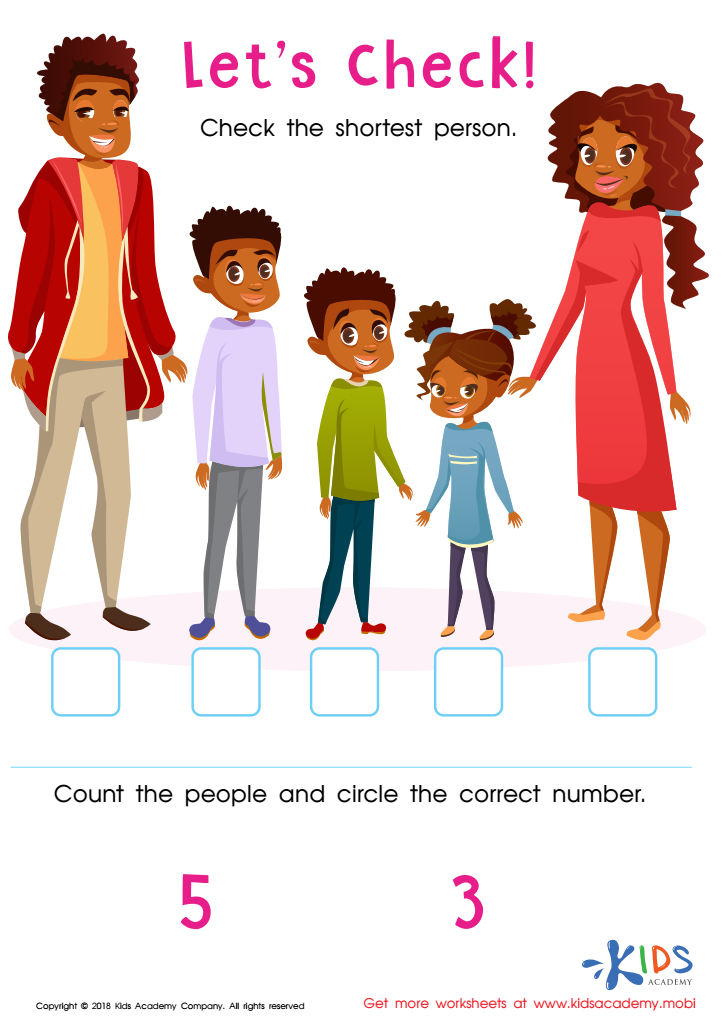
Let's Check! Assessment Worksheet
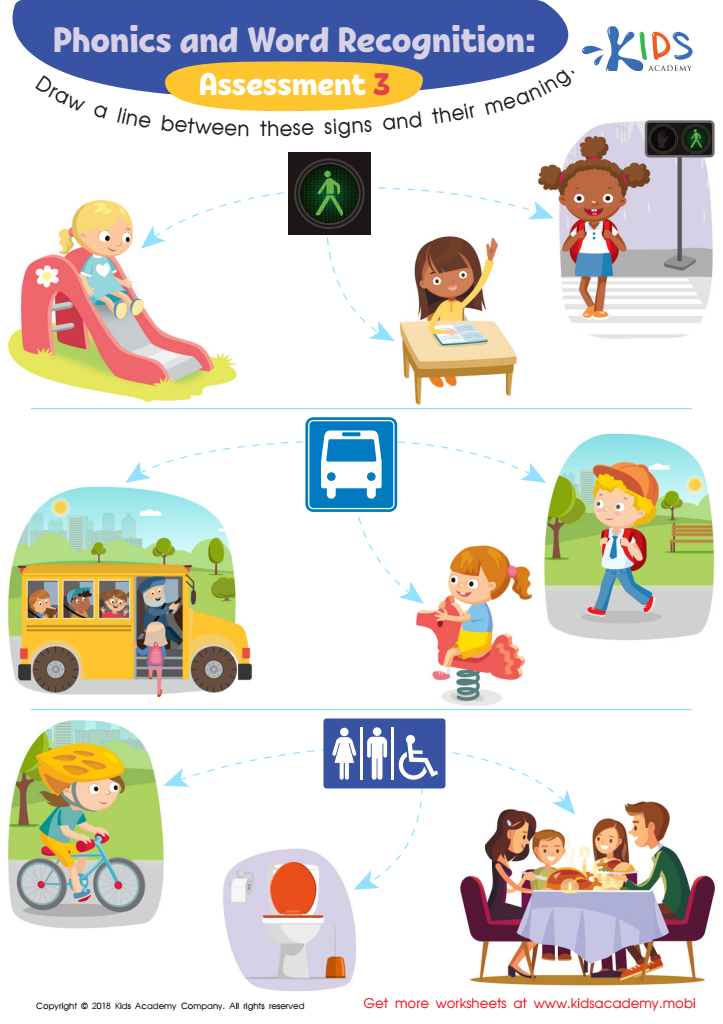
Phonological Awareness: Assessment 3 ELA Worksheet


.jpg)




Parents and teachers should care about the counting skills of 3-year-olds because these foundational skills have a significant impact on a child's early development and future academic success. At this age, children are at a critical stage for cognitive growth, and engaging them in counting activities supports the development of essential numeracy concepts, such as number recognition, quantity understanding, and basic arithmetic.
Counting skills help children comprehend the world around them by making connections between numbers and everyday objects. For instance, when counting apples in a basket or steps in a staircase, children learn to associate numbers with real-life items, enhancing their observational and analytical abilities. This practical understanding of numbers sets the stage for more complex math skills that they will encounter in school.
Furthermore, counting activities boost fine motor skills, memory, and attention span. Sorting and counting small objects like blocks or beads refine hand-eye coordination and precision. These activities also encourage children to verbalize and socialize, promoting language development and communication skills.
Early proficiency in counting fosters a positive attitude toward learning and builds confidence. When parents and teachers invest time in counting skills at this young age, they lay a solid educational foundation, ensuring that children are well-prepared for the academic challenges ahead and adept at navigating the numerical aspects of the world.