Alphabet Recognition Grammar Worksheets for 3-Year-Olds
3 filtered results
-
From - To
Boost your 3-year-old's learning journey with our fun and engaging Alphabet Recognition Grammar Worksheets! Specially designed for young learners, these printable activities will help your child recognize and write letters while building foundational grammar skills. Our worksheets incorporate colorful images and simple exercises to keep little ones entertained and focused. Ideal for at-home learning or supplementary classroom materials, these trusted resources cater to early childhood education standards. Improve your child's alphabet recognition and pave the way for successful reading and writing. Visit Kids Academy and start exploring our collection today!
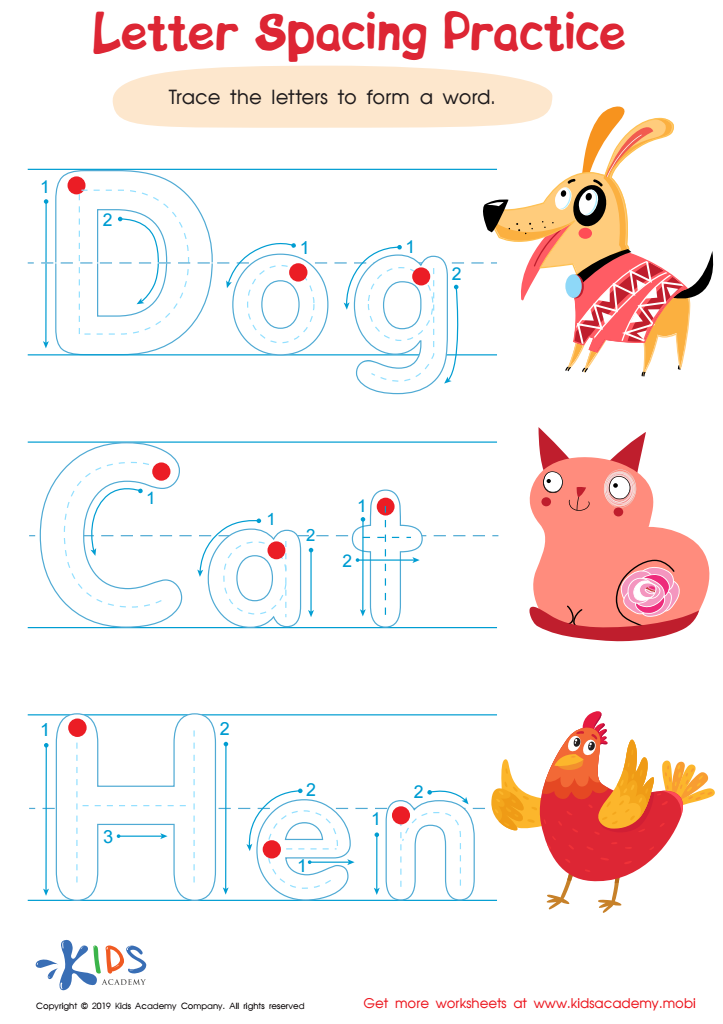
Letter Spacing Practice Worksheet
 Assign to My Students
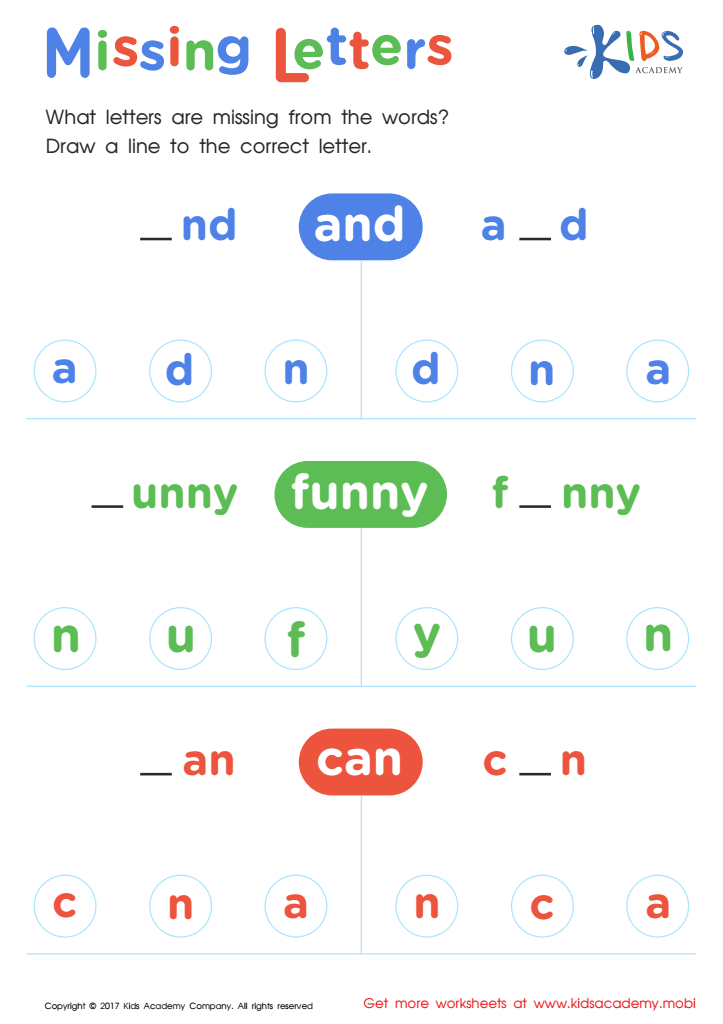
Missing Letters Worksheet
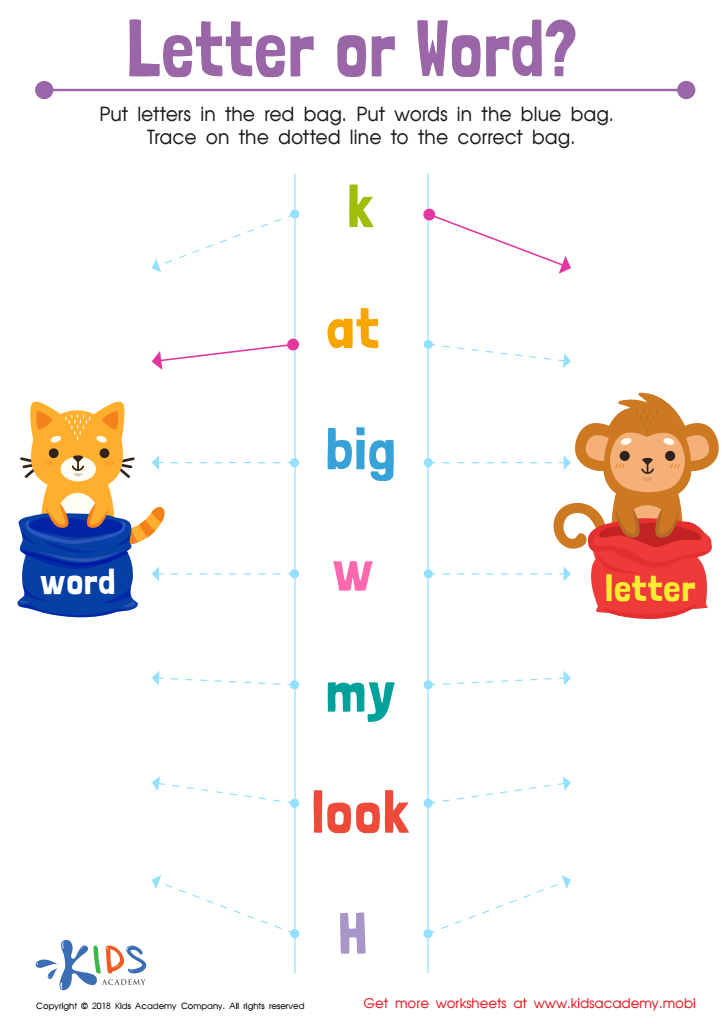
Letter or Word? Worksheet



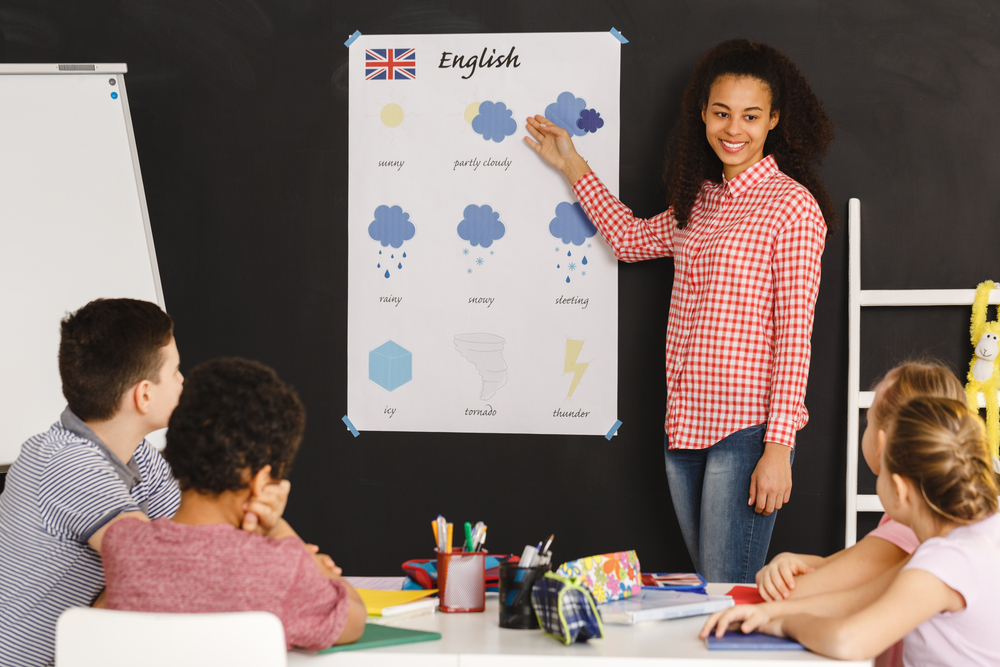



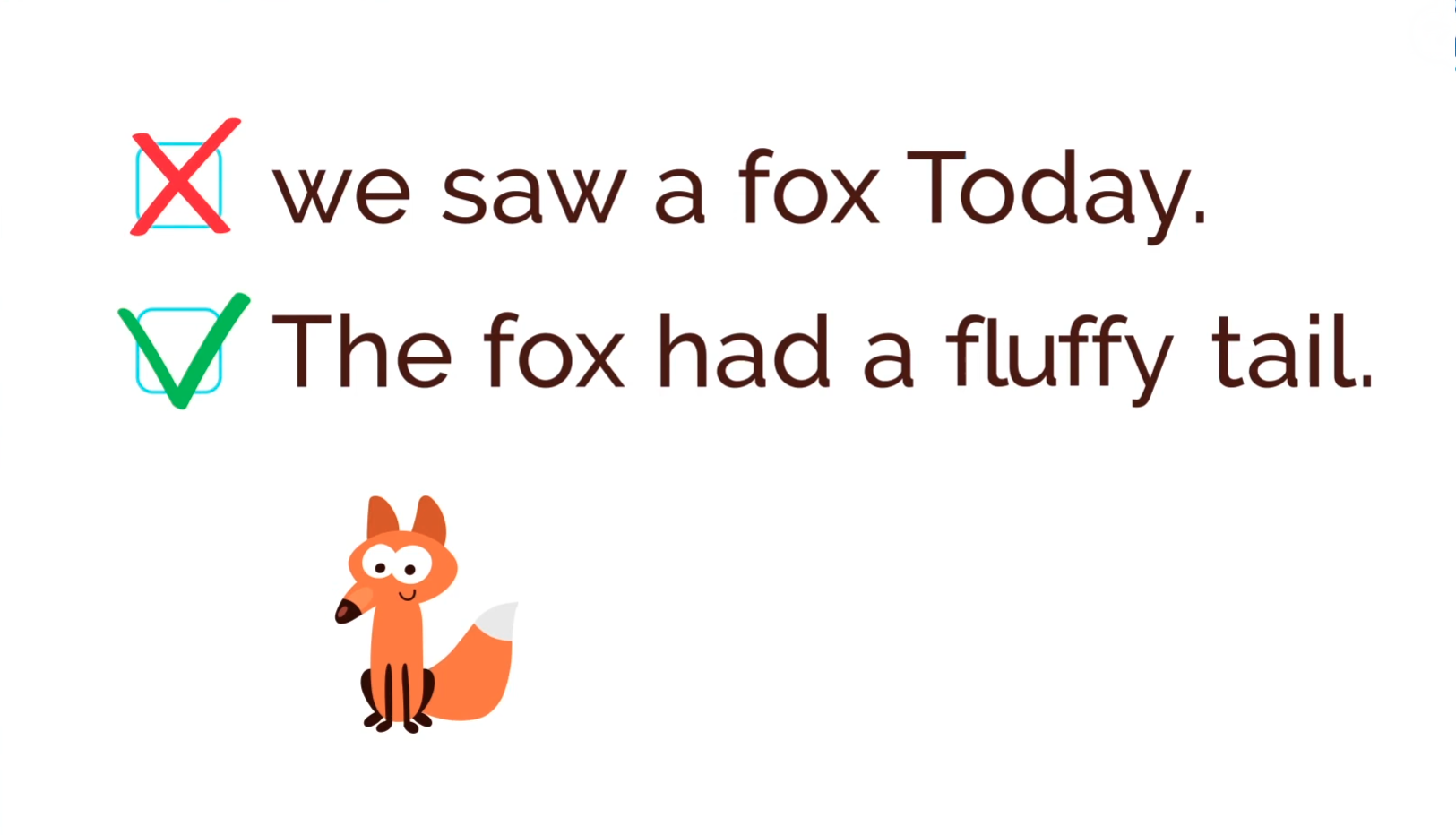
Alphabet recognition and basic grammar skills serve as fundamental building blocks for a child’s literacy development, making them crucial areas of focus even for 3-year-olds. By integrating these skills early on, parents and teachers can set a solid foundation for future academic success.
Alphabet recognition helps children familiarize themselves with the letters of the alphabet, which is the stepping stone to word formation. When children recognize letters, they are more likely to understand that these letters combine to form words, fostering early reading skills. Furthermore, children who can identify letters find it easier to associate specific sounds with each letter, aiding in phonemic awareness, which is essential for reading proficiency.
On the other hand, introductory grammar exposure introduces children to the rules that govern language structure. Understanding basic grammar aids children in forming coherent sentences, which improves both their spoken and written communication skills. Early grammar lessons can be as simple as grasping the difference between a noun and a verb or constructing simple sentences, which helps children start to understand and anticipate patterns in language.
In summary, early emphasis on alphabet recognition and grammar enhances not only literacy but also overall cognitive development, paving the way for effective communication, critical thinking, and academic achievement in the later stages of education. Therefore, parents and teachers should value and support these early learning experiences.








