
Letter Tracing Practice ABC Letters Worksheets for Ages 4-5
3 filtered results
Difficulty Level
Grade
Age
-
From - To
Subject
Activity
Standards
Boost early writing skills with our "Letter Tracing Practice ABC Letters Worksheets" designed for ages 4-5. These engaging, printable sheets make learning fun by helping young learners trace uppercase and lowercase letters. Each worksheet fosters proper pencil grip, letter recognition, and fine motor skills, laying a solid foundation for their future literacy journey. Ideal for both classroom and at-home practice, our expertly crafted materials ensure your child gains the confidence and proficiency needed for writing. Join us today at Kids Academy and empower your little one to master the alphabet one trace at a time!
Favorites
With answer key
Interactive
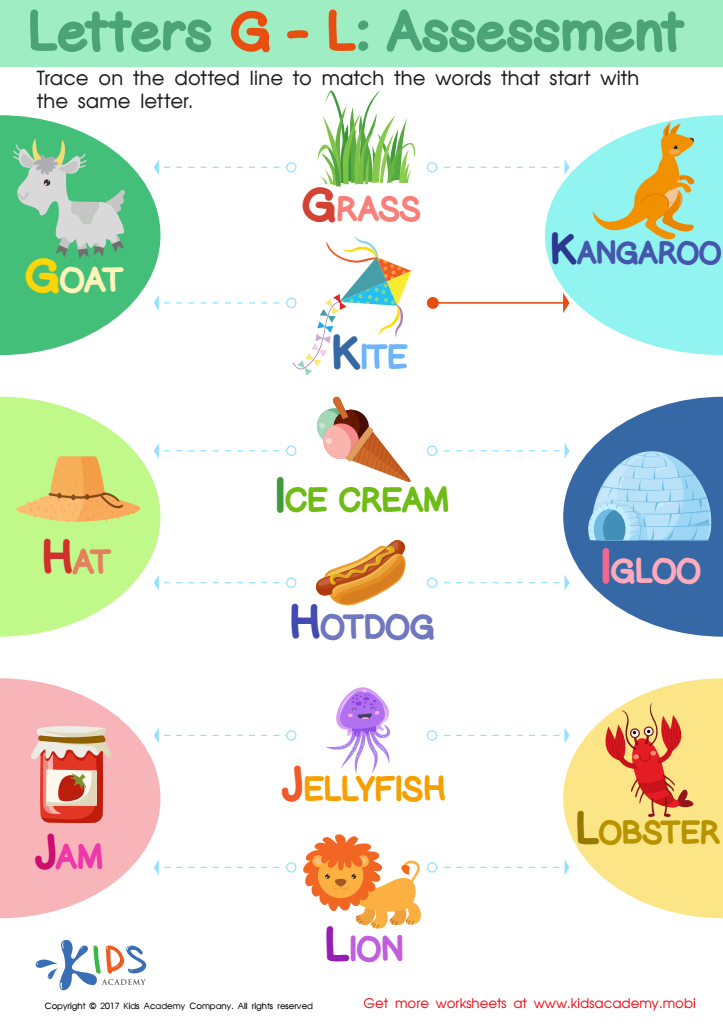
Letters G-L Worksheet
This fun worksheet helps preschoolers develop reading and phonics skills. It gets kids to match G-L words that start with the same letter, making it engaging and educational.
Letters G-L Worksheet
Worksheet





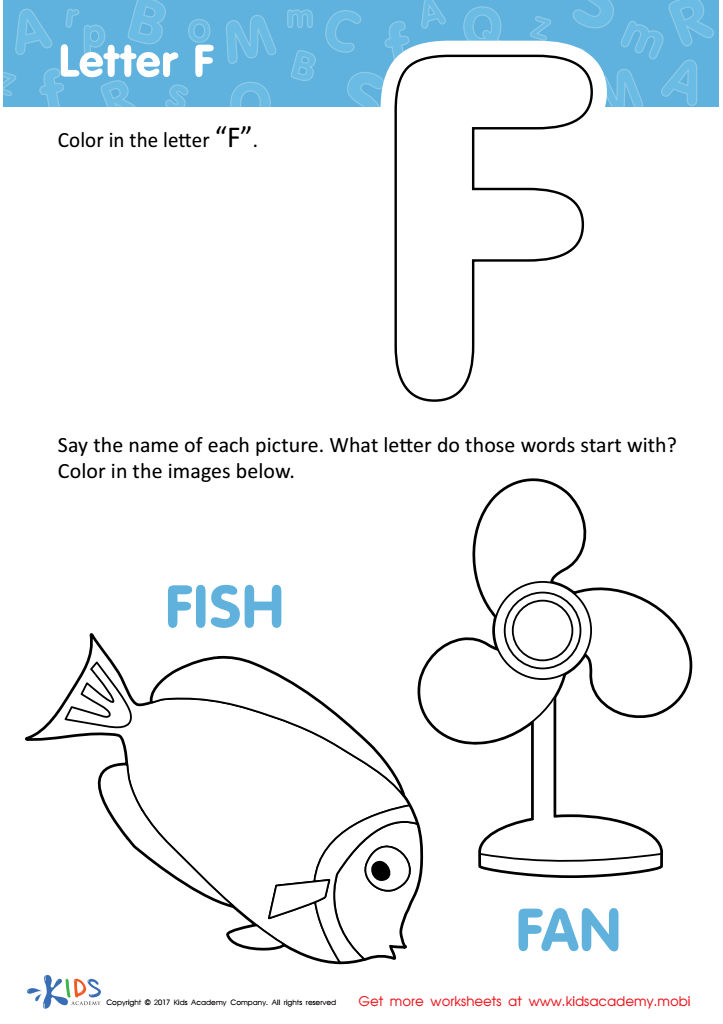
Letter F Coloring Sheet
Coloring pages help kids learn to recognize letters and sounds. Our "F" page has kids color a fish and a fan. It's a great way to introduce them to the letter "F" using words they already know.
Download (PDF)
 Assign to My Students
Assign to My Students
Letter F Coloring Sheet
Worksheet
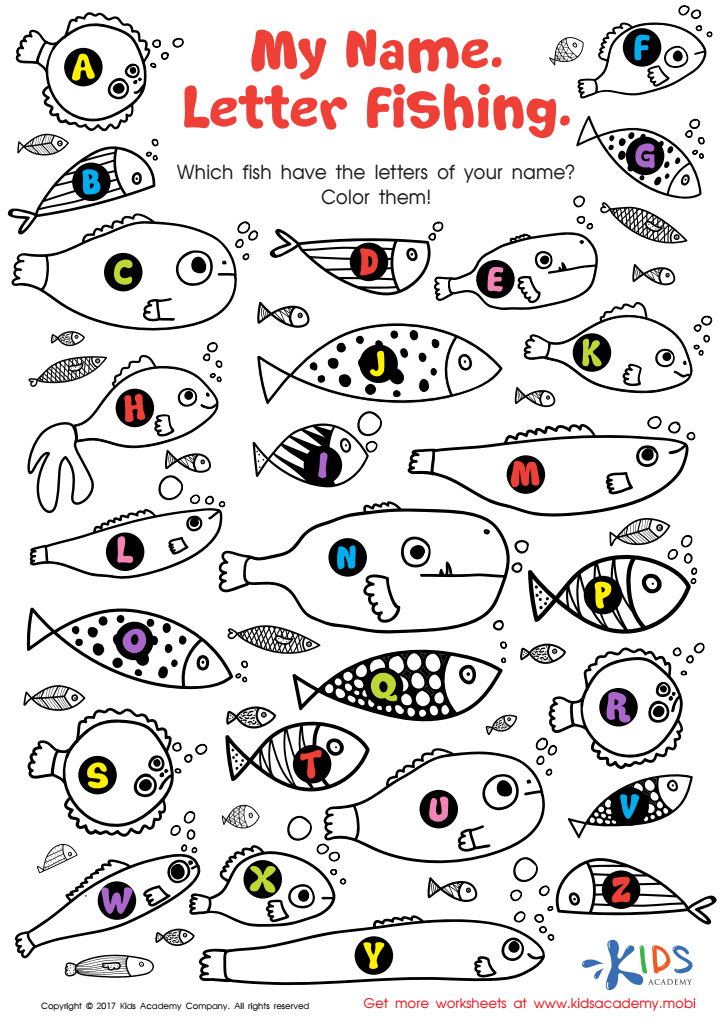
My Name: Letter Fishing Worksheet
Dive into the deep sea and search for fish with a letter on them. Can you find all the letters from your name? Color your favorite fish with crayons and be creative! On the other side, use the letters you found to write your name. Have fun coloring and finding the letters of your name! (80 words)
Download (PDF)
Assign to My Students
Assign to My Students
My Name: Letter Fishing Worksheet
Worksheet
Join Kids Academy for Free
Who is primarily going to use this learning content?






Letter tracing practice is a fundamental activity for early literacy development among children ages 4-5, the crucial preschool and kindergarten years. When parents and teachers emphasize letter tracing, they lay the groundwork for essential academic and life skills.
Firstly, tracing letters helps develop fine motor skills, particularly the dexterity and hand-eye coordination needed for writing. By practicing the structured motion of writing letters, children also enhance their muscle memory, which streamlines the transition to freehand writing.
Additionally, letter tracing familiarizes children with the alphabet, establishing a strong foundation for reading and writing. Seeing and tracing letters repeatedly reinforces letter recognition and phonemic awareness—understanding that each letter corresponds to sounds in spoken language. This early exposure is crucial, as literacy skills are strongly linked to overall academic success and confidence in learning.
Moreover, letter tracing fosters concentration and discipline. As young learners focus on following patterns and staying within lines, they develop patience and attention to detail.
In essence, encouraging letter tracing practice gives children a significant advantage, prepping them with necessary skills that serve as the building blocks for literacy and academic achievements. By investing time in such practices, parents and teachers help cultivate an environment geared towards initial educational success and lifelong learning benefits.







