Phonics practice Beginning Sounds Worksheets for Ages 4-5
5 filtered results
-
From - To
Discover a perfect resource for early learners with our Phonics Practice Beginning Sounds Worksheets designed for ages 4-5. These engaging worksheets provide a fun way to help young children develop essential phonemic awareness by identifying initial sounds in words. Each worksheet features vibrant illustrations and interactive activities that make learning enjoyable and effective. Ideal for both classroom settings and at-home practice, our worksheets cater to different learning styles and support young readers on their literacy journey. Enhance your child's reading skills and boost their confidence with our thoughtfully created phonics resources. Start the adventure in learning today!
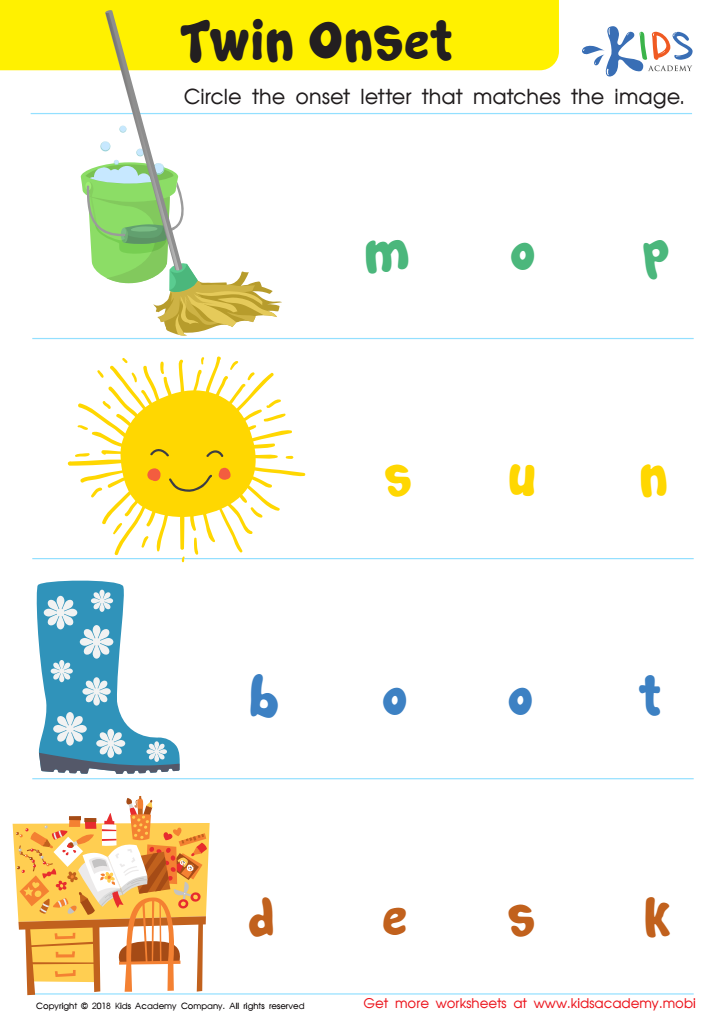
Twin Onset Worksheet
 Assign to My Students
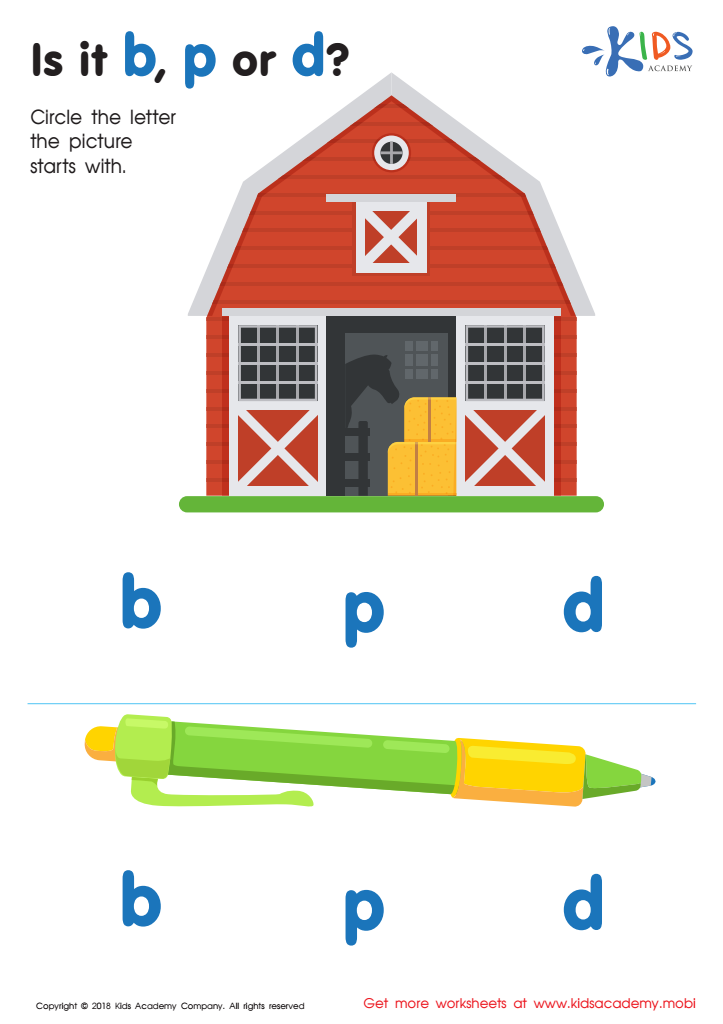
Is it b, p or d? Worksheet
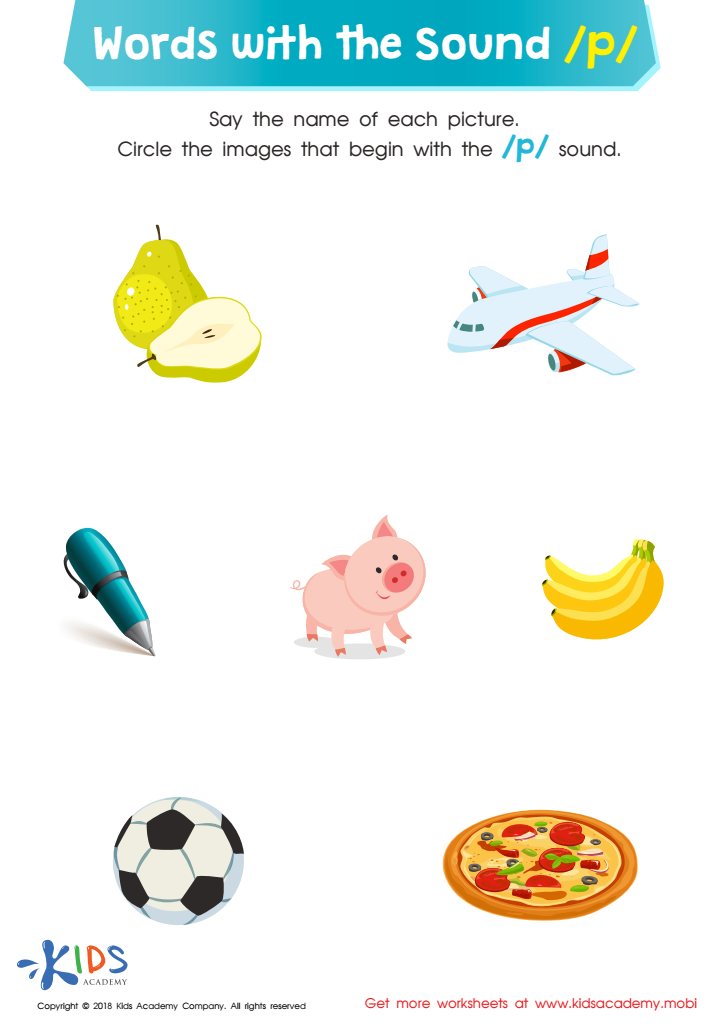
Words with sound p Reading Worksheet
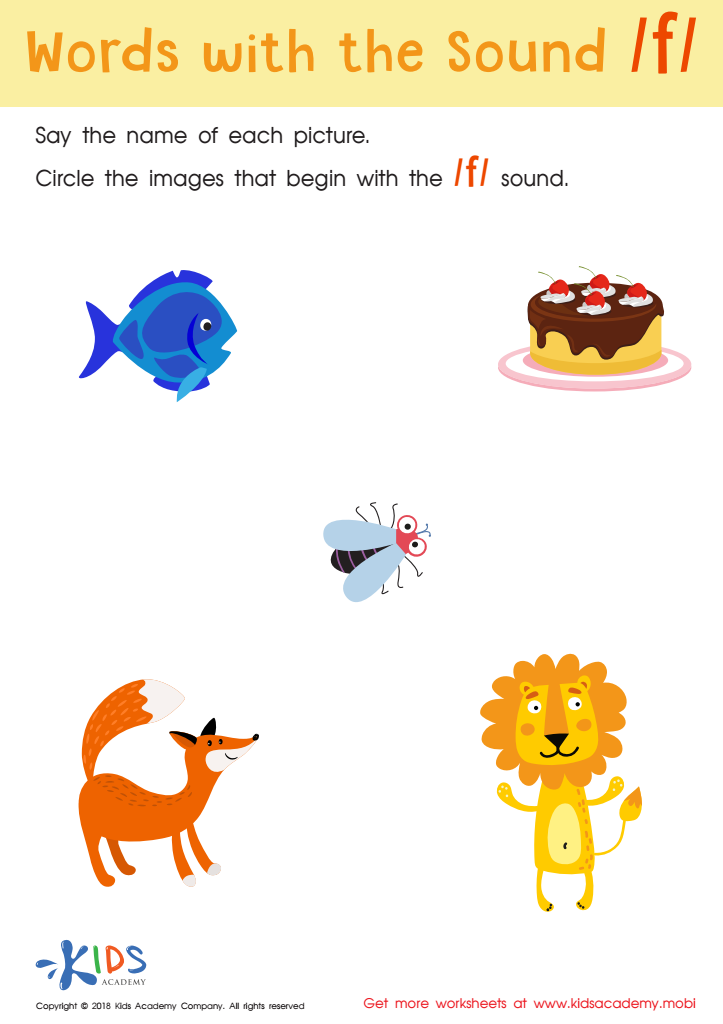
Words with sound f Reading Worksheet
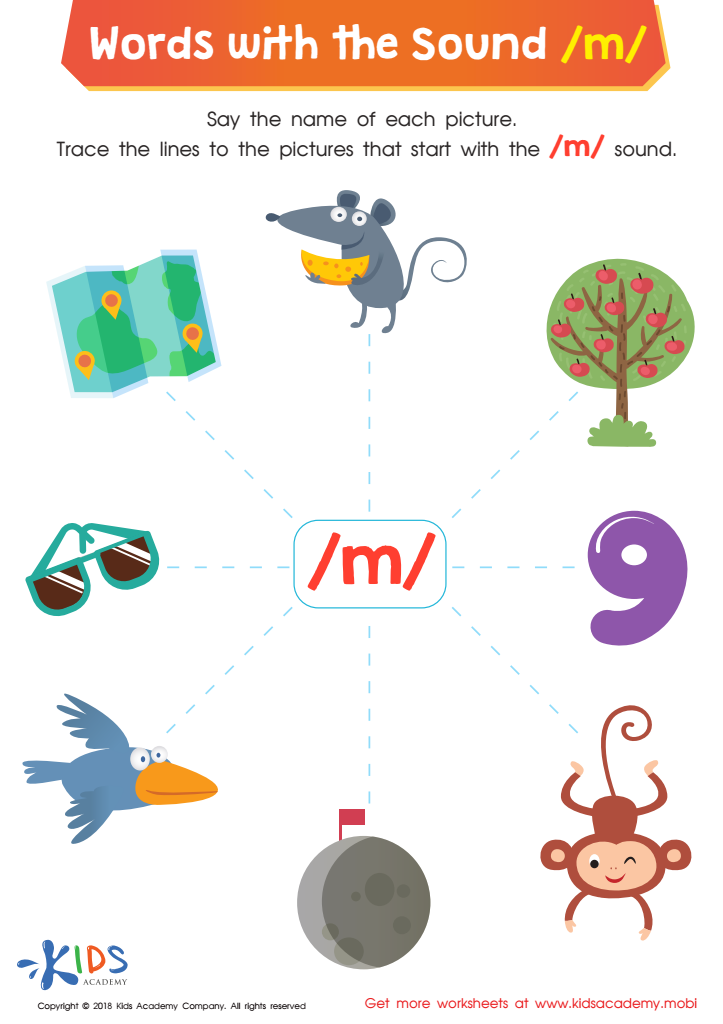
Words with Sound M Reading Worksheet








Phonics practice, especially focusing on beginning sounds, is crucial for children aged 4-5 as it lays the foundation for reading and literacy development. Understanding beginning sounds helps children make connections between sounds and letters, which is essential in the early stages of learning to read. At this age, children are developing their phonemic awareness, a skill that involves recognizing and manipulating sounds in spoken language.
Parents and teachers should prioritize phonics practice because it enhances a child’s ability to decode words, thereby improving their overall reading skills. Engaging activities that promote identifying beginning sounds can make learning fun and interactive, fostering a love for reading. This early exposure to phonics not only supports literacy but also boosts vocabulary, comprehension, and even writing skills as children learn to sound out words when spelling.
Moreover, strong phonics skills can lead to greater confidence in reading, reducing frustration in later grades. As literacy is a key indicator of academic success, investing time in phonics practice for young learners can set the stage for lifelong learning. Ultimately, supporting children with beginning sounds cultivates essential skills that will benefit them in all areas of education and personal growth.







