Vocabulary expansion Elementary Phonics Worksheets for Ages 4-5
5 filtered results
-
From - To
Discover our engaging Vocabulary Expansion Elementary Phonics Worksheets designed for children aged 4-5. These worksheets are perfect for young learners to enhance their phonics skills while building a rich vocabulary. Each activity focuses on introducing new words through fun, hands-on exercises that promote reading comprehension and language development. With colorful illustrations and interactive tasks, children will enjoy practicing letter sounds and word recognition. Designed to promote independent learning, these worksheets cater to early learners' needs, ensuring they grasp essential phonetic concepts while expanding their vocabulary. Encourage your child's literacy journey with our thoughtfully crafted resources for a solid language foundation!
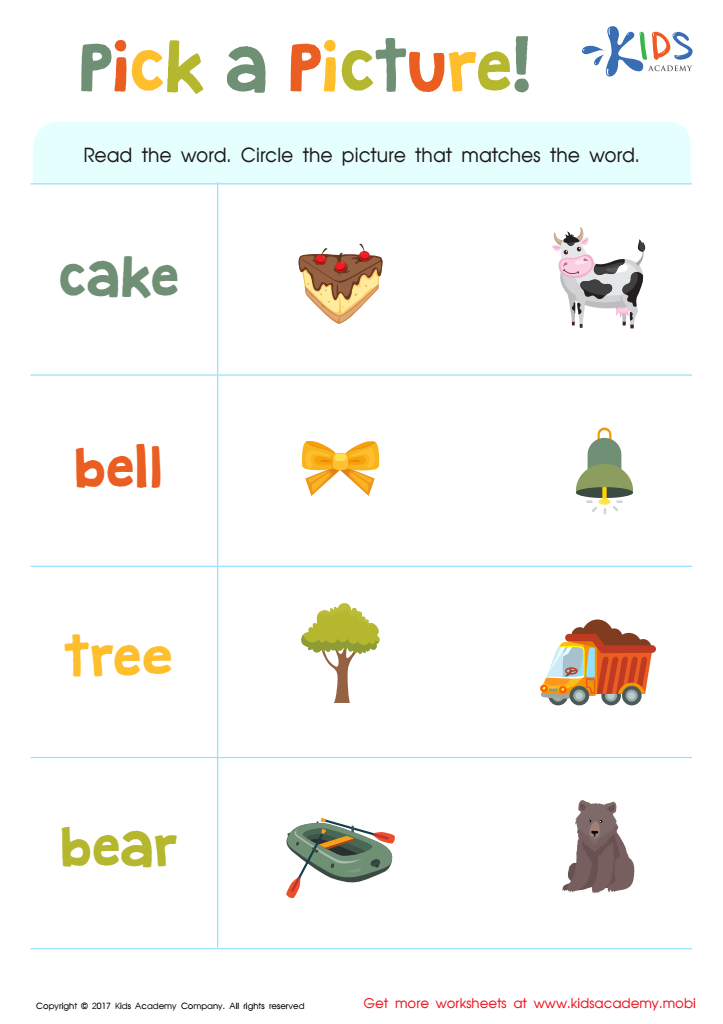
Pick a Picture Word Recognition Worksheet

Long and Short U Worksheet
 Assign to My Students
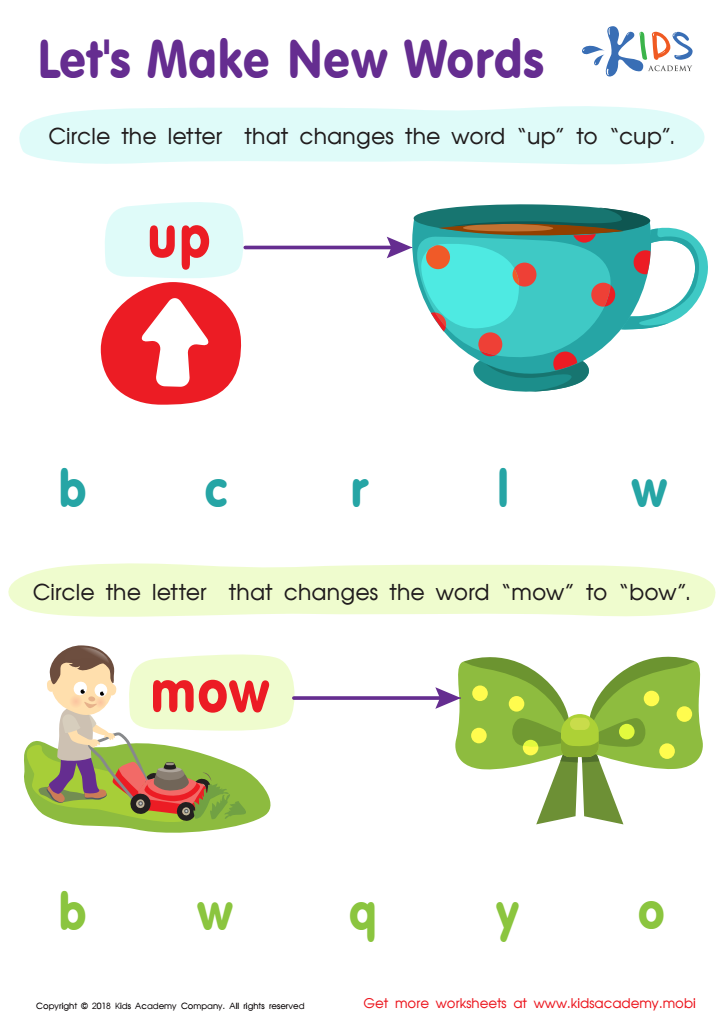
Let's Make New Words Worksheet
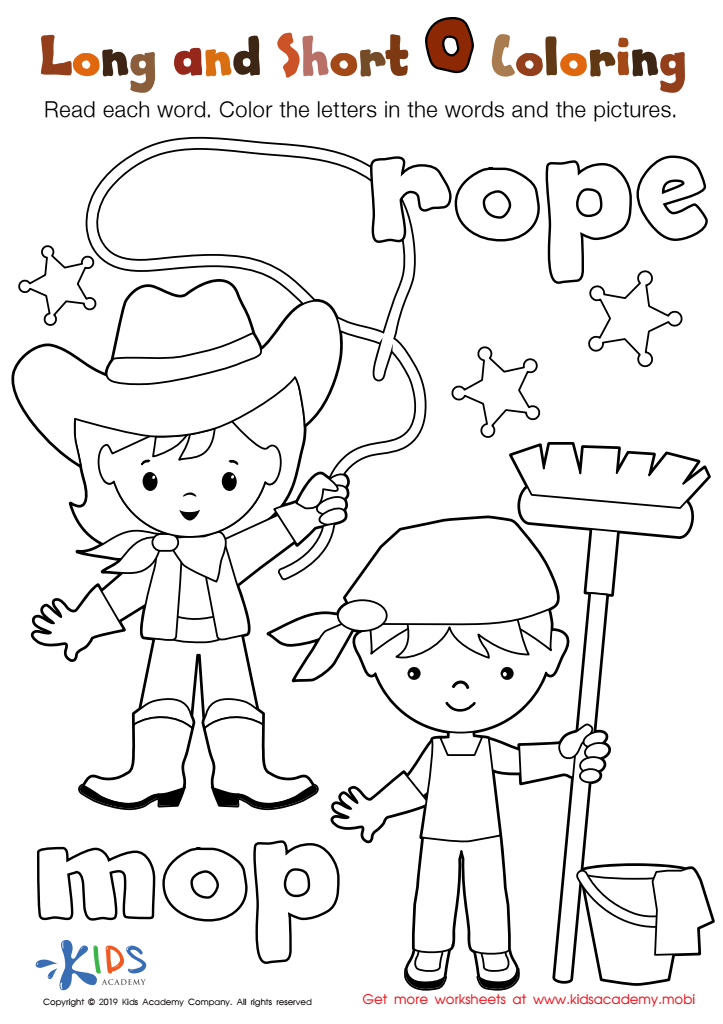
Long and Short O Worksheet
Assign to My Students
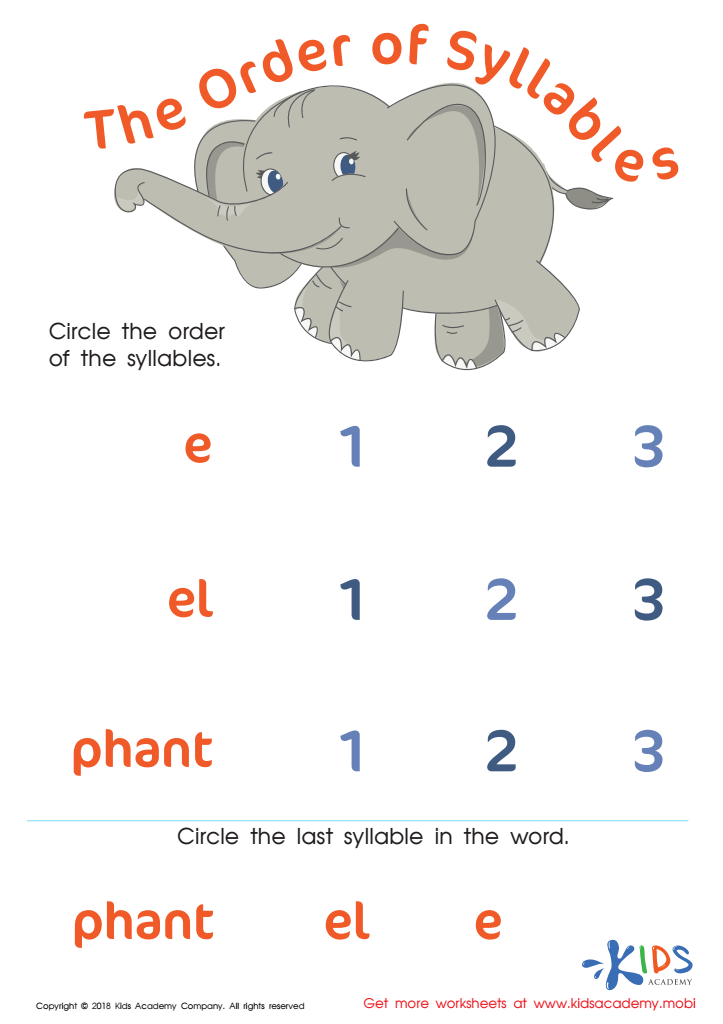
The Order of Syllables Worksheet




Vocabulary expansion through phonics is crucial for children aged 4-5 as it lays the foundation for their literacy development. At this stage, children are rapidly acquiring language skills, and enhanced vocabulary significantly contributes to their overall learning and cognitive growth. Understanding phonics—the relationship between sounds and letters—helps these young learners decode new words, which increases their reading fluency and comprehension.
Parents and teachers should care about vocabulary expansion because it empowers children to participate more fully in conversations, express their thoughts and feelings, and build social skills. A rich vocabulary enhances a child's ability to engage with various texts, thereby fostering a love for reading. This is vital, as strong reading skills correlate with academic success in all subjects throughout their educational journey.
Moreover, early vocabulary development supports critical thinking skills and emotional intelligence, as children articulate their ideas and understanding of the world around them. Investing time in phonics and vocabulary activities lays a positive groundwork for lifelong learning habits. Overall, enhancing vocabulary through phonics not only nurtures reading skills but also ensures children are confident communicators and learners, prepared for future educational challenges.







