Letter-sound association Letter Recognition Worksheets for Ages 4-5
8 filtered results
-
From - To
Discover our engaging Letter-Sound Association Letter Recognition Worksheets for children aged 4-5! These interactive worksheets are designed to help young learners connect letters with their corresponding sounds, fostering early literacy skills in a fun and effective way. Each activity promotes recognition of uppercase and lowercase letters while enhancing phonemic awareness. Tailored to meet developmental needs, our worksheets encourage children to practice through coloring, tracing, and matching games. Perfect for classroom or home use, these resources provide an enjoyable foundation for reading readiness. Help your child build essential language skills and prepare for academic success with our thoughtfully designed materials!
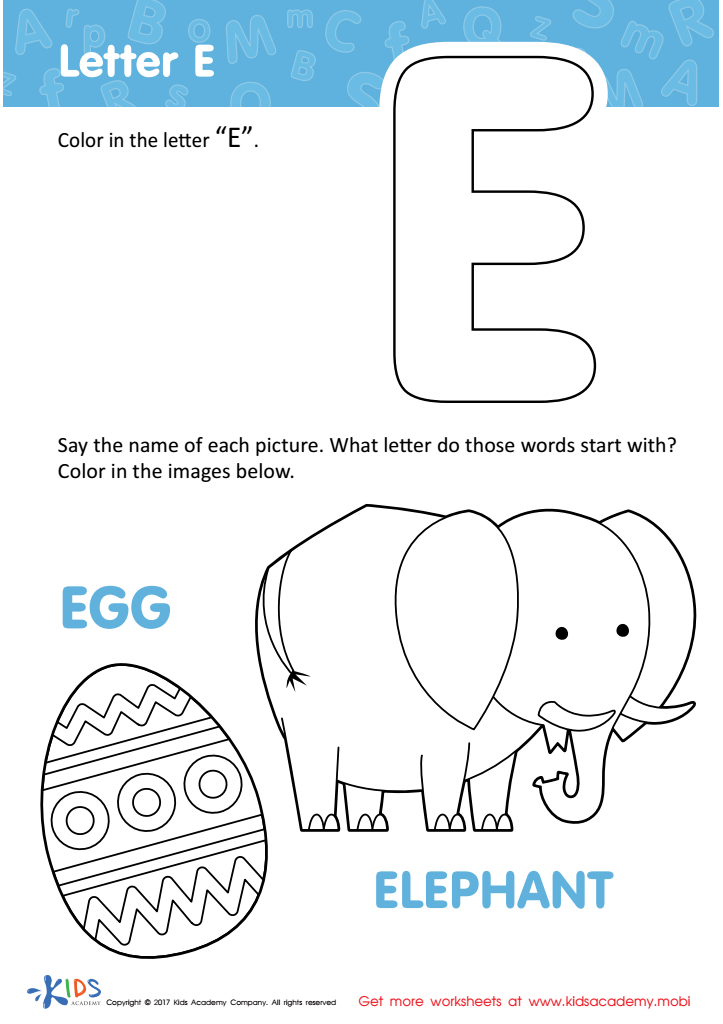
Letter E Coloring Sheet
 Assign to My Students
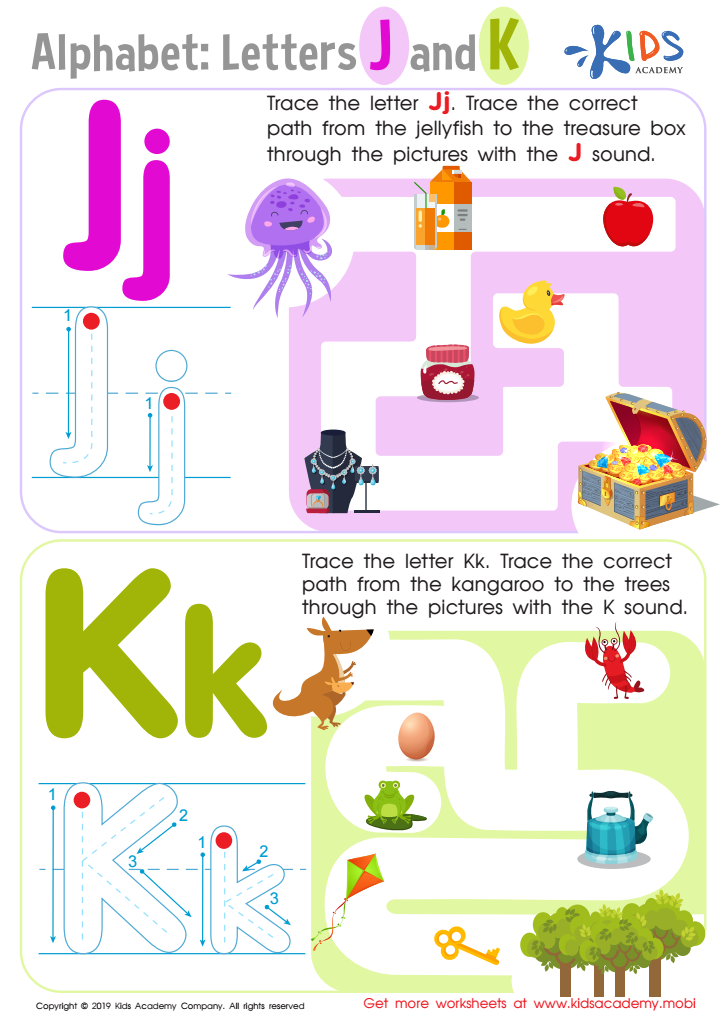
Letters J and K Tracing Worksheet
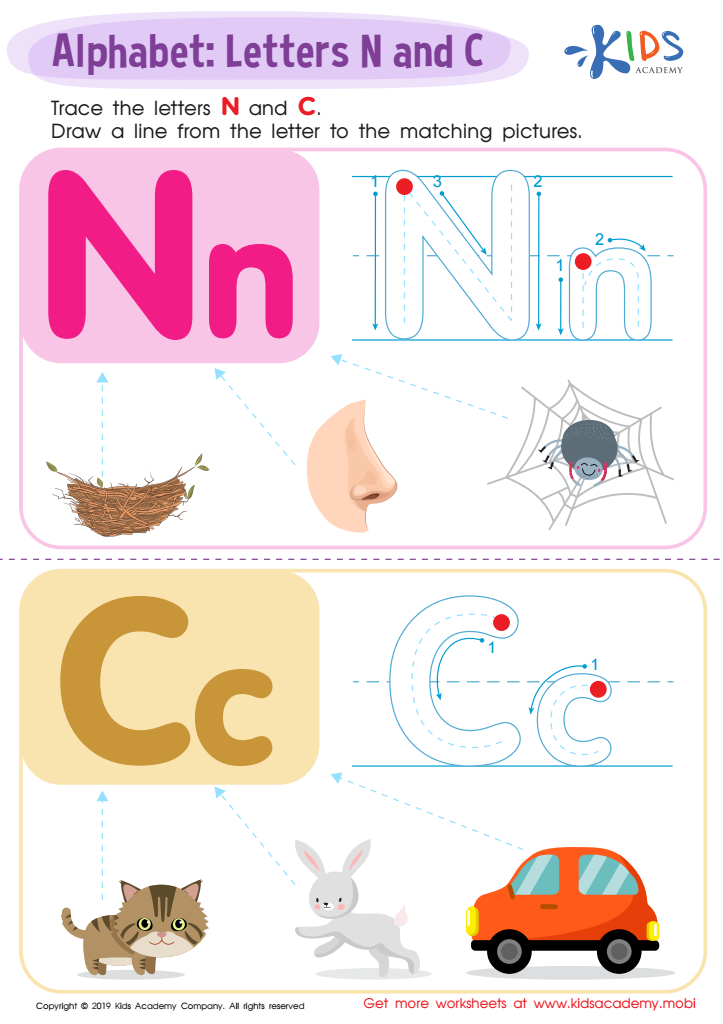
Letter N and C Tracing Worksheet
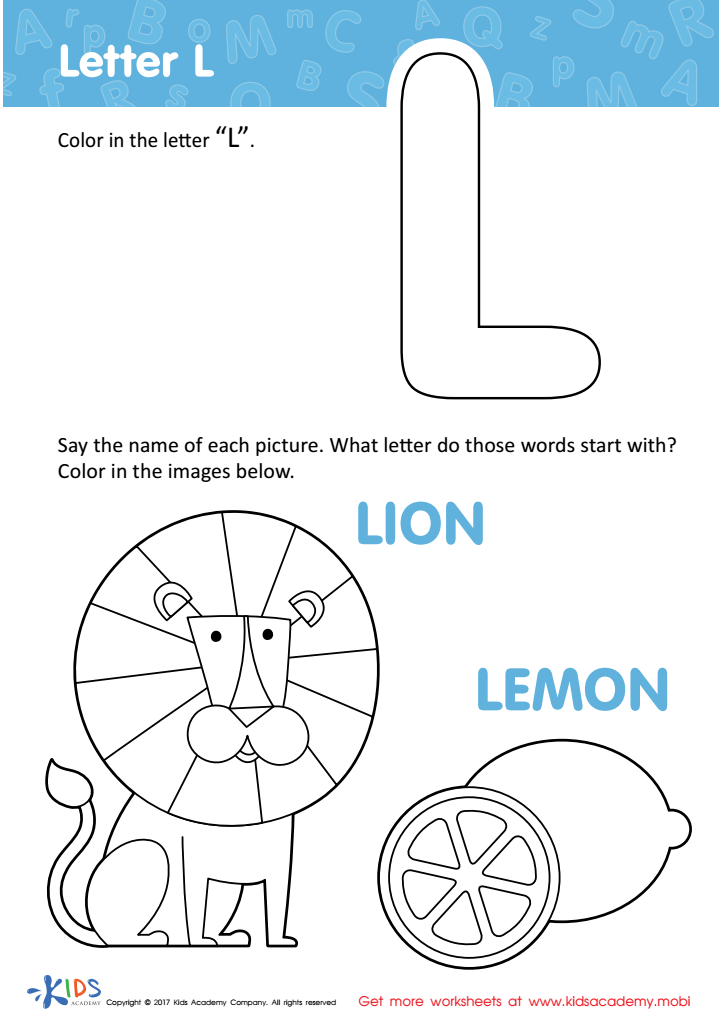
Letter L Coloring Sheet
Assign to My Students
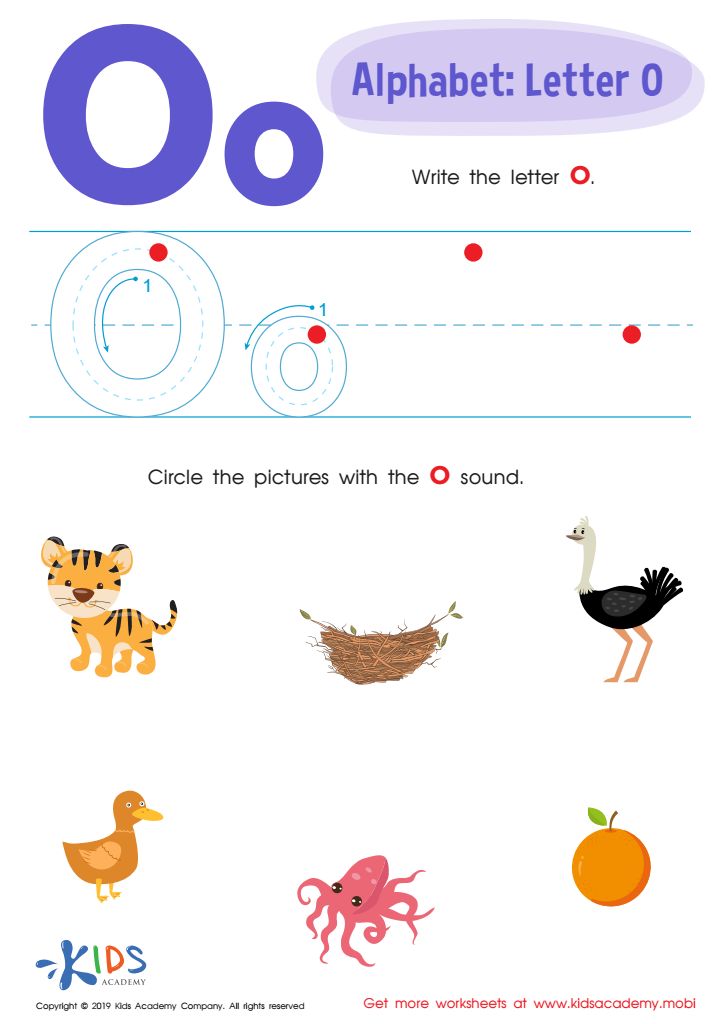
Letter O Tracing Worksheet
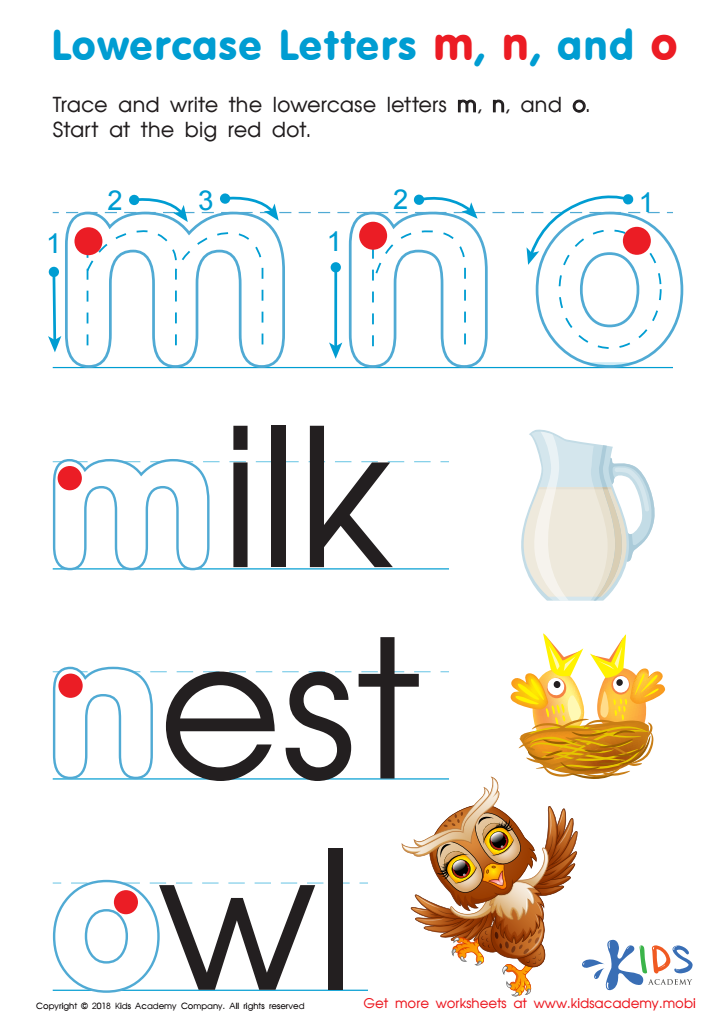
Lowercase Letters m n o Worksheet
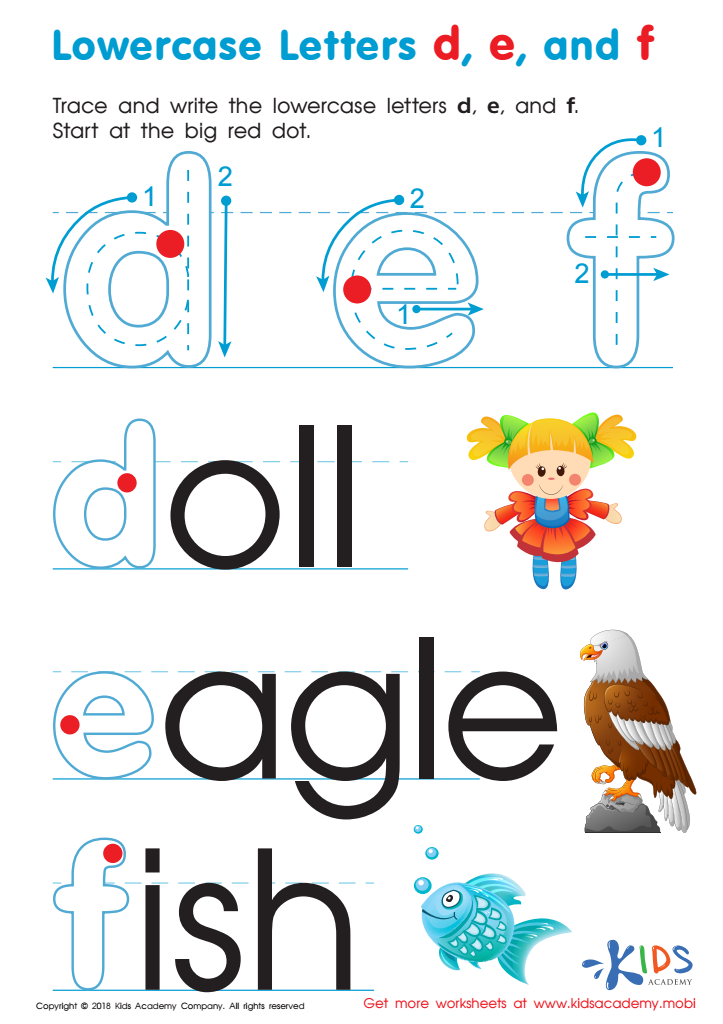
Lowercase Letters d e f Worksheet
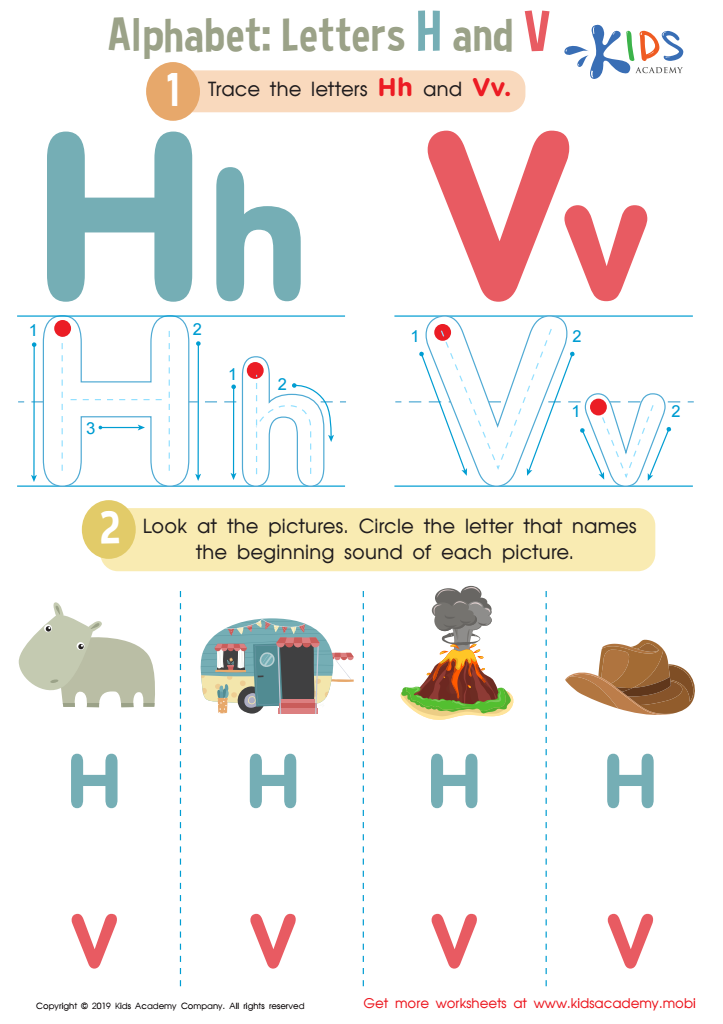
Letters H and V Tracing Worksheet








Letter-sound association and letter recognition are foundational skills crucial for early literacy development in children ages 4-5. Understanding these concepts allows young learners to decode words, thereby enhancing their reading abilities. When children can identify letters and associate them with their corresponding sounds, they become better equipped to begin reading simple texts, leading to greater confidence and enjoyment in literacy.
Parents and teachers should care about these skills as they directly impact a child's academic success. Early mastery can lead to higher reading proficiency, which is linked to improved overall learning outcomes across subjects. Furthermore, fostering these abilities at a young age promotes critical thinking and language skills, thus enhancing communication.
Additionally, engaging in letter recognition and sound association activities fosters a positive learning environment. It presents a wonderful opportunity for bonding—whether through reading together or playing educational games. Supporting these skills in early childhood sets the stage for lifelong learning habits. As proficient readers are more likely to enjoy exploring concepts, this investment in basic literacy in socio-emotional development is invaluable. Ultimately, early educators and caregivers play a pivotal role in empowering children with the skills they need to thrive academically and personally.







