Motor skills development Letter Recognition Worksheets for Ages 4-5
5 filtered results
-
From - To
Unlock your child's potential with our Motor Skills Development Letter Recognition Worksheets, designed specifically for ages 4-5. These engaging activities combine alphabet recognition with essential motor skills, promoting hand-eye coordination, fine motor skills, and early literacy. With vibrant illustrations and interactive exercises, children can practice letter tracing, matching, and identifying letters while having fun. Each worksheet is tailored to foster confidence and achievement in young learners as they explore the world of letters. Perfect for at-home learning or early childhood educators, these resources create a supportive environment for developing foundational skills that will last a lifetime. Start your child's educational journey today!

Letter H Tracing Page
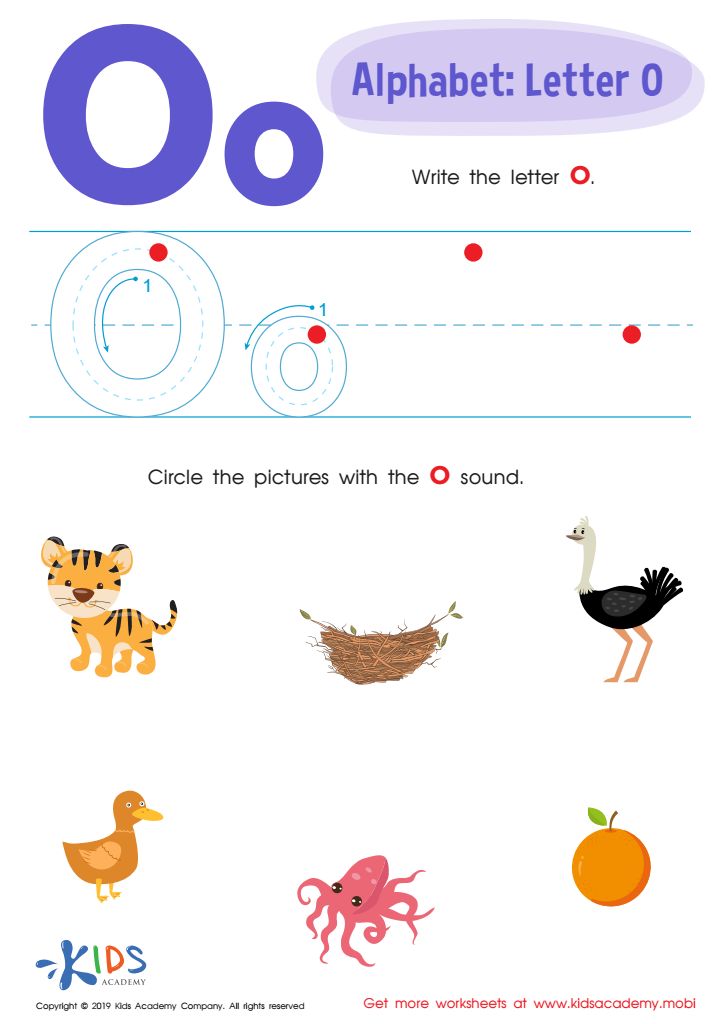
Letter O Tracing Worksheet
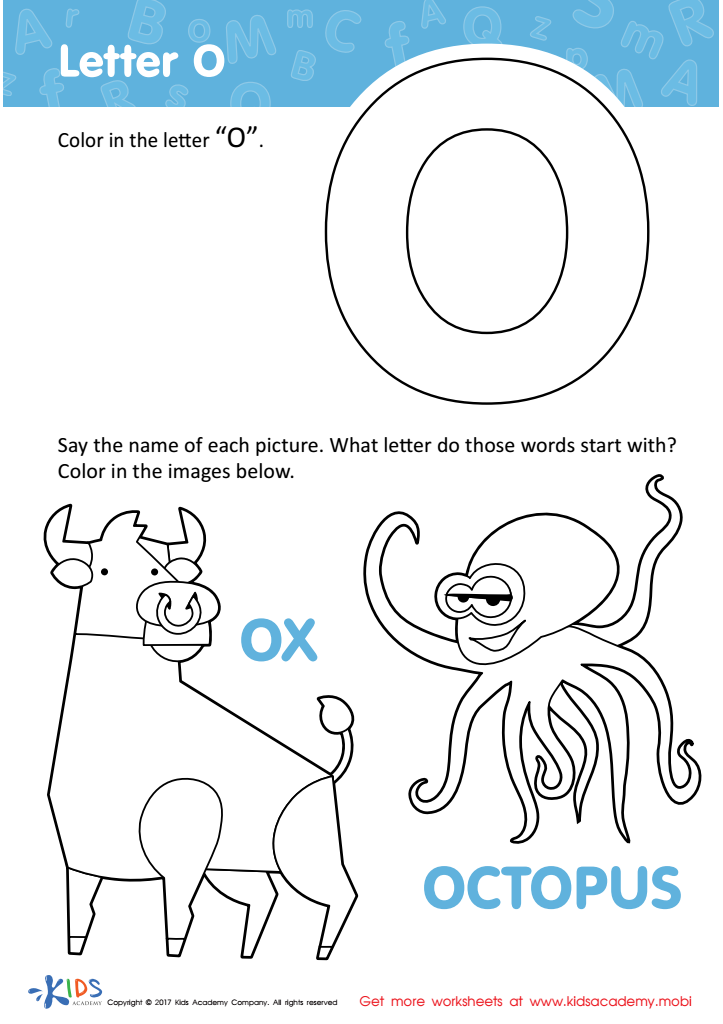
Letter O Coloring Sheet
 Assign to My Students
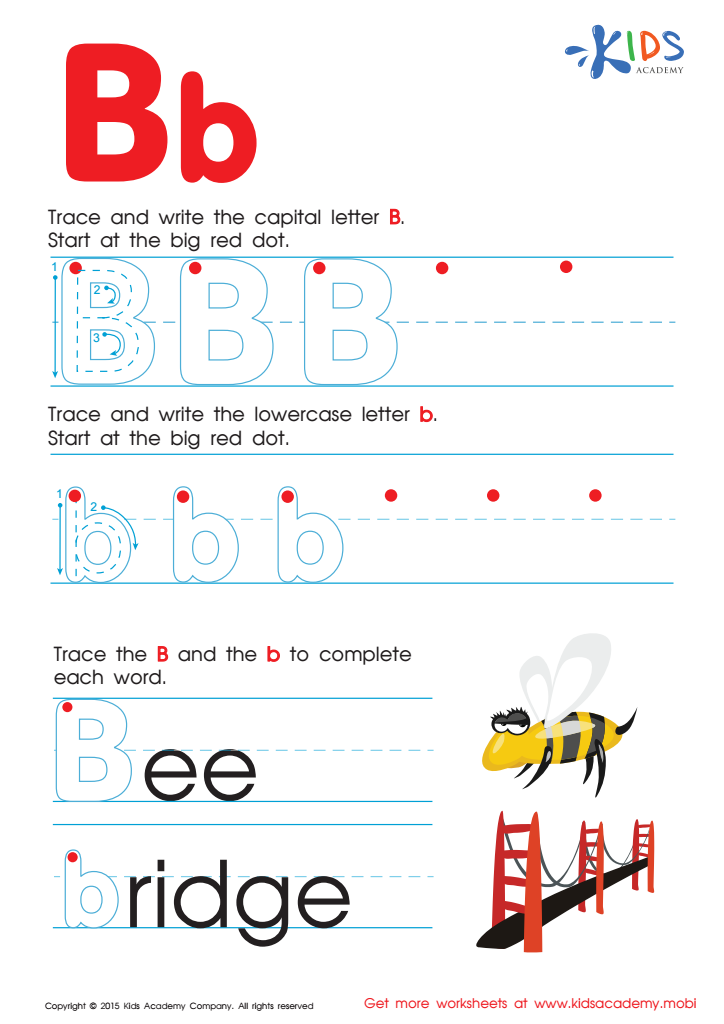
Letter B Tracing Page
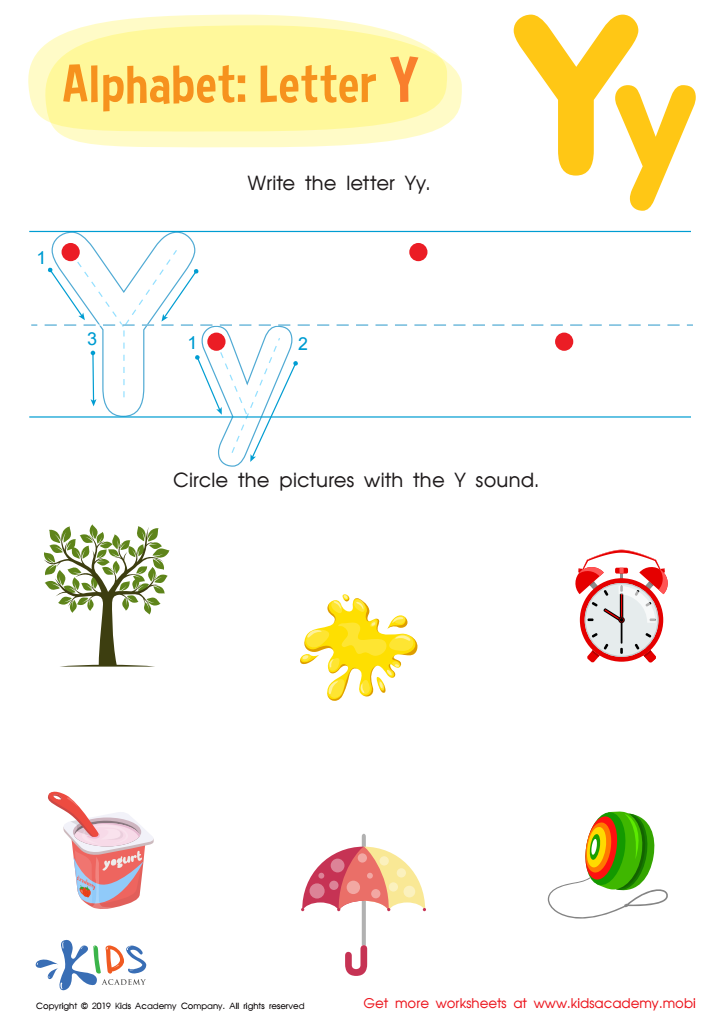
Letter Y Tracing Worksheet








Motor skills development and letter recognition are crucial for children aged 4-5, which is why parents and teachers should prioritize these areas. During this stage of early childhood, children are refining their fine motor skills, which are essential for tasks such as writing, drawing, and self-care activities. Developing these skills not only boosts their confidence but also lays the foundation for future learning.
Letter recognition is equally important, as it plays a pivotal role in literacy development. Recognizing letters distinguishes printed language and helps children understand that letters represent sounds and words, forming the basis for reading and writing. As children engage in activities like tracing letters and manipulating letter blocks, they enhance their motor skills while simultaneously building recognition.
Furthermore, motor skills and letter recognition work synergistically in the classroom. For example, using these skills to engage with hands-on activities encourages children to be active learners. Hence, when parents and teachers invest in this critical developmental phase, they equip children with the necessary tools for academic success and self-expression. Ultimately, nurturing both motor skills and letter recognition fosters students' desire to learn and empowers them for future educational endeavors.







