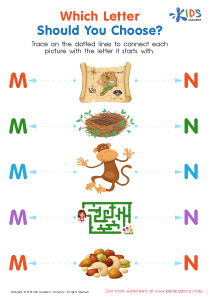
Fine Motor Skills Lowercase/Small Letters Worksheets for Ages 4-5
14 filtered results
-
From - To
Enhance your child's fine motor skills with our engaging lowercase/small letters worksheets for ages 4-5! Designed to support early literacy, these worksheets help children practice letter formation while improving dexterity and hand strength. Each activity is thoughtfully crafted to keep young learners excited and motivated as they trace, connect, and create letter shapes. Perfect for at-home learning or classroom use, our interactive worksheets promote essential skills that lay the foundation for future writing success. Unlock your child's potential in a fun and meaningful way—explore our collection today and watch their confidence soar as they master the alphabet!
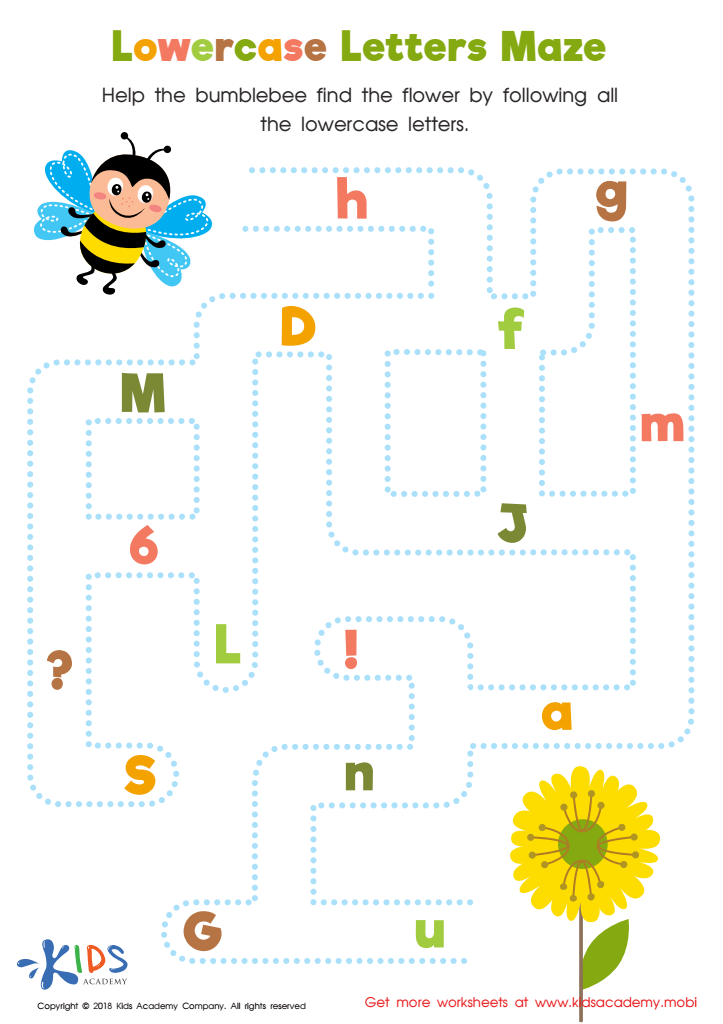
Lowercase Letters Maze Worksheet
 Assign to My Students
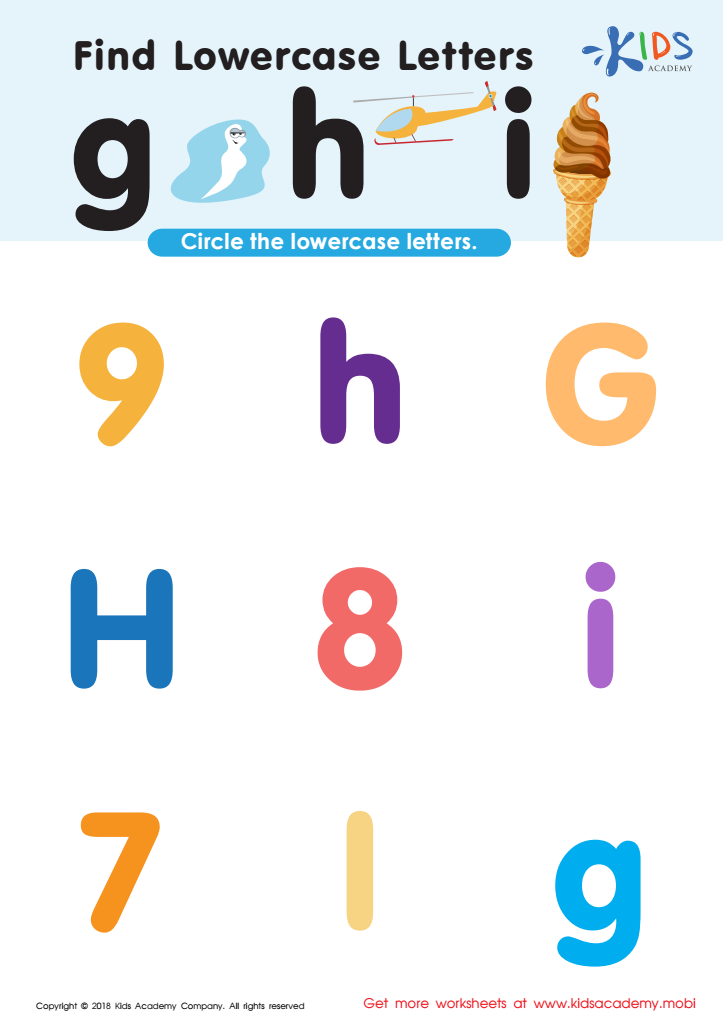
Find Lowercase Letters g h i Worksheet
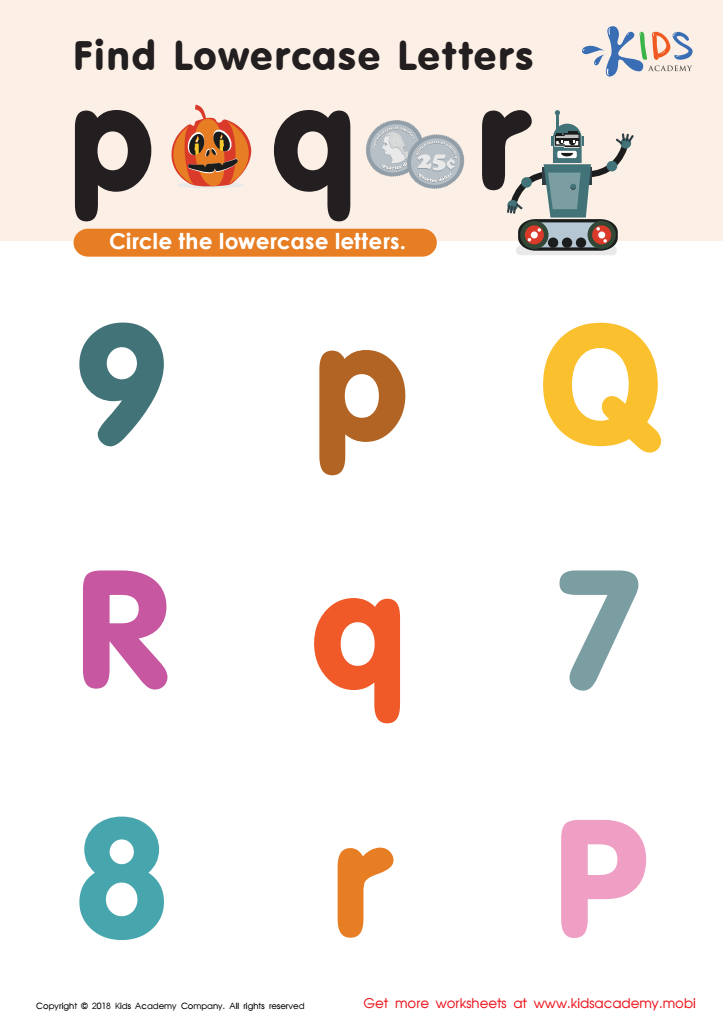
Find lowercase Letters p q r Worksheet
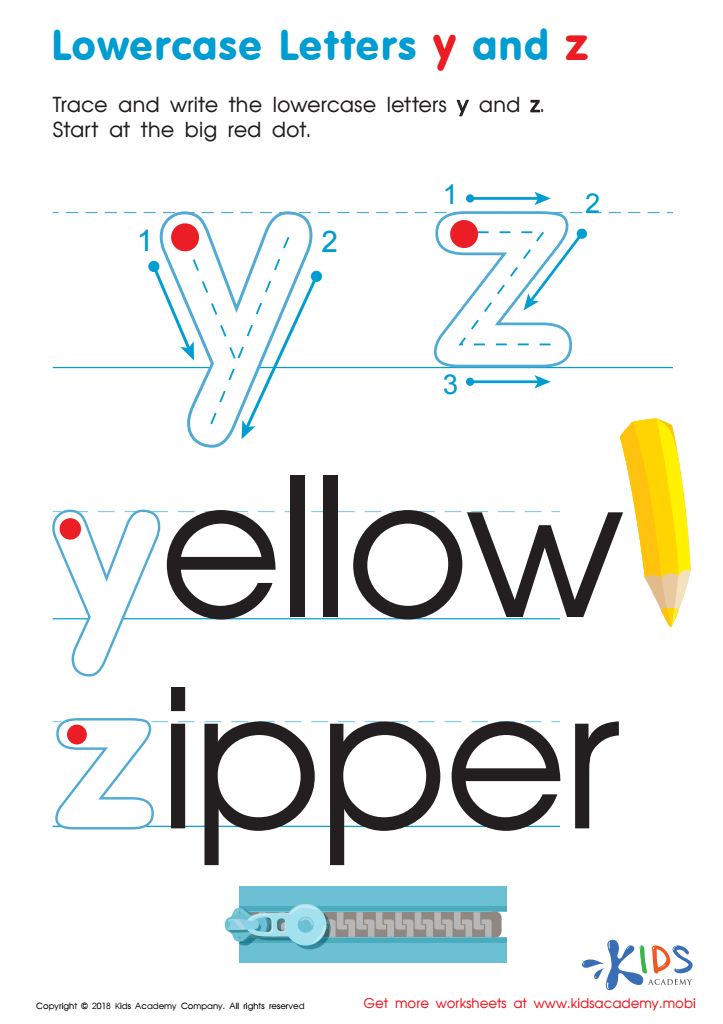
Lowercase Letters y z Worksheet
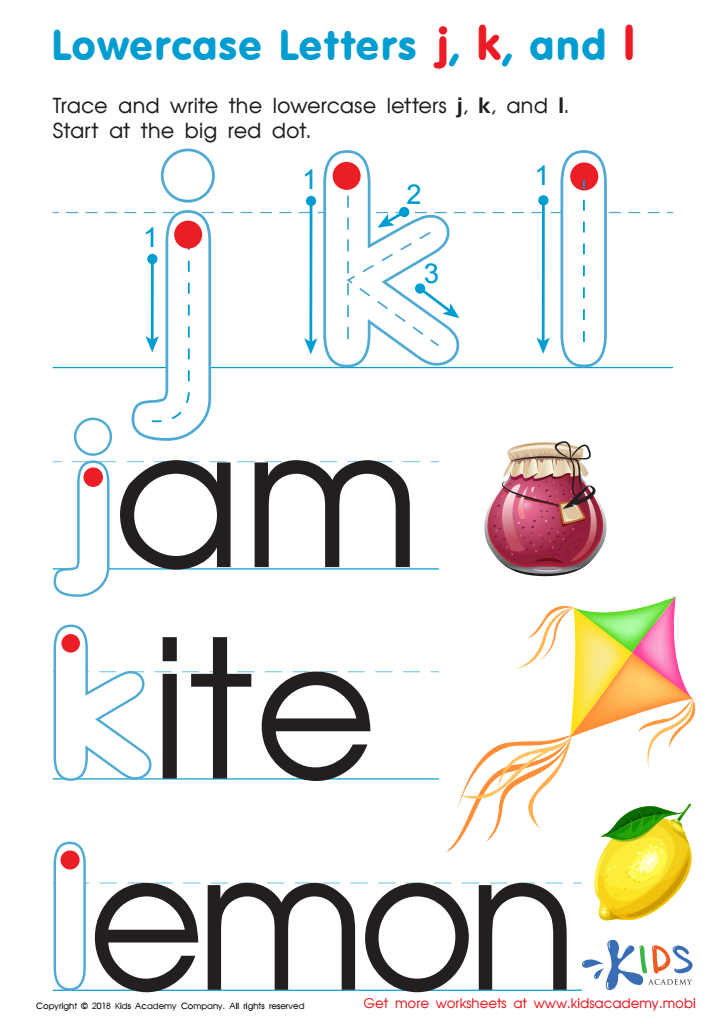
Lowercase Letters j k l Worksheet

Find lowercase Letters s t u Worksheet
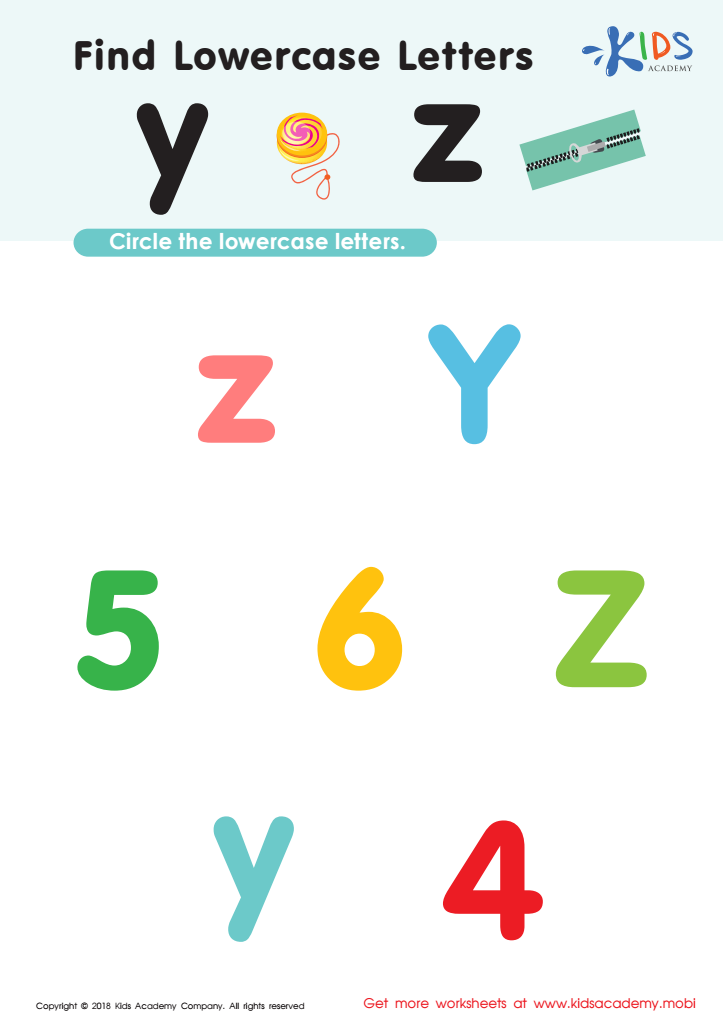
Find Lowercase Letters y z Worksheet
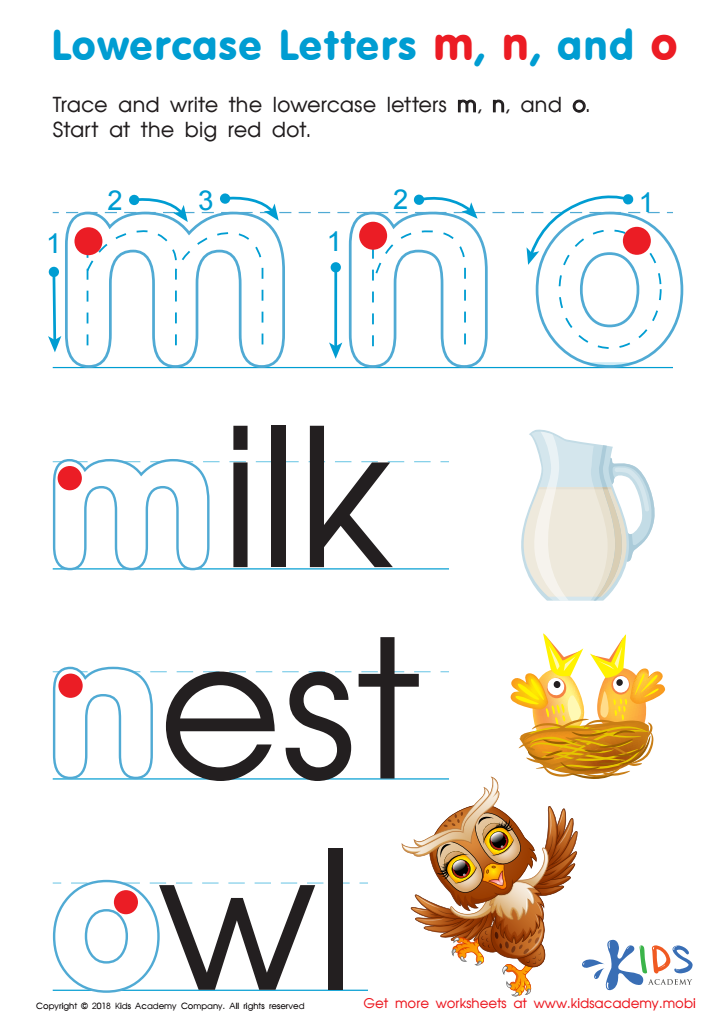
Lowercase Letters m n o Worksheet
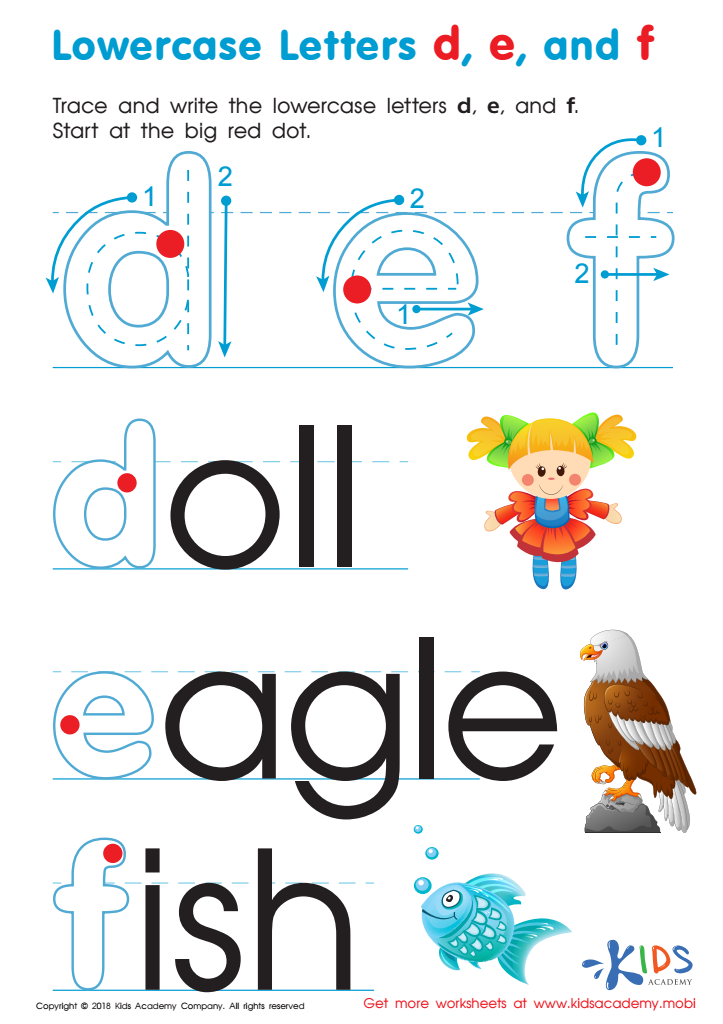
Lowercase Letters d e f Worksheet
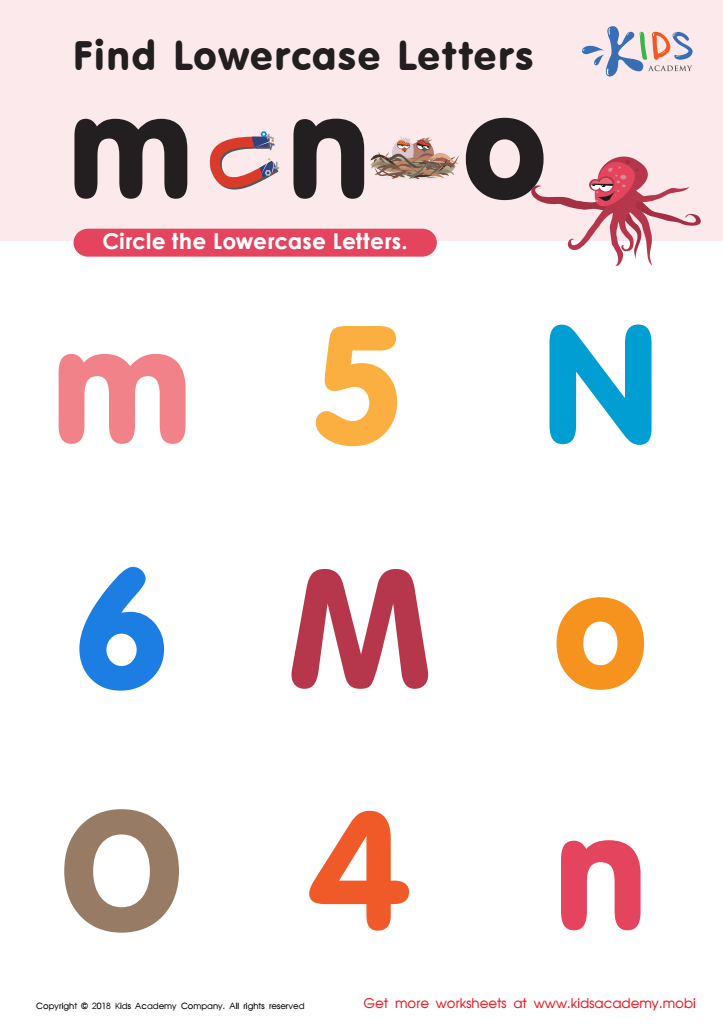
Find Lowercase Letters m n o Worksheet
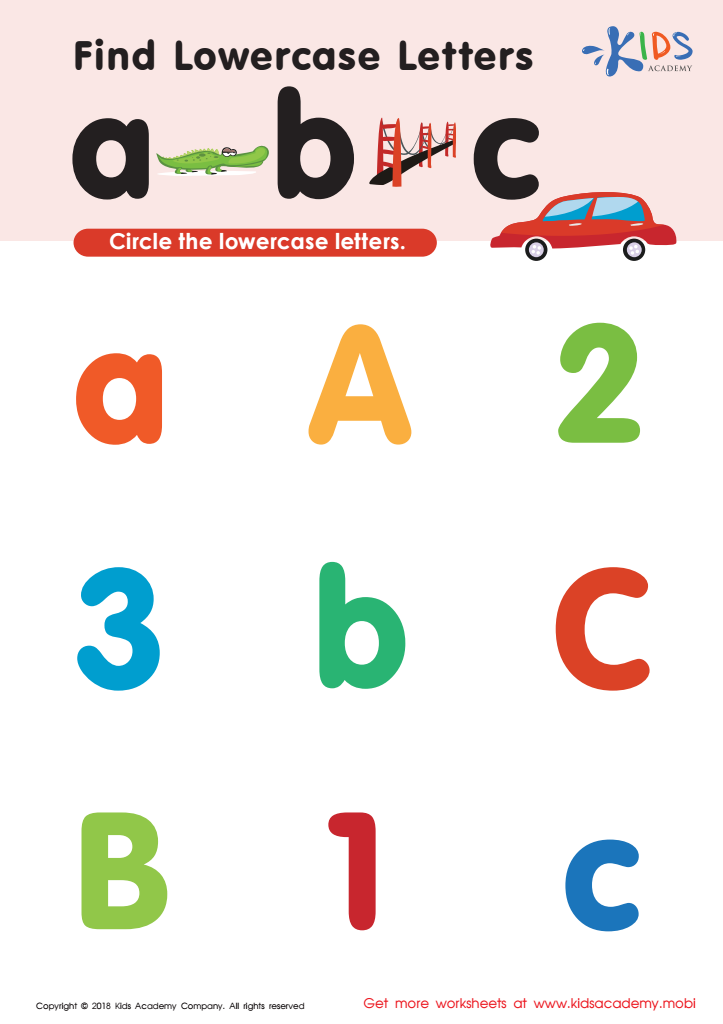
Find lowercase letters a b c Worksheet
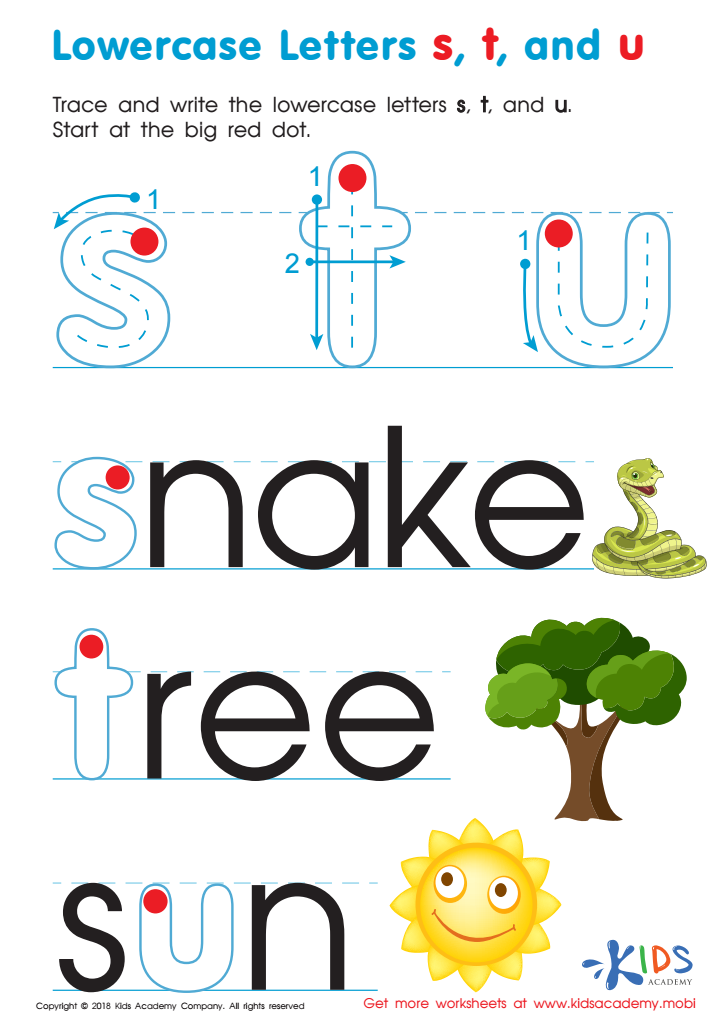
Lowercase Letters s t u Worksheet
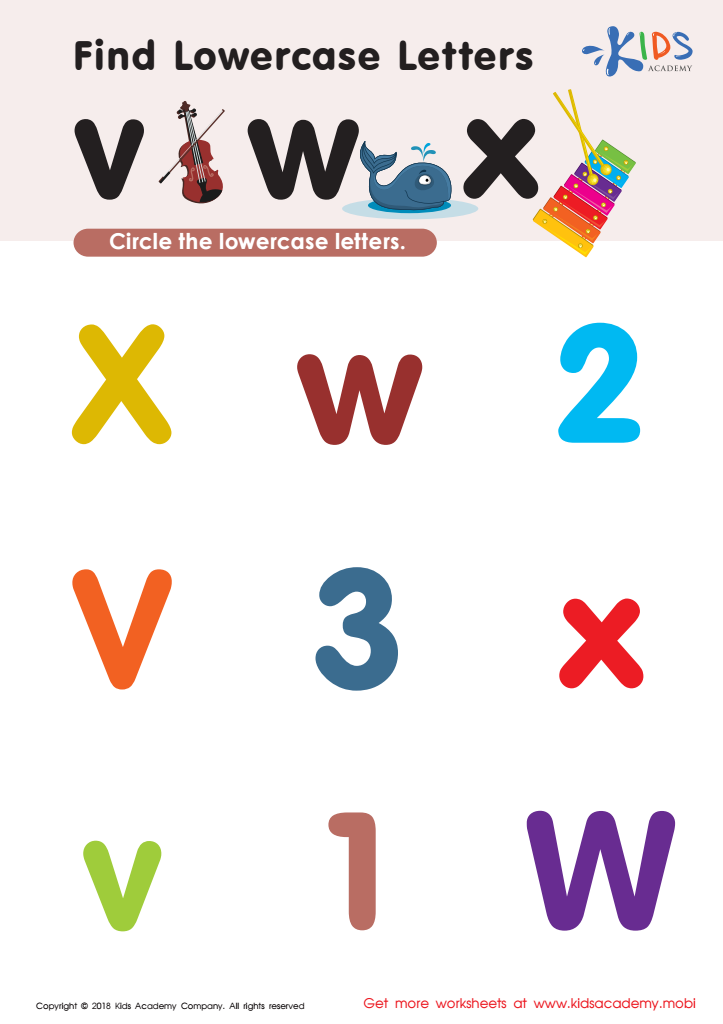
Find Lowercase Letters v w x Worksheet
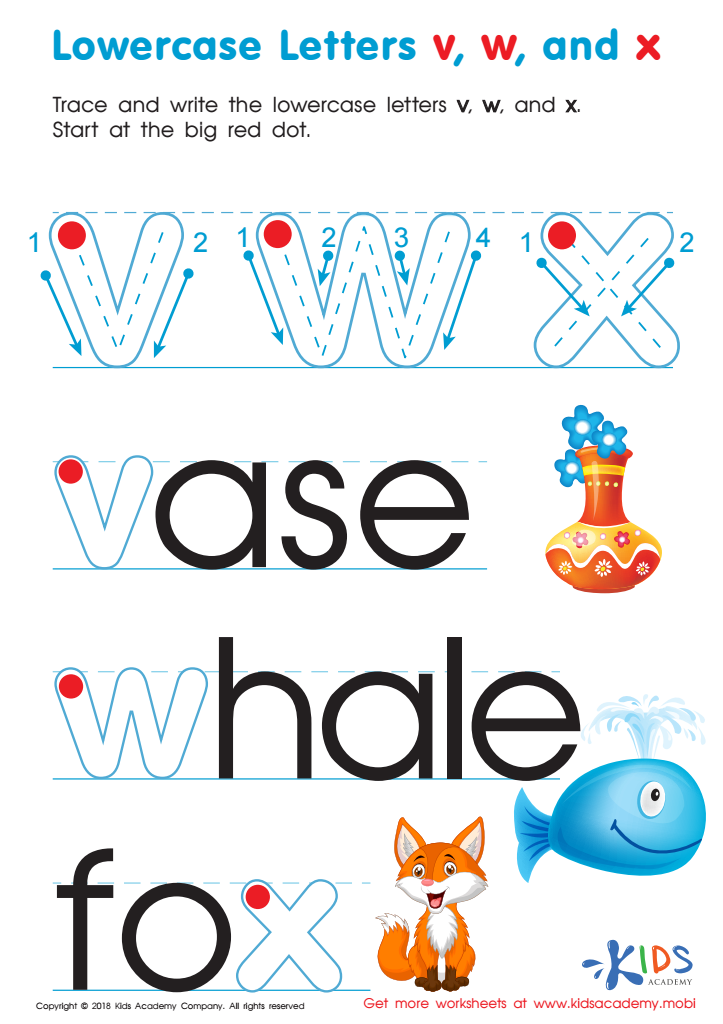
Lowercase Letters v w x Worksheet


Fine motor skills are critical for young children, particularly ages 4-5, as they form the foundation for various everyday tasks and academic success. For parents and teachers, nurturing these skills in lowercase or small letter writing is essential for several reasons.
Firstly, mastering fine motor skills enhances a child’s ability to write their letters clearly and dexterously, which boosts their confidence. At this age, children begin to express themselves through writing, whether it’s their name or short phrases. Unsteady writing can lead to frustration and aversion to writing activities.
Additionally, fine motor skills contribute to cognitive development. Engaging in activities that enhance dexterity, such as tracing letters or using building blocks, stimulates brain development and promotes concentration.
Furthermore, early development of these skills lays the groundwork for future learning, including reading. A child who is comfortable with writing lowercase letters is more prepared for literacy tasks, leading to improved communication skills.
In summary, parents and teachers should prioritize fine motor skills in children aged 4-5, as this not only aids in their immediate ability to write but also supports broader cognitive, social, and academic development. Investing time in these skills ultimately sets the stage for lifelong learning.