Letter Tracing Practice Tracing Letters Worksheets for Ages 4-5
5 filtered results
-
From - To
Unlock your child's potential with our "Letter Tracing Practice" worksheets designed for ages 4-5. These engaging, educator-approved printables guide young learners through mastering the alphabet, enhancing fine motor skills, and building a strong foundation in early literacy. Each worksheet features clear, traceable letters, ample practice space, and fun activities to make learning exciting. Perfect for preschool and kindergarten preparation, our resources support children’s confidence and academic success. Join thousands of parents and educators who trust Kids Academy to provide top-notch educational tools that inspire a lifetime of learning!
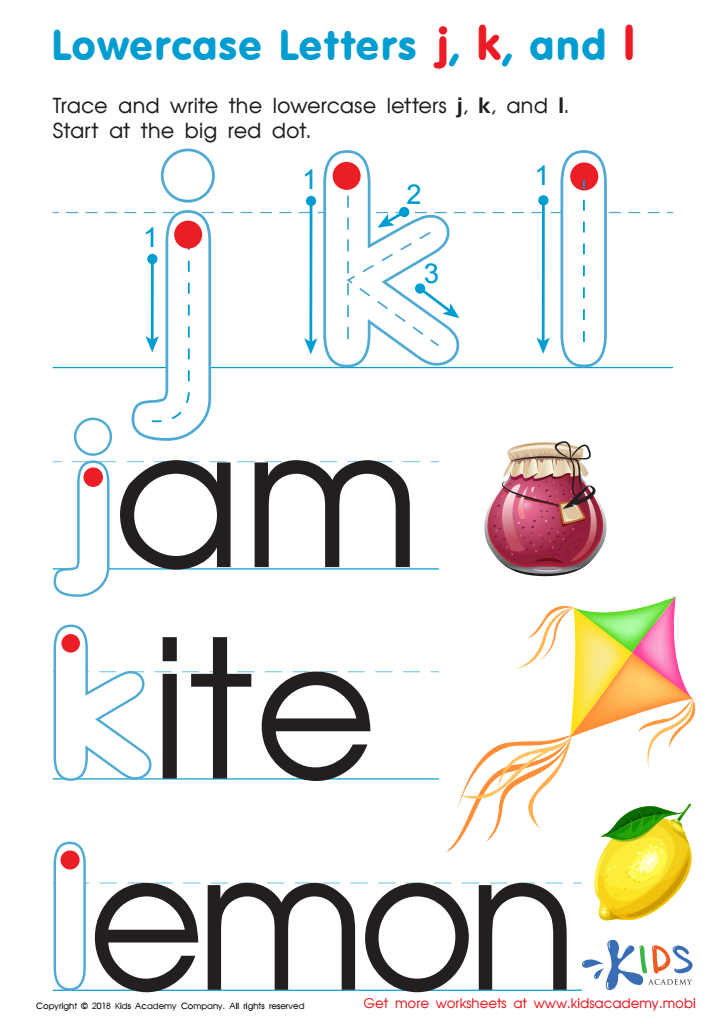
Lowercase Letters j k l Worksheet
 Assign to My Students
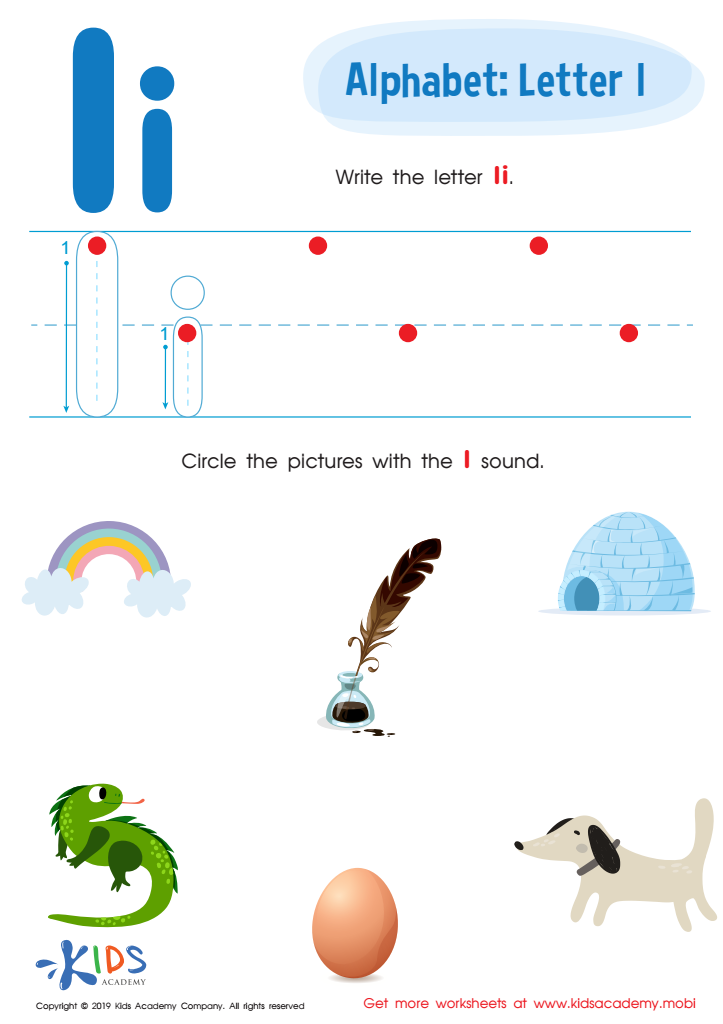
Letter I Tracing Worksheet
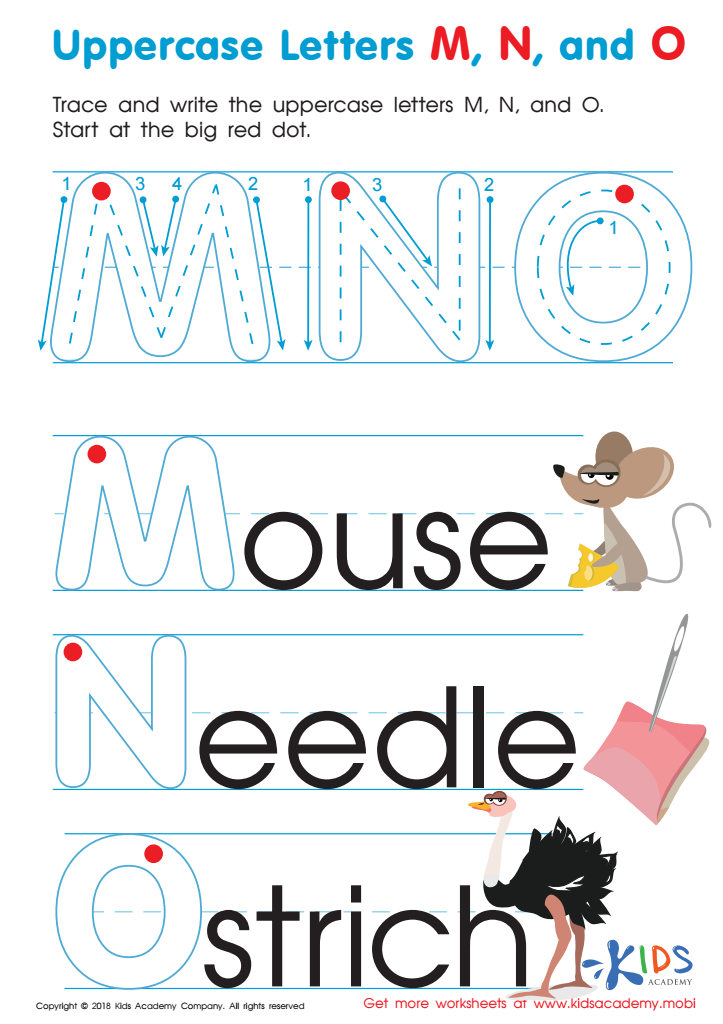
Uppercase Letters M, N, and O Worksheet
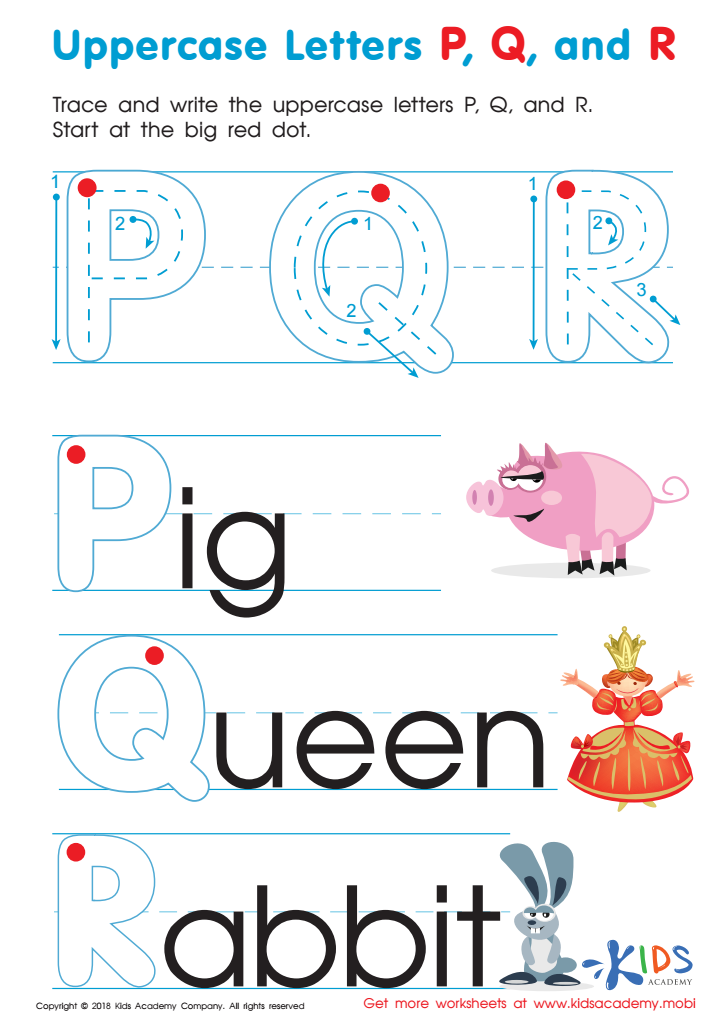
Uppercase Letters P, Q, and R Worksheet
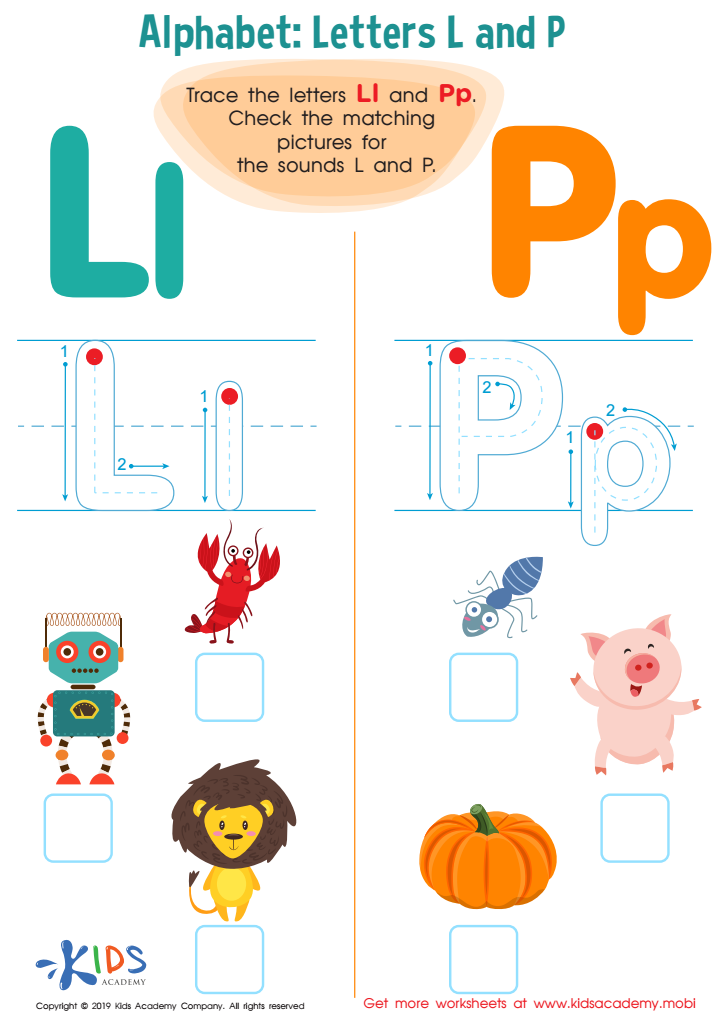
Letter L and P Tracing Worksheet







Parents and teachers should care about letter tracing practice for children ages 4-5 because it lays the foundation for essential writing and reading skills. During these formative years, children are developing their fine motor skills, hand-eye coordination, and muscle memory, all of which are crucial for writing. Letter tracing activities help children become familiar with the shapes and strokes of each letter, enhancing their ability to form letters correctly and consistently.
Additionally, letter tracing supports cognitive development. It reinforces alphabet recognition, improving children's ability to link letters with their corresponding sounds. This recognition is a critical step toward reading fluency. Engaging in repetitive tracing exercises also fosters focus and patience, skills that are highly beneficial for early learners.
Furthermore, expressive skills are nurtured through such practice. As children gain confidence in their writing abilities, they become more eager to express their thoughts and ideas on paper. This self-expression encourages a love for learning, fostering a positive attitude towards academic activities.
By prioritizing letter tracing, parents and teachers support children in overcoming early learning challenges, ensuring they have a strong foundation for more advanced literacy and educational pursuits. This early intervention promotes long-term educational success and intellectual growth.








