Alphabet sequencing Upper & Lowercase Letters Worksheets for Ages 4-5
4 filtered results
-
From - To
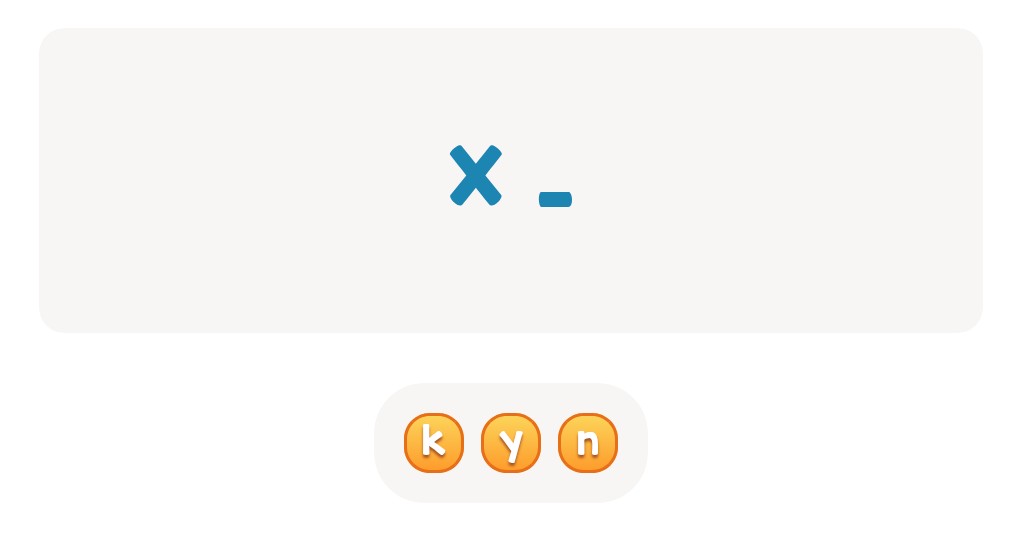
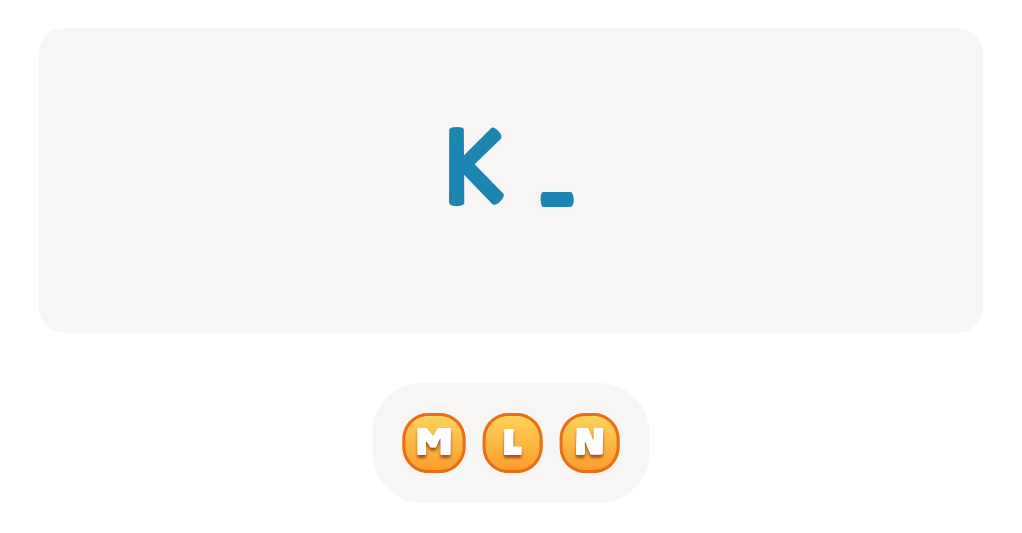
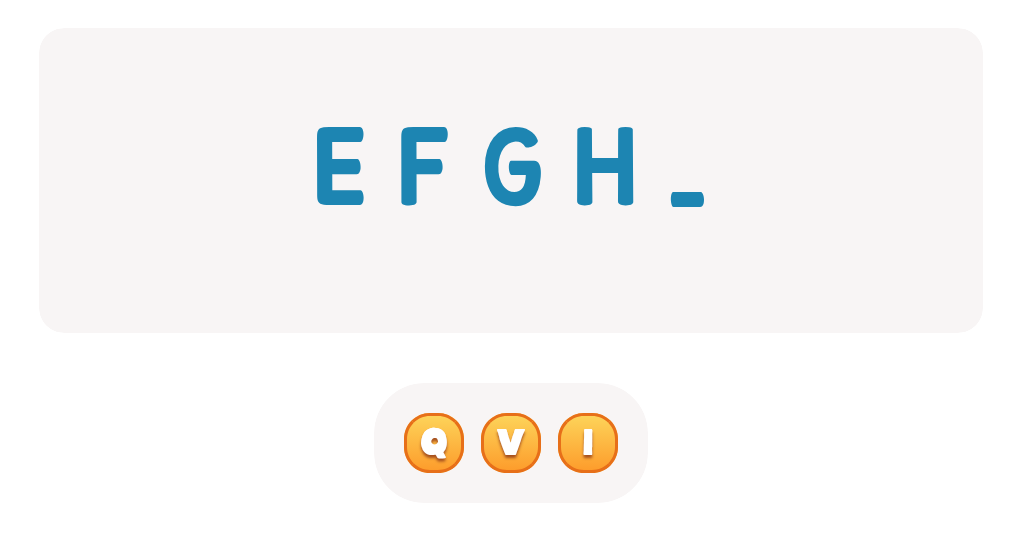
Discover our engaging Alphabet Sequencing Worksheets designed for children aged 4-5, perfect for teaching both uppercase and lowercase letters! These printable activities help young learners master the order of the alphabet while enhancing their letter recognition skills. Each worksheet encourages children to practice sequencing by arranging letters in the correct order, fostering early literacy development. Fun illustrations and interactive exercises make learning enjoyable and interactive. Ideal for homeschooling or classroom use, our resources ensure that your little ones build a strong foundation in their alphabet knowledge. Explore our Alphabet Sequencing Worksheets today and watch your child's confidence soar!
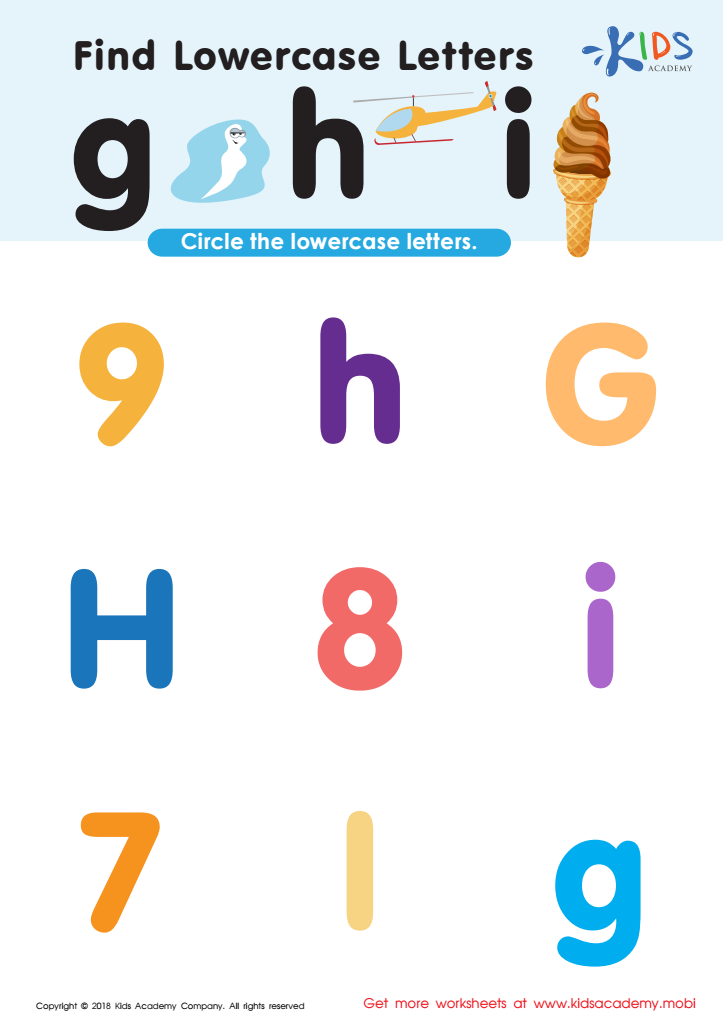
Find Lowercase Letters g h i Worksheet
 Assign to My Students
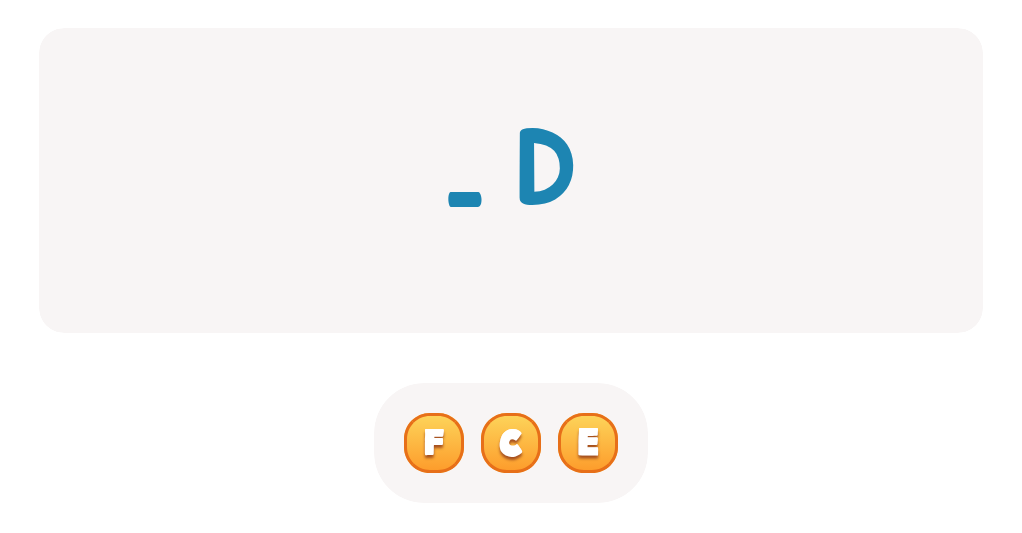

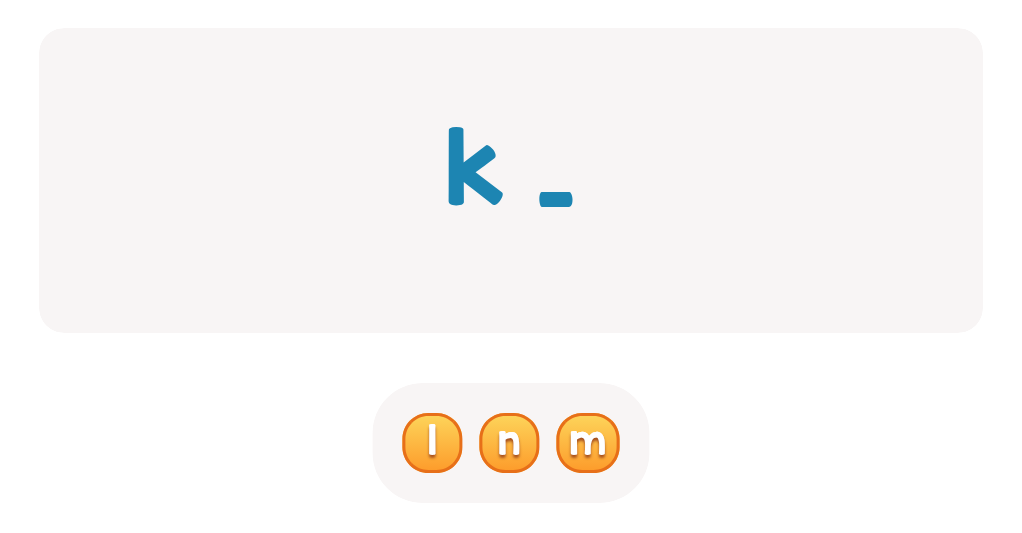
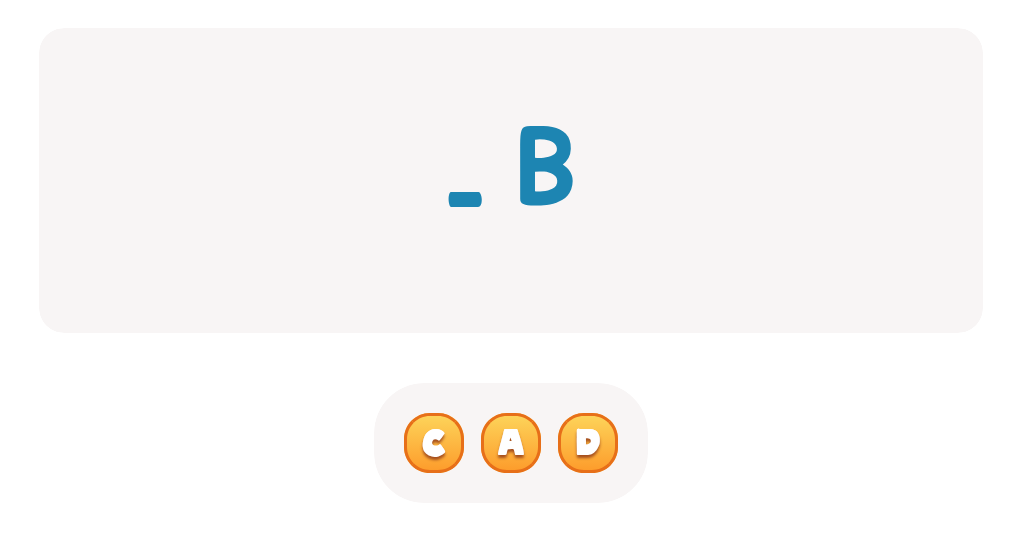
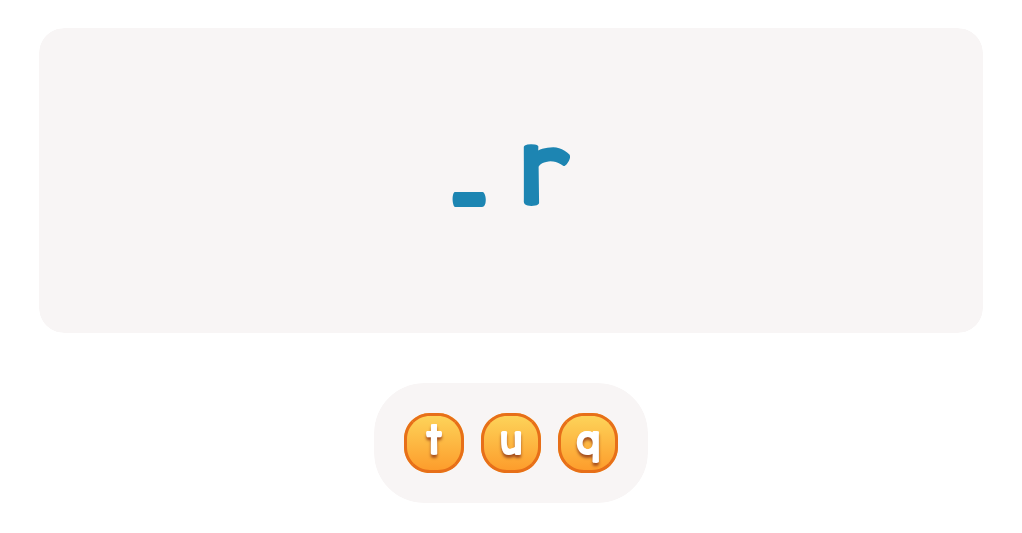
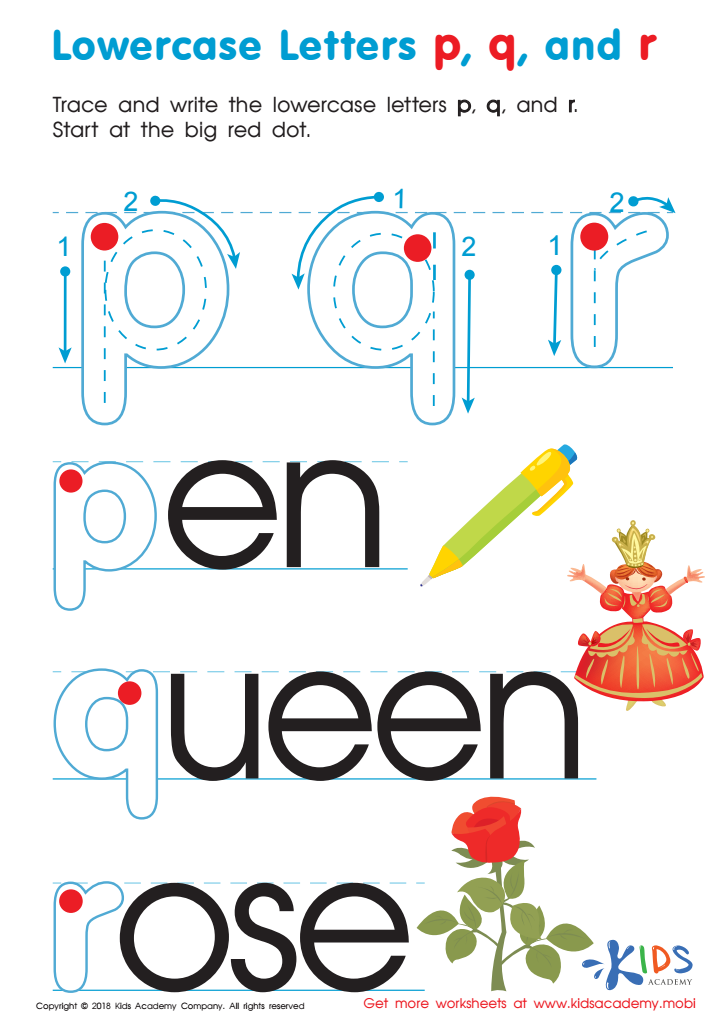
Lowercase Letters p q r Worksheet
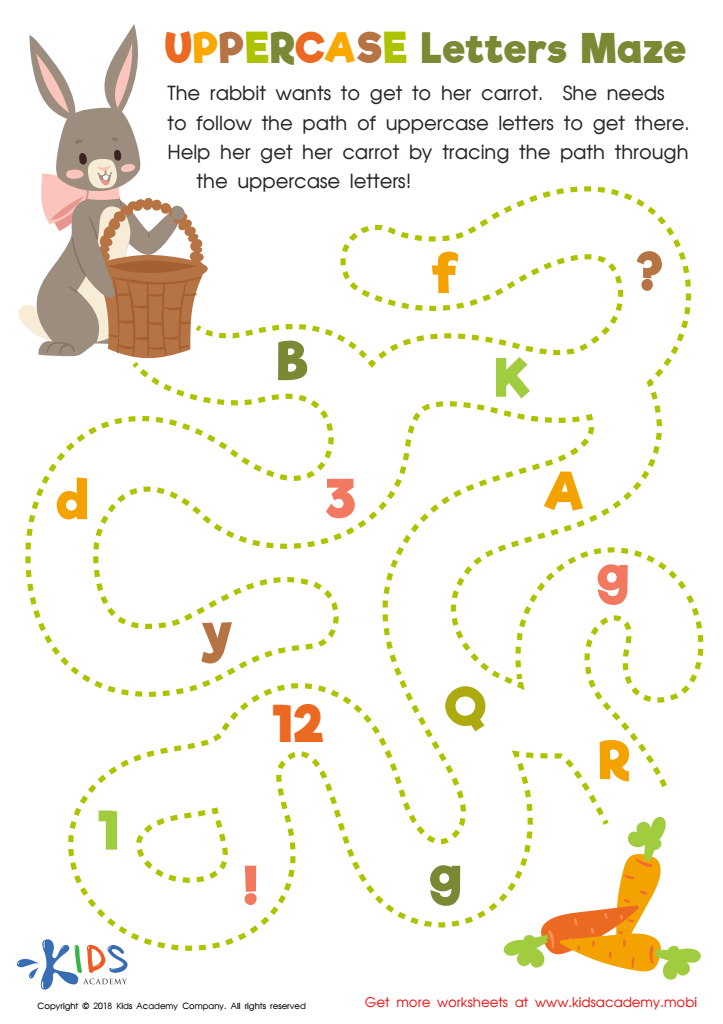
Uppercase Letters Maze Worksheet
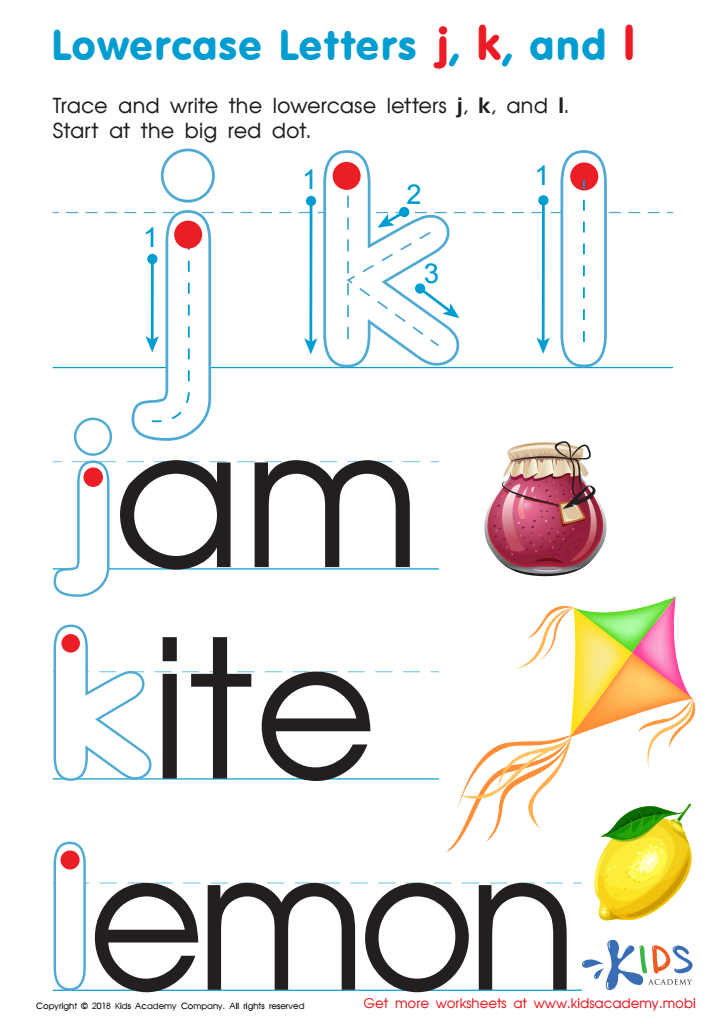
Lowercase Letters j k l Worksheet






Understanding and mastering the sequencing of uppercase and lowercase letters is crucial for children aged 4-5, as it forms the foundation for their literacy skills. When parents and teachers emphasize the importance of this skill, they are investing in a child’s ability to read and write proficiently later on. Alphabet sequencing helps children recognize letters individually and connect them to sounds, promoting phonemic awareness—a key component of reading.
Moreover, learning the sequence of letters assists children in organizing their thoughts when writing, aiding in spelling and development of vocabulary. When children can identify the correct order of letters, it boosts their confidence and encourages them to engage more readily with language activities.
Additionally, sequencing lessons can enhance fine motor skills through activities like tracing or writing letters. Socially, activities focused on the alphabet can foster cooperation and communication among peers, making learning a collaborative experience.
By supporting children in mastering uppercase and lowercase letter recognition and sequencing, both parents and teachers lay vital groundwork for literacy, paving the way for academic success in kindergarten and beyond. This foundational skill is a stepping stone towards a child’s future love for reading and writing, vital for lifelong learning.







