Reading comprehension 4th of July Worksheets for Ages 4-5
10 filtered results
Difficulty Level
Grade
Age
-
From - To
Subject
Activity
Standards
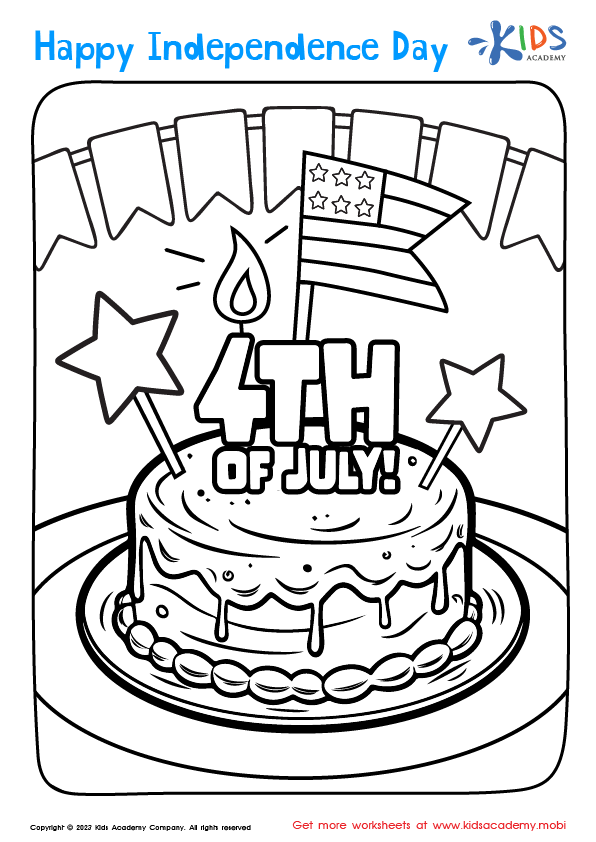
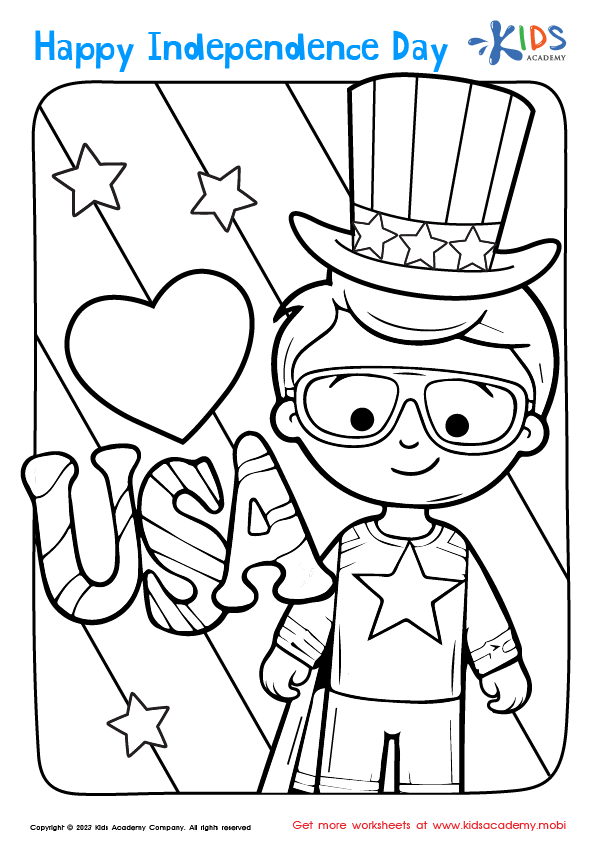
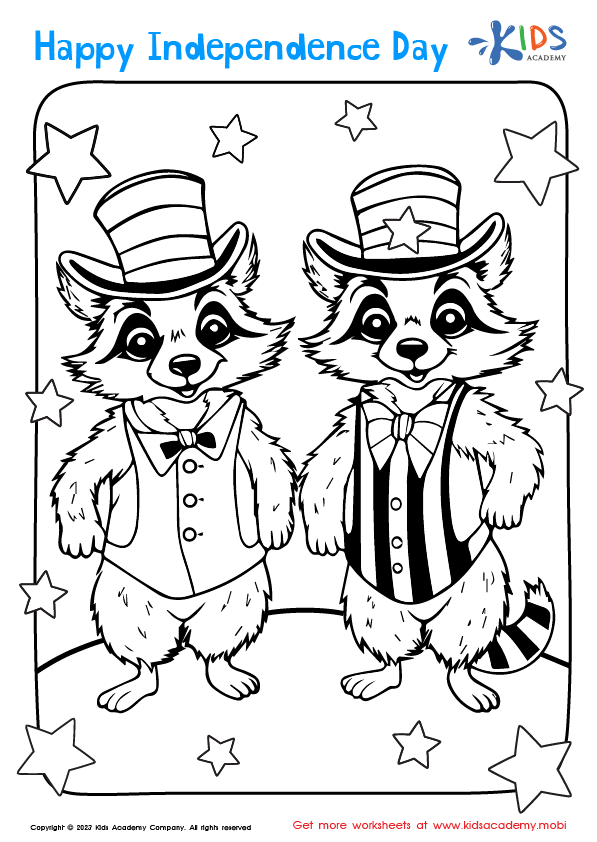
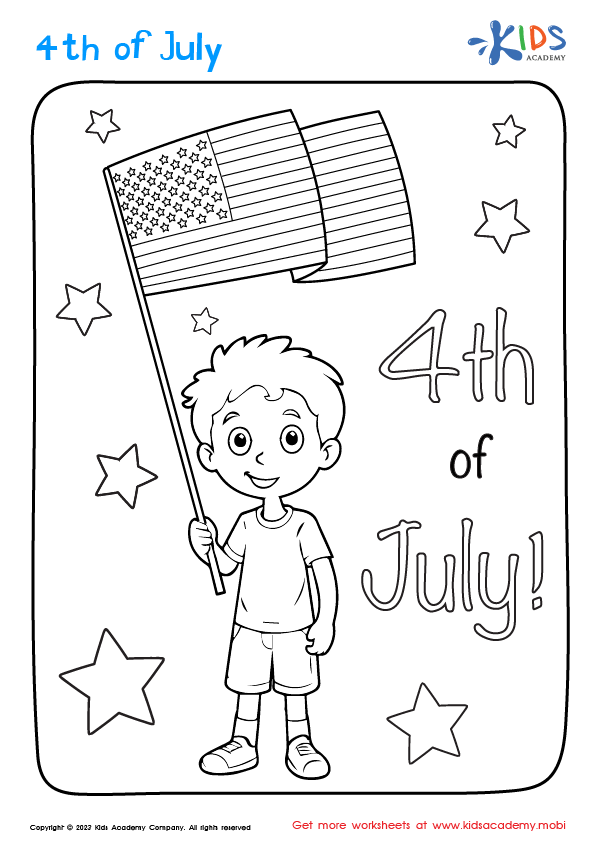
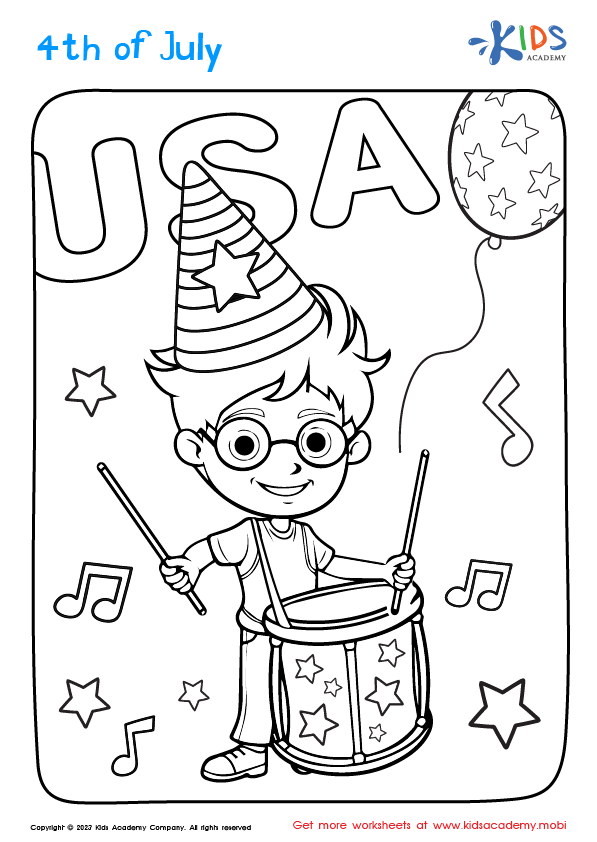
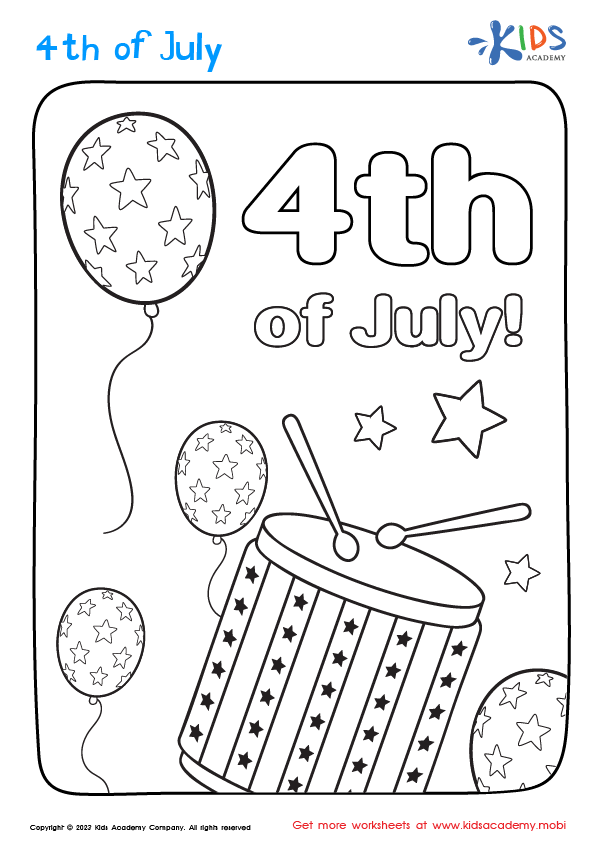
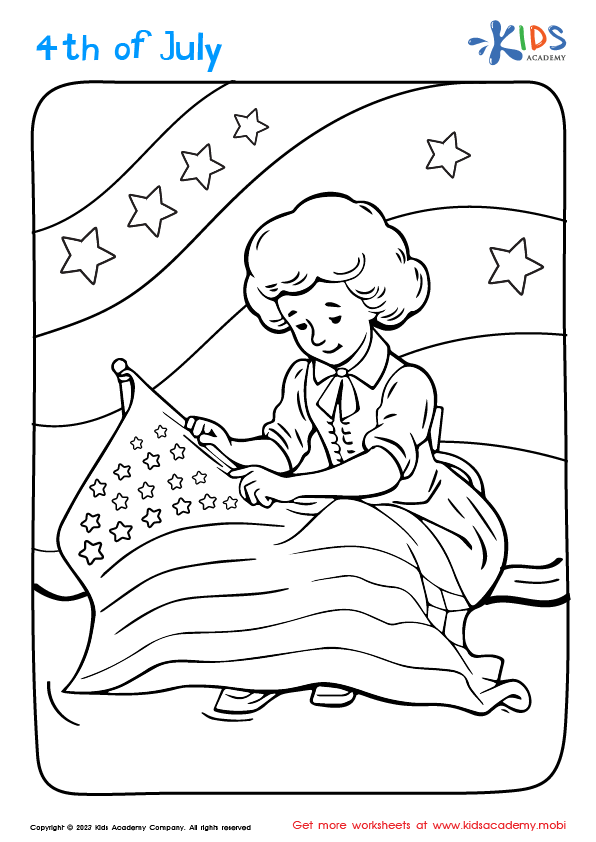
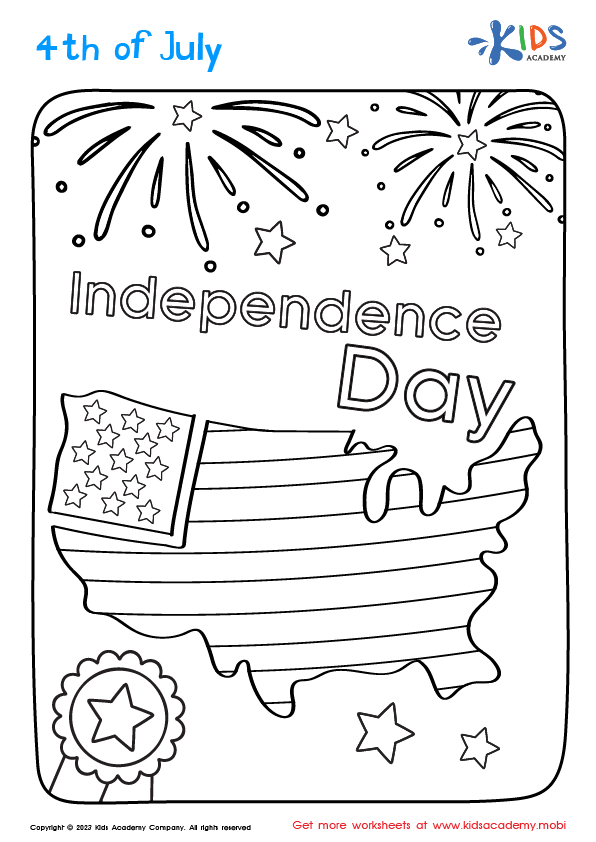
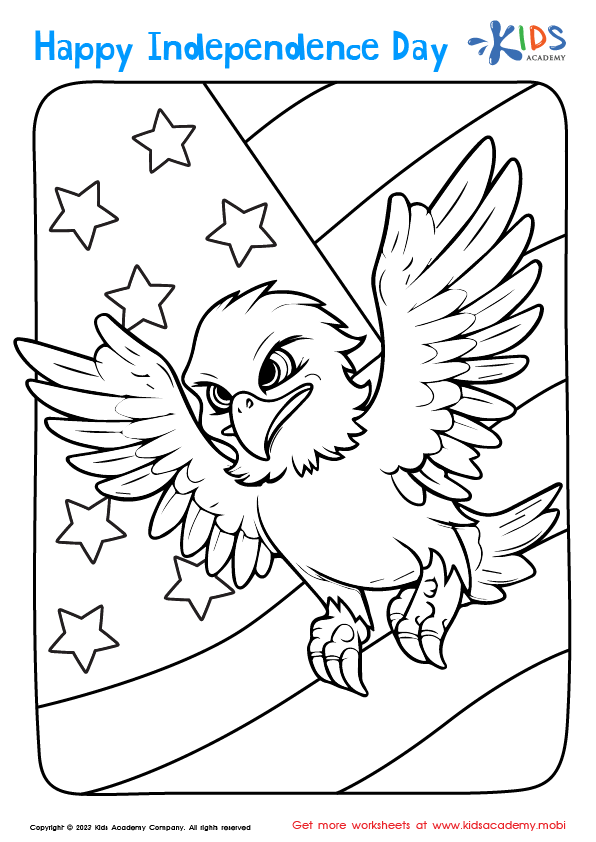
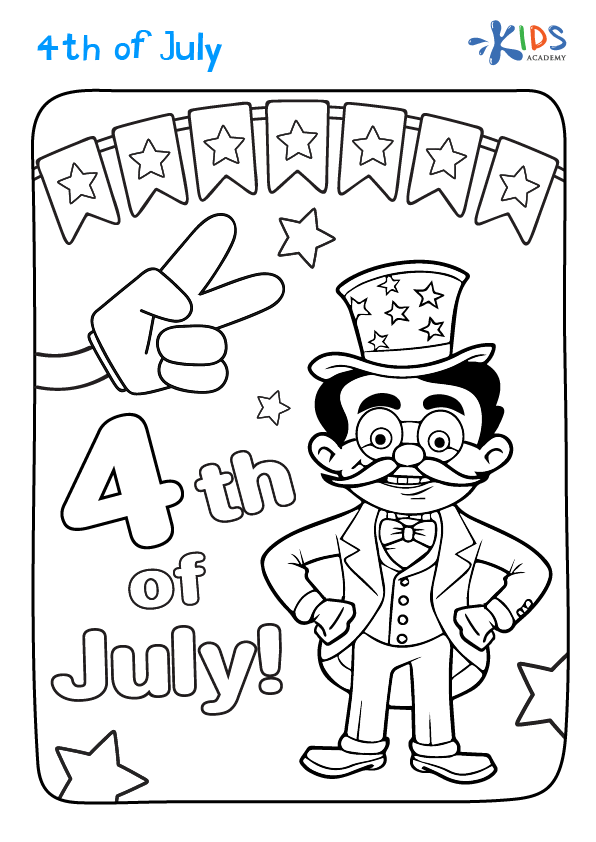
Boost your child's reading skills with our engaging 4th of July worksheets designed for ages 4-5. These fun, interactive activities focus on reading comprehension while celebrating Independence Day. Kids will enjoy coloring festive images and answering simple questions related to 4th of July themes. Each worksheet encourages early learners to enhance their understanding of the text while developing essential literacy skills in a festive context. Perfect for enhancing classroom activities or summer learning, these worksheets provide a delightful way for young children to practice reading comprehension and express creativity. Celebrate Independence Day with fun educational resources today!
Favorites
With answer key
Interactive
Join Kids Academy for Free
Who is primarily going to use this learning content?


Reading comprehension is crucial for children aged 4-5, and understanding themes associated with holidays like the Fourth of July can enrich their learning experience. Engaging with stories and information about events such as Independence Day helps develop a child's language skills, vocabulary, and cognitive abilities. During this age, children benefit immensely from processing both the literal and deeper meanings of texts.
When teachers and parents explore the principles of reading comprehension related to the Fourth of July, they introduce children to concepts of history, community, and celebration. This not only strengthens their comprehension skills but also fosters a sense of belonging and patriotism. Discussing stories about fireworks, parades, and the significance of independence helps ignite children's imagination and critical thinking.
Incorporating themed activities, like reading related stories and encouraging discussions, nurtures their curiosity, enhancing overall literacy. Engaging with cultural traditions through reading allows children to make connections between texts and real-life experiences, which is fundamental at this developmental stage. Ultimately, fostering comprehension skills through holiday-themed reading not only cultivates a love for learning but also prepares children for future academic success. Educators and parents should prioritize this approach to build a solid foundation for lifelong literacy skills.