Spelling practice English for Beginners Worksheets for Ages 4-5
6 filtered results
-
From - To
Unlock the joy of learning with our "Spelling Practice English for Beginners Worksheets for Ages 4-5"! Perfectly designed for young learners, these engaging worksheets help children master basic spelling skills through fun activities and colorful illustrations. With thoughtfully crafted exercises, kids will enhance their vocabulary, phonics, and word recognition abilities. Ideal for both classroom and home use, these resources support early literacy development, providing a strong foundation for future success in reading and writing. Make spelling practice enjoyable and effective with our expertly created worksheets, inspiring confidence and a love for learning in every child!
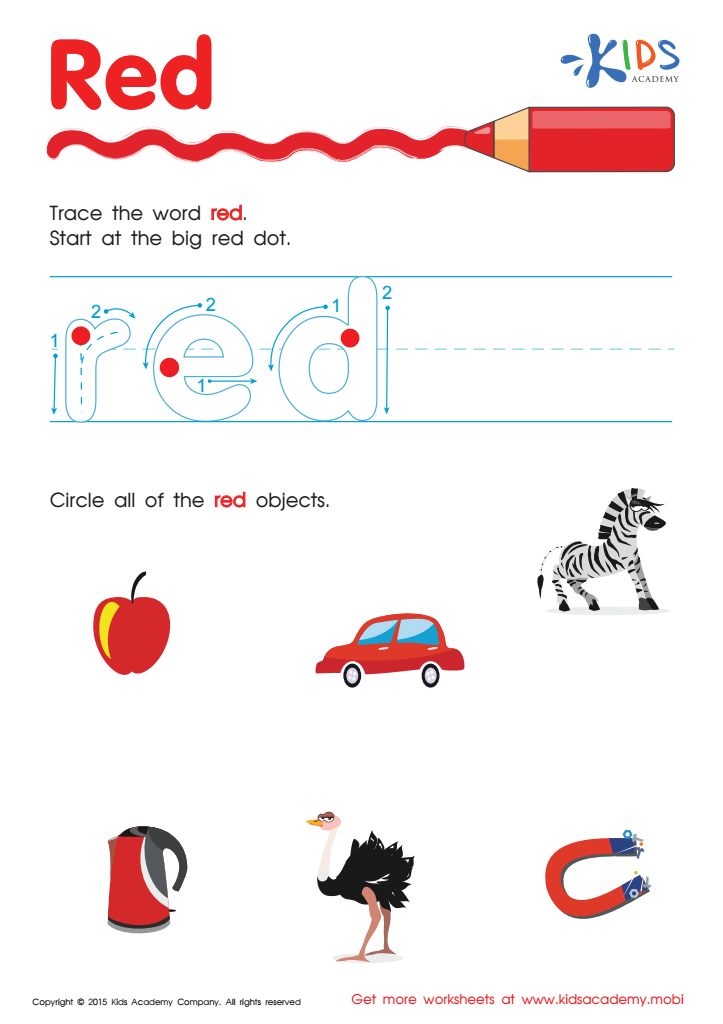
Red Tracing Color Words Printable
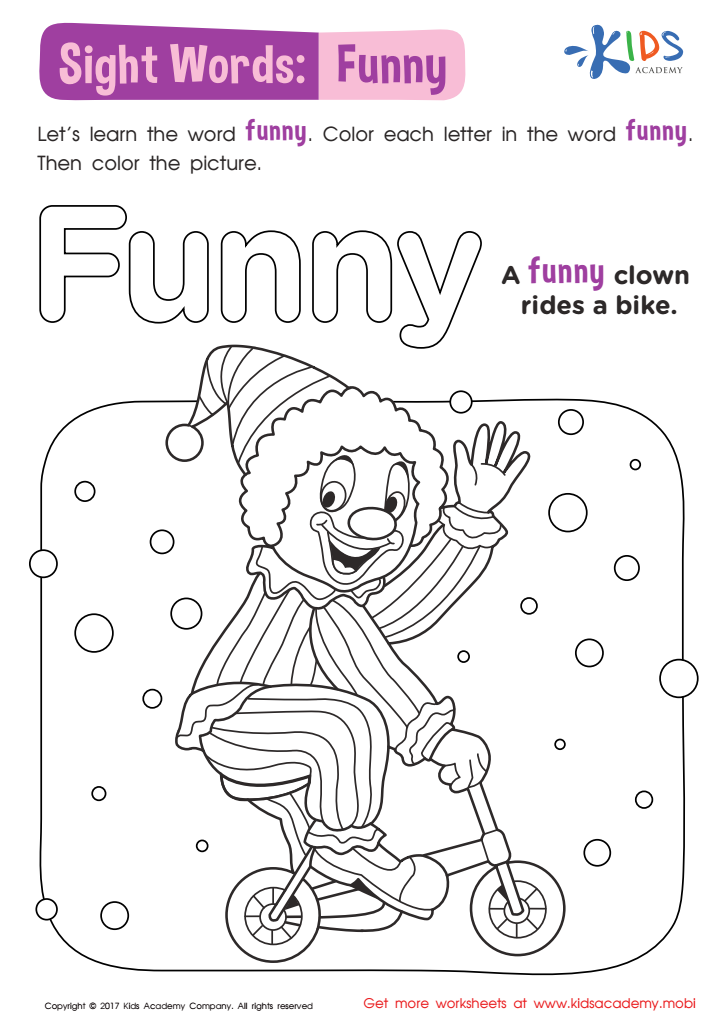
Funny Worksheet Sight Words Worksheet
 Assign to My Students
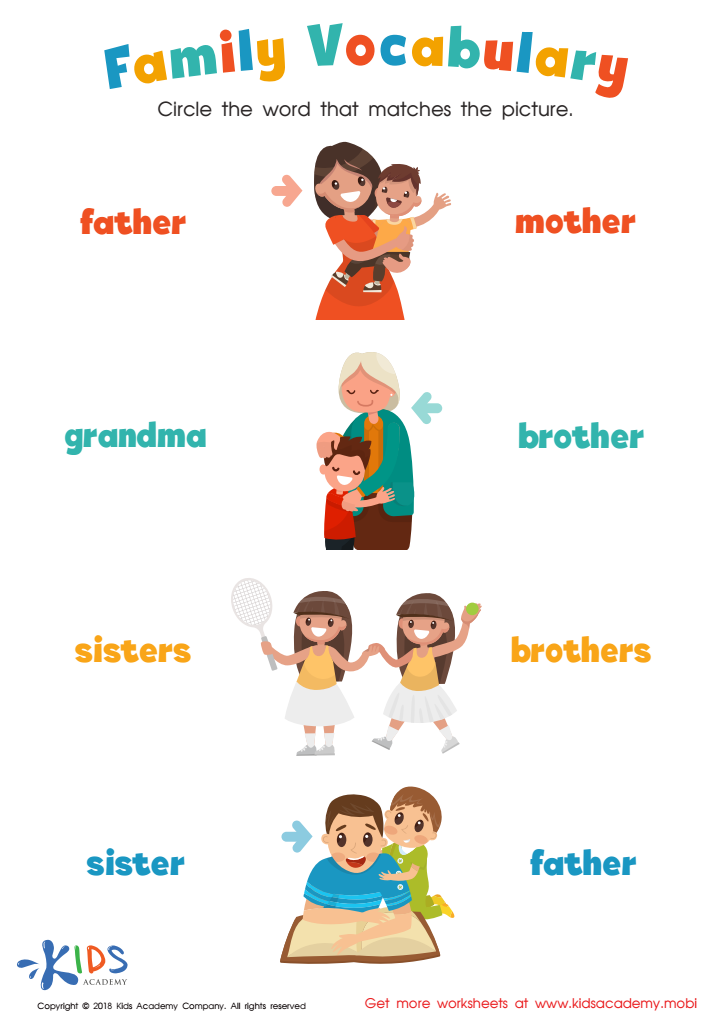
Family Vocabulary Worksheet
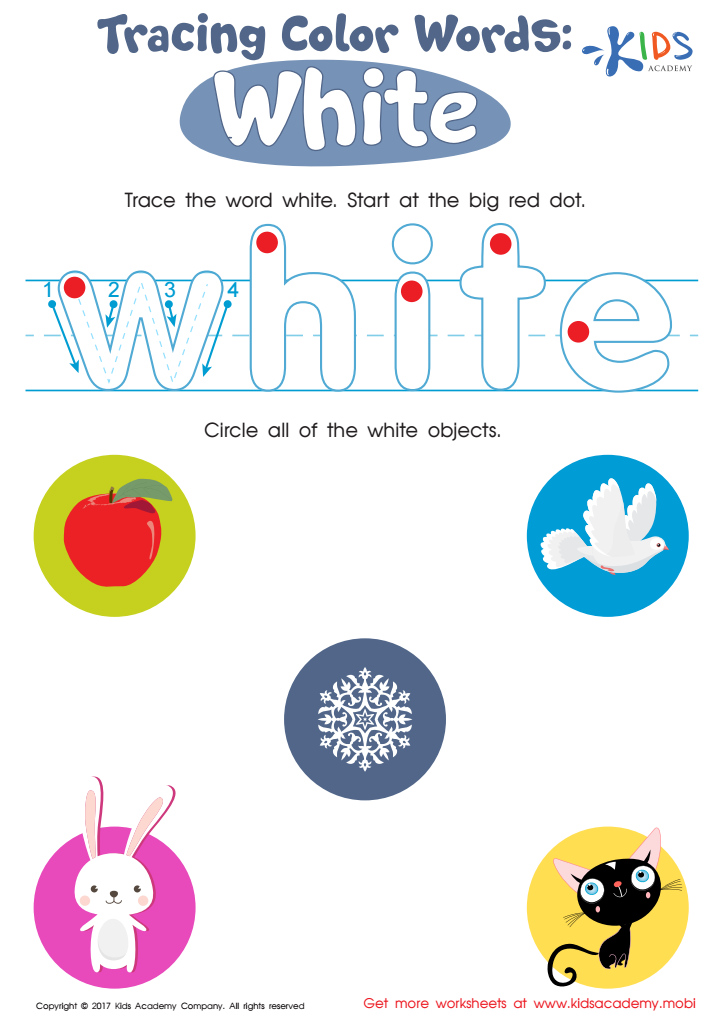
White Tracing Color Words Worksheet
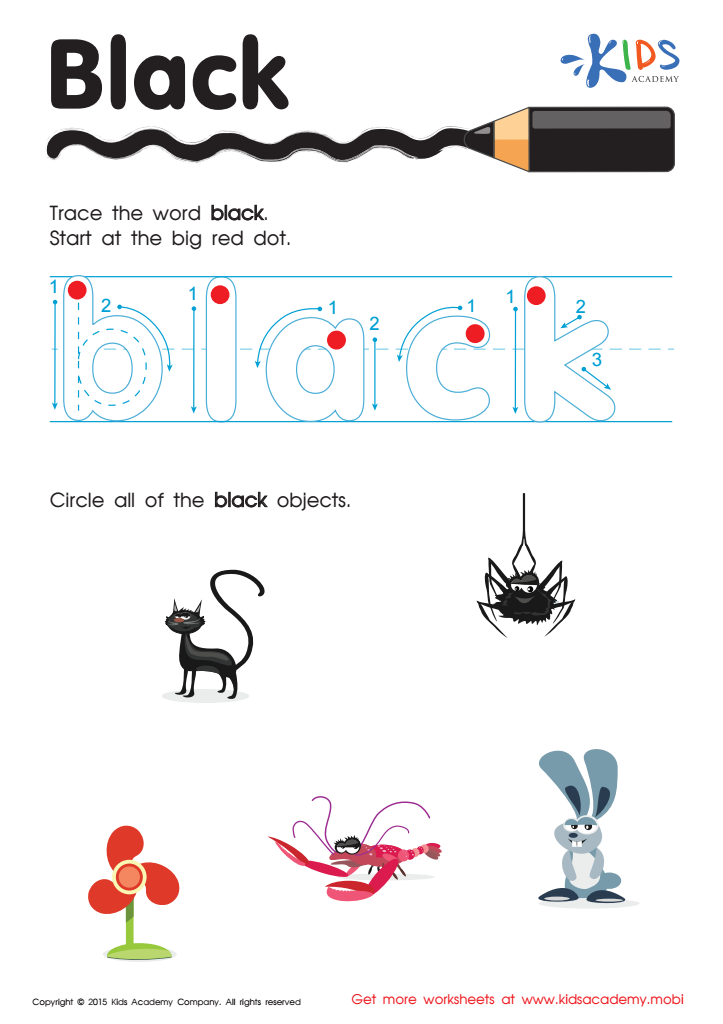
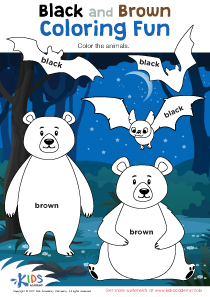
Black Tracing Color Words Printable
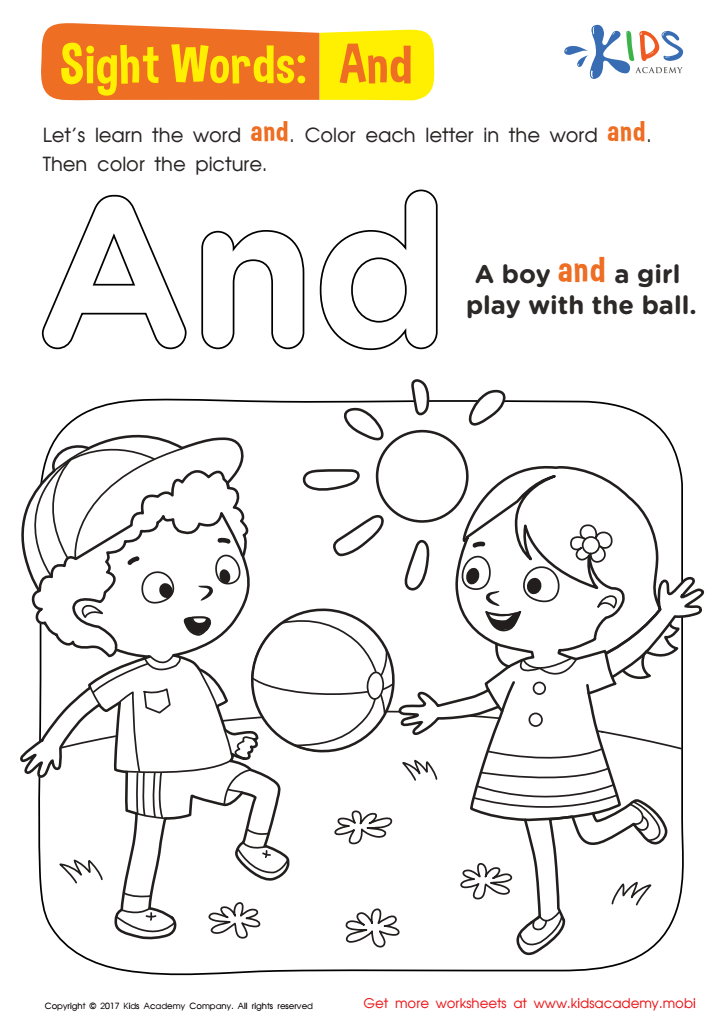
And Worksheet Sight Words Worksheet
Assign to My Students





Spelling practice for young learners aged 4-5 is crucial and deserves attention from both parents and teachers for several compelling reasons. Firstly, building a strong vocabulary foundation at an early age contributes significantly to a child's literacy development. Familiarity with letter recognition and understanding phonics help children grasp how sounds correspond to letters and words, essential for reading proficiency.
Furthermore, early spelling practice encourages cognitive development. As children try to remember and replicate spellings, they engage their memory and problem-solving skills. It also fosters an early appreciation for language structure and leads to better communication skills, enhancing both verbal and written interactions.
Another important aspect is that productive and enjoyable spelling exercises can build confidence and motivate a positive attitude toward learning. Children feel a sense of achievement and are more likely to hold onto this constructive mindset across other subjects.
Additionally, parental or teacher involvement implements a regular and structured learning environment. Personalized and focused learning reinforces knowledge and adapts to the child's pace and learning style, setting a robust framework for future academic success.
Therefore, prioritizing spelling practice for young learners not only supports linguistic growth but also promotes broader educational and emotional development.