Analytical thinking Worksheets for Ages 4-5
3 filtered results
-
From - To
Foster your child's analytical skills with our engaging and educational worksheets designed for ages 4-5. Created by experts, these exercises enhance problem-solving, logical reasoning, and critical thinking. Each worksheet incorporates fun activities like pattern recognition, sorting, and matching to keep young minds stimulated and entertained. Perfect for preschoolers and early kindergartners, our worksheets help build a strong foundation in analytical thinking. Easy to download and print, they are an excellent resource for parents and teachers aiming to nurture cognitive development in young learners. Explore our collection and give your child a head start in analytical thinking today!
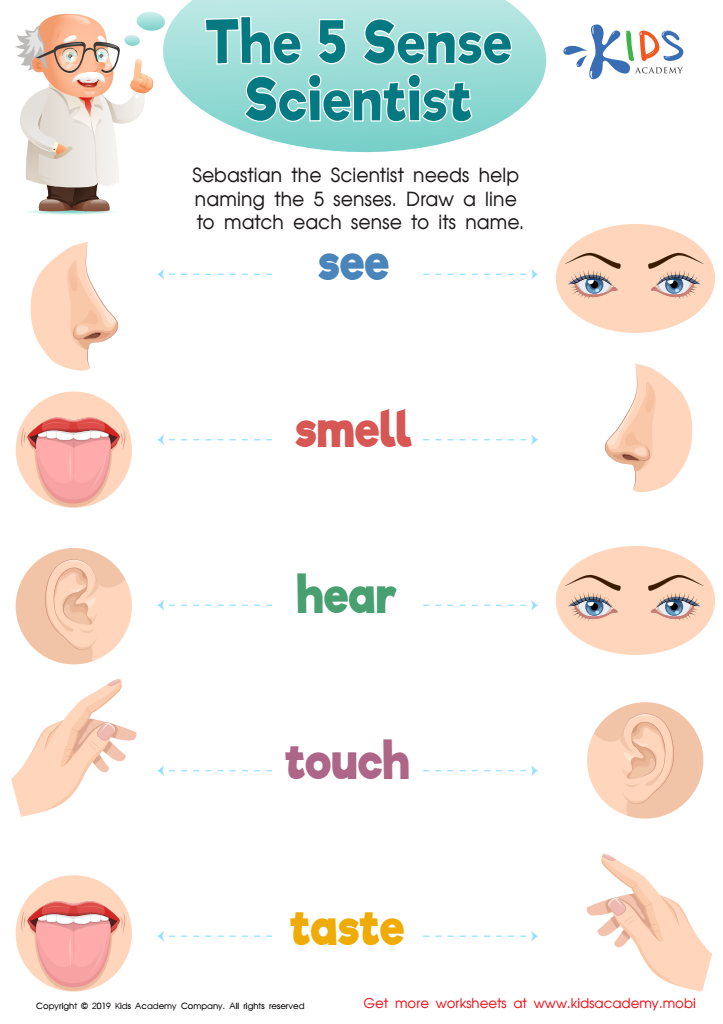
The 5 Sense Scientist Worksheet
 Assign to My Students

Logic Game Sorting Worksheet
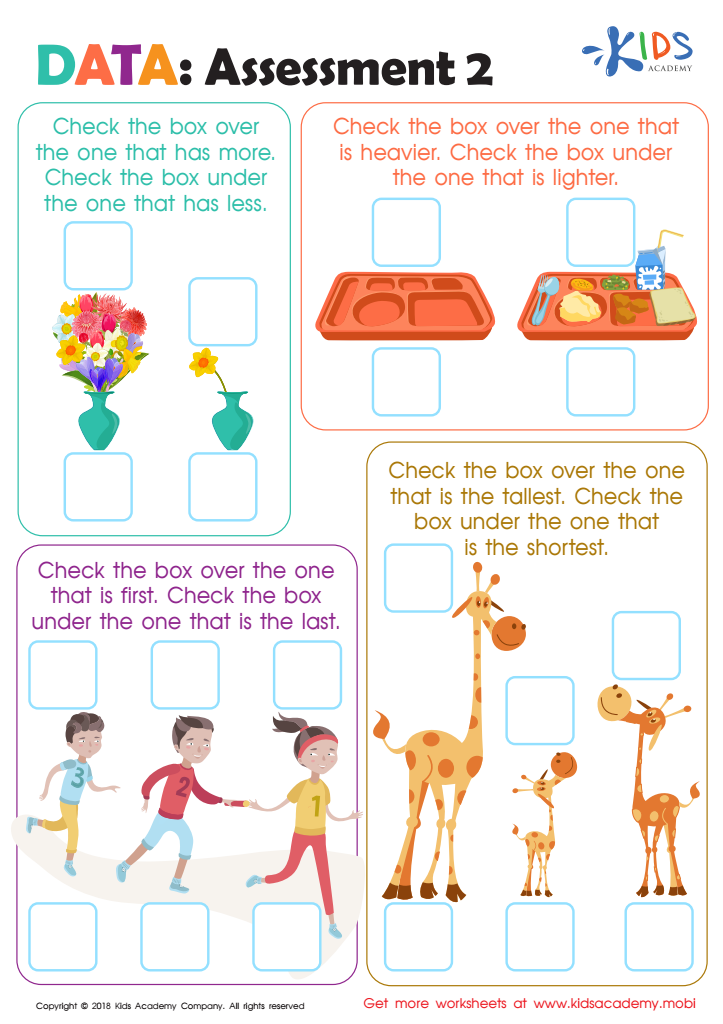
Data: Assessment 2 Worksheet







Analytical thinking is essential for children ages 4-5, as it is foundational for their cognitive development and future problem-solving skills. At this young age, children are naturally curious and are beginning to explore the world with the perception and curiosity to ask questions. Encouraging analytical thinking helps them develop the ability to critically assess their surroundings, identify patterns, make predictions, and develop reasoning skills.
For parents and teachers, fostering this skill set supports a child's capacity to understand complex concepts later in life, such as mathematics, science, and language. It enhances their ability to approach new situations and problems systematically by breaking them down into smaller, manageable parts. This form of thinking also helps young children with decision-making, allowing them to understand the cause-and-effect relationships and learn from their experiences.
Moreover, structured analytical thinking in early childhood can foster creativity. Instead of simply accepting information, children learn to question, experiment, and innovate. As they hone these skills, they become better equipped to tackle challenges, both academically and personally.
Finally, developing analytical skills dampens impulsiveness, as children learn to think about potential outcomes before acting. This builds a stronger foundation for emotional regulation and social interaction, ultimately contributing to well-rounded, thoughtful, and capable individuals. Parents and teachers play a crucial role in guiding and nurturing this important aspect of development.








