Counting skills Worksheets for Ages 4-5 - Page 14
321 filtered results
-
From - To
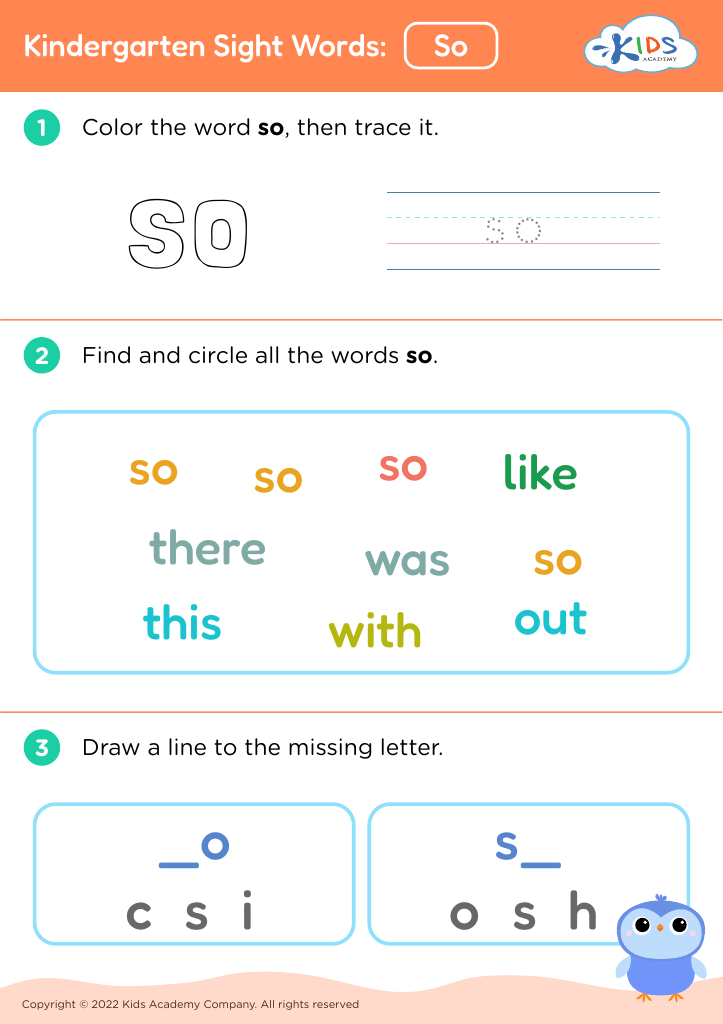
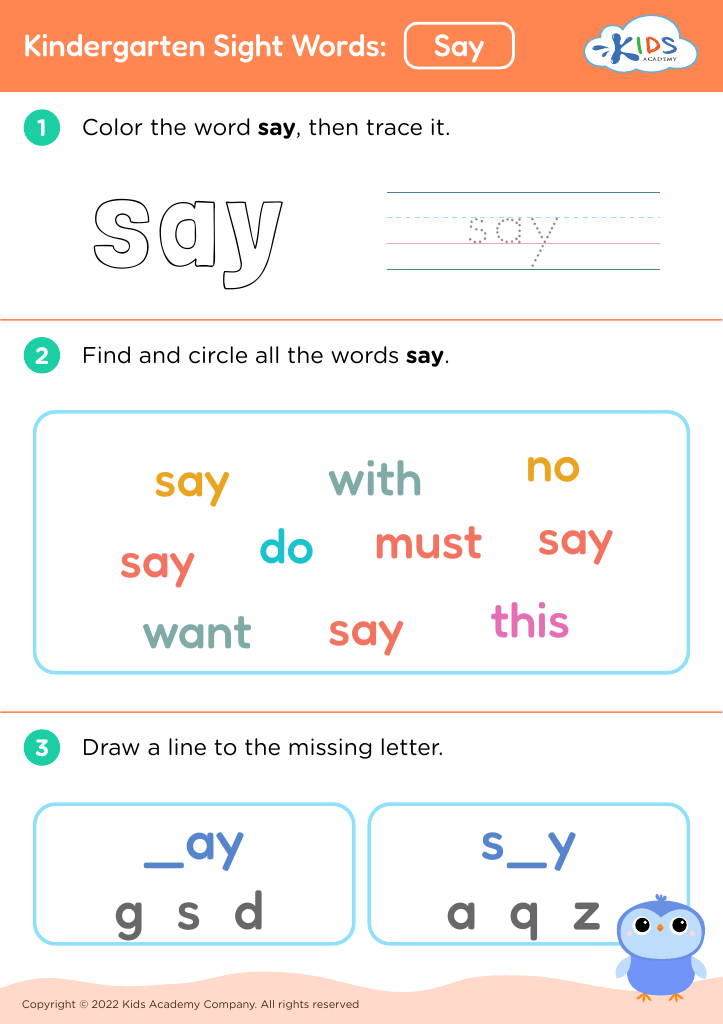
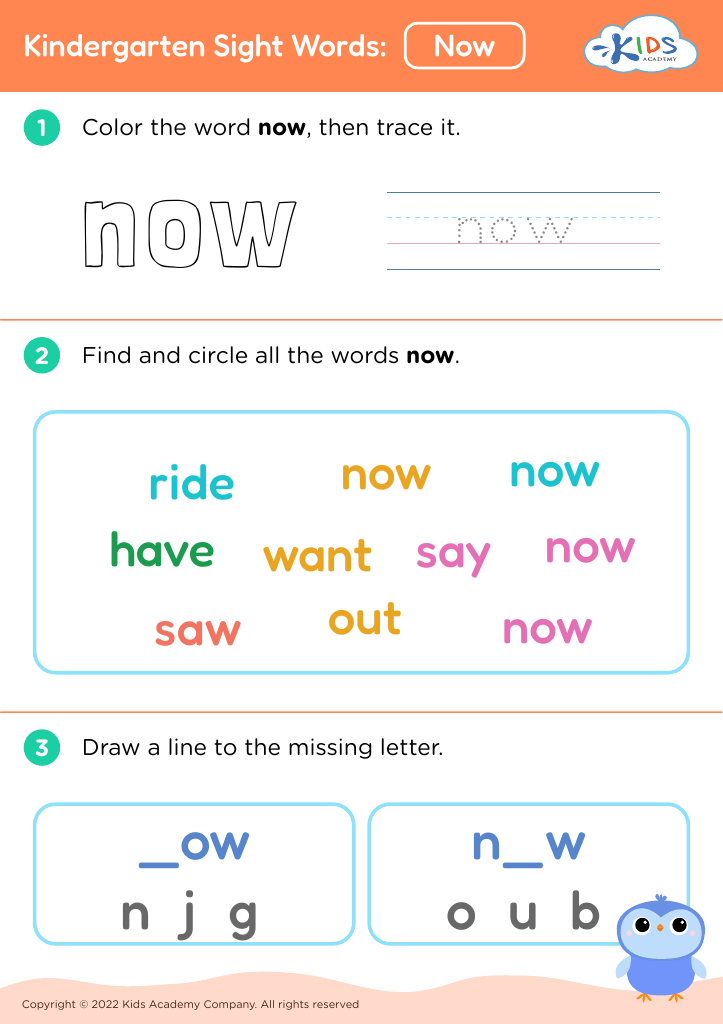
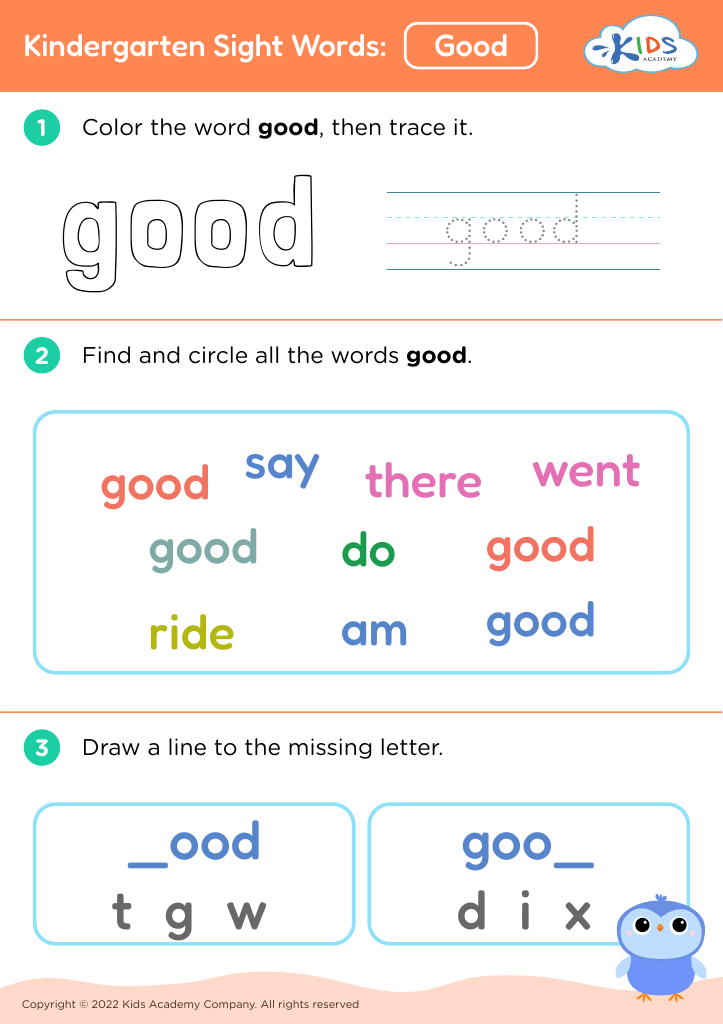
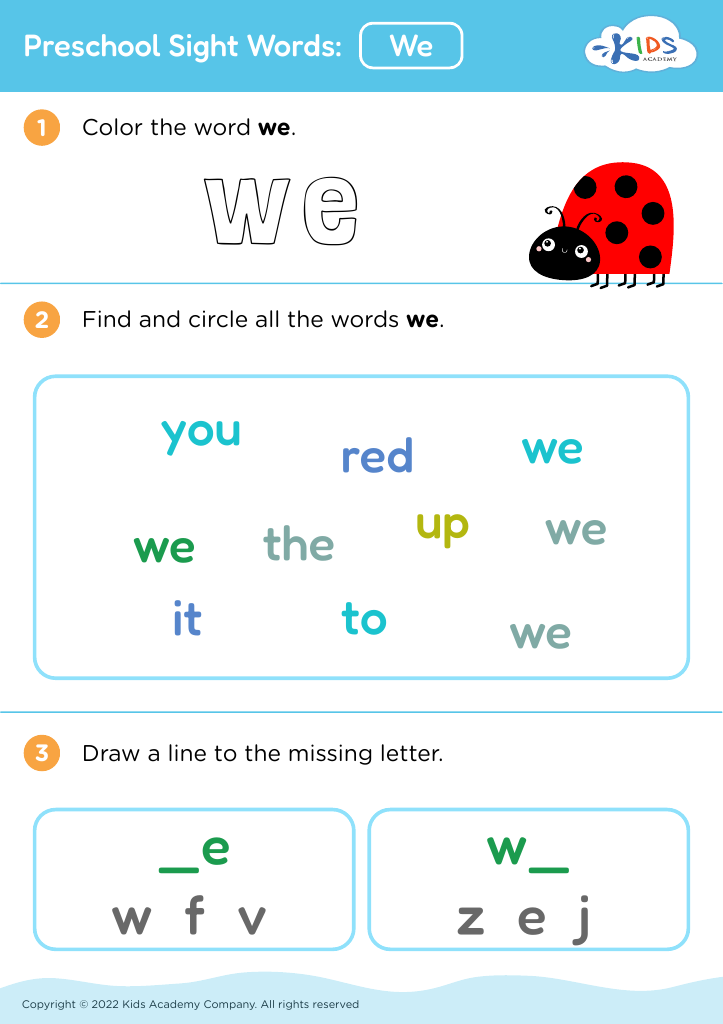







Counting skills are foundational for young learners, particularly for children aged 4-5. During this developmental stage, children actively explore number concepts, making it a critical period for establishing early mathematical understanding. Proficiency in counting sets the groundwork for future skills, including addition and subtraction. When children can count reliably, they enhance their problem-solving abilities and boosts their confidence in handling math-related tasks.
Moreover, counting skills play a vital role in various areas of cognitive development. Mastering counting encourages children to categorize objects, understand sequences, and recognize patterns, all of which are essential skills not only in mathematics but also in language arts and science. Additionally, these skills promote fine motor coordination as children manipulate objects while counting, further supporting their overall development.
For parents and teachers, nurturing counting skills leads to improved academic readiness, fostering a lifelong love for learning. Engaging children in counting through everyday activities, like counting toys or using songs, promotes learning in a fun, meaningful way. Recognizing the importance of counting at this age allows educators and caregivers to create a rich, supportive environment that enhances mathematical literacy and sets a strong foundation for future success.








