
Enhancing fine motor skills Worksheets for Ages 4-5
4 filtered results
Difficulty Level
Grade
Age
-
From - To
Subject
Activity
Standards
Discover our collection of engaging worksheets designed to enhance fine motor skills for children aged 4-5. These fun and interactive activities focus on crucial developmental skills that support handwriting, cutting, and other essential tasks. Your little learners will enjoy tracing, coloring, and completing enjoyable tasks that promote hand-eye coordination and dexterity. Our worksheets are thoughtfully designed to foster creativity while ensuring that children develop the neatness and control necessary for future academic success. Perfect for teachers and parents, these resources provide a fantastic way to support early learning objectives and prepare kids for a bright educational journey ahead!
Favorites
With answer key
Interactive
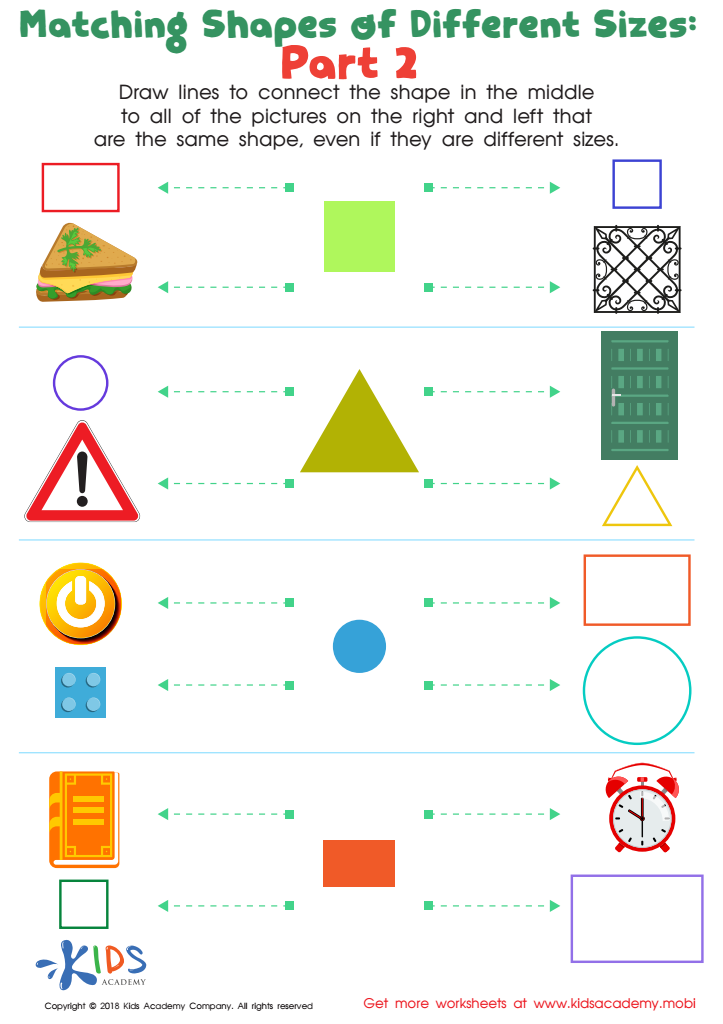
Geometry: Part 2 Worksheet
Third grade geometry gets a challenge with this free worksheet. Kids match shapes to everyday objects like sandwiches, alarm clocks and books for a better understanding of geometry in their lives. Printable pdf is included.
 Assign to My Students
Geometry: Part 2 Worksheet
Worksheet
Join Kids Academy for Free
Who is primarily going to use this learning content?








Enhancing fine motor skills in children aged 4-5 is crucial for their overall development and future learning. At this stage, fine motor skills involve the small muscle movements in their hands and fingers, necessary for tasks like holding a pencil, buttoning clothes, or using scissors. Supporting the development of these skills lays the groundwork for successful academic performance and daily activities.
Fine motor skills influence a child’s ability to perform age-appropriate tasks and engage in creative play, fostering independence and self-confidence. For instance, preschool children who exhibit strong fine motor skills are better prepared for writing, self-feeding, and managing personal items, easing their transition to formal schooling.
Additionally, fine motor skill development supports cognitive growth. As children engage in activities that require coordination and precision, they also enhance problem-solving abilities and hand-eye coordination. Such skills translate into improved concentration and focus during activities in the classroom.
Furthermore, parents and teachers can foster a child's social interactive skills through group activities like crafting or playing with building blocks, promoting teamwork and communication. Thus, enhancing fine motor skills is essential for a child's holistic development, facilitating not only academic readiness but also fostering confidence and social engagement.








