Fine motor skills development Worksheets for Ages 4-5
10 filtered results
-
From - To
Discover our engaging Fine Motor Skills Development Worksheets designed specifically for children ages 4-5. These worksheets focus on enhancing dexterity and coordination through fun, age-appropriate activities that promote independent learning. Each resource features colorful illustrations and varying levels of challenge to keep young learners motivated and excited to practice essential skills. From tracing and cutting to sorting and coloring, our worksheets not only support fine motor growth but also encourage cognitive development and creativity. Perfect for home or classroom use, these interactive tools provide a foundation for lifelong learning and skill mastery. Promote school readiness and confidence with our fine motor worksheets today!

Trace The Circles Worksheet

I Stands High Worksheet

Find Lowercase Letters j k l Worksheet
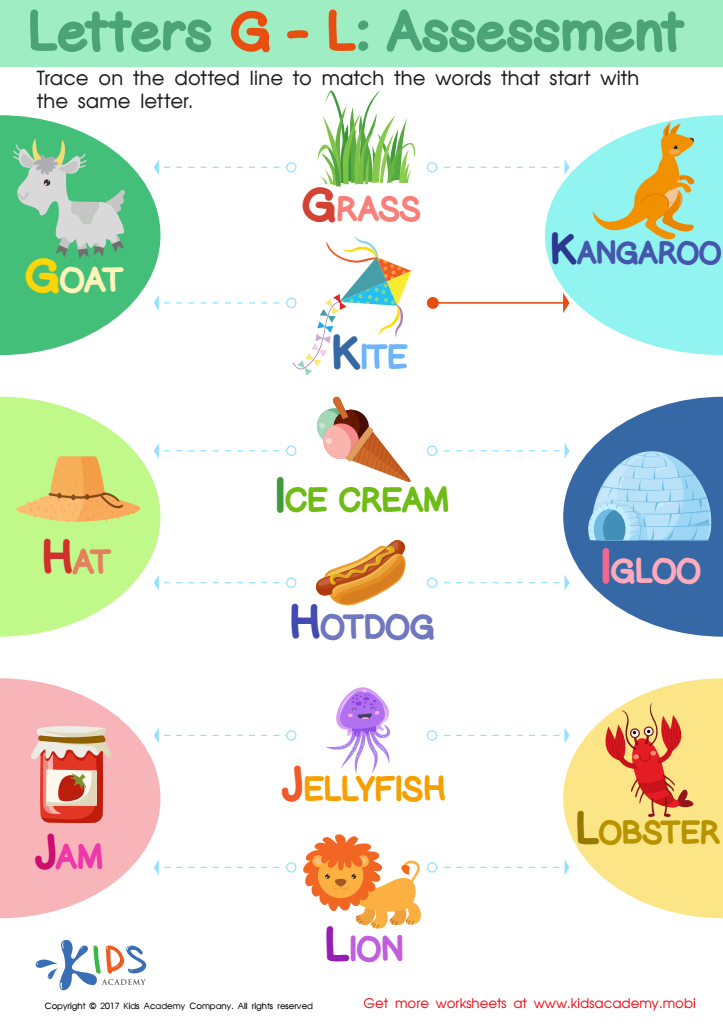
Letters G-L Worksheet
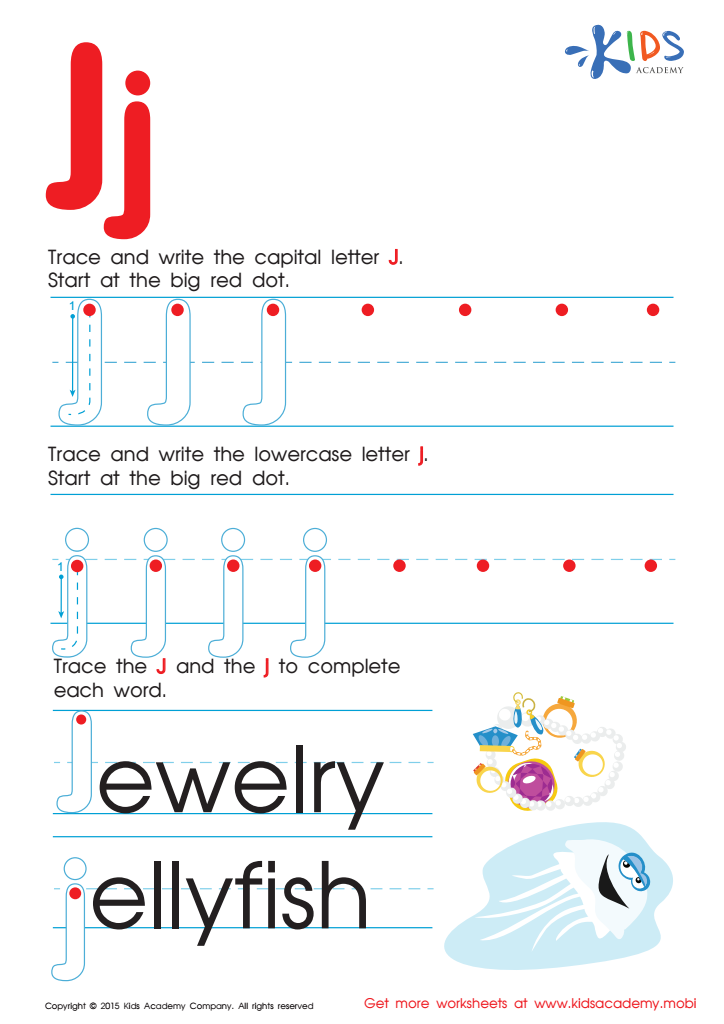
Letter J Tracing Page
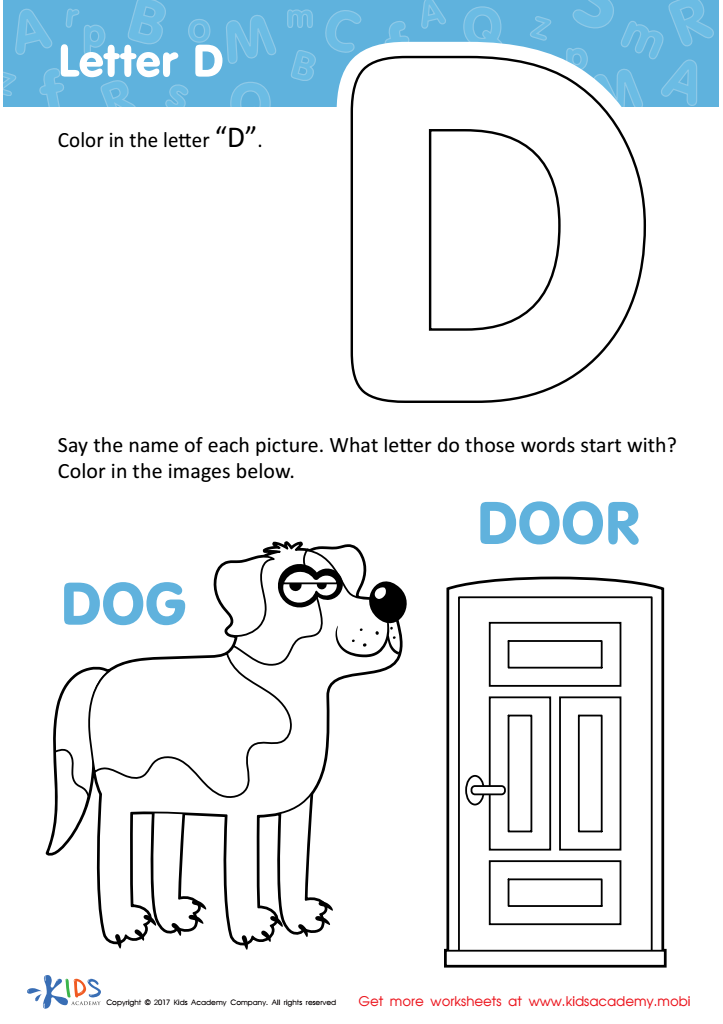
Letter D Coloring Sheet
 Assign to My Students

Uppercase Letters P, Q, and R Worksheet

Tracing Horizontal Lines Worksheet

Letter L and P Tracing Worksheet



.jpg)

.jpg)



Fine motor skills, essential for developing manual dexterity, are crucial for children aged 4-5 as they lay the foundation for future learning, independence, and physical abilities. By focusing on fine motor skills, parents and teachers can support children's capacity to perform everyday tasks, such as writing, buttoning clothes, and using utensils, which boosts their confidence and self-esteem.
At this age, children are refining their hand-eye coordination and finger strength, essential for kindergarten readiness. Engaging in activities like drawing, building with blocks, or practicing with scissors not only enhances these skills but also promotes cognitive development and creativity.
Moreover, fine motor skill development is linked to academic success; strong dexterity contributes to better handwriting, quicker completion of tasks, and the ability to participate in STEM activities effectively.
In addition, investing time in this area encourages social interaction amongst peers, as children often engage in shared activities that foster teamwork and communication. Ultimately, prioritizing fine motor skills is not just about physical movement; it is about nurturing a well-rounded child capable of thriving academically and socially in their early years and beyond. This investment in development pays lifelong dividends for children and their future capabilities.








