Fine motor skills (writing) Worksheets for Ages 4-5 - Page 2
37 filtered results
-
From - To

Thanksgiving Holiday Printable
 Assign to My Students
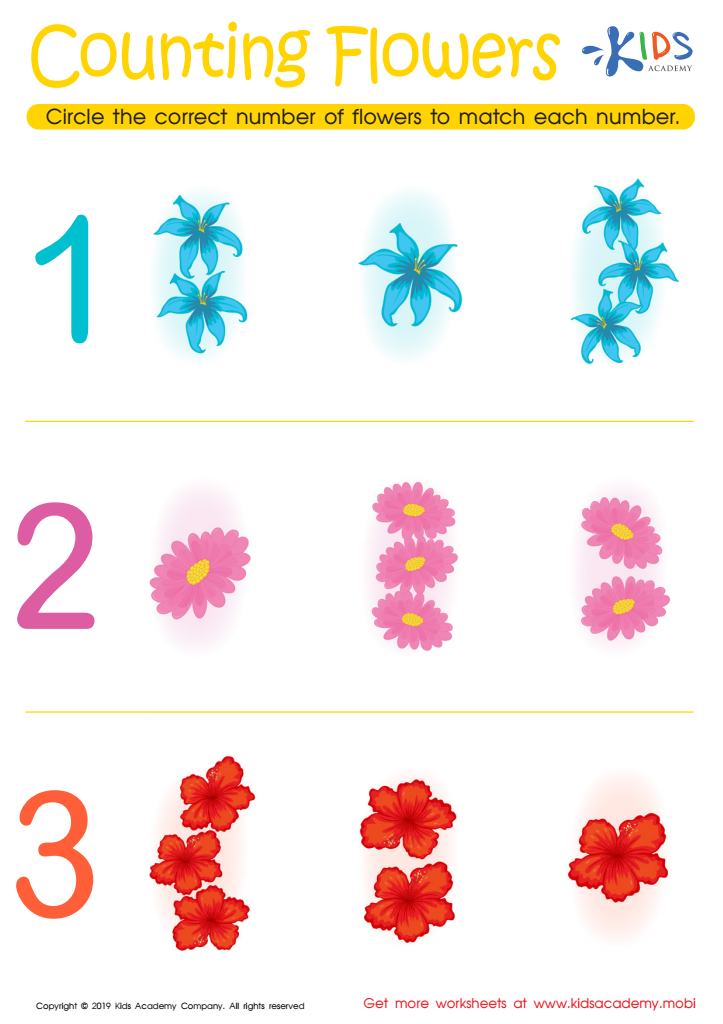
Counting Flowers Worksheet
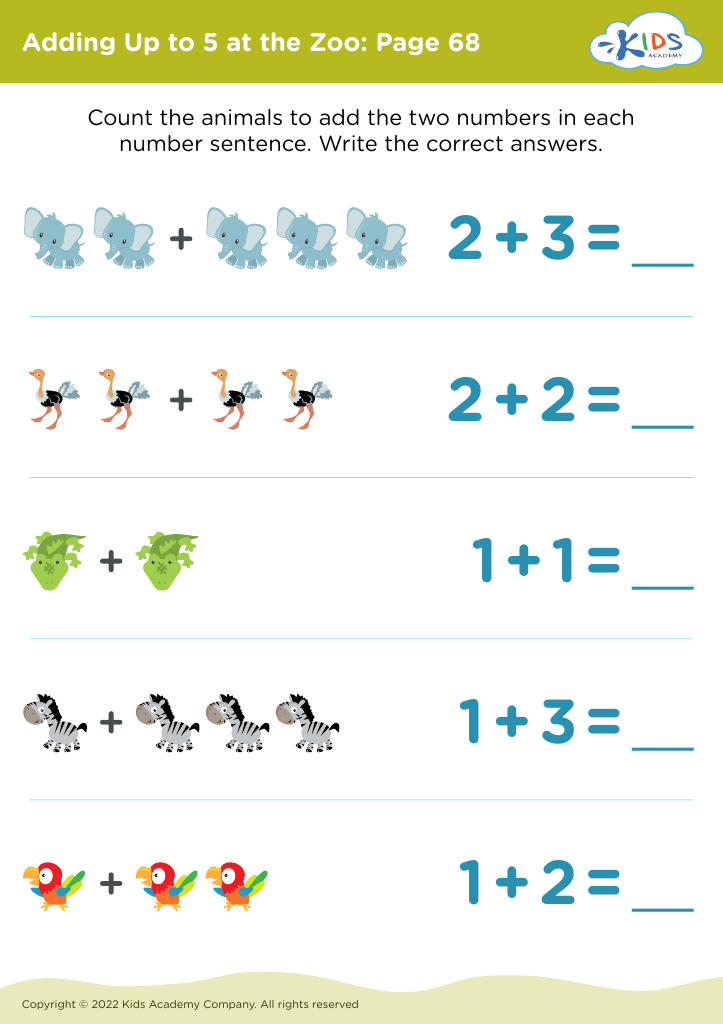
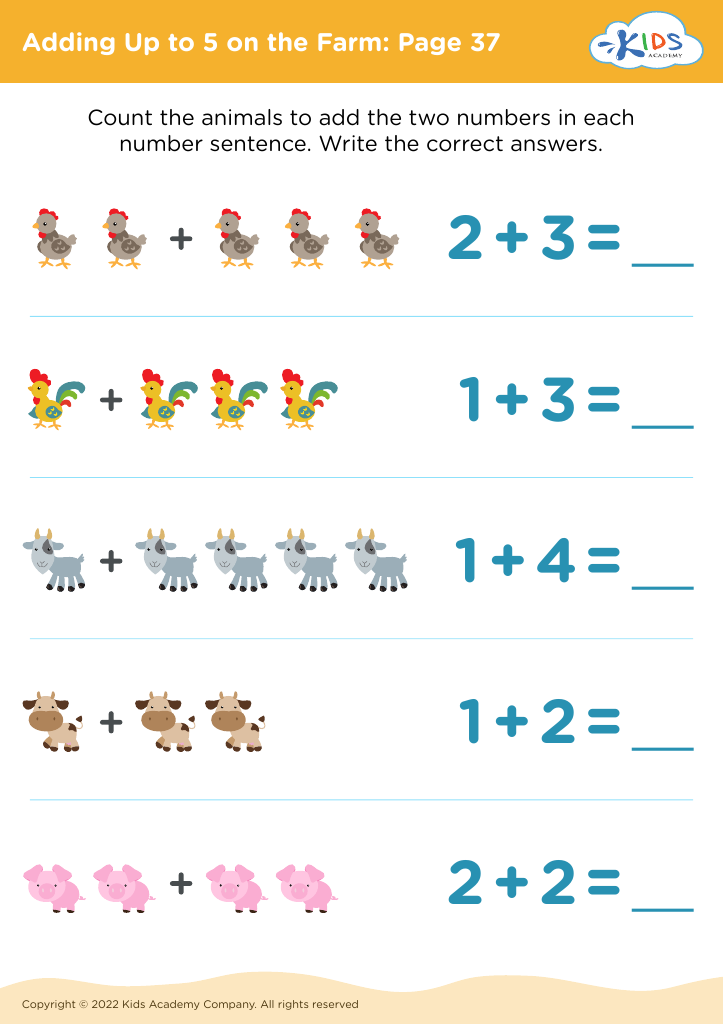
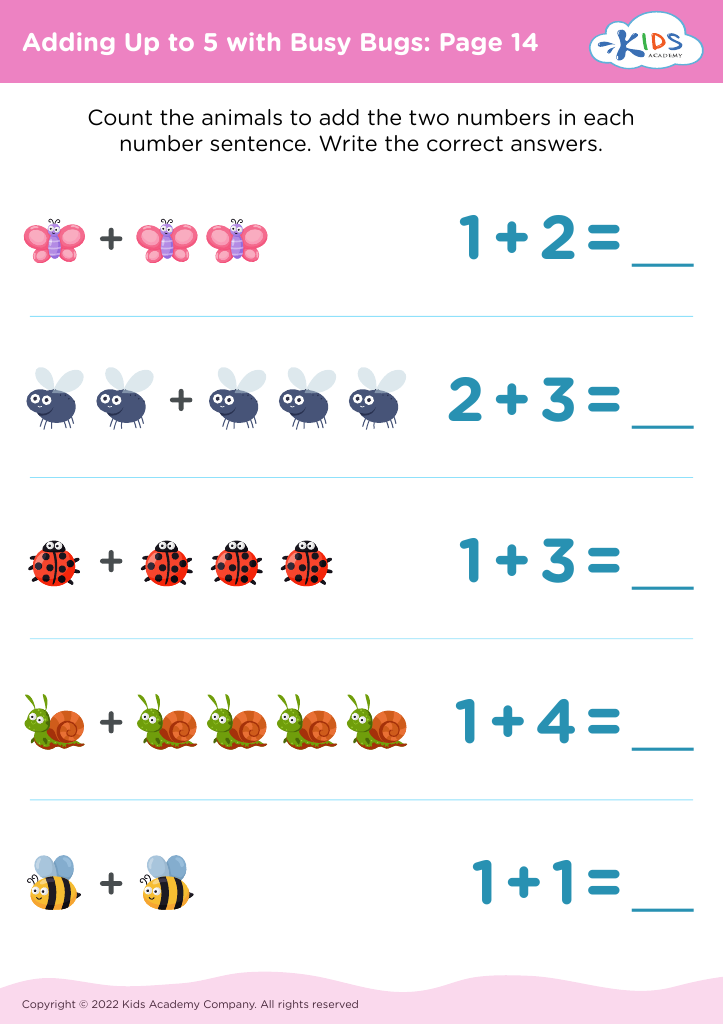
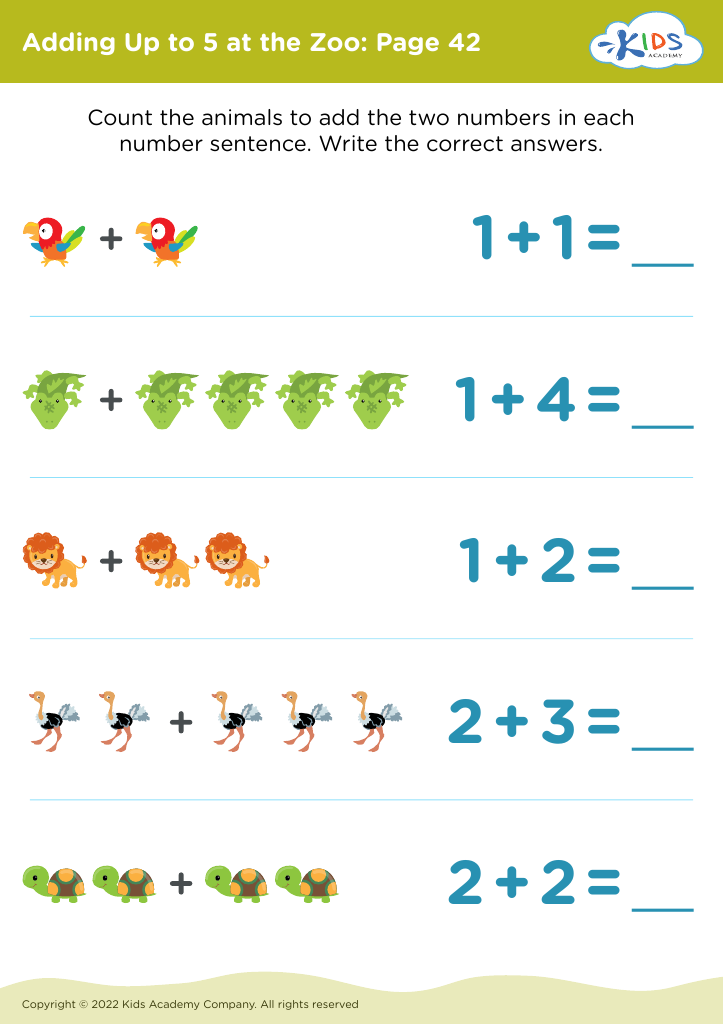
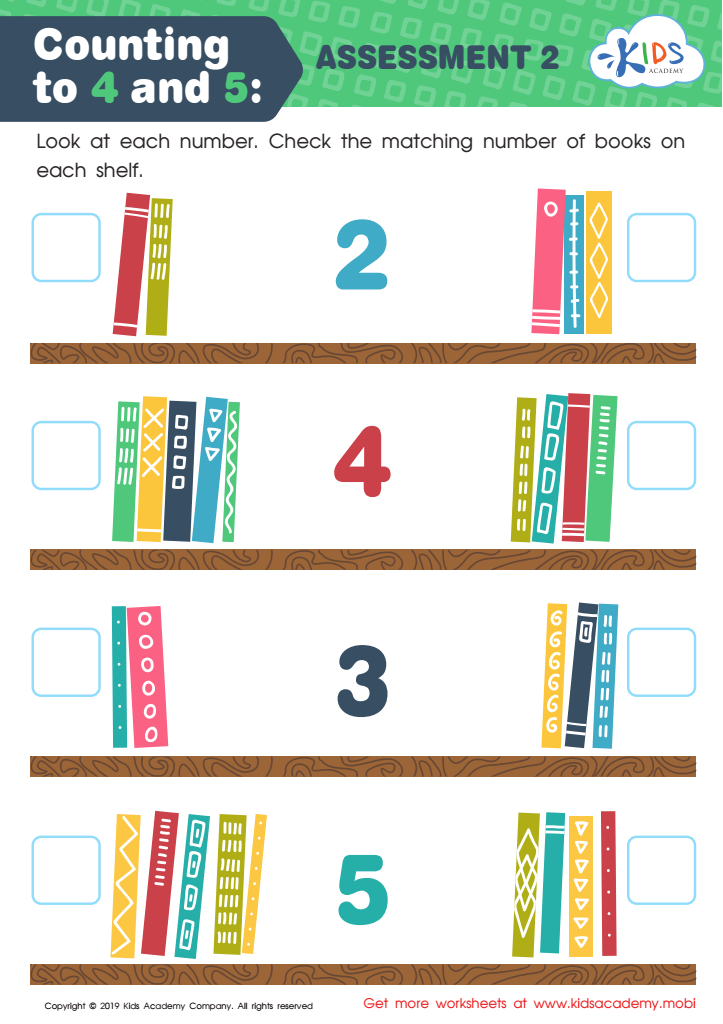
Counting to 4 and 5: Assessment 2 Worksheet






Fine motor skills are crucial for children aged 4-5 as they lay the groundwork for essential activities like writing, cutting, and buttoning, which are integral to daily life and academic success. Development in this area signifies a child's capacity to perform tasks that require precision and coordination of small muscle movements, particularly in the hands and fingers. For parents and teachers, fostering fine motor skills prepares children to write, an essential educational milestone that influences their overall literacy and communication abilities.
A strong foundation in fine motor skills enhances a child's confidence and independence. As children refine these skills, they engage more easily in classroom activities, leading to better school readiness and a more positive learning experience. Moreover, tasks involving fine motor skills, such as scribbling or manipulating small objects, spur cognitive development by promoting problem-solving, spatial awareness, and hand-eye coordination.
Early intervention and support in developing fine motor skills can prevent future academic difficulties and help children better express themselves through writing and drawing. Thus, encouraging activities like clay modeling, cutting shapes, and assembling puzzles at home and in the classroom is invaluable. This attention not only aids in academic readiness but also fosters a supportive atmosphere where children feel capable and accomplished.








