Identifying objects Worksheets for Ages 4-5
5 filtered results
-
From - To
Welcome to our "Identifying Objects Worksheets" designed specifically for children aged 4-5! These engaging resources help young learners enhance their observation and categorization skills through fun activities. Our worksheets encourage kids to recognize and classify various objects, boosting their vocabulary and cognitive development. With colorful illustrations and age-appropriate tasks, your child will enjoy exploring everyday items while developing critical thinking abilities. Perfect for homeschoolers or classroom settings, these worksheets provide essential practice in a playful manner. Dive into our collection today and support your child's learning journey as they build foundational skills for future success!
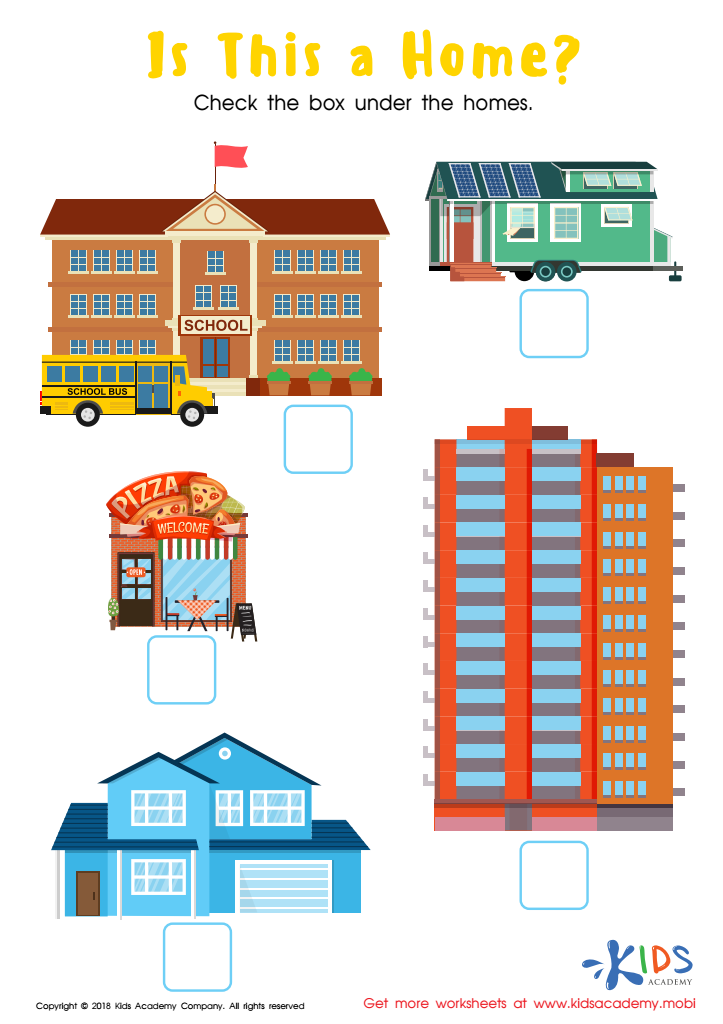
Is this a Home? Worksheet
 Assign to My Students
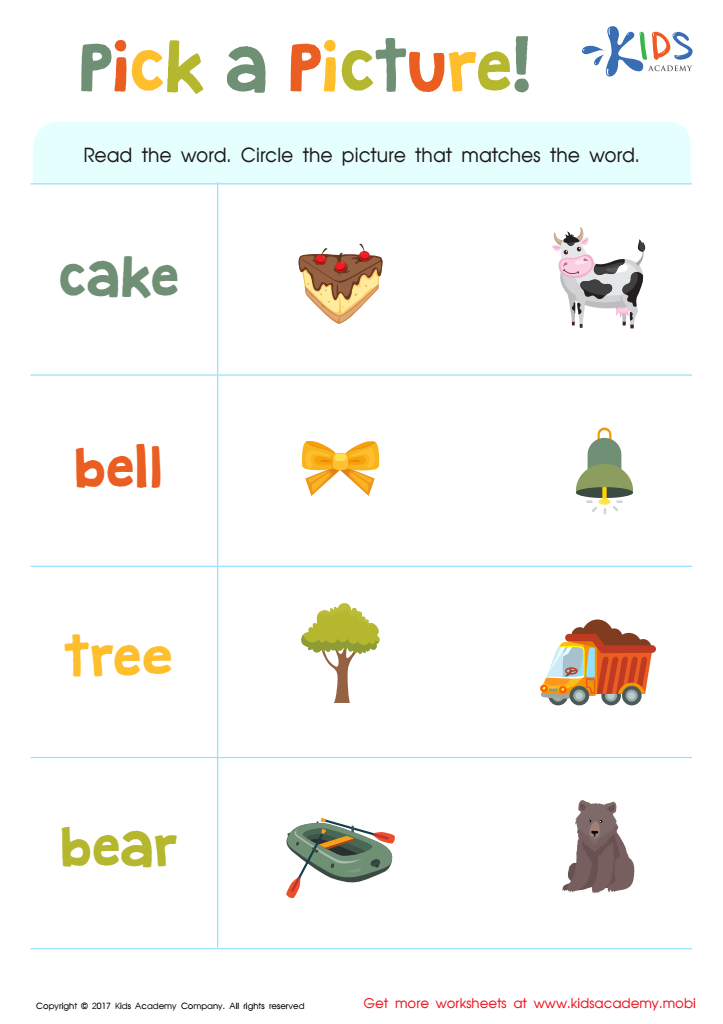
Pick a Picture Word Recognition Worksheet
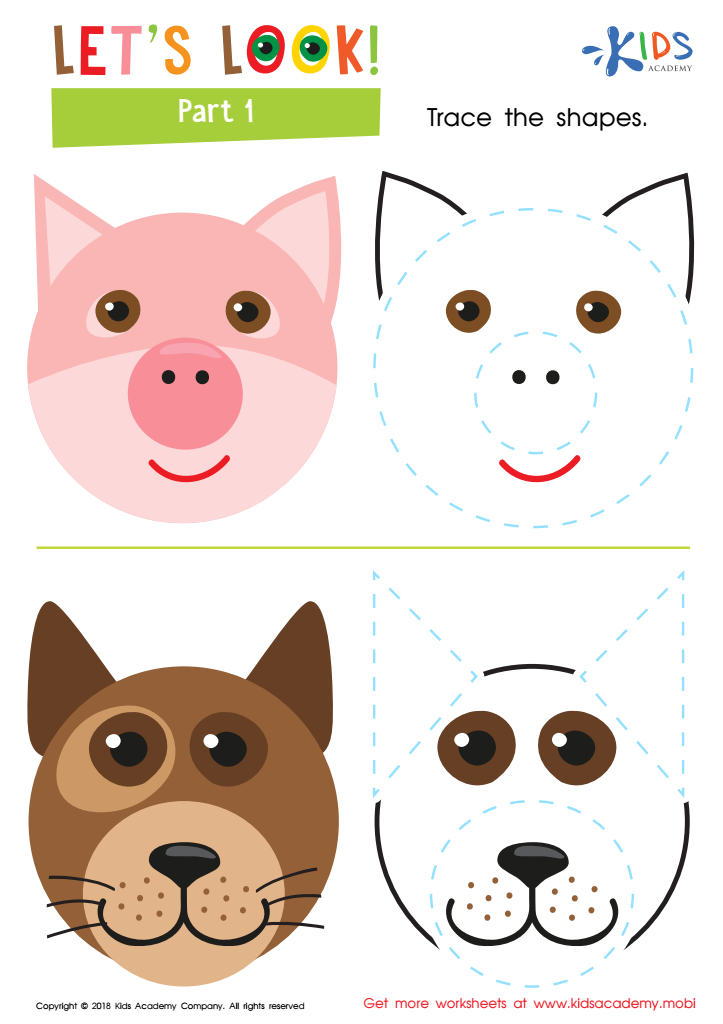
Let's Look! Part 1 Worksheet
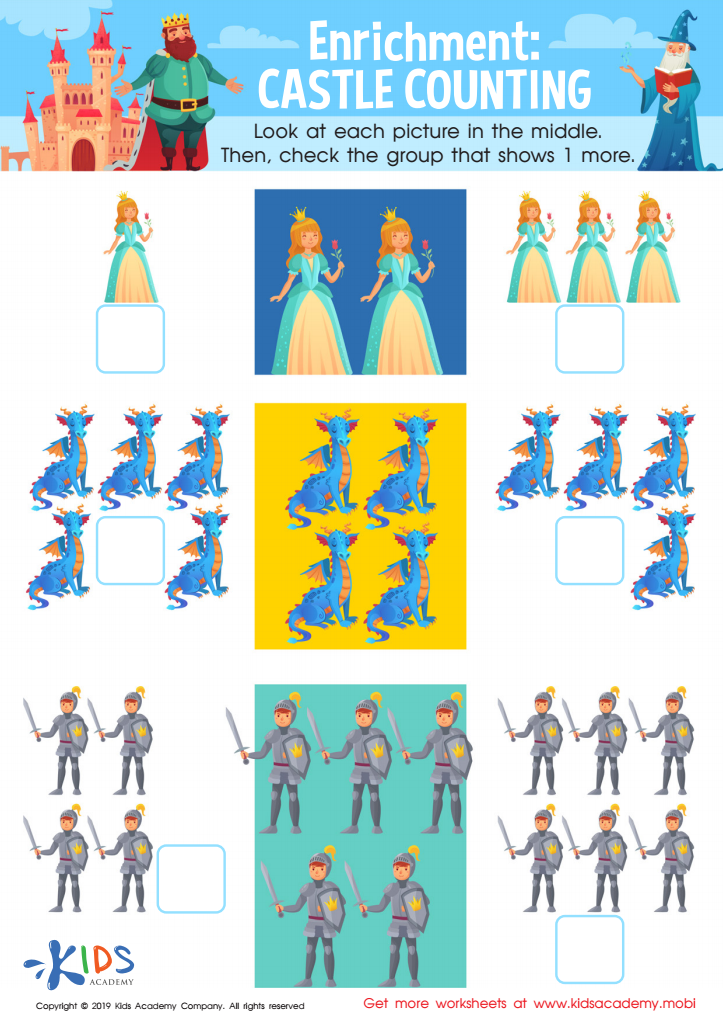
Enrichment: Castle Counting Worksheet
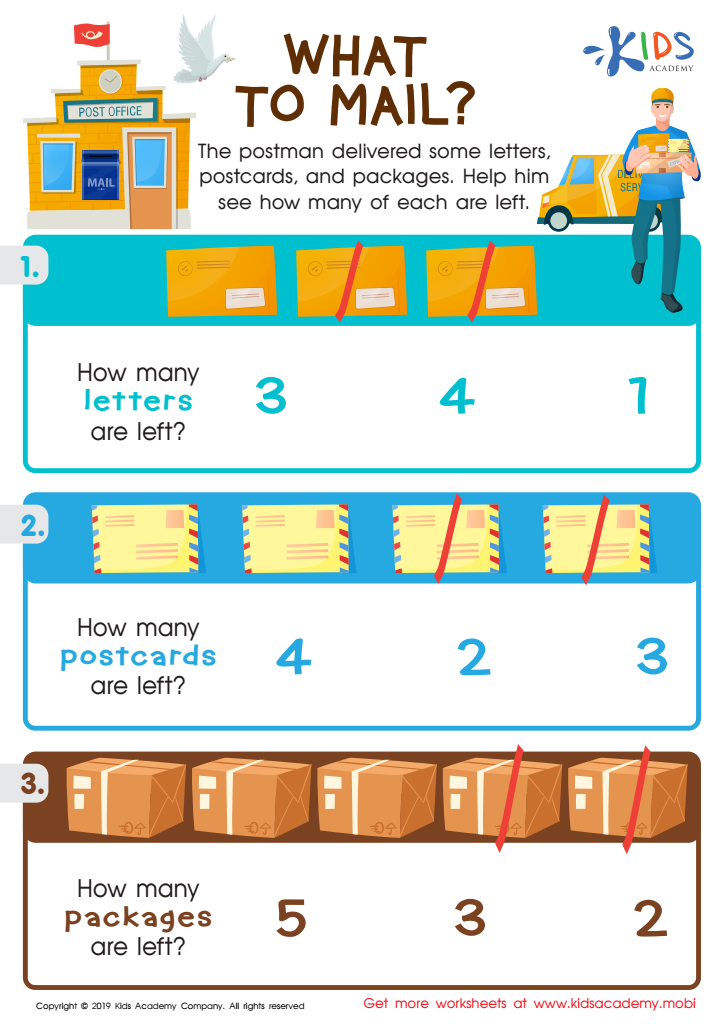
What to Mail? Worksheet







Identifying objects is a crucial developmental milestone for children aged 4-5. At this stage, children are beginning to make sense of the world around them, enhancing their cognitive, language, and social skills. Parents and teachers should care about fostering this skill for several reasons.
Firstly, object identification supports vocabulary development. As children learn the names and characteristics of various items, their language skills expand, facilitating better communication. This, in turn, encourages confidence in expressing thoughts and ideas.
Secondly, recognizing objects helps with cognitive skills like categorization and critical thinking. Early exposure to different types of objects enables children to categorize them based on similarities and differences, laying the foundation for problem-solving and analytical abilities needed later in life.
Additionally, engaging in object identification activities often promotes social interaction. Participating in group activities or discussions around objects can enhance cooperative play, listening skills, and the ability to share thoughts with peers.
Finally, identifying objects can spark curiosity and creativity. Whether through play, art, or exploration, it nurtures a love for learning that is essential for academic success. Therefore, supporting this skill should be a priority for parents and educators alike, providing children with a solid groundwork for lifelong learning.








