Improving handwriting Worksheets for Ages 4-5
3 filtered results
-
From - To
Unlock your child's potential with our "Improving Handwriting Worksheets for Ages 4-5"! Tailored for young learners, these interactive and engaging worksheets foster fine motor skills, letter recognition, and proper penmanship. With fun activities that include tracing, drawing, and writing practice, children will enjoy learning to form letters and numbers correctly. Our expertly designed sheets provide the perfect balance of challenge and support, ensuring steady progress. Help your preschooler develop a solid handwriting foundation for future academic success. Discover the joy of learning through play with Kids Academy's handwriting improvement resources today!
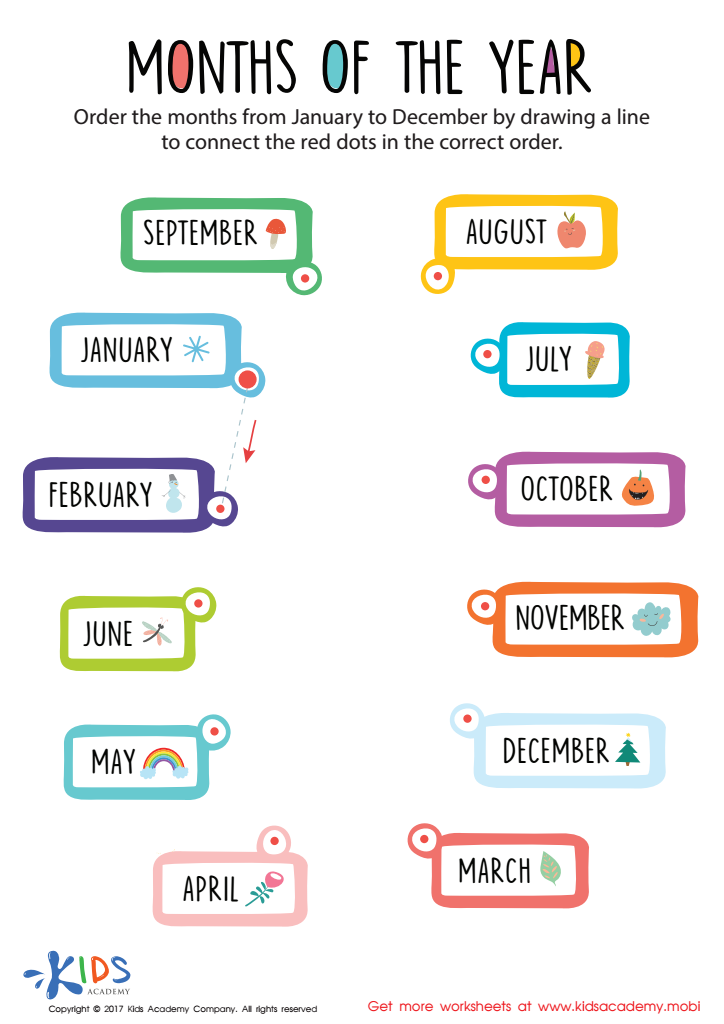
Months of the Year Worksheet
 Assign to My Students
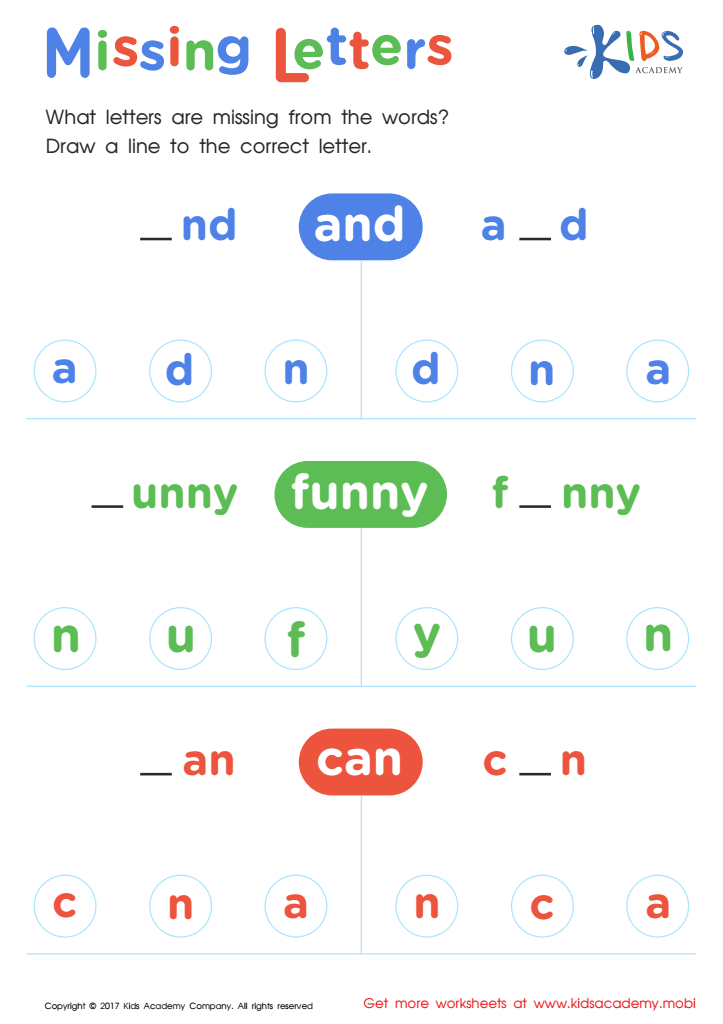
Missing Letters Worksheet
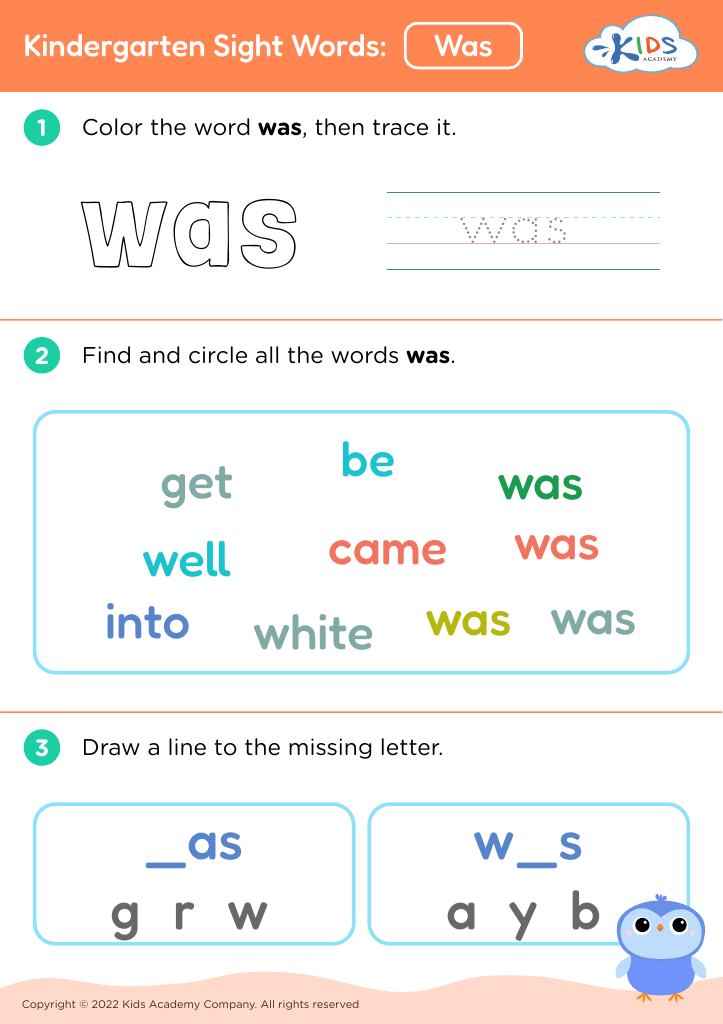





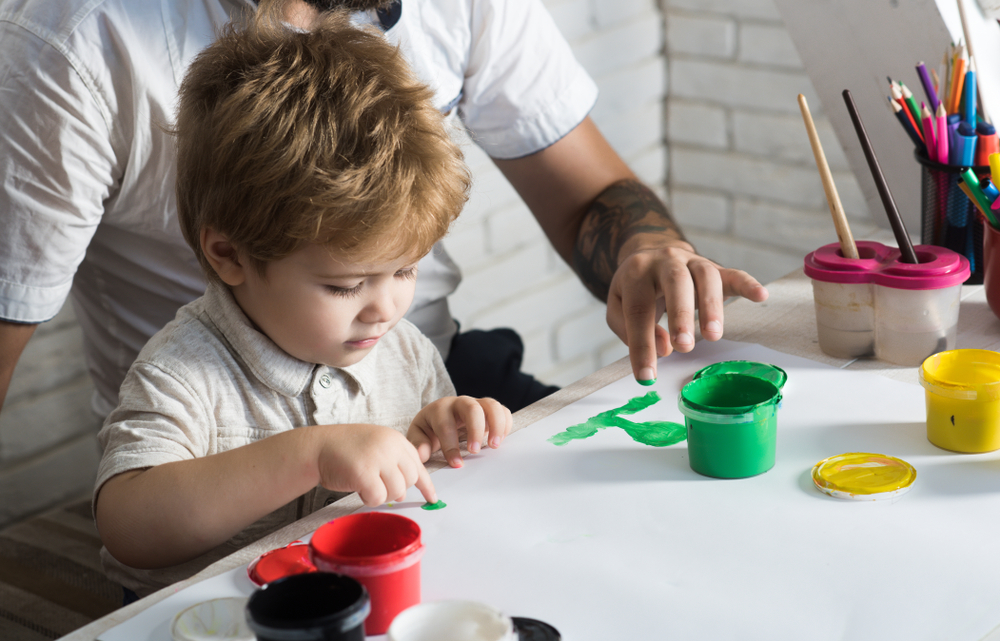


Improving handwriting for children ages 4-5 is fundamental for several key reasons. At this developmental stage, young children are just beginning to refine their fine motor skills, which are crucial for a variety of everyday tasks like tying shoelaces, using utensils, and assembling puzzles. By focusing on enhancing handwriting, parents and teachers are directly promoting these skills, fostering better hand-eye coordination and muscle control necessary for overall dexterity.
Handwriting practice also supports cognitive development in these early years. It helps children recognize letter shapes, enhancing their ability to remember and accurately reproduce them, which lays a strong foundation for reading proficiency. Moreover, writing by hand engages multiple brain regions associated with learning and association, ultimately boosting memory retention and critical thinking skills.
Socially and emotionally, fine-tuning handwriting serves to build confidence. When children are able to produce legible and neat handwriting, they are more inclined to participate in classroom activities involving writing, thereby reinforcing both their social skills and self-esteem. Feeling confident in their handwriting can make learning other subjects smoother and more pleasurable, enhancing the overall educational experience. Therefore, nurturing good handwriting habits early on has lasting benefits, making it a critical area for parental and educational focus.








