Math fluency Worksheets for Ages 4-5
3 filtered results
-
From - To
Discover our engaging Math Fluency Worksheets designed specifically for children aged 4-5! These printable resources provide a fun and interactive way for young learners to enhance their math skills through a variety of activities tailored to their developmental stage. Practice essential concepts like counting, number recognition, and basic addition with colorful exercises that spark curiosity and promote learning. Ideal for use at home or in the classroom, these worksheets encourage a love for math while building a strong foundation for future success. Explore our collection today and watch your child gain confidence in their math abilities effortlessly!
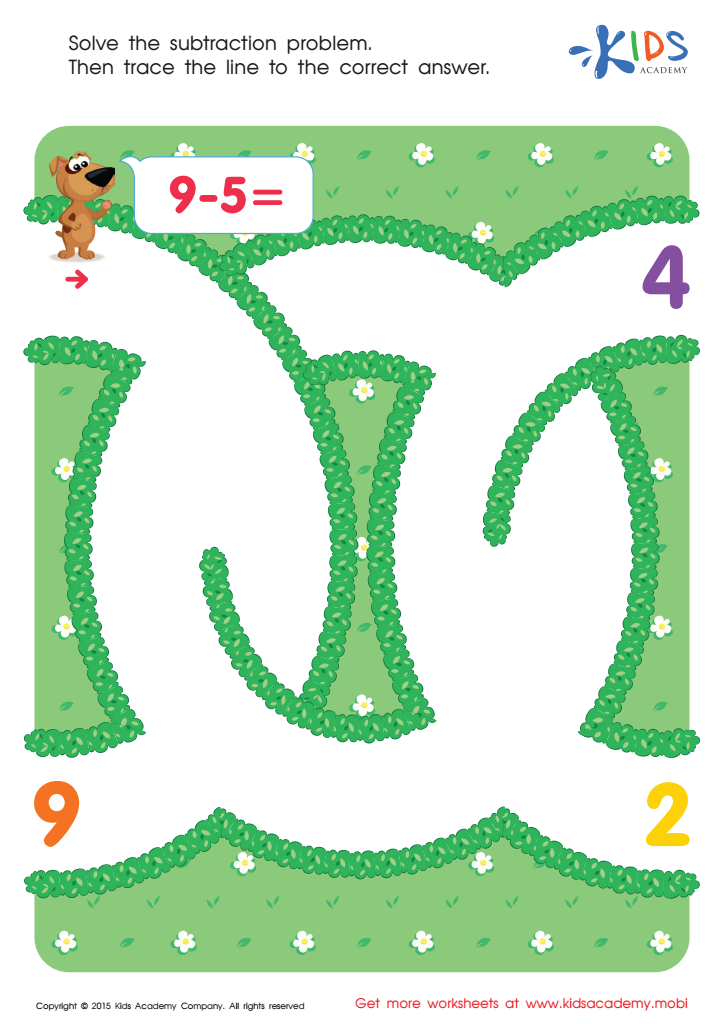
Subtraction Nine And Five Worksheet
 Assign to My Students
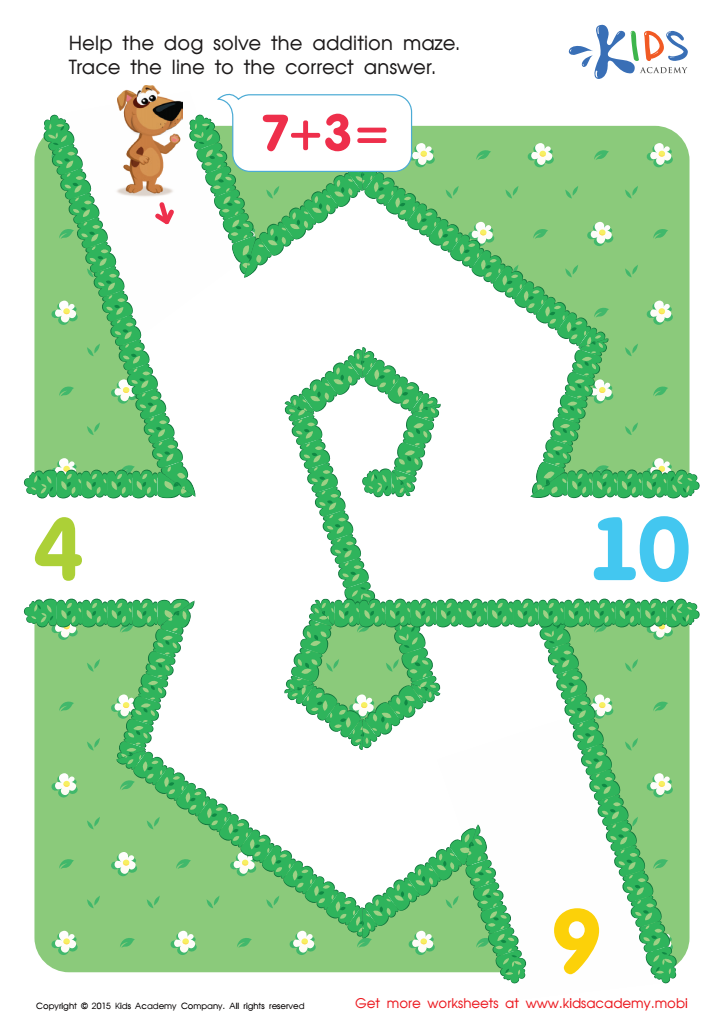
Seven Plus Three Worksheet
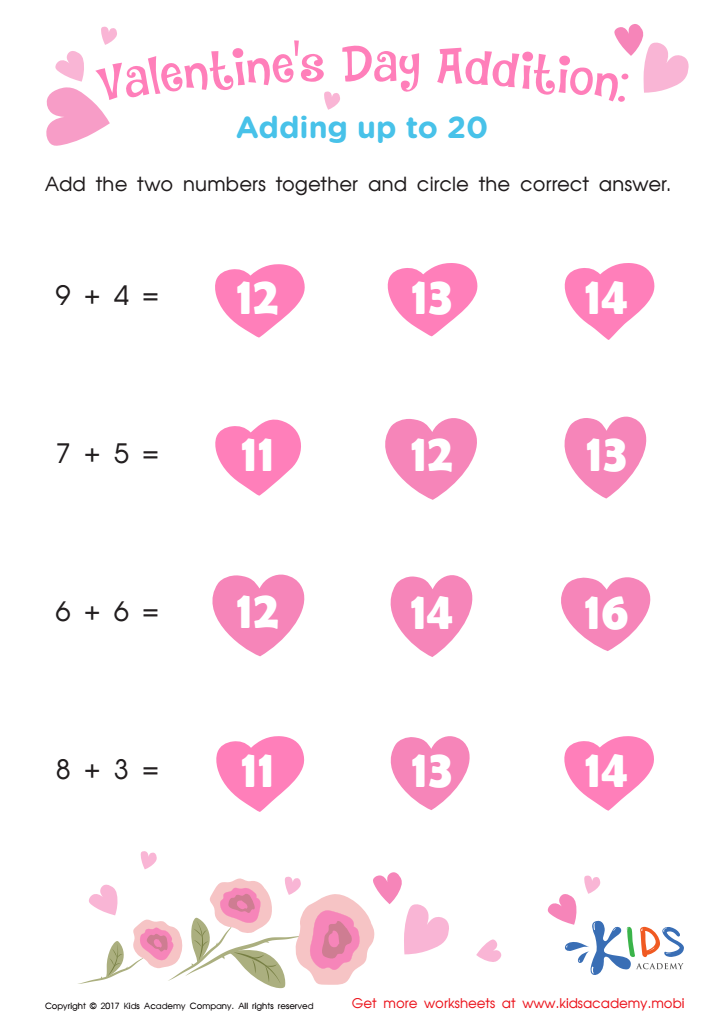
Valentine's Day Addition Worksheet








Math fluency for children ages 4-5 is crucial for laying a solid foundation for their future learning. During these formative years, children develop essential skills that support not only mathematics but also critical thinking and problem-solving abilities. Math fluency enables young learners to quickly recognize and manipulate numbers, which is akin to developing literacy skills in reading; they become more comfortable with concepts like counting, number relationships, and basic operations.
This fluency enhances cognitive development, enabling children to approach math with confidence and enthusiasm, laying the groundwork for more complex mathematical concepts later on. Moreover, fluent math skills foster important social-emotional benefits; when children can solve problems efficiently, they experience a sense of achievement that boosts their self-esteem and motivation to learn.
For parents and teachers, promoting math fluency at this age encourages an environment where quantitative reasoning is valued, making learning enjoyable and engaging. Research shows that early mathematical abilities are strong predictors of future academic success, highlighting the importance of fostering these skills early on. By prioritizing math fluency, caregivers can significantly contribute to children’s long-term educational outcomes and instill a lifelong appreciation for learning in their students.








