Practice addition Worksheets for Ages 4-5
3 filtered results
-
From - To
Explore our engaging "Practice Addition Worksheets for Ages 4-5," designed to make learning fun and effective! Tailored specifically for young learners, these worksheets help children develop essential addition skills through colorful, interactive exercises. Each worksheet features enjoyable visuals and age-appropriate activities that encourage children to count, add, and understand basic math concepts. Our resources foster critical thinking and problem-solving skills in a playful manner, making math accessible and enjoyable. Perfect for teachers, parents, and caregivers, these worksheets provide a solid foundation in early math while promoting cognitive development. Download now and watch your child's confidence in math soar!
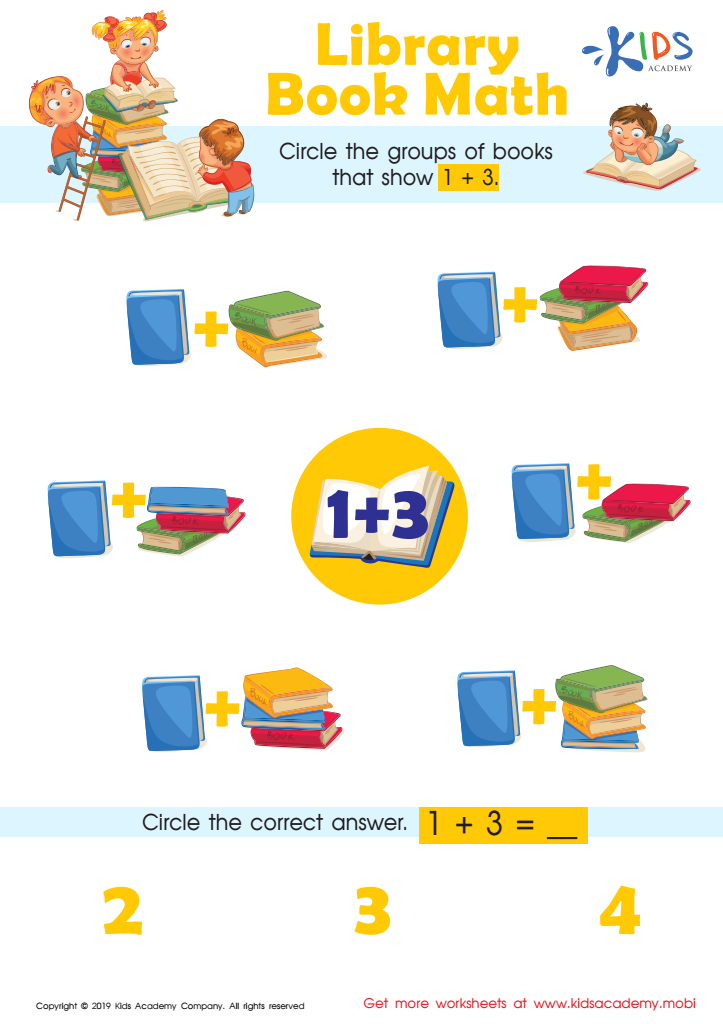
Library Book Math Worksheet
 Assign to My Students
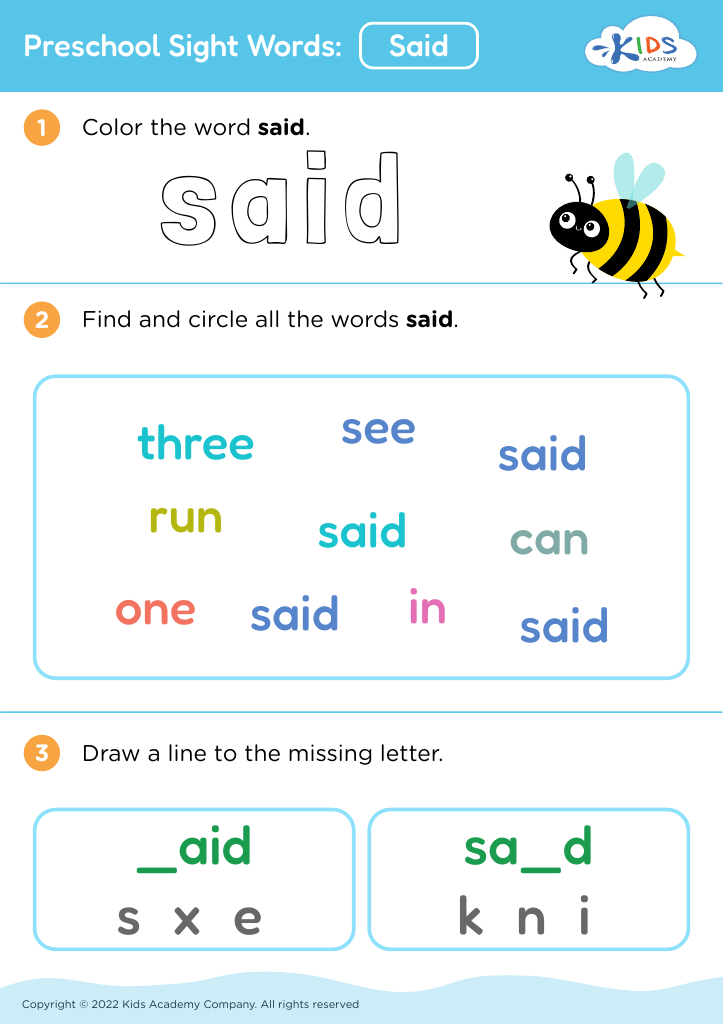
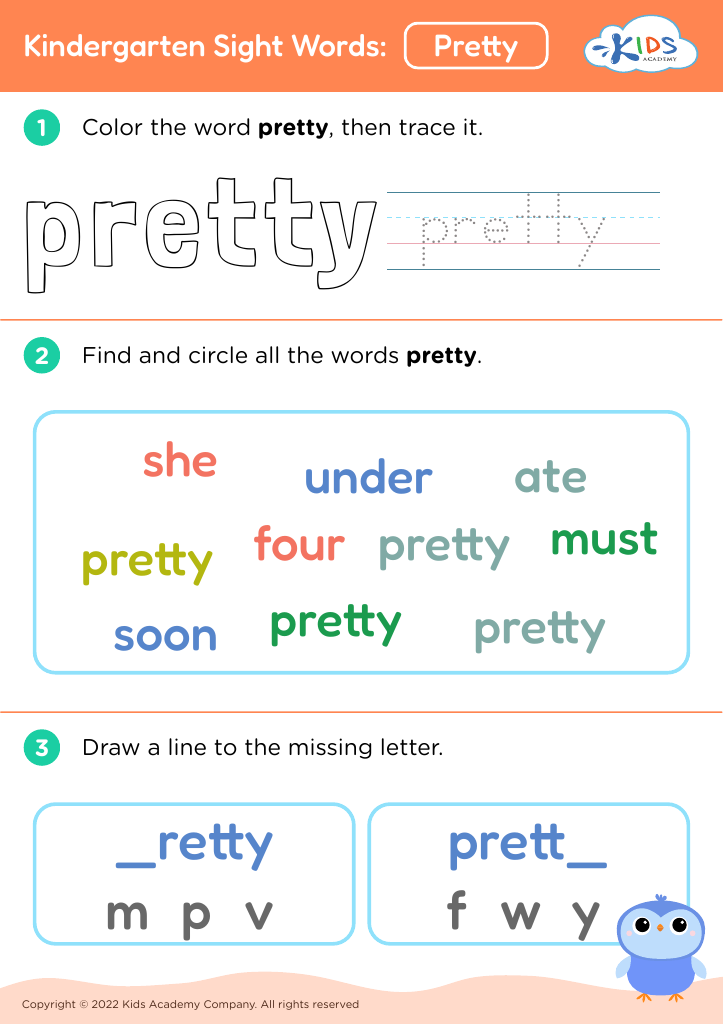







Practice addition for ages 4-5 is crucial for several reasons. Firstly, this foundational skill establishes early numeracy, which is essential for more advanced mathematical concepts later in life. During this stage, children learn to recognize numbers, understand their values, and grasp the concept of combining quantities, all of which set the groundwork for future math proficiency.
Additionally, practicing addition in a fun and engaging way fosters a positive attitude towards mathematics. Young children often learn best through play, and incorporating games or hands-on activities can make addition enjoyable, reducing anxiety associated with learning math. This can lay the foundation for a lifelong love for learning.
Moreover, addition practice enhances cognitive development by improving problem-solving skills and critical thinking. As children engage in addition exercises, they also learn to focus, follow instructions, and develop persistence in overcoming challenges.
Lastly, these early math skills are closely connected to everyday life experiences, from counting toys to sharing snacks, reinforcing their relevance. Parents and teachers should prioritize practice in addition not only to support math readiness but also to nurture a child's confidence and curiosity about the world around them. Thus, focusing on this skill enables learners to thrive academically and personally.








