Predicting outcomes Worksheets for Ages 4-5
3 filtered results
-
From - To
Explore our engaging Predicting Outcomes Worksheets designed specifically for children aged 4-5! These fun, interactive worksheets help young learners develop critical thinking and reasoning skills as they practice making predictions based on various scenarios. Your little ones will enjoy colorful graphics and relatable situations that spark their imagination and enhance their understanding of cause and effect. Perfect for at-home learning or as classroom activities, these worksheets encourage children to analyze information and formulate thoughtful predictions. Download now and support your child's cognitive development with our easy-to-use printables that make learning both enjoyable and effective!
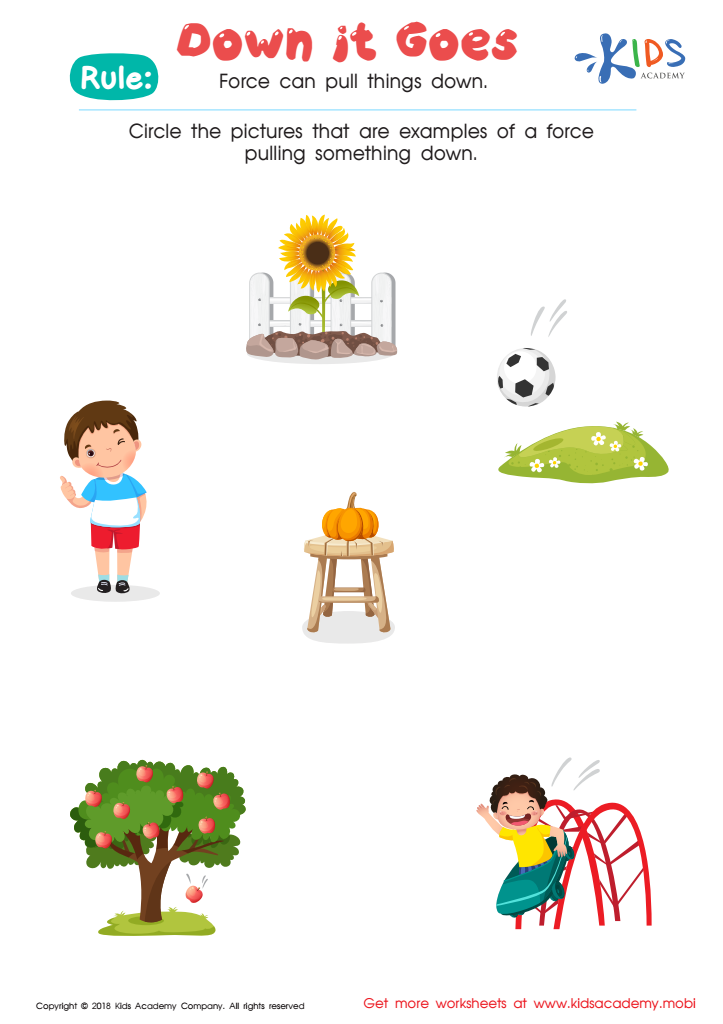
Down it Goes Worksheet
 Assign to My Students
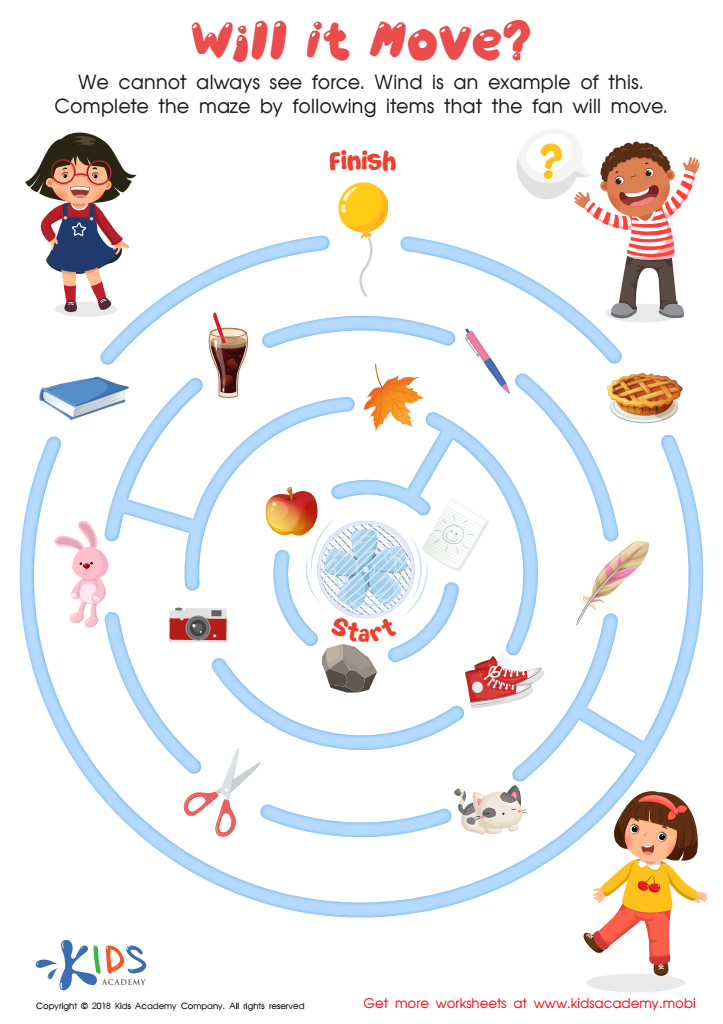
Will it Move? Worksheet

Race Car Ramp Worksheet








Predicting outcomes for children aged 4-5 is crucial for both parents and teachers as it lays the groundwork for their future development and learning. At this formative stage, children are rapidly acquiring essential skills, including language development, social interaction, and cognitive abilities. By making predictions about their potential trajectories, educators and parents can identify early signs of strengths or areas that may need additional support.
Understanding these predicted outcomes enables adults to tailor their approaches, creating personalized learning experiences that cater to each child’s unique needs. For instance, children who are predicted to excel in language might benefit from enriched literacy activities, while those who may struggle in social situations can receive targeted support to build their interpersonal skills.
Additionally, early identification of learning challenges or developmental delays allows for timely interventions, which can significantly influence a child's long-term success. By focusing on these outcomes, parents and teachers can foster environments that promote positive growth, build resilience, and instill a love for learning. Ultimately, caring about predicting outcomes ensures that all children are given the best possible start, enriching their educational journeys and preparing them for a successful future.








