Check out this FREE "Problem-solving abilities" Trial Lesson for age 4-5!

Getting out of Check (Capture, Protect, Run Away)

Favorites
With answer key
Interactive
  • 4-5
  • Problem-solving abilities
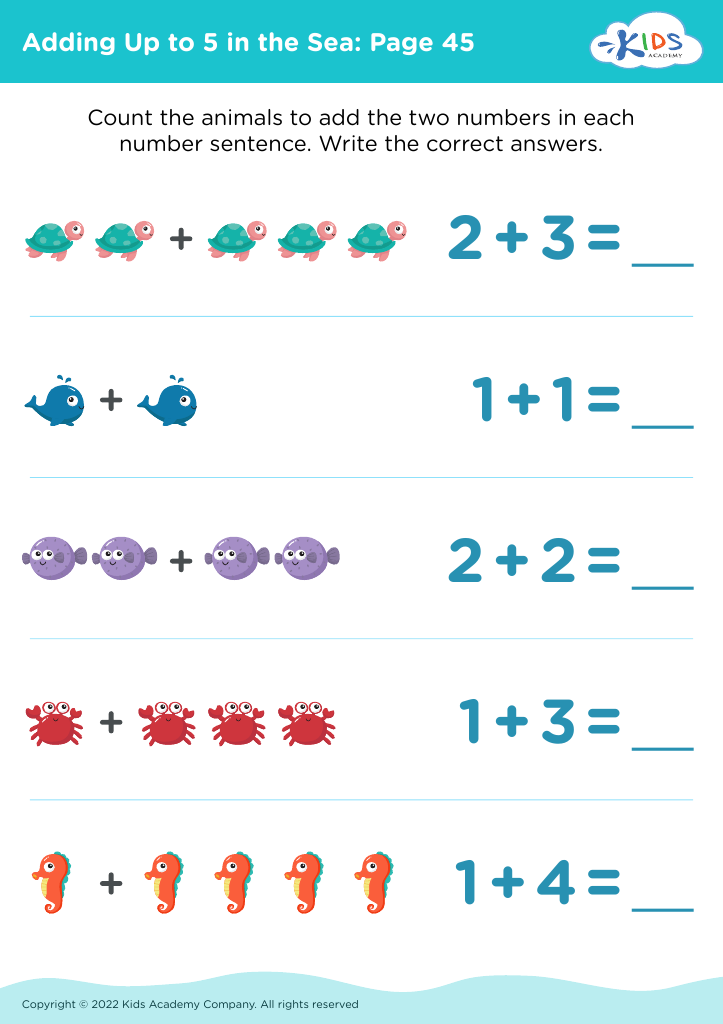
Adding Up to 5 in the Sea: Page 45
Worksheet
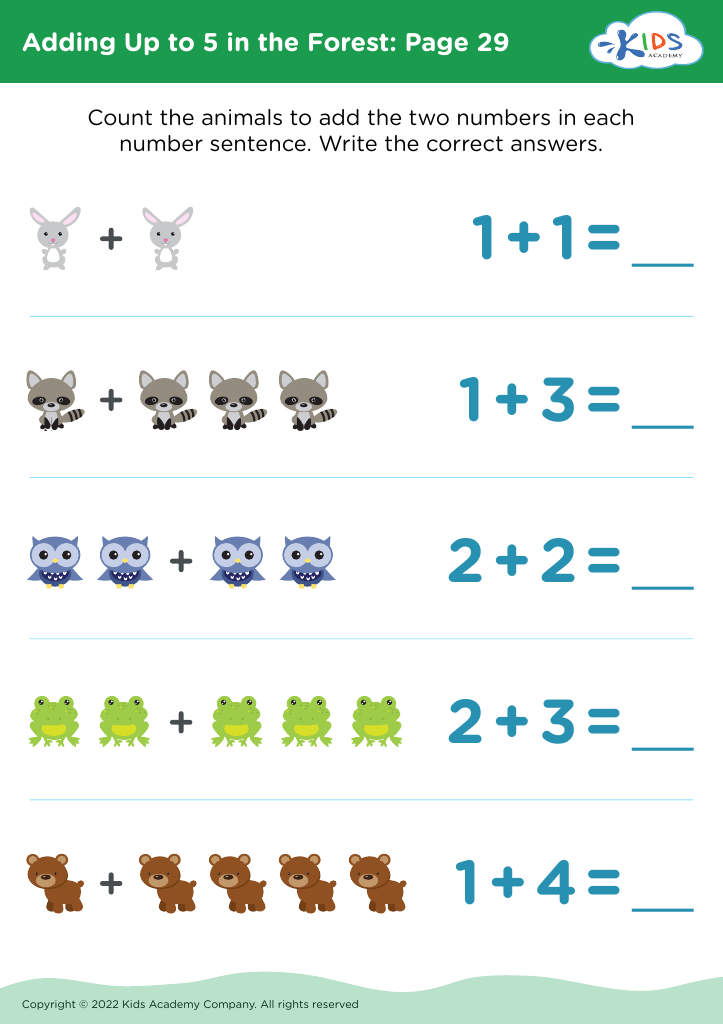
Adding Up to 5 in the Forest: Page 29
Worksheet
Line plot worksheet for 2nd grade

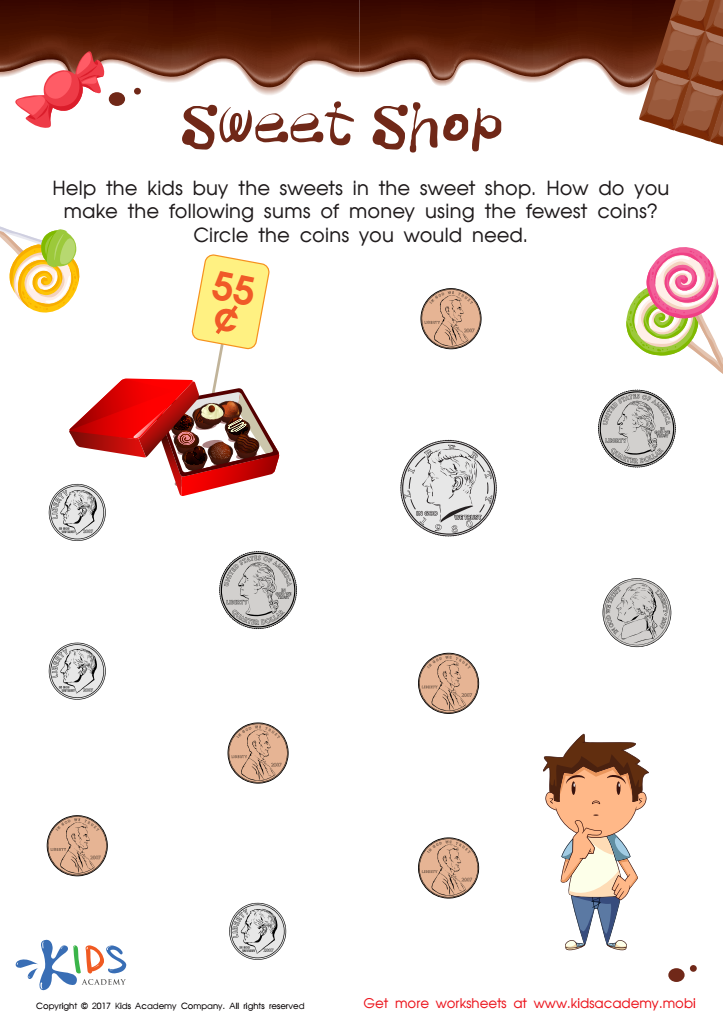
Sweet Shop – Counting Coins Worksheet

Help your child get ready to buy sweet treats with this coin counting worksheet. It'll challenge them to use the fewest coins possible. With knowledge of coin values, they'll work out the right combination to get the sweets!
Sweet Shop – Counting Coins Worksheet
Worksheet
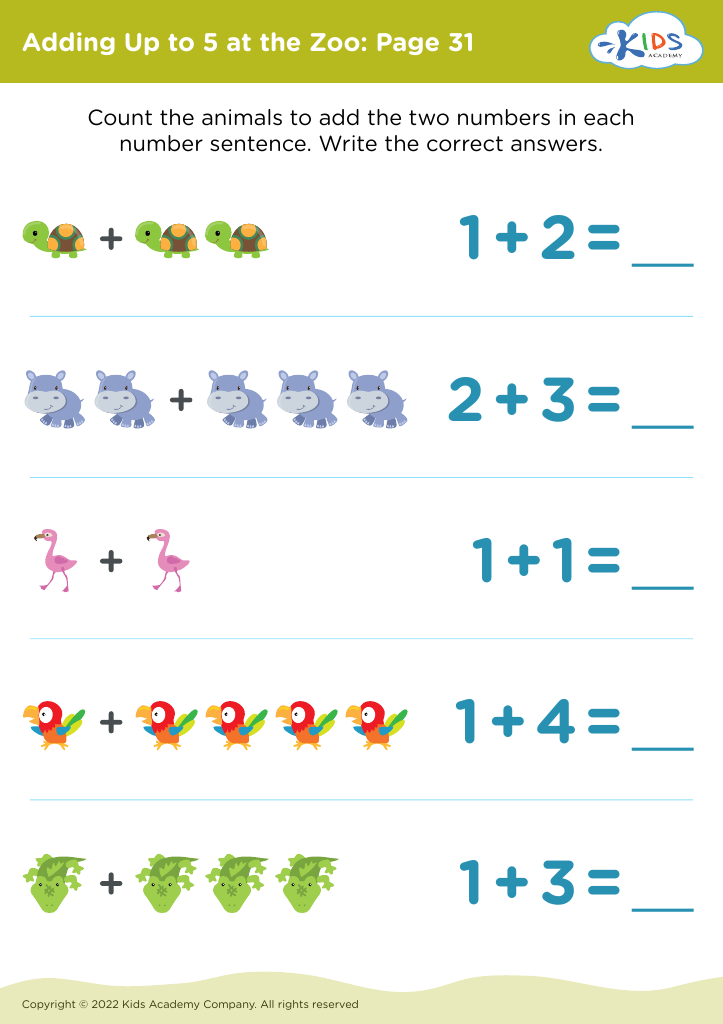
Adding Up to 5 at the Zoo: Page 31
Worksheet
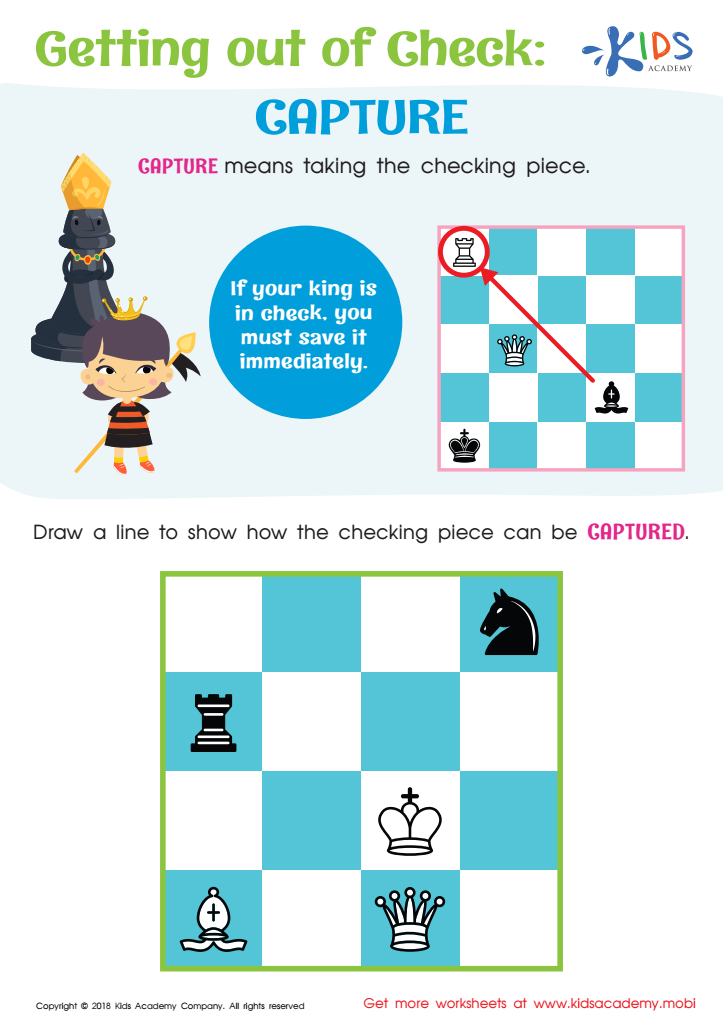
Getting out of Check: Capture

Getting out of Check: Capture

Kids love chess because it combines strategy and the thrill of outwitting their opponents! This free chess strategy worksheet teaches kids how to protect and capture the threatening piece when their king is in danger. The downloadable includes sample boards to practice with. Get it today and have your chess whiz mastering the game in no time!
Getting out of Check: Capture
Worksheet
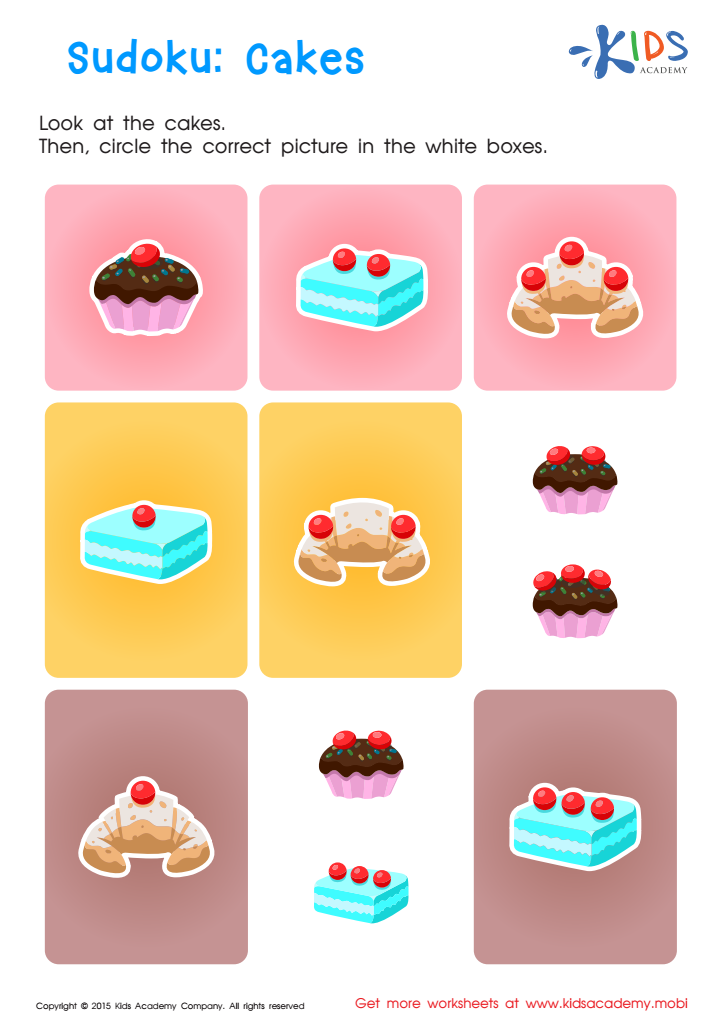
Sudoku worksheet pdf

Sudoku Worksheet

Playing sudoku helps kids develop pattern and logic recognition, key skills for problem solving. Get your free printable PDF worksheet and begin the fun! Kids can have fun and build problem-solving skills with this exciting sudoku PDF worksheet! Adults love solving sudoku puzzles, so get your free printable PDF and start your child early with this vibrant and challenging puzzle. They'll learn to recognize patterns and form logical reasoning, essential for future problem solving. Try it out today!
Sudoku Worksheet
Worksheet
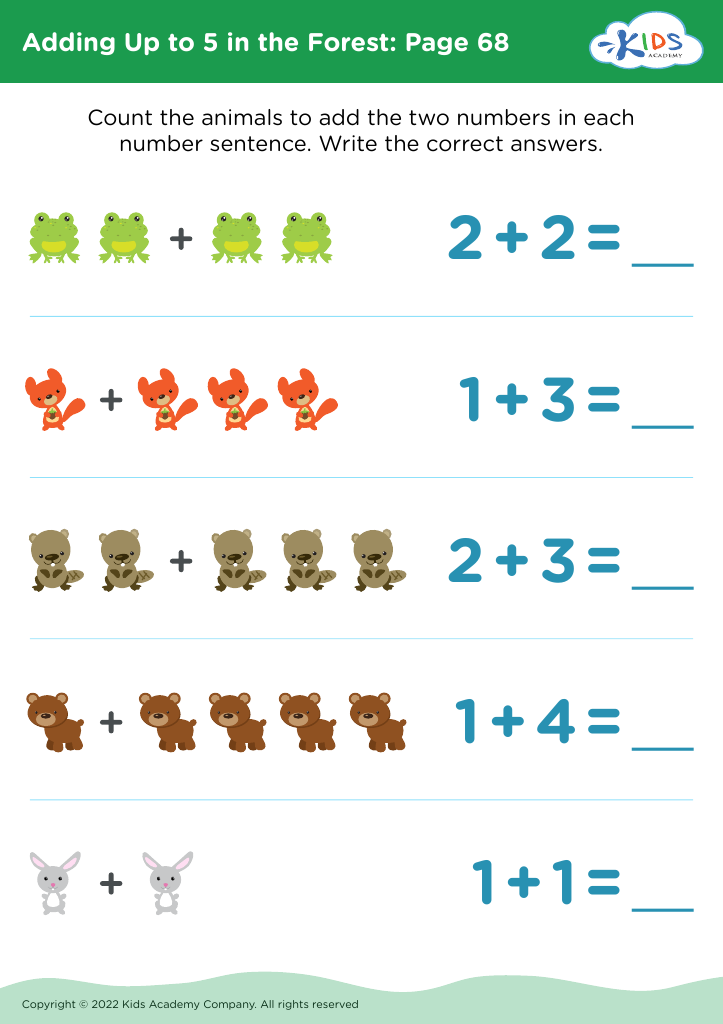
Adding Up to 5 in the Forest: Page 68
Worksheet
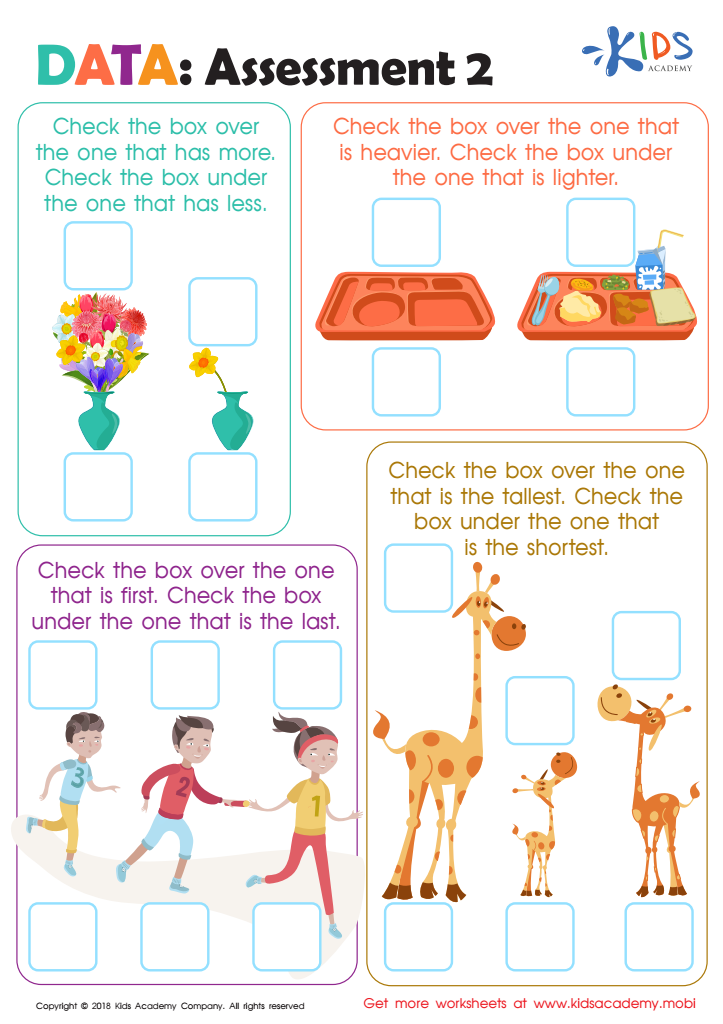
Data: Assessment 2 Worksheet

Data: Assessment 2 Worksheet

This printable worksheet tests students' understanding of words related to quantity and measurement, such as "more", "less", "heavy", "light", "first", "last", "tall", and "short". It helps children compare and contrast when solving measurement problems. Ideal for math classes, it encourages students to gain the essential skills needed in subjects like math, science, and reading.
Data: Assessment 2 Worksheet
Worksheet
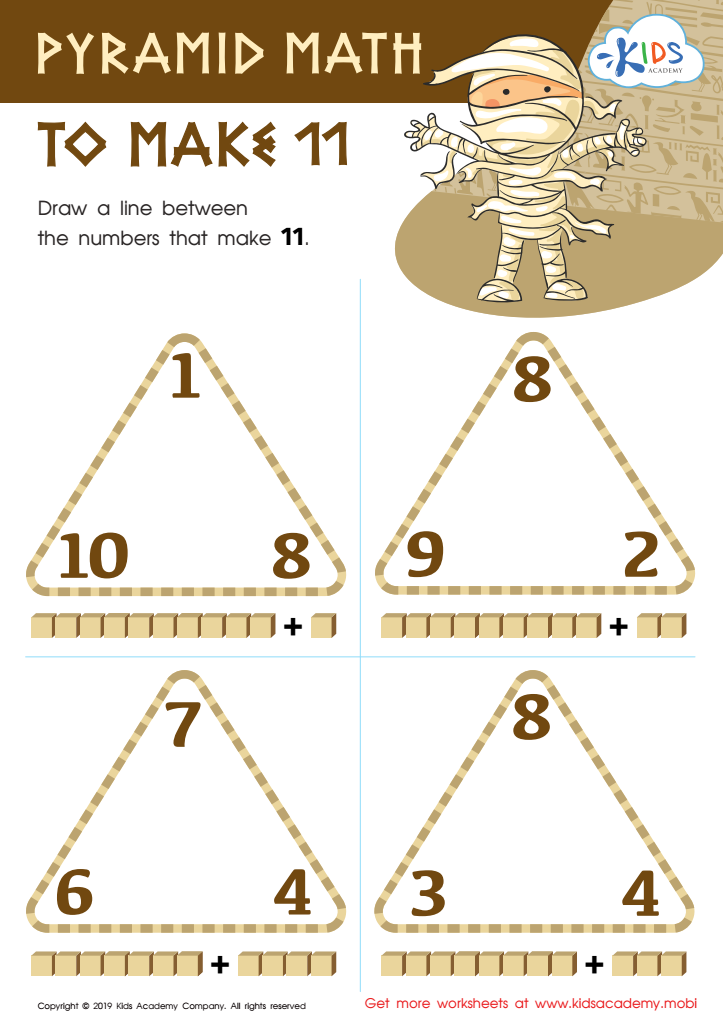
Pyramid Math to Make 11 Worksheet

Pyramid Math to Make 11 Worksheet

Have your kids look at the picture of the Egyptian pyramids and tell you what they see. Then, help them do simple math by adding up the numbers in the pyramids and connecting those that make 11. This worksheet is perfect for teaching your kids about history, mathematics, and problem-solving.
Pyramid Math to Make 11 Worksheet

Worksheet
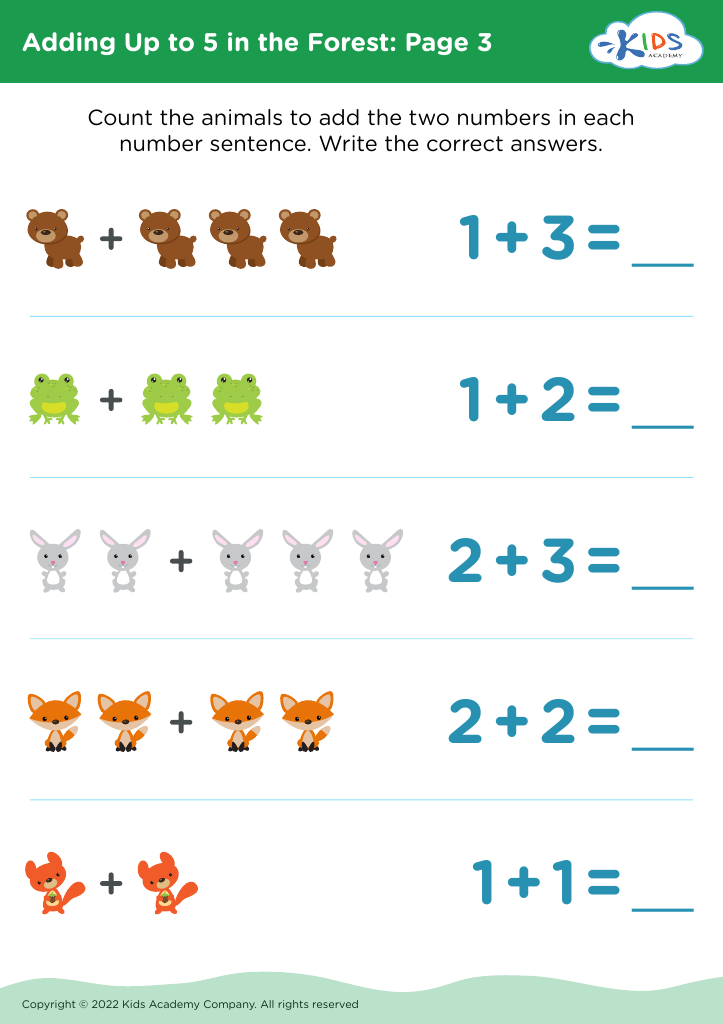
Adding Up to 5 in the Forest: Page 3
Worksheet


Parents and teachers should prioritize developing problem-solving abilities in children aged 4-5 because these skills are foundational to their overall cognitive, emotional, and social development. At this stage, children are naturally curious, exploring the world around them and learning through play. Cultivating problem-solving skills fosters critical thinking and encourages children to ask questions, seek solutions, and think creatively.

Enhancing problem-solving abilities also aids in developing resilience and perseverance. When young children face challenges and learn to navigate them, they build confidence in their abilities and learn that it's okay to make mistakes. This adaptability is essential for future learning and social interactions.

Moreover, problem-solving encourages collaboration and communication. When children work in groups to solve a problem, they learn to listen to others, share ideas, and negotiate outcomes, nurturing their social skills and emotional intelligence.

Finally, focusing on these abilities helps prepare children for academic success. As they progress in their education, strong problem-solving skills will enable them to tackle more complex challenges, ensuring lifelong learning and adaptability in a rapidly changing world. For these reasons, fostering problem-solving skills at a young age lays the groundwork for well-rounded, capable, and resilient individuals.