Problem-solving practice Worksheets for Ages 4-5
8 filtered results
-
From - To
Discover our engaging Problem-solving Practice Worksheets designed specifically for ages 4-5. These interactive worksheets encourage young learners to think critically and develop essential problem-solving skills through fun activities. Each worksheet features colorful illustrations and relatable scenarios that make learning enjoyable. Children will work on identifying patterns, solving simple puzzles, and enhancing their logical thinking abilities. Ideal for both classroom and home use, our worksheets provide a great way to supplement early education and foster a love for learning. Start your child's journey towards becoming a confident problem solver today with our thoughtfully curated collection!
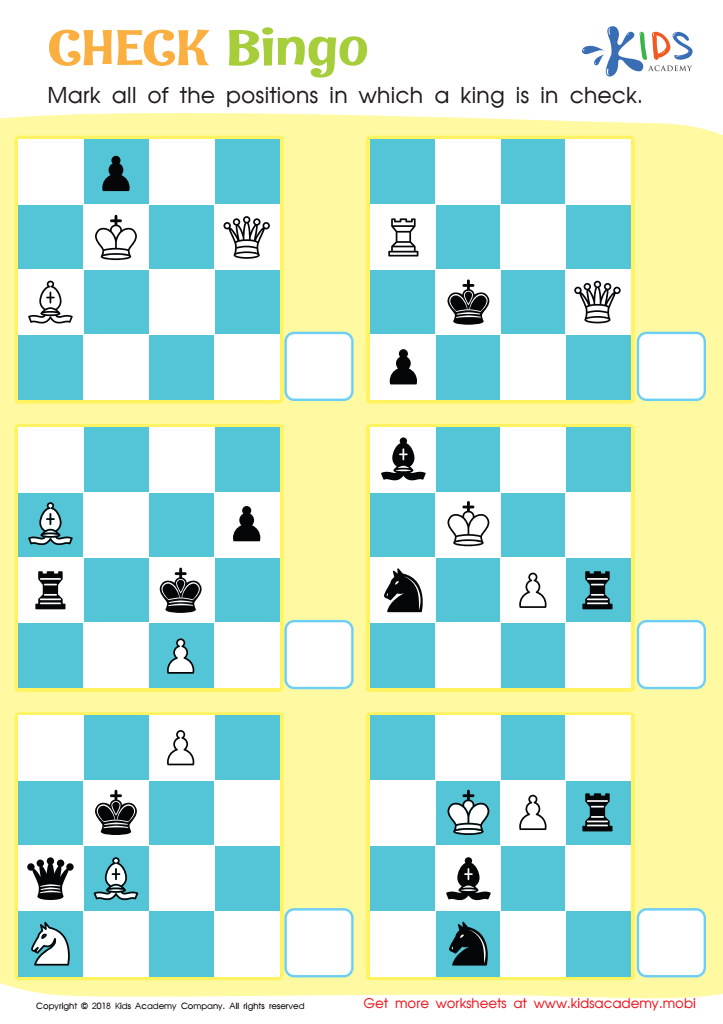
Check Bingo Worksheet
 Assign to My Students
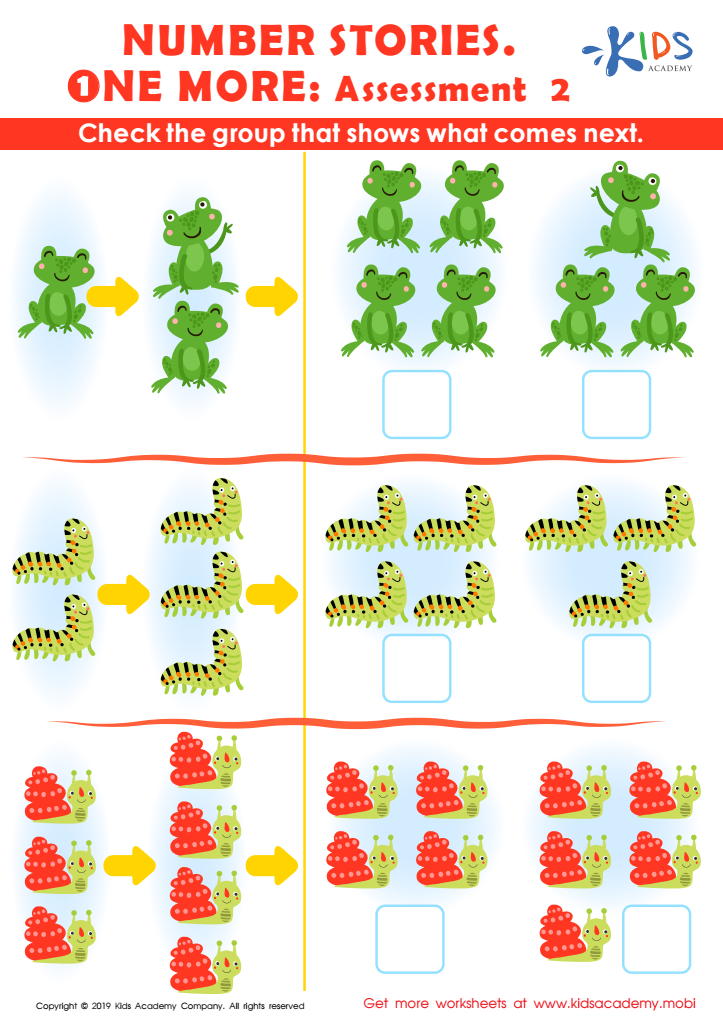
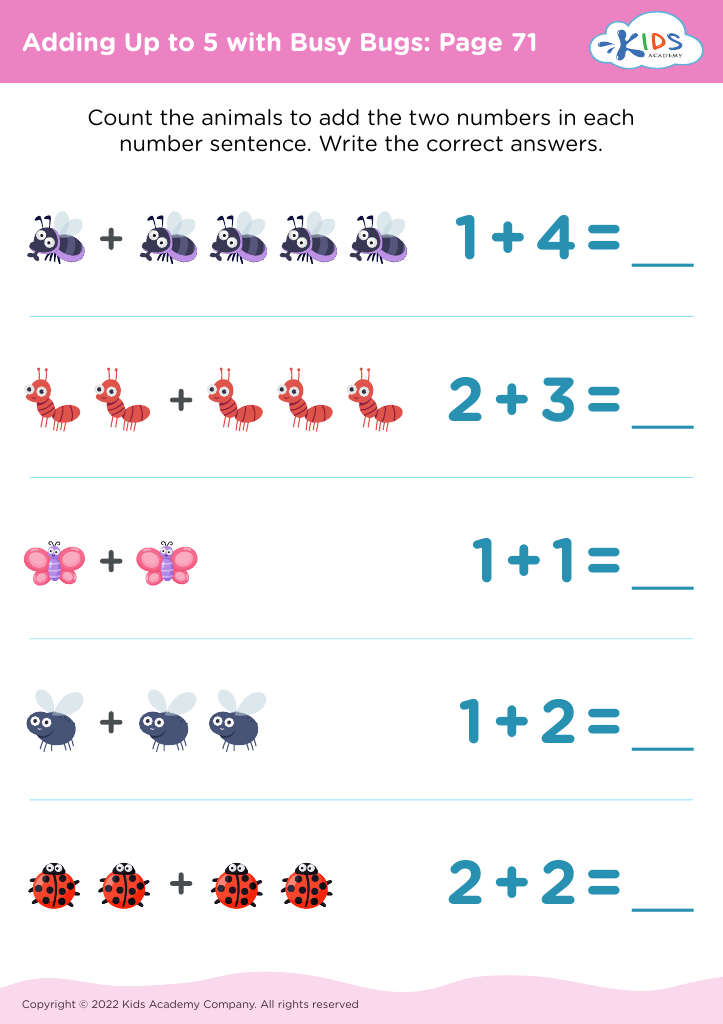
Number Stories One More – Assessment 2 Worksheet
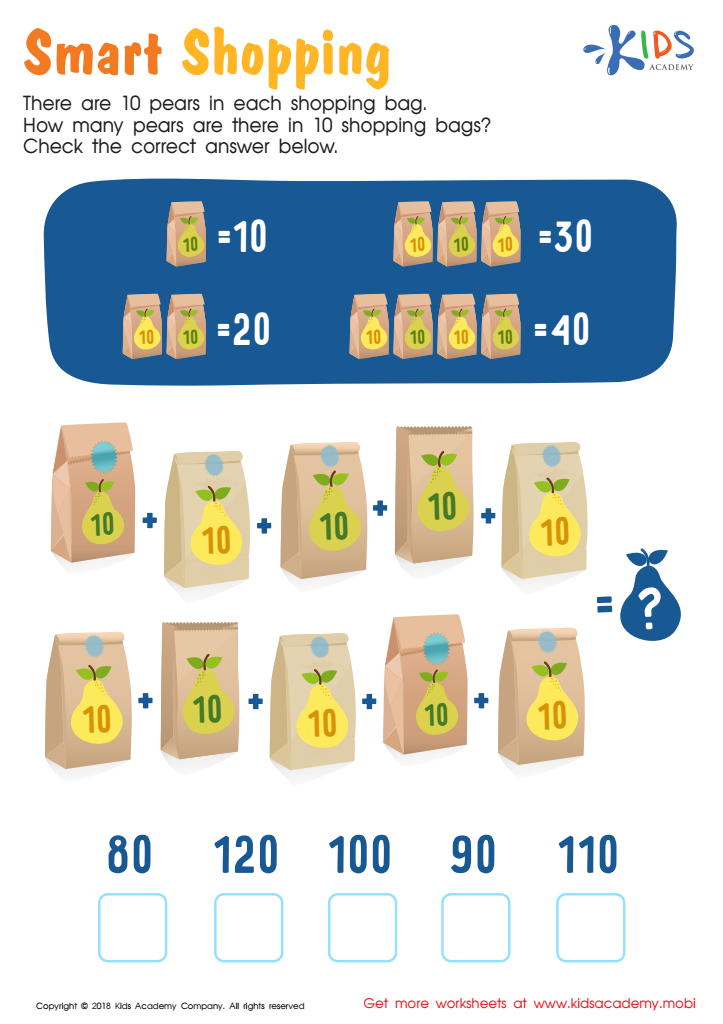
Smart Shopping: Trade Tens for a Hundred Worksheet
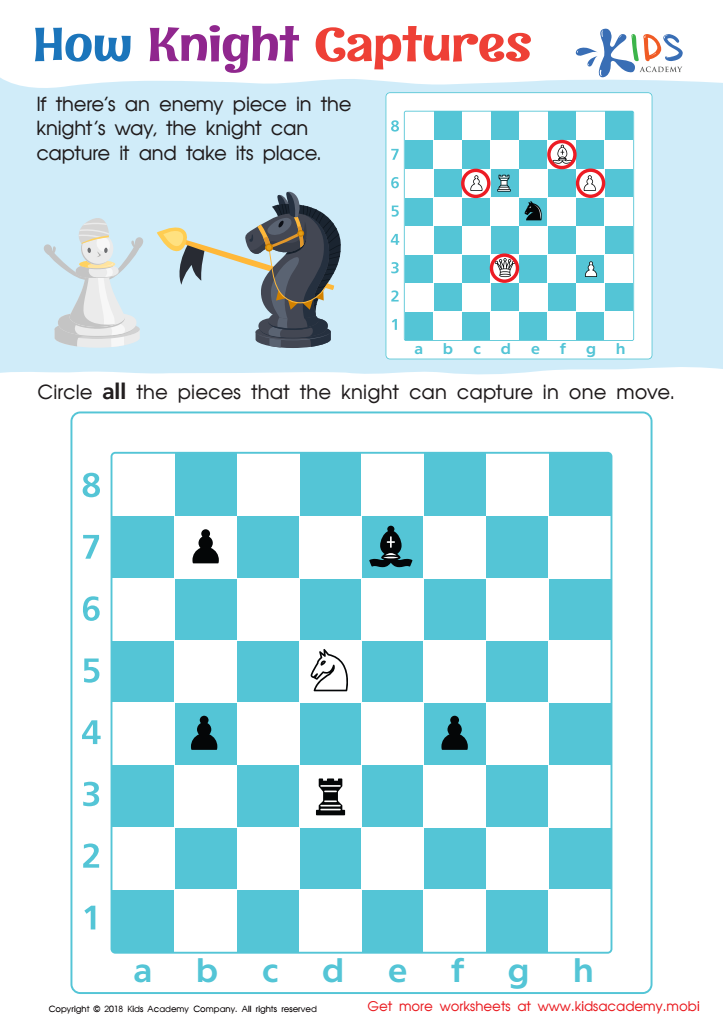
How Knight Captures Worksheet
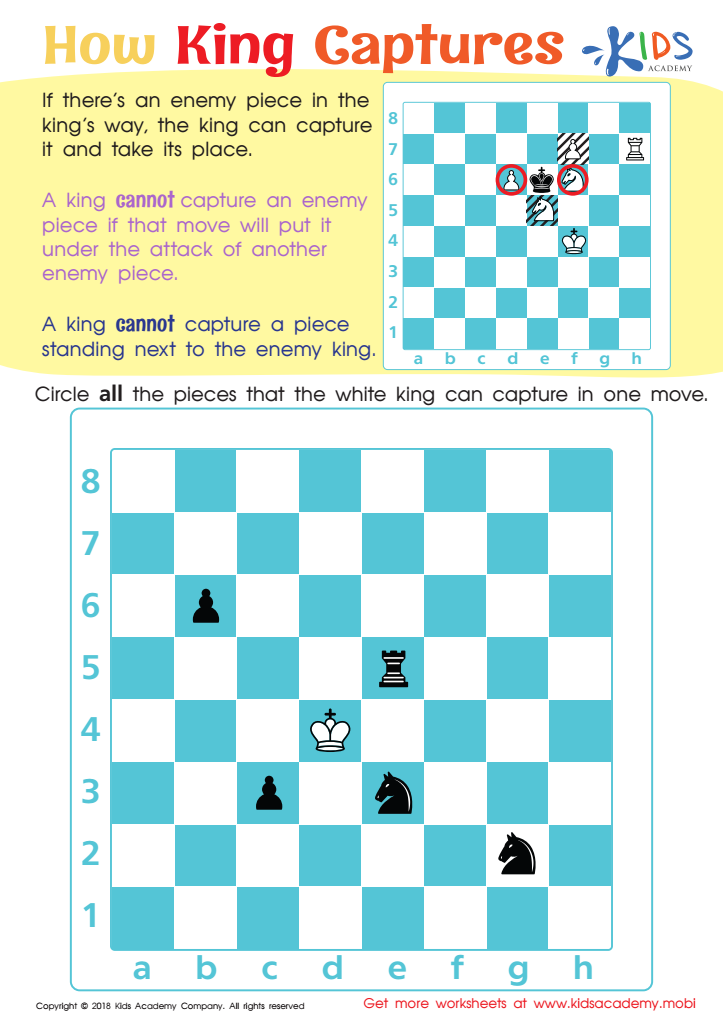
How King Captures Worksheet







Parents and teachers should prioritize problem-solving practice for children aged 4-5 because it lays the foundation for critical thinking and cognitive development. At this age, children are naturally curious and eager to explore their environments. Engaging them in problem-solving activities nurtures this curiosity and encourages them to ask questions, make predictions, and find solutions independently.
Problem-solving helps children develop essential life skills, such as persistence, adaptability, and creativity. As they navigate challenges, they learn to approach problems from different angles, enhancing their ability to think critically and make informed decisions later in life. This skill is not only vital academically but also in their social interactions, as they learn to negotiate, collaborate, and resolve conflicts with peers.
Furthermore, problem-solving activities are often wholesome and enjoyable, fostering a love for learning. Parents and teachers can use everyday situations to create problem-solving scenarios, making the learning process seamless and context-rich. By cultivating these skills early on, we equip children to face future challenges with confidence and resilience, setting them up for success both in school and beyond. Overall, integrating problem-solving practice into daily routines nurtures a well-rounded, capable, and thoughtful individual.








