Recognizing Patterns Worksheets for Ages 4-5
6 filtered results
-
From - To
Discover our engaging "Recognizing Patterns Worksheets for Ages 4-5" designed to spark curiosity and enhance learning! Our worksheets help young learners identify, create, and continue patterns through fun activities and colorful illustrations. Perfect for preschool and kindergarten children, these resources support cognitive development by building essential math skills and problem-solving abilities. With a variety of exercises, kids will enjoy exploring shapes, colors, and sequences. Ideal for parents and teachers looking to supplement early education, our printable worksheets make learning enjoyable and effective. Start nurturing your child's pattern recognition skills today and watch their confidence soar!
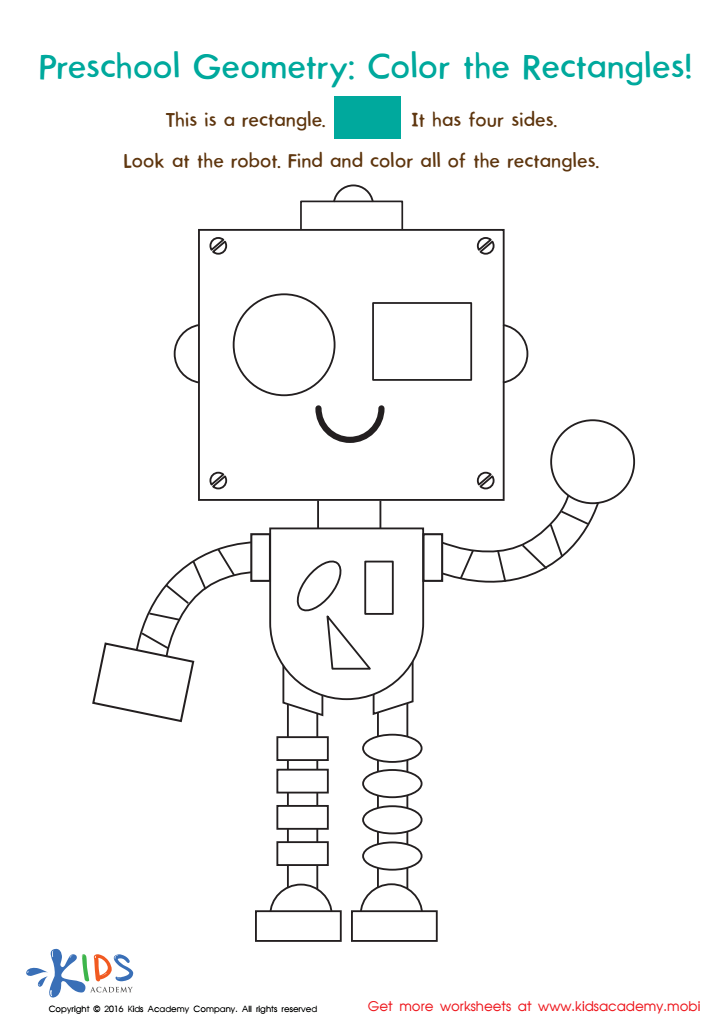
Geometry Worksheet
 Assign to My Students
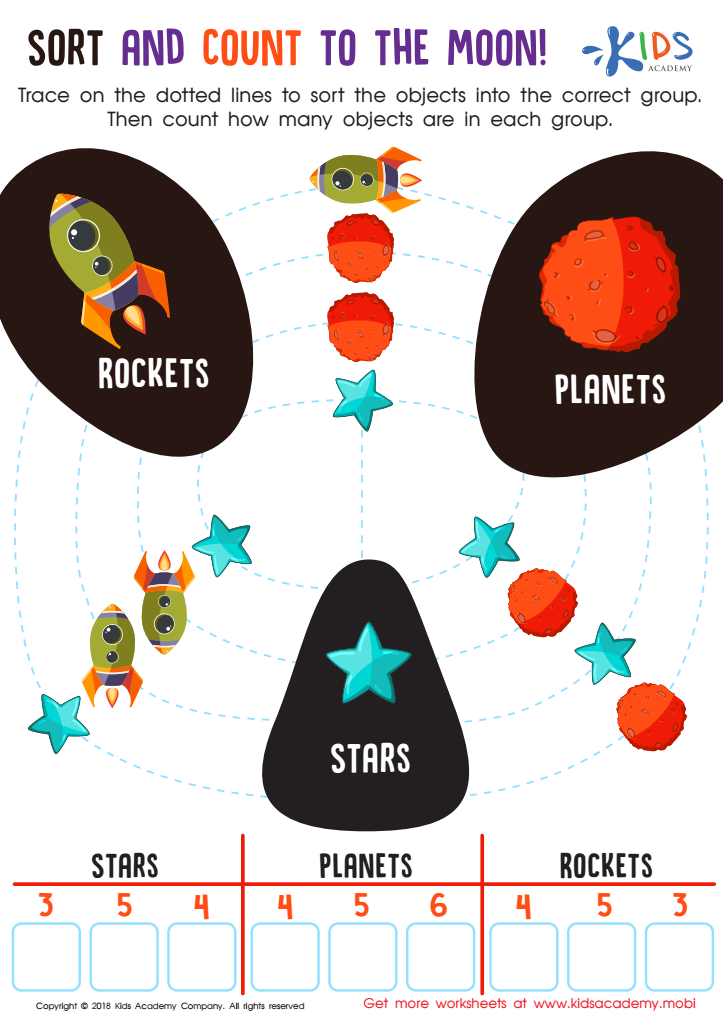
Sort and Count to the Moon Worksheet
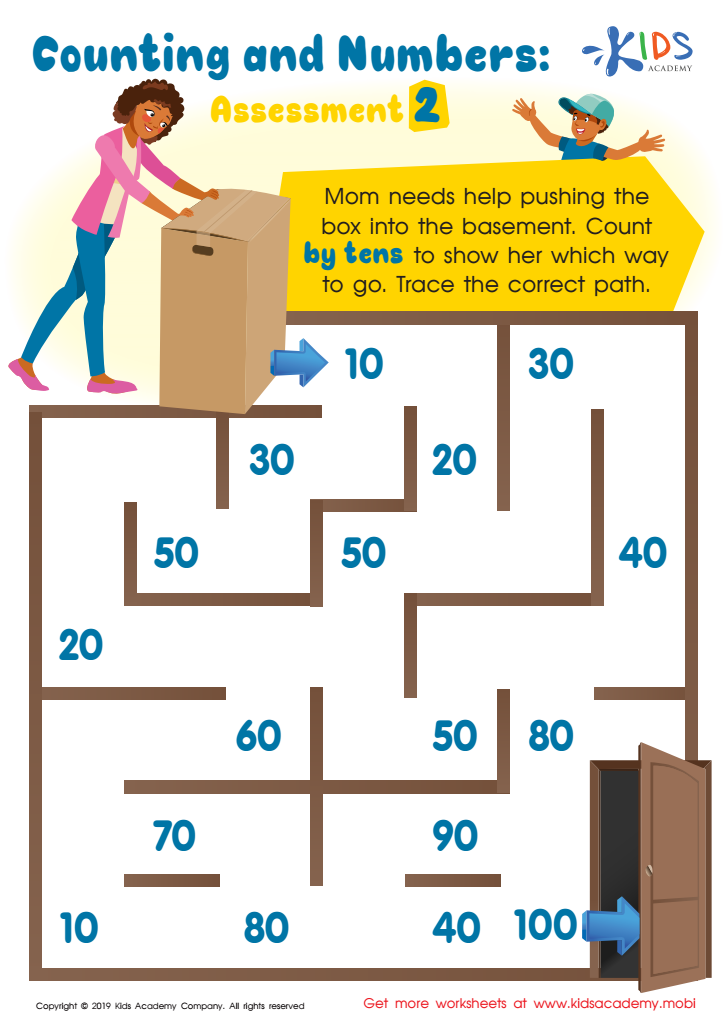
Counting and Numbers: Assessment 2 Worksheet
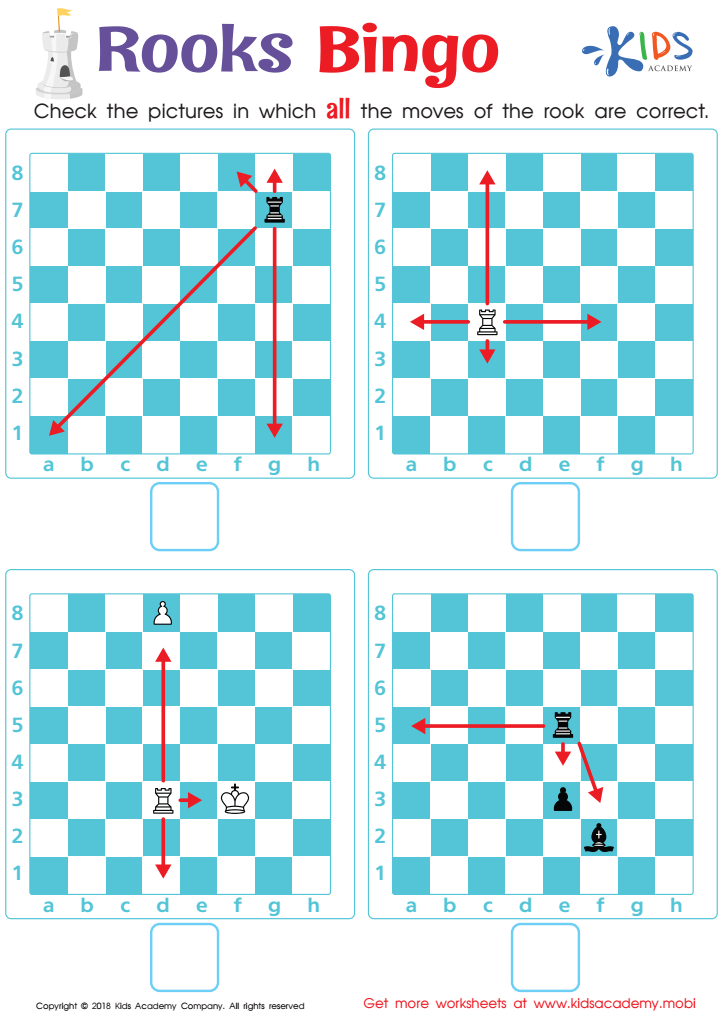
Rooks Bingo Worksheet







Recognizing patterns is a fundamental cognitive skill that significantly influences a child's learning journey, especially for ages 4-5. At this developmental stage, children are naturally curious and keen to make sense of the world around them. Understanding patterns helps them identify similarities and differences, fostering critical thinking and problem-solving abilities.
When parents and teachers emphasize pattern recognition, they provide children with tools to observe and predict outcomes, laying the groundwork for mathematical concepts, such as sequencing and addition. Patterns are everywhere—in nature, art, music, and daily routines—and recognizing them can enhance children's observational skills and creativity.
Moreover, engaging with patterns can bolster a child's language development and comprehension. When children articulate what they see in a pattern, it enriches their vocabulary and encourages communication skills.
In encouraging pattern recognition, parents and educators also nurture a love for learning, making it enjoyable through games, songs, and hands-on activities. This collaborative focus not only supports academic growth but also enhances parent-child or teacher-student bonds, fostering social and emotional development. In short, recognizing patterns equips children with essential life skills that ultimately pave the way for future academic successes.








