Understanding numeracy Worksheets for Ages 4-5
4 filtered results
-
From - To
Unlock your child's potential with our "Understanding Numeracy Worksheets for Ages 4-5." Designed to make learning engaging and fun, these printable worksheets help young learners grasp essential math concepts through colorful, interactive activities. Your child will explore numbers, counting, and basic arithmetic while developing crucial problem-solving skills. Tailored for preschoolers, each worksheet fosters a solid foundation in numeracy, paving the way for future mathematical success. Parents and educators can easily integrate these resources into daily learning routines, ensuring that children build confidence in their math abilities. Start your numeracy journey today and watch your little one's skills soar!
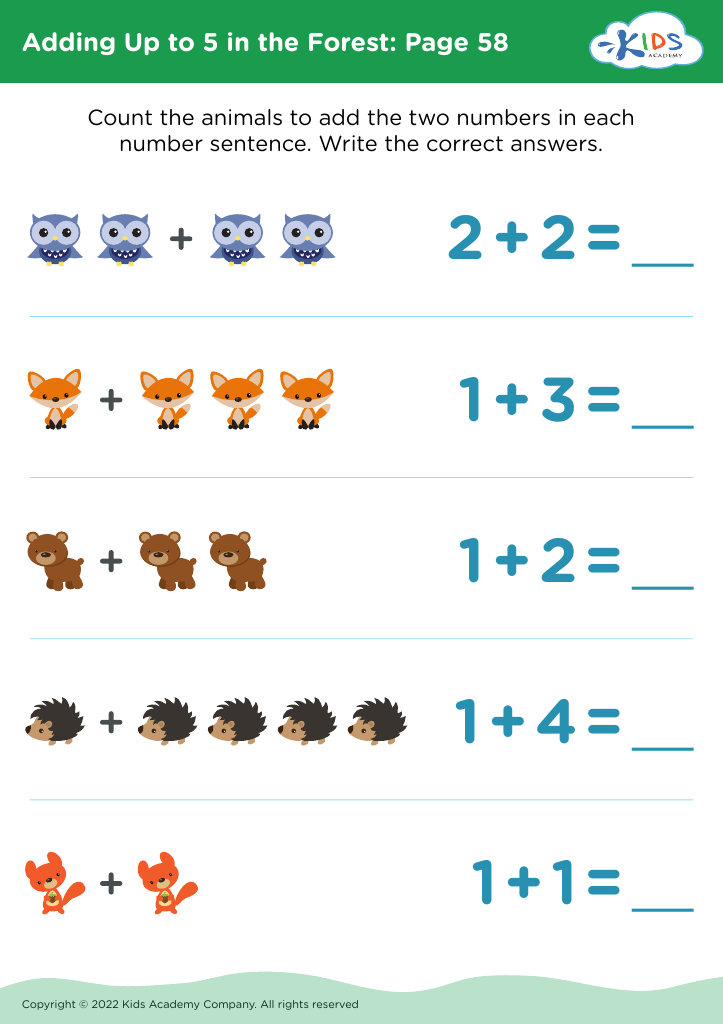
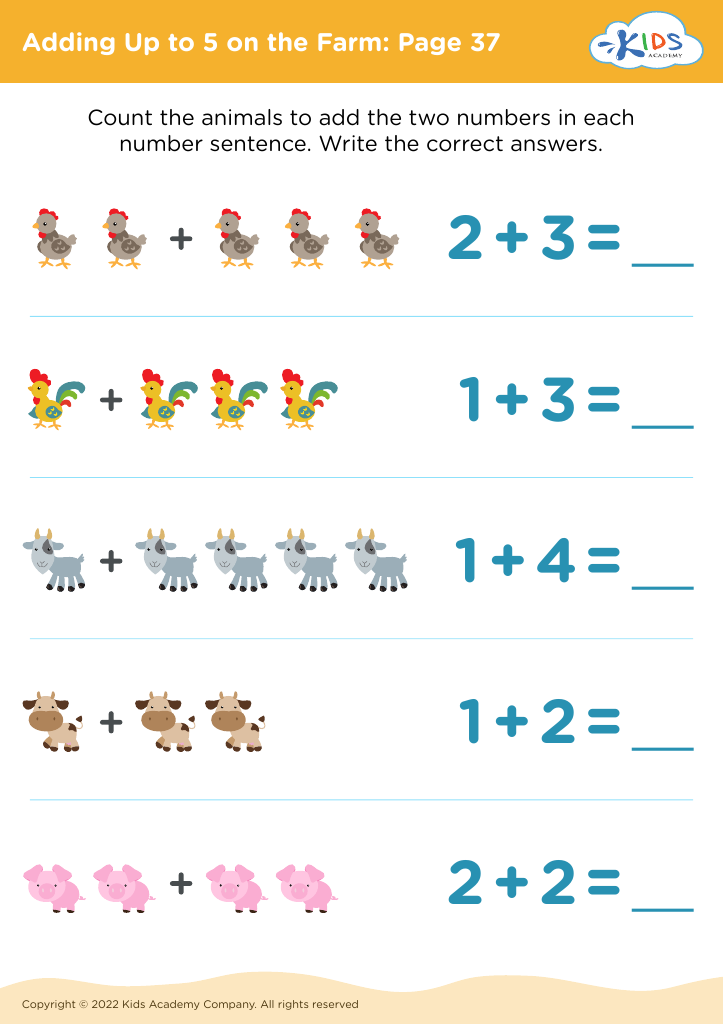
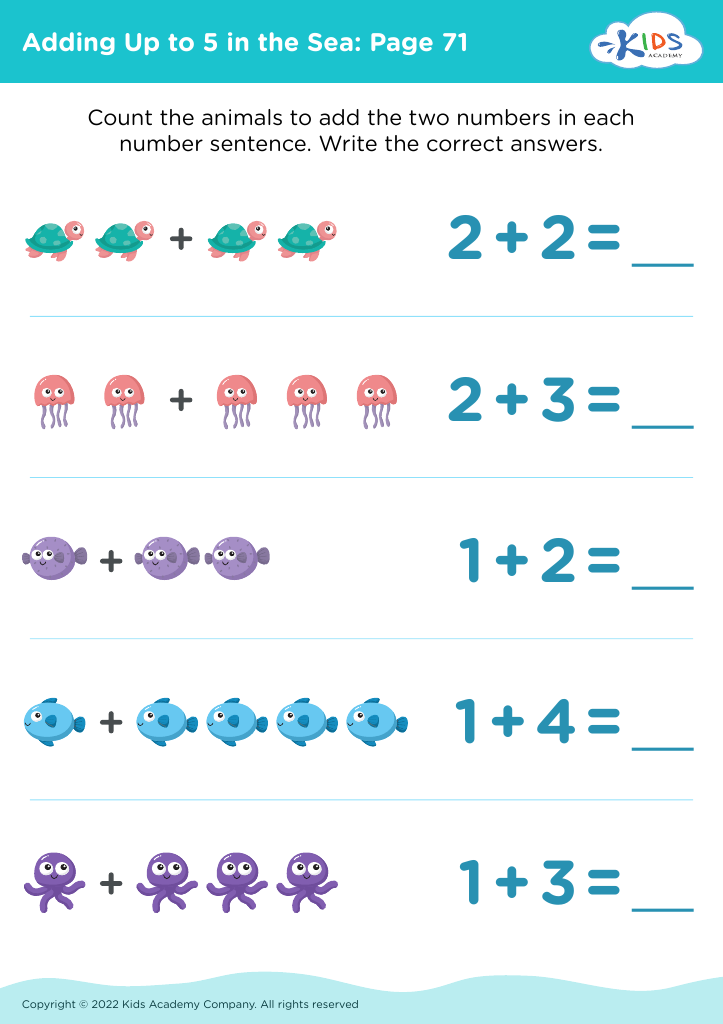
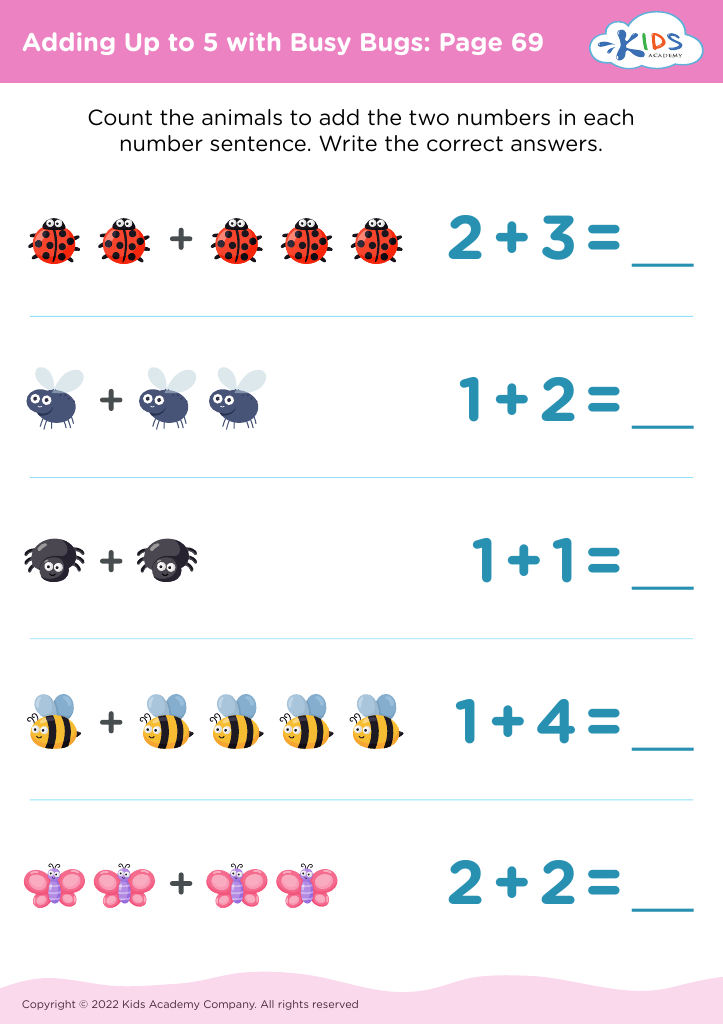








Understanding numeracy for children aged 4-5 is crucial for their cognitive development and future academic success. At this formative stage, children begin to grasp foundational concepts such as counting, number recognition, and basic mathematical operations. These early numeracy skills lay the groundwork for more complex mathematical understanding in later years.
Parents and teachers should care because early exposure to numeracy fosters a sense of curiosity and confidence in children. Engaging them through playful activities, such as counting objects, sorting shapes, and simple games, not only makes learning enjoyable but also enhances critical thinking and problem-solving skills. Furthermore, numeracy is intertwined with everyday life; understanding numbers helps children grasp concepts like time, money, and measurement, which are essential for daily functioning.
Additionally, numeracy skills contribute to social skills, as group activities around numbers encourage communication and teamwork. Observing children’s progress in numeracy can also provide insights into their overall cognitive development and learning style, allowing for tailored teaching approaches. Ultimately, prioritizing numeracy now cultivates a strong foundation that can lead to academic achievement and a lifelong appreciation for mathematics, making it an investment in every child's future.








