Visual interpretation Worksheets for Ages 4-5
7 filtered results
-
From - To
Discover engaging Visual Interpretation Worksheets tailored for children ages 4-5! Our thoughtfully designed activities help young learners develop essential skills in recognizing, analyzing, and interpreting visual information. These worksheets encourage creativity and cognitive growth through fun exercises, such as identifying patterns, matching images, and understanding relationships between objects. Perfect for both home and classroom settings, these resources foster critical thinking and comprehension while making learning enjoyable. With vibrant illustrations and age-appropriate content, our Visual Interpretation Worksheets provide a solid foundation for early learning. Explore this enriching collection today and support your child’s educational journey while building confidence in their visual perception abilities!
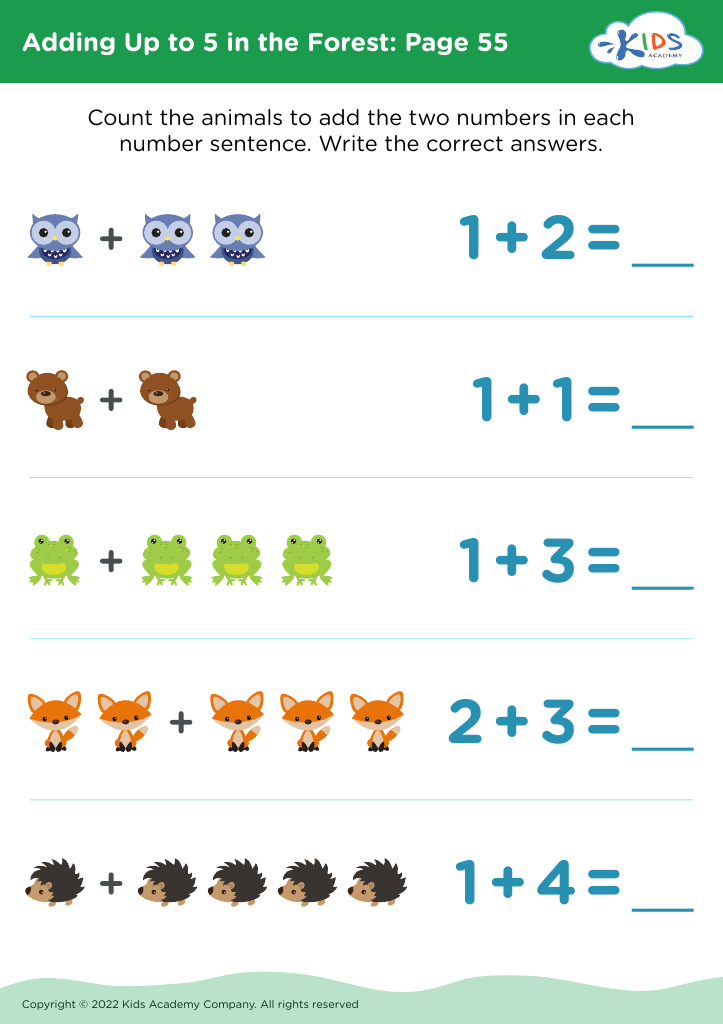
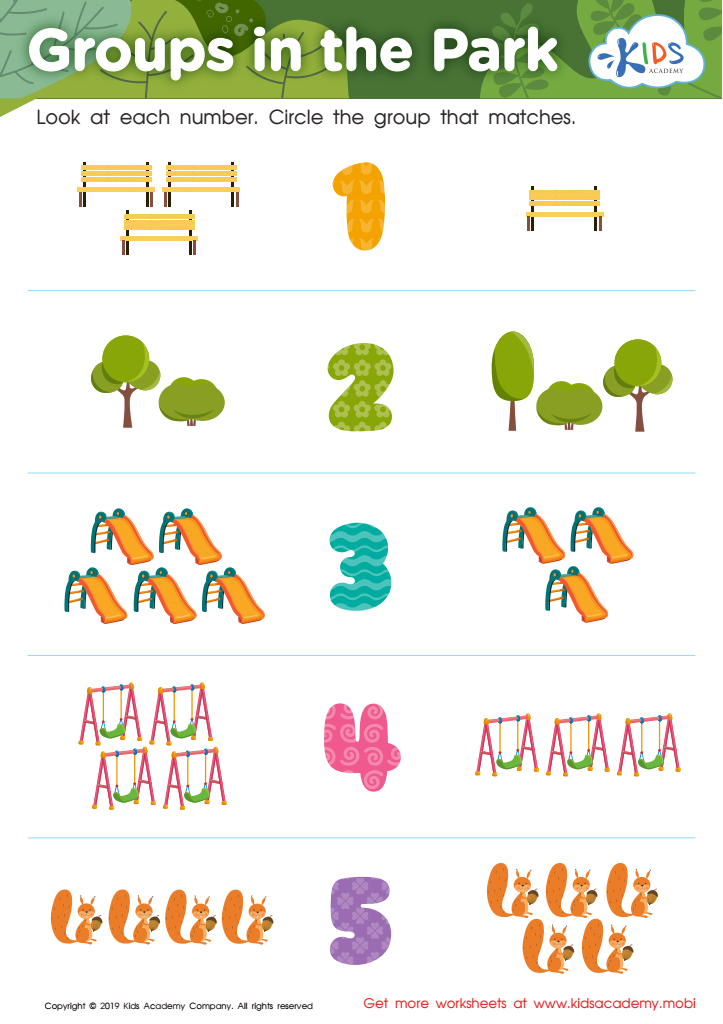
Groups in the Park Worksheet
 Assign to My Students
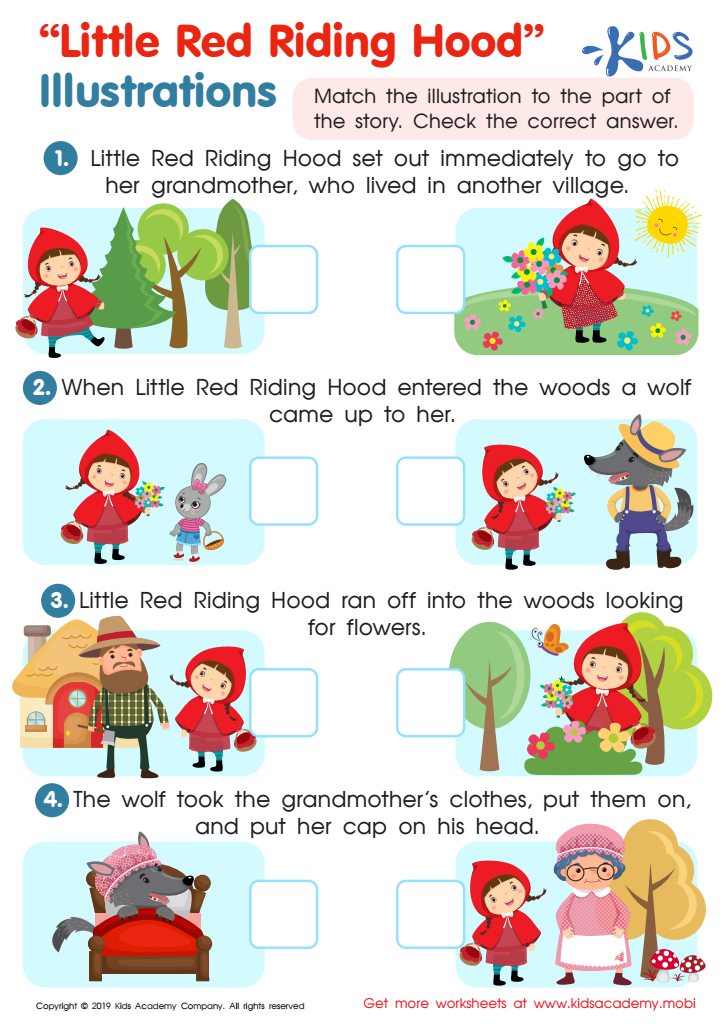
Little Red Riding Hood: Illustrations Worksheet
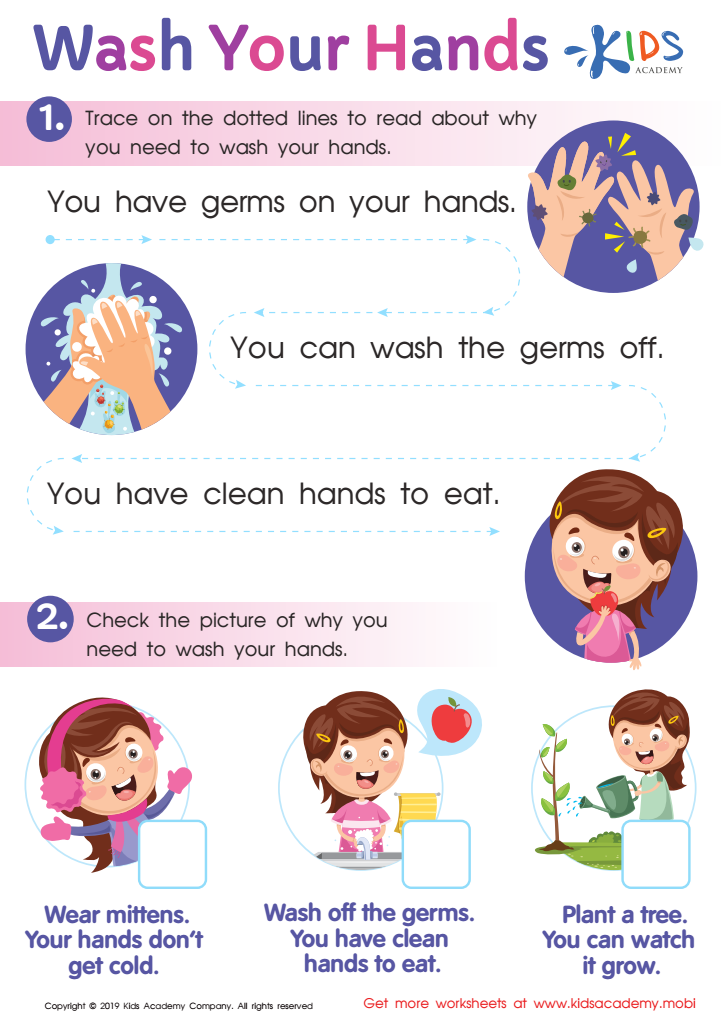
Wash Your Hands Worksheet
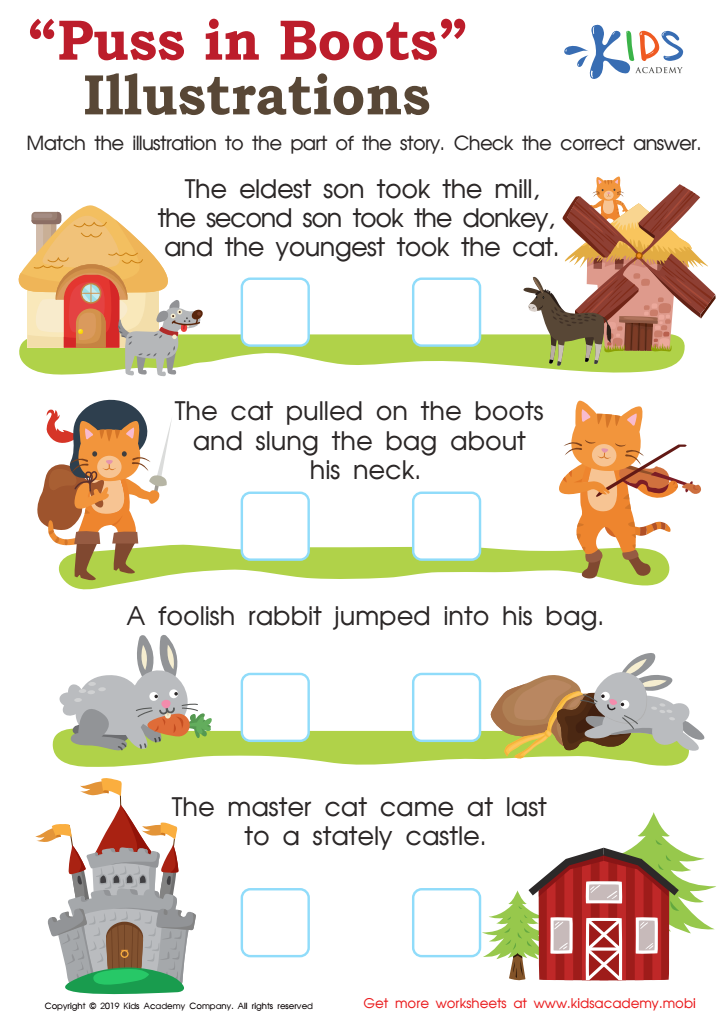
Puss in Boots Illustrations Worksheet
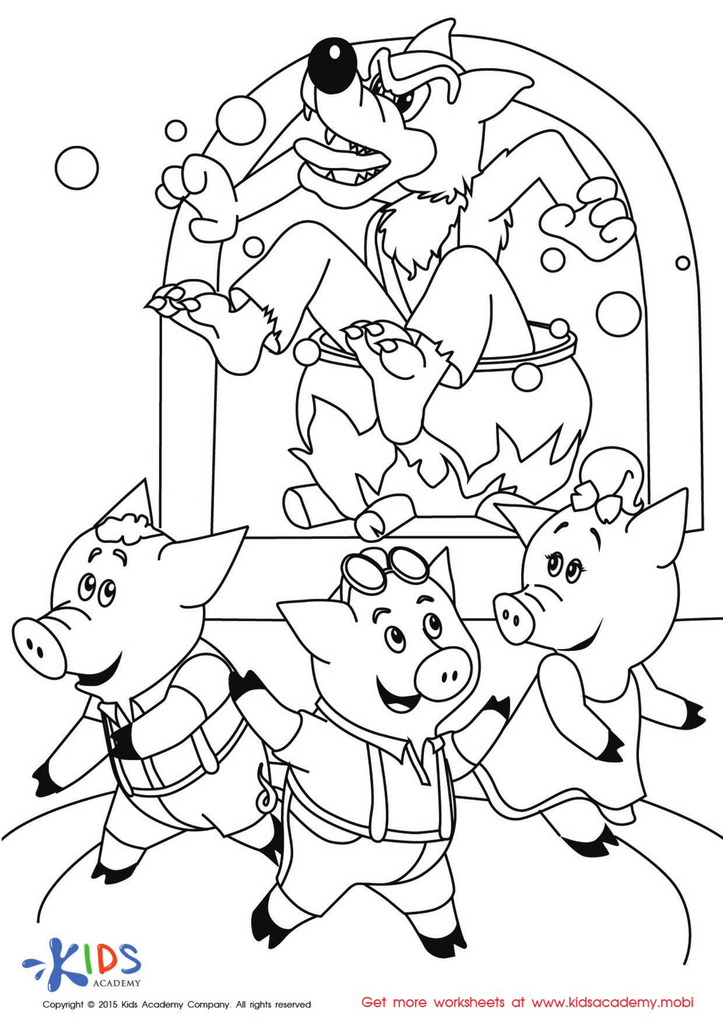
The Three Little Pigs and The Big Bad Wolf Printable








Visual interpretation is a crucial skill for children aged 4-5, encompassing the ability to understand and derive meaning from visual information. Parents and teachers should care about this skill because it plays a foundational role in a child's overall development and learning.
At this age, children are highly receptive to visual stimuli. Developing visual interpretation skills enhances their ability to recognize shapes, colors, and patterns, which lays the groundwork for future learning in areas such as math, reading, and spatial awareness. By engaging with visual materials—be it picture books, diagrams, or digital media—children learn to make connections between images and concepts.
Furthermore, mastering visual interpretation can boost a child's confidence. When they can decipher what they see, they become more independent learners, capable of exploring concepts beyond the surface. Engaging in activities that promote this skill, like drawing, sorting, or storytelling based on images, fosters curiosity and creativity.
In sum, parents and teachers play a pivotal role in nurturing visual interpretation. By prioritizing this aspect of learning, they contribute significantly to a child's cognitive, emotional, and social growth, equipping them with essential skills for everyday life and academic success.








