Visual perception development Worksheets for Ages 4-5
3 filtered results
-
From - To
Discover a world of fun and learning with our "Visual Perception Development Worksheets for Ages 4-5." Specifically designed for young learners, these engaging printable worksheets help enhance budding minds' visual discrimination, spatial awareness, and pattern recognition skills. Perfect for preschool and kindergarten kids, our educational activities involve puzzles, matching games, and tracing exercises that captivate and educate simultaneously. Ideal for use both in classrooms and at home, our worksheets promote cognitive growth while making learning an enjoyable experience. Join Kids Academy to aid your child's visual perception development and prepare them for many more learning successes.
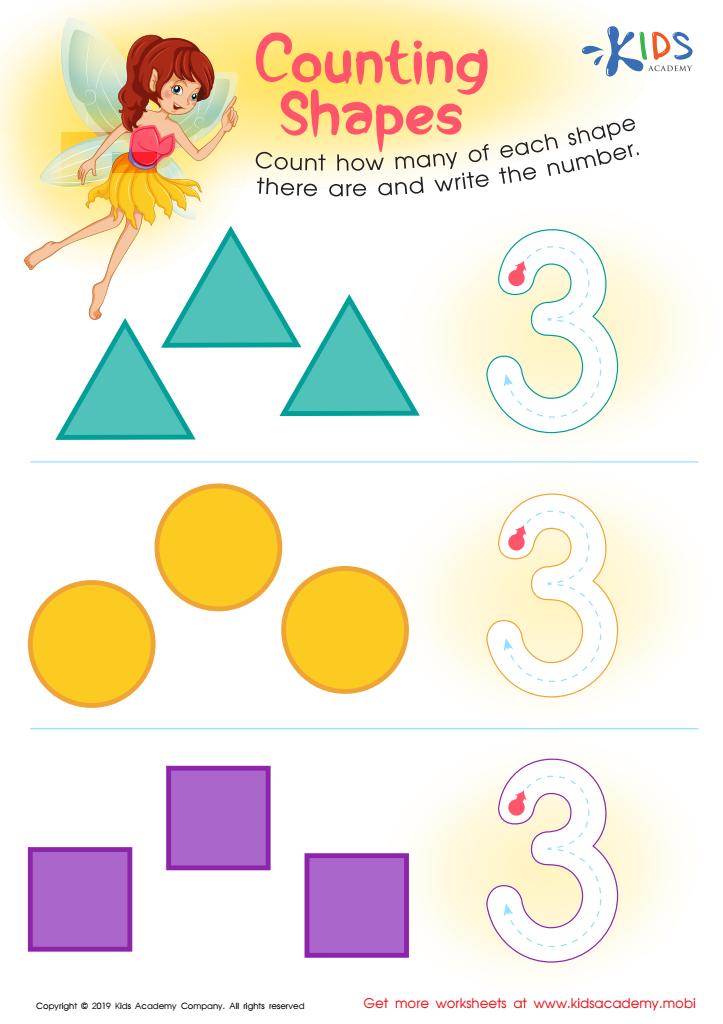
Counting Shapes Worksheet
 Assign to My Students
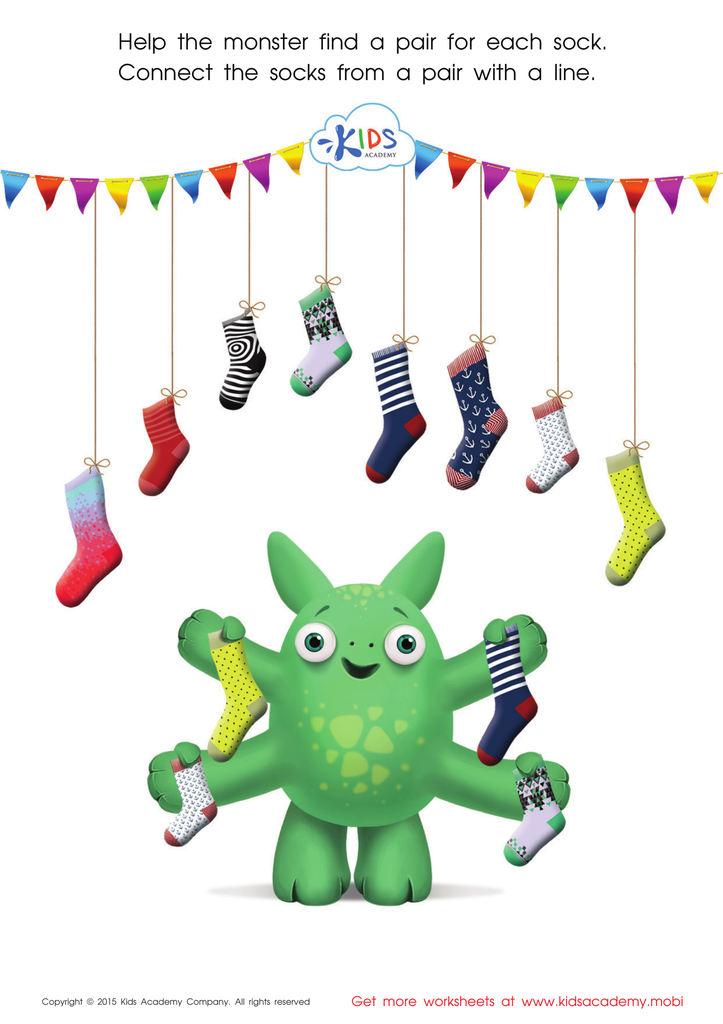
Math Matching Pairs Game: Monsterв's Socks Worksheet
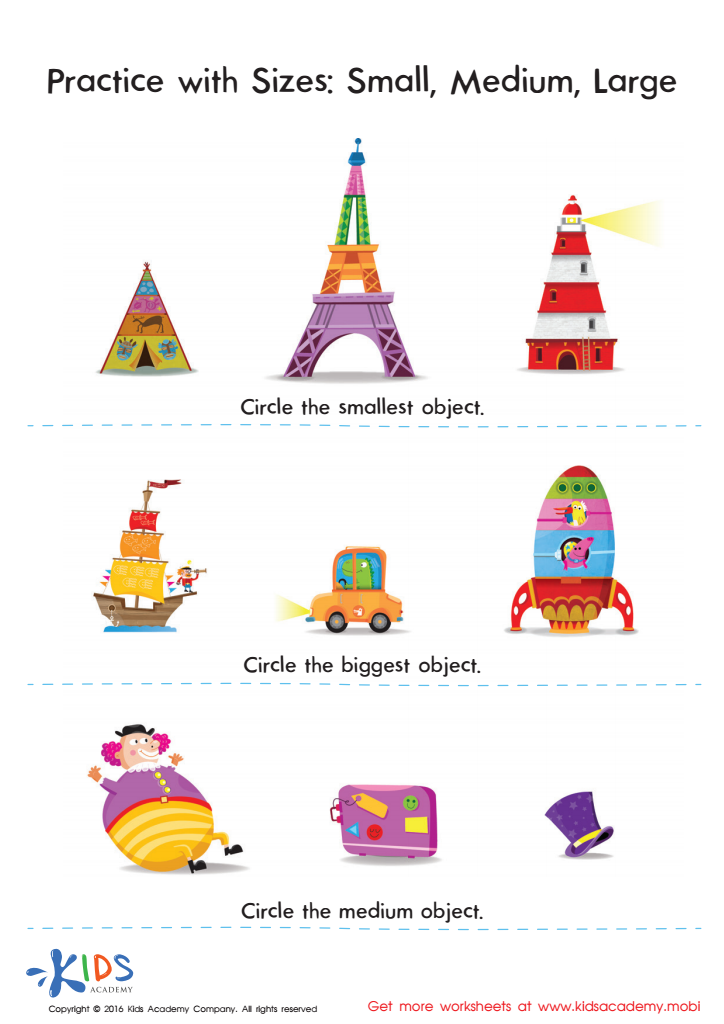







Visual perception development is crucial for children aged 4-5 because it plays a key role in their overall cognitive and motor development. At this age, children are refining their ability to recognize shapes, patterns, and colors—skills that are foundational for reading and writing. When a child can effectively distinguish between different visual inputs, they’re better equipped to understand letters and numbers, as well as their differences and similarities, which directly impacts their literacy and numeracy skills.
Moreover, strong visual perception skills aid in spatial awareness. This means children can better judge distances, understand spatial relationships, and develop fine motor skills necessary for tasks such as cutting with scissors, tying shoelaces, and eventually handwriting. A child with good visual perception development is more likely to succeed in complex physical activities, which also enhances their physical coordination and confidence in sport activities.
From a social perspective, children who develop proper visual perception skills interact more easily with their environment and peers. They can follow visual schedules, understand classroom visual cues, and are less likely to feel frustrated by these daily tasks, contributing to smoother behavioral and social experiences.
Therefore, parents and teachers should focus on nurturing these skills through play-based activities like puzzles, matching games, and drawing exercises to foster a strong foundation for future learning and daily life activities.








