Filters

70 filtered results

Clear all filters
Favorites
With answer key
Interactive

70 filtered results

Difficulty Level

Grade


Check out this FREE Trial Lesson on Adding in the Forest for age 4-5!

H

Favorites
With answer key
Interactive
  • 4-5
  • Number Recognition
  • Adding in the Forest
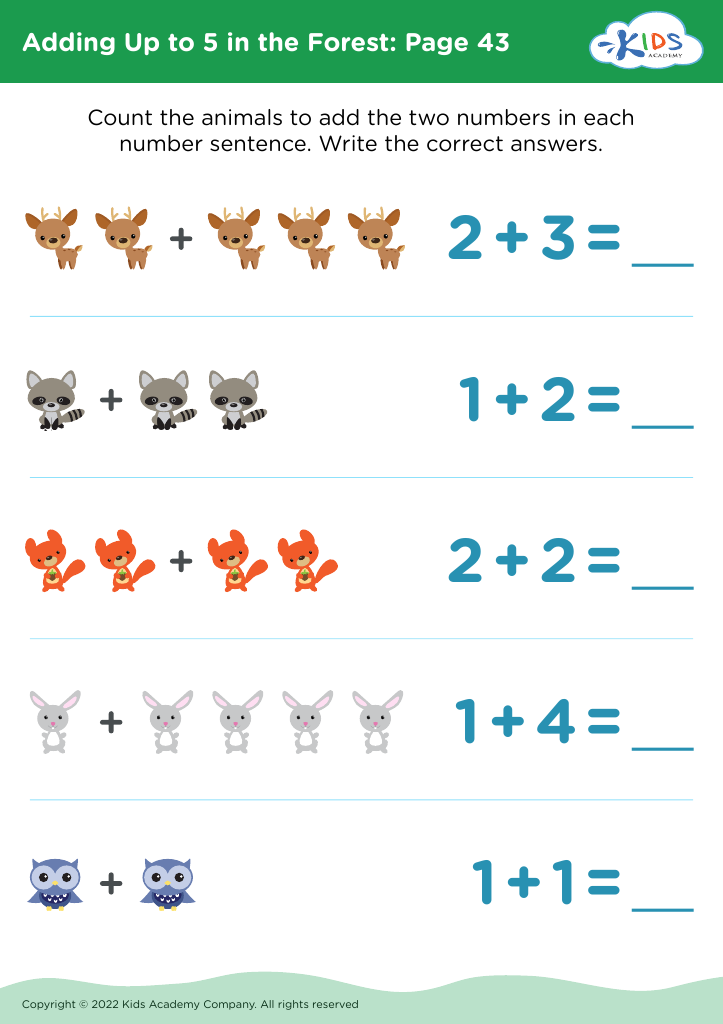
Adding Up to 5 in the Forest: Page 43
Worksheet
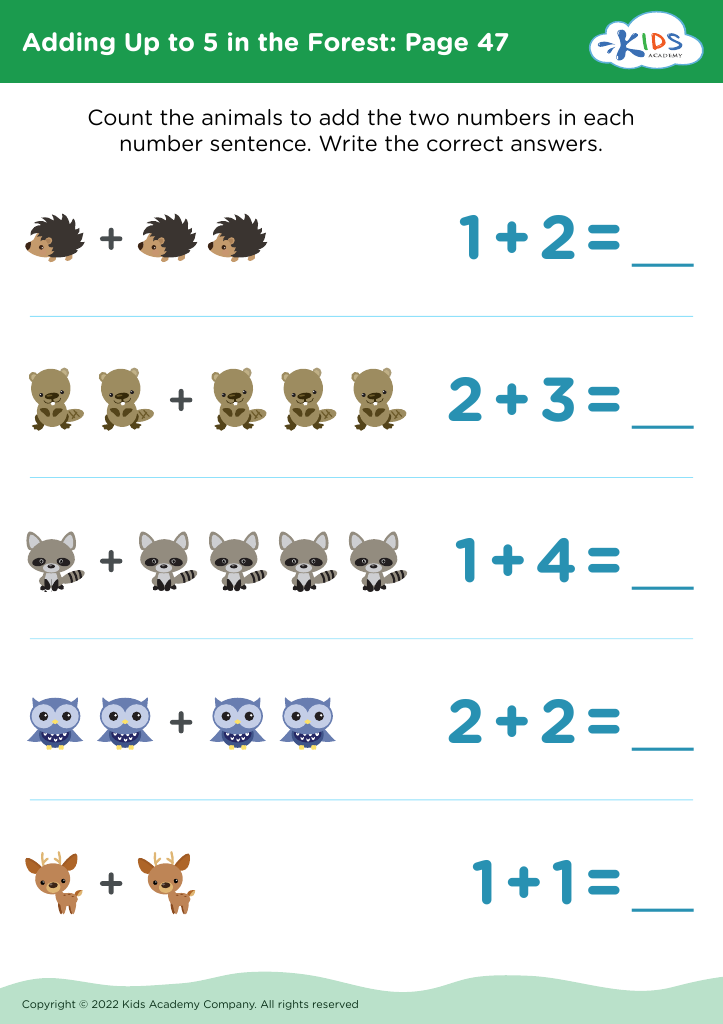
Adding Up to 5 in the Forest: Page 47
Worksheet
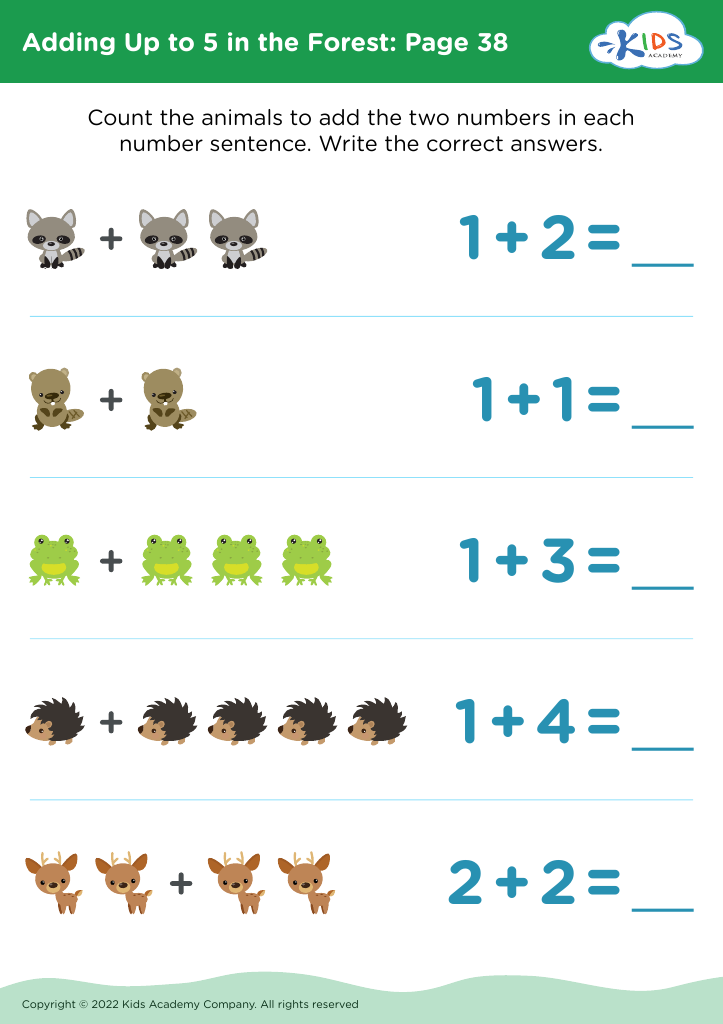
Adding Up to 5 in the Forest: Page 38
Worksheet
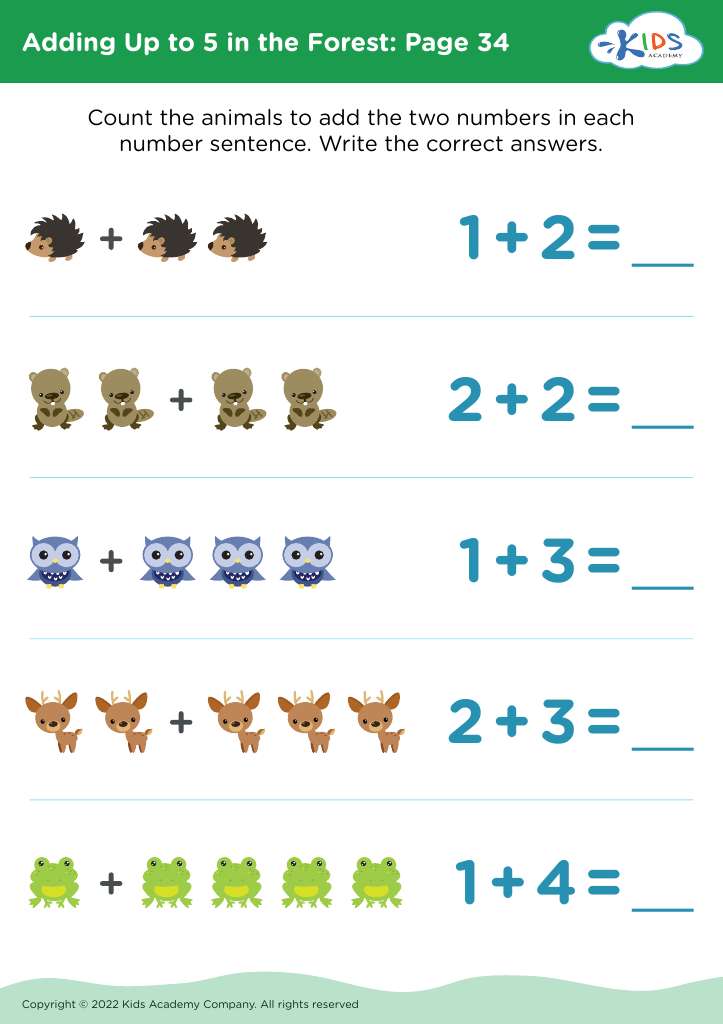
Adding Up to 5 in the Forest: Page 34
Worksheet
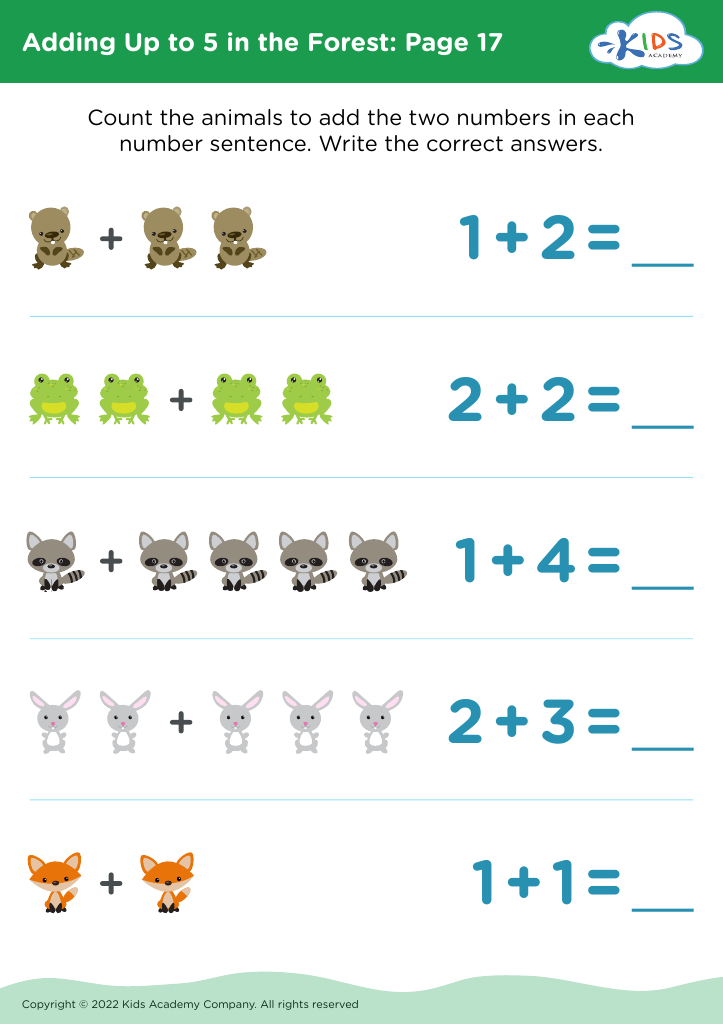
Adding Up to 5 in the Forest: Page 17
Worksheet
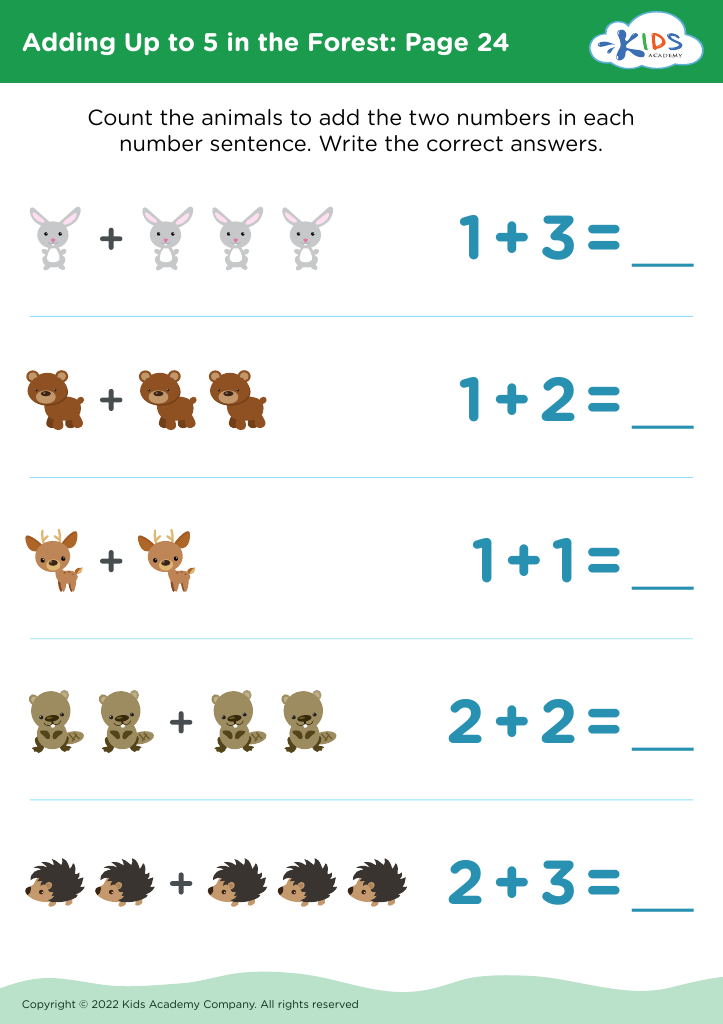
Adding Up to 5 in the Forest: Page 24
Worksheet
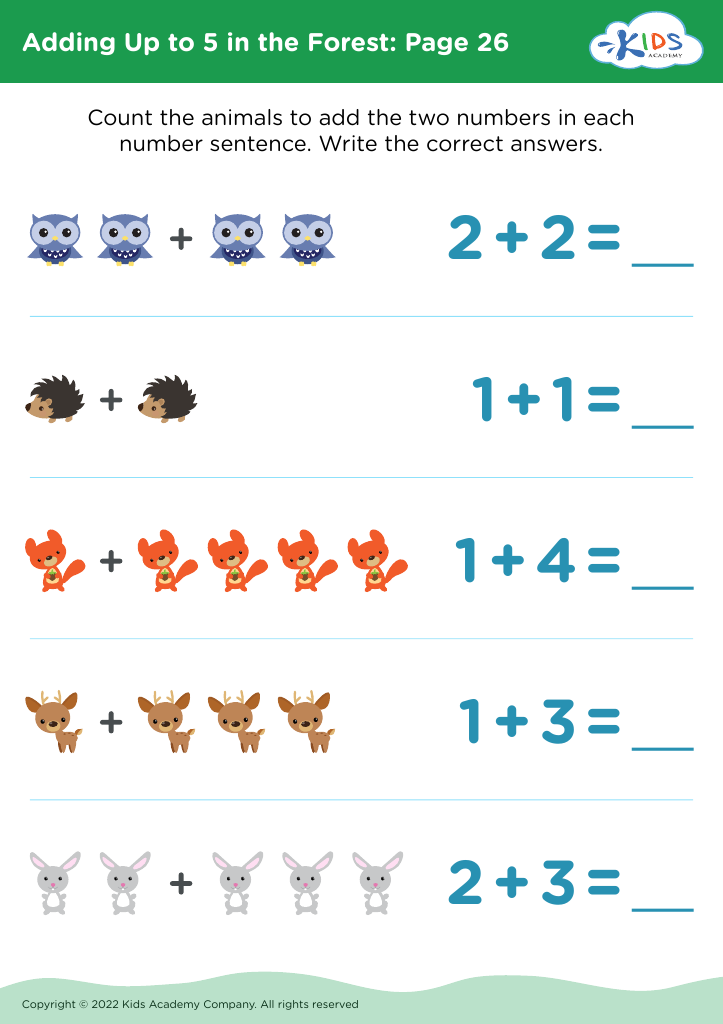
Adding Up to 5 in the Forest: Page 26
Worksheet
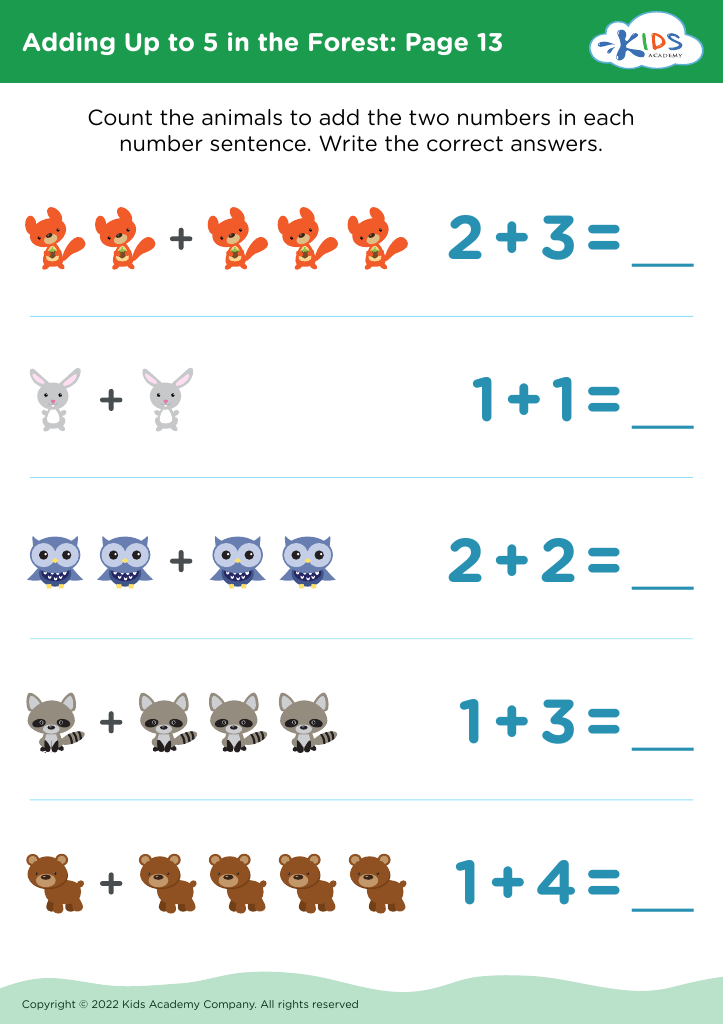
Adding Up to 5 in the Forest: Page 13
Worksheet
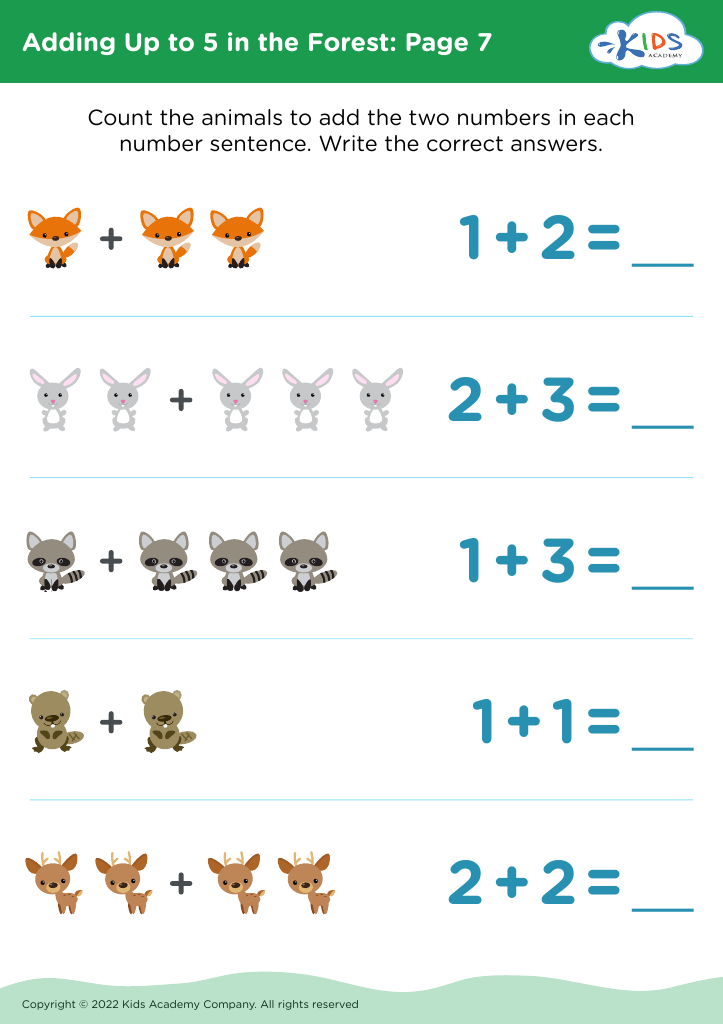
Adding Up to 5 in the Forest: Page 7
Worksheet
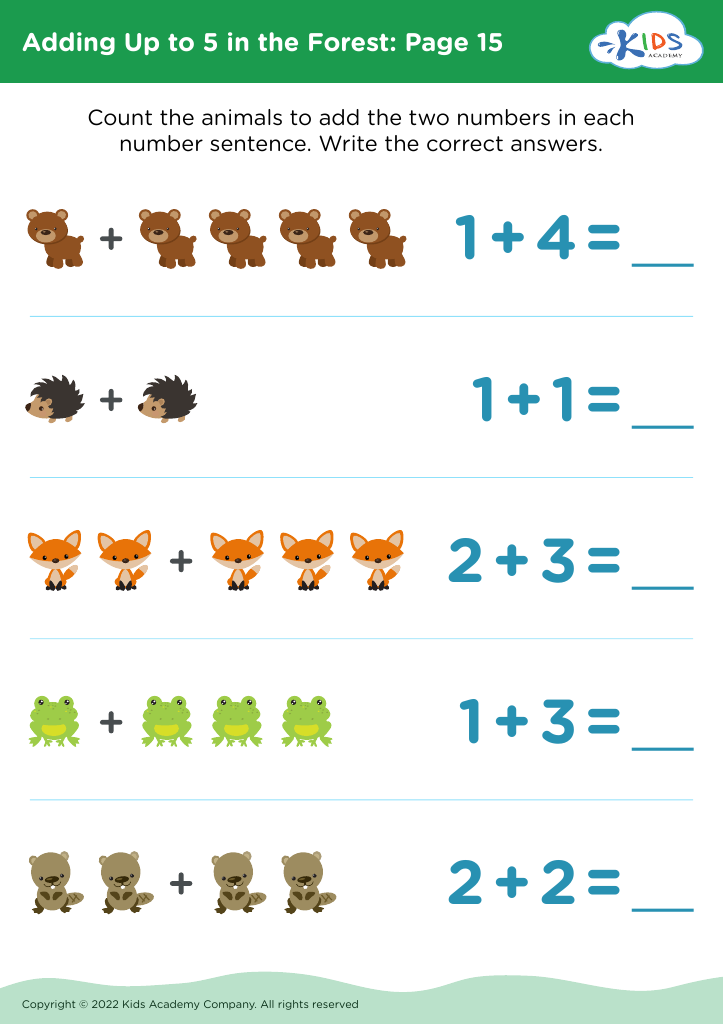
Adding Up to 5 in the Forest: Page 15
Worksheet
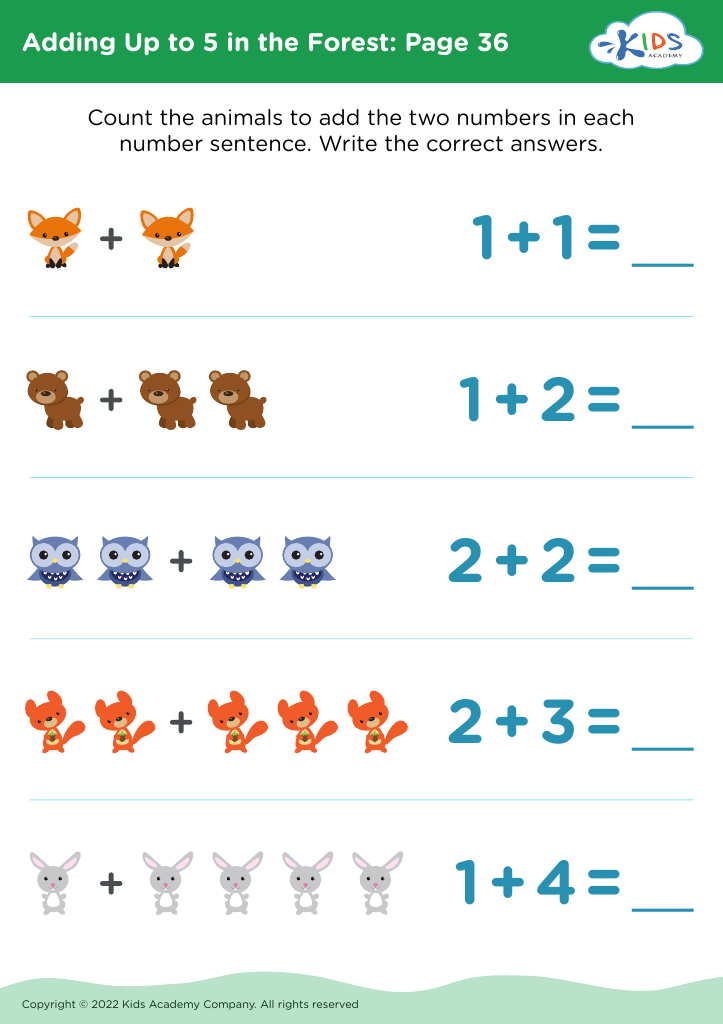
Adding Up to 5 in the Forest: Page 36
Worksheet
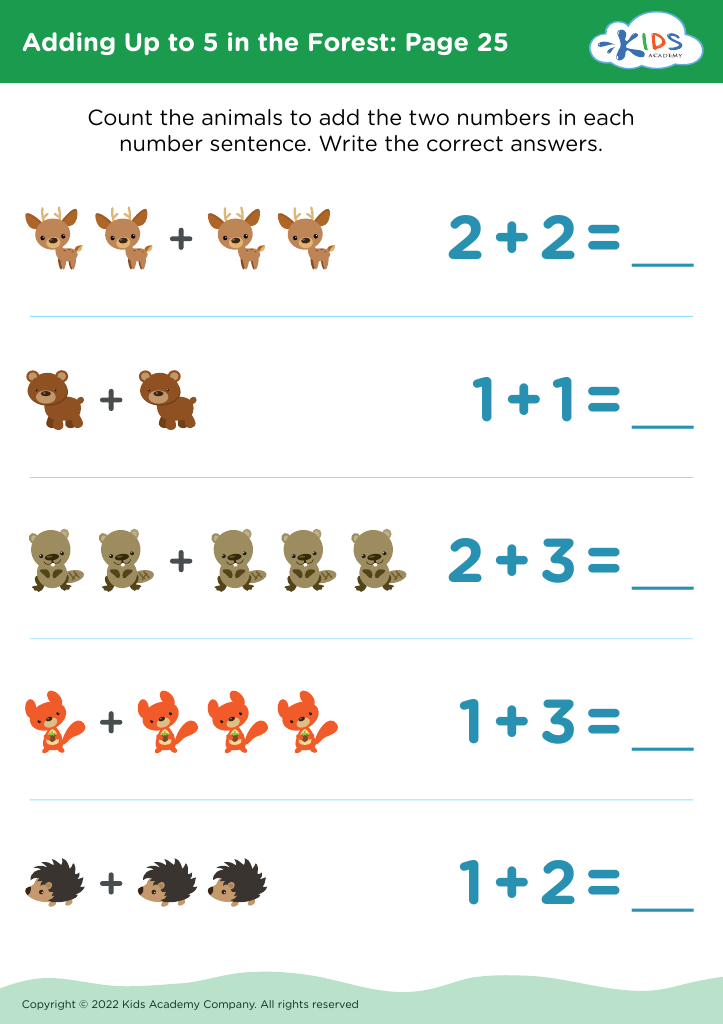
Adding Up to 5 in the Forest: Page 25
Worksheet
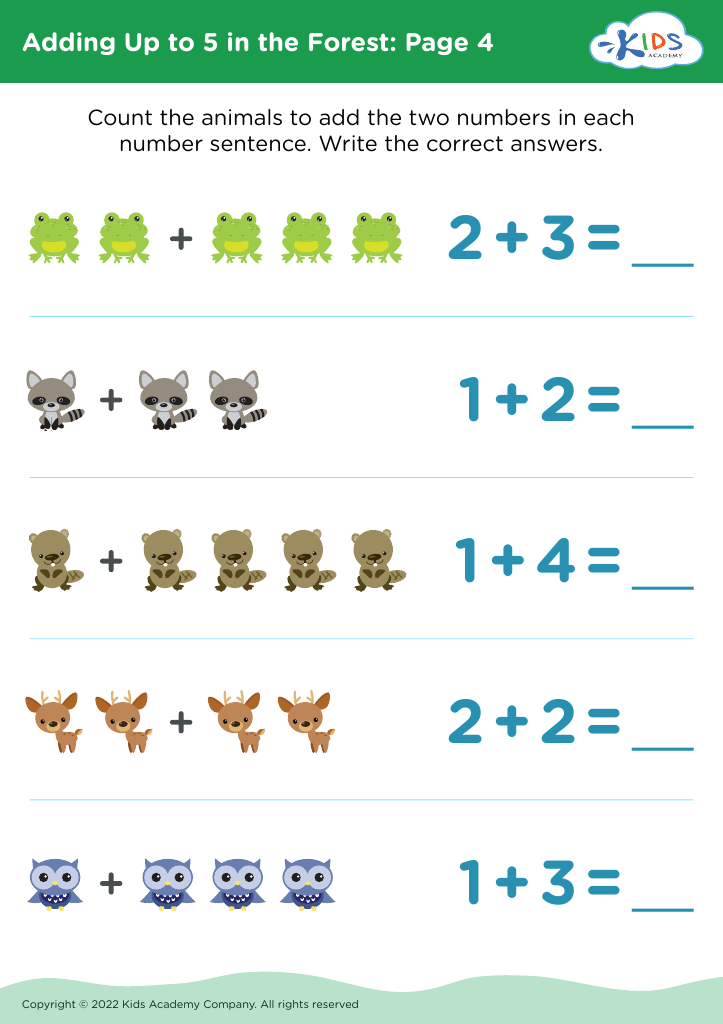
Adding Up to 5 in the Forest: Page 4
Worksheet
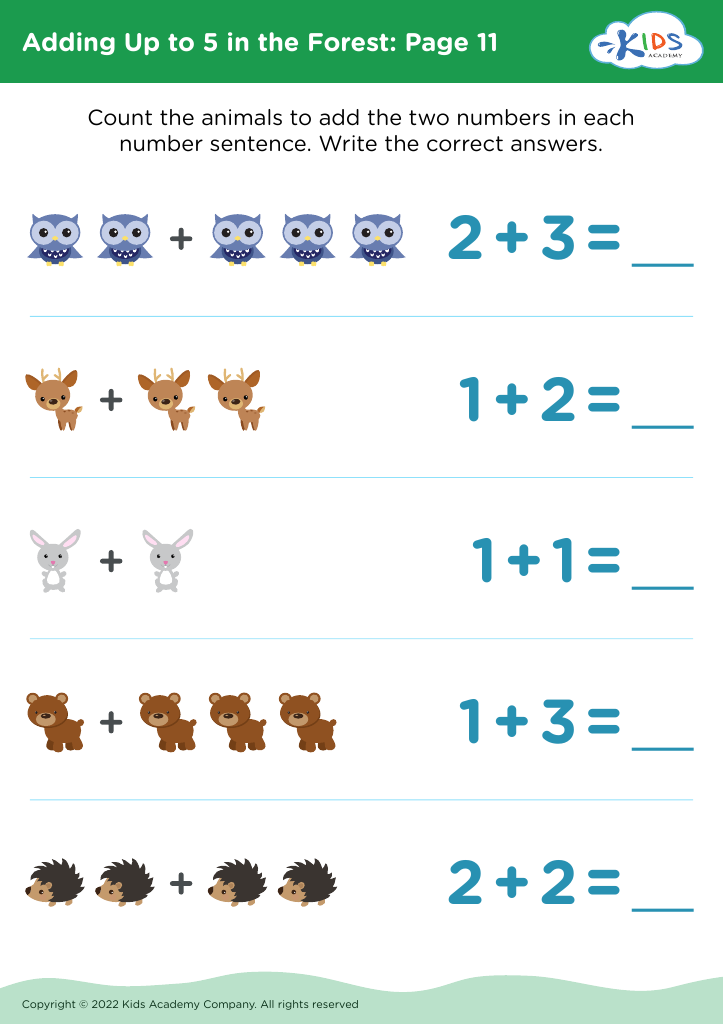
Adding Up to 5 in the Forest: Page 11
Worksheet
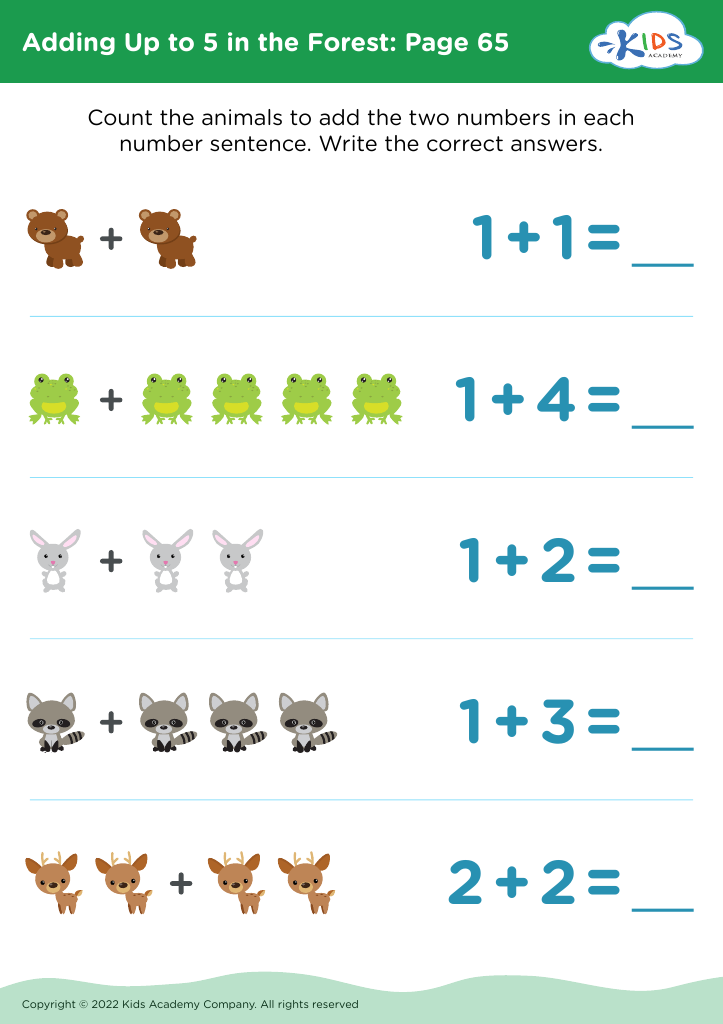
Adding Up to 5 in the Forest: Page 65
Worksheet
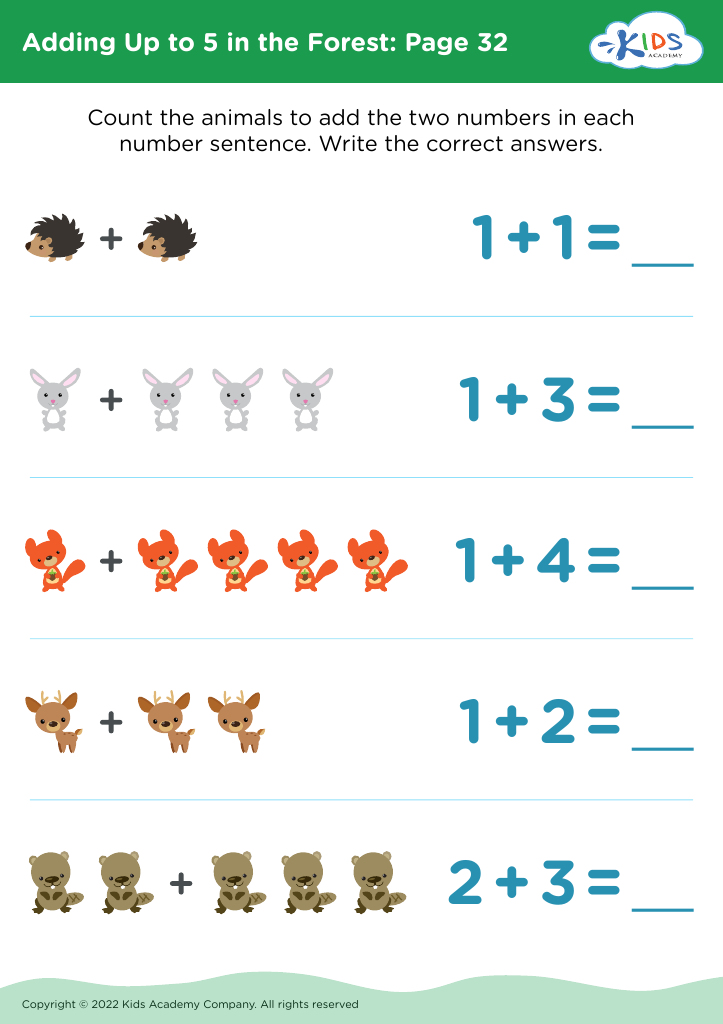
Adding Up to 5 in the Forest: Page 32
Worksheet
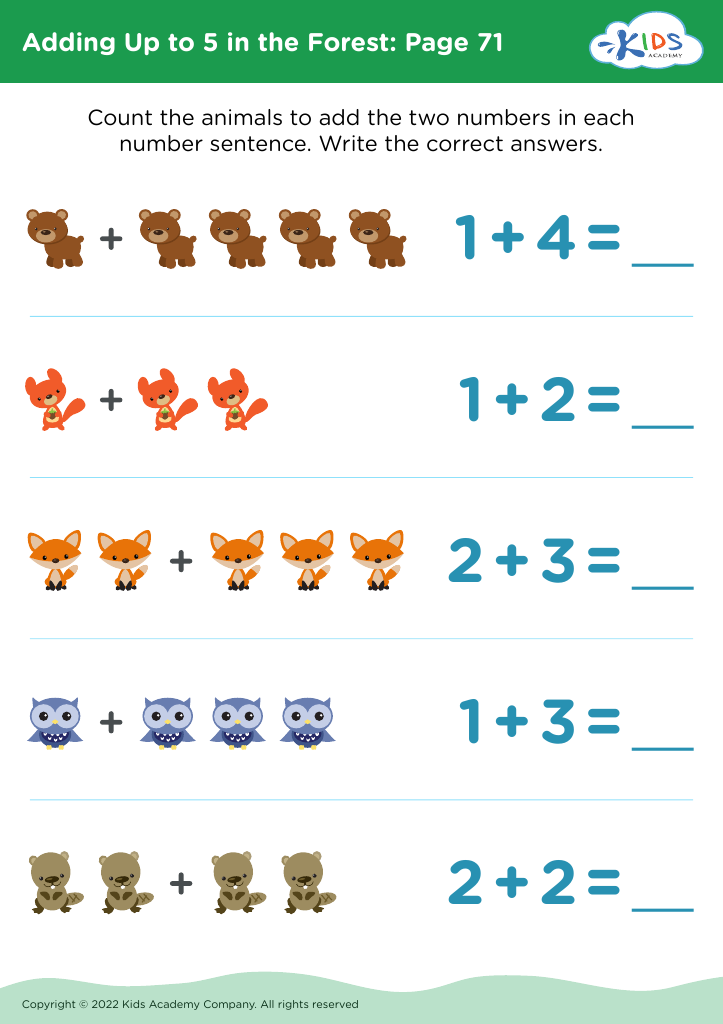
Adding Up to 5 in the Forest: Page 71
Worksheet
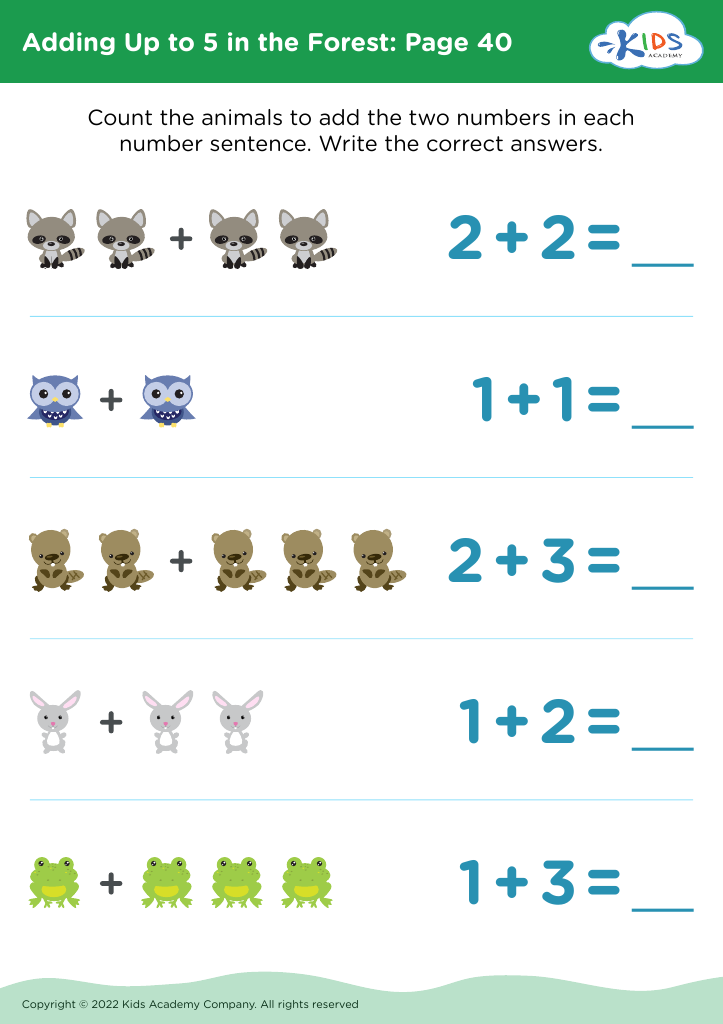
Adding Up to 5 in the Forest: Page 40
Worksheet
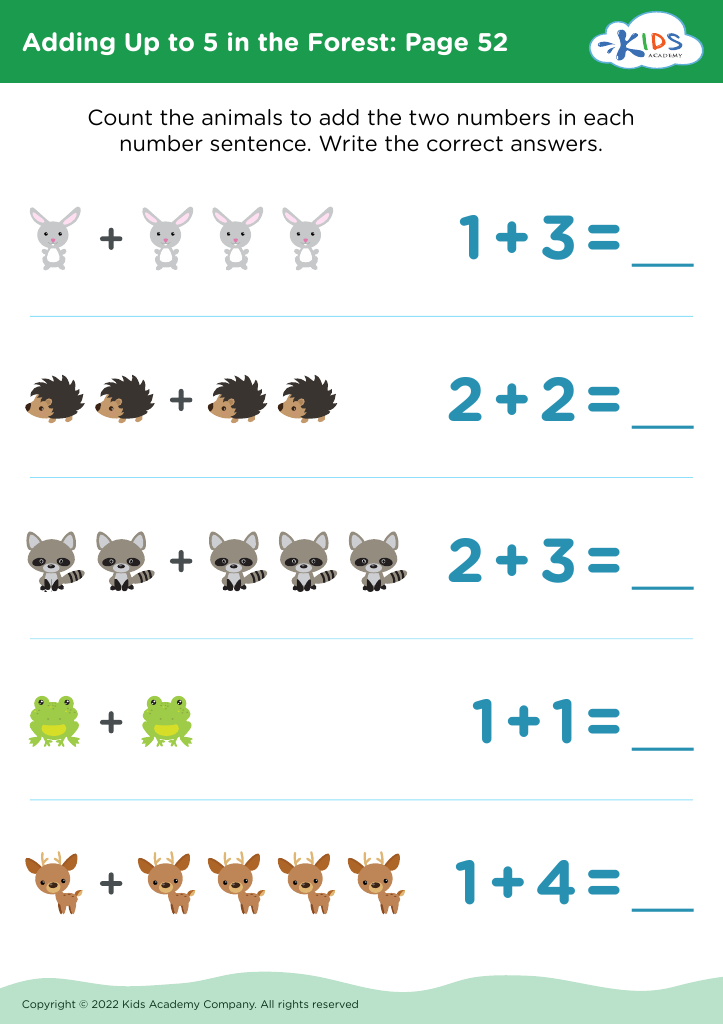
Adding Up to 5 in the Forest: Page 52
Worksheet
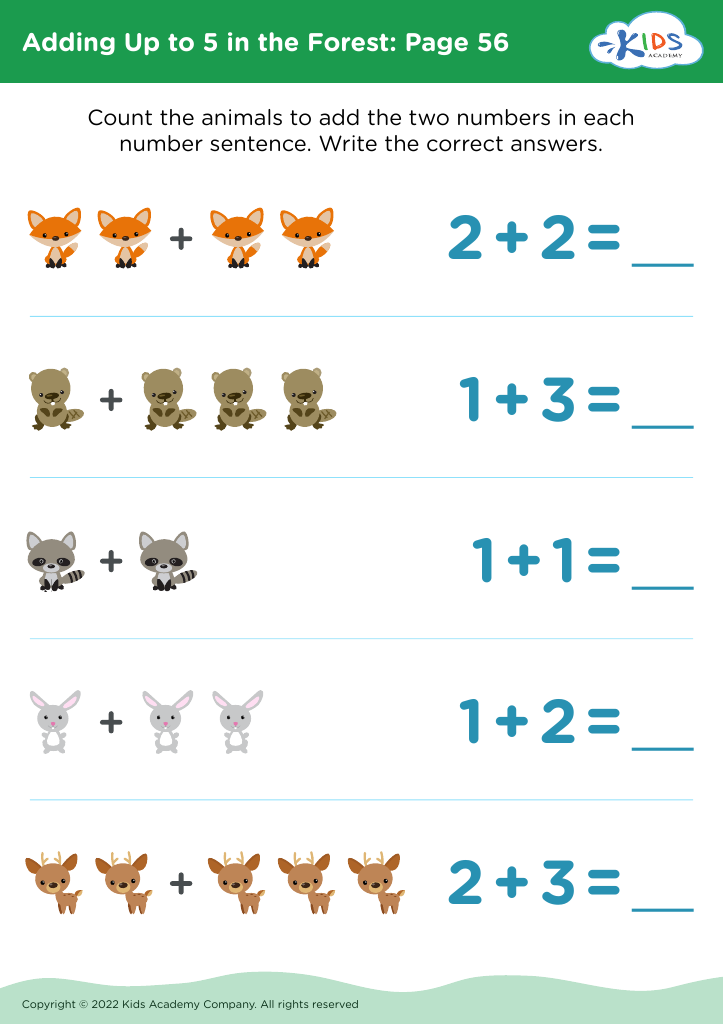
Adding Up to 5 in the Forest: Page 56
Worksheet
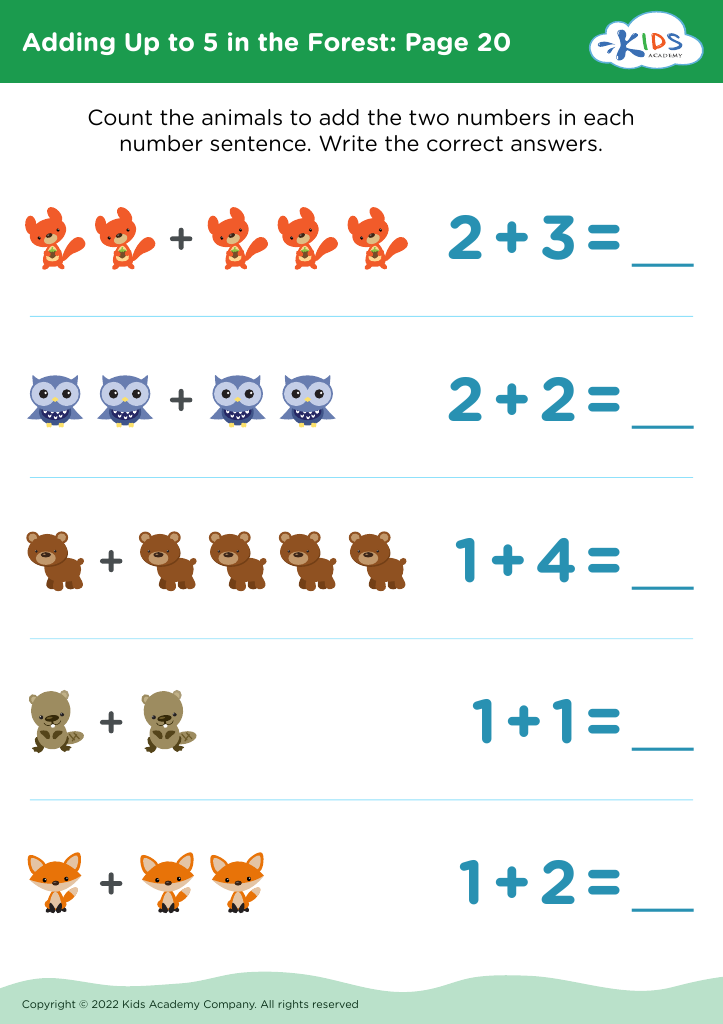
Adding Up to 5 in the Forest: Page 20
Worksheet
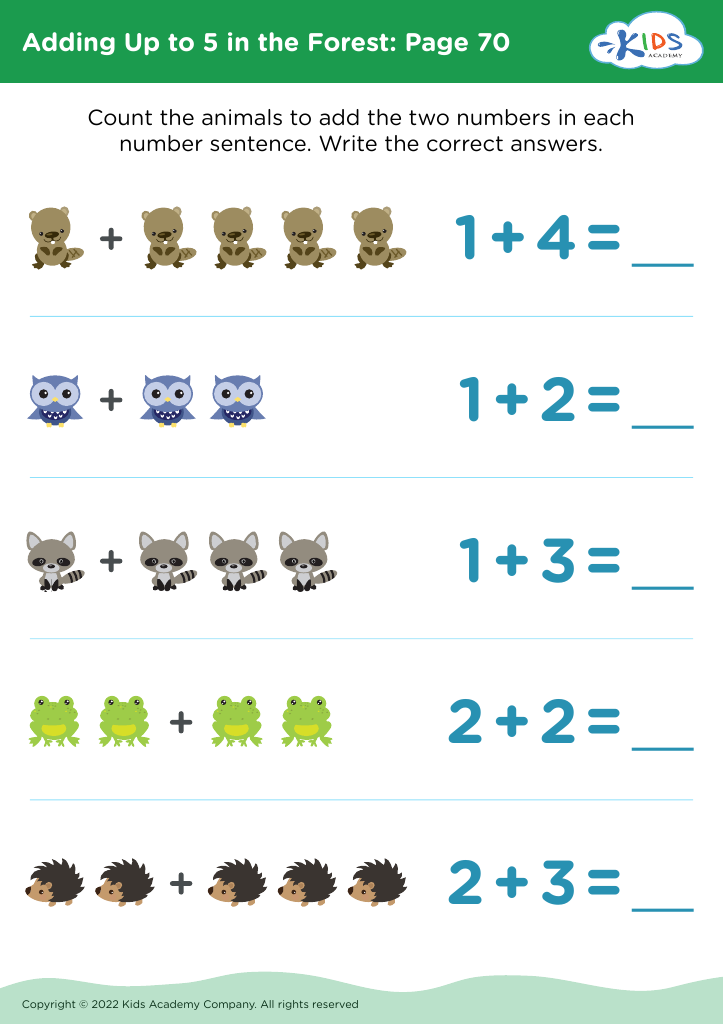
Adding Up to 5 in the Forest: Page 70
Worksheet
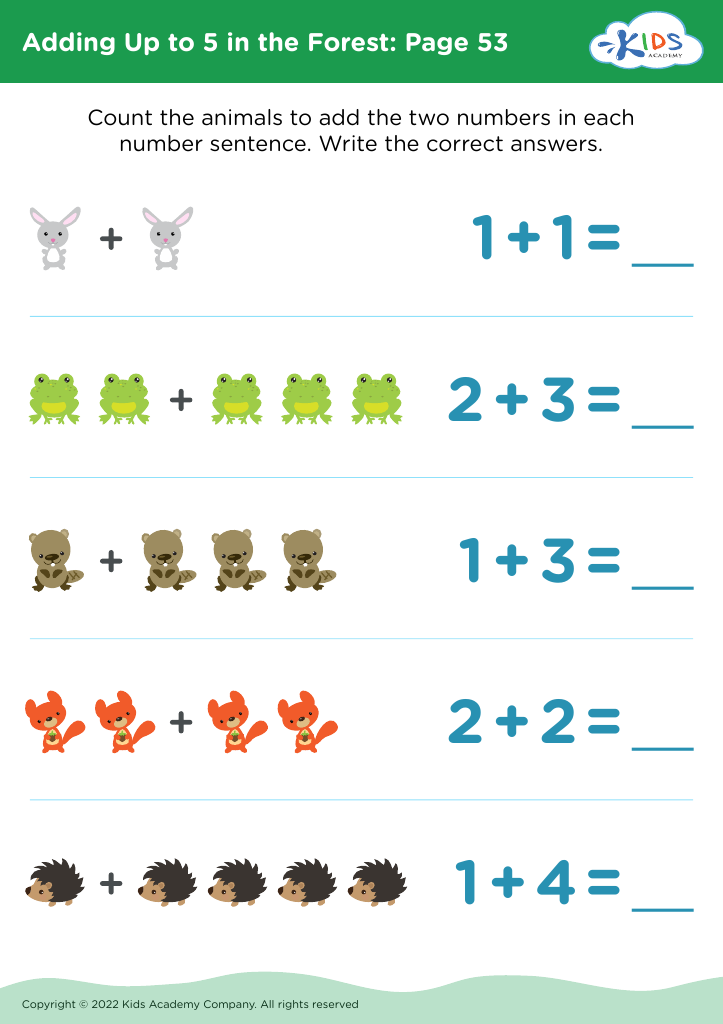
Adding Up to 5 in the Forest: Page 53
Worksheet
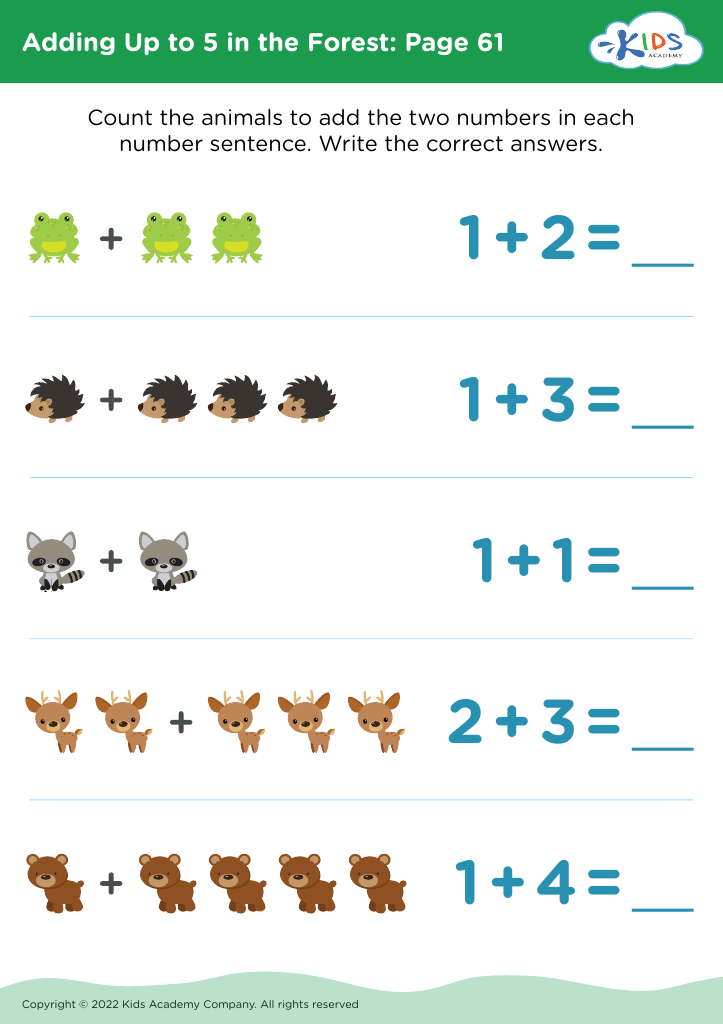
Adding Up to 5 in the Forest: Page 61
Worksheet


Number recognition is a foundational skill for young children, particularly in early childhood education. The concept of “Number Recognition Adding in the Forest” presents a creative way to engage children aged 4-5 with numbers through outdoor exploration. Parents and teachers should care about this approach for several reasons.

Firstly, it combines learning with nature, promoting physical activity and exploration. This connection has been shown to enhance cognitive development and motivate children to learn. When kids engage in activities like counting forest elements (leaves, rocks, or animals), they blend play and education seamlessly.

Secondly, number recognition is essential for a child's future mathematical competence. Understanding numbers at an early age prepares them for more complex skills, such as addition and subtraction, which are critical for their academic journey.

Additionally, incorporating a contextual theme like ‘forest’ allows for experiential learning, which caters to various learning styles. Children can develop critical thinking and problem-solving skills as they navigate the environment, making mathematical concepts more tangible.

Ultimately, encouraging number recognition through engaging, hands-on activities fosters a love for learning and builds a strong foundation for future success in mathematics and overall education. Thus, both parents and teachers play a crucial role in nurturing this essential skill.