
Fine Motor Skills (coloring) Addition & Subtraction Worksheets for Ages 4-5
3 filtered results
Difficulty Level
Grade
Age
-
From - To
Subject
Activity
Standards
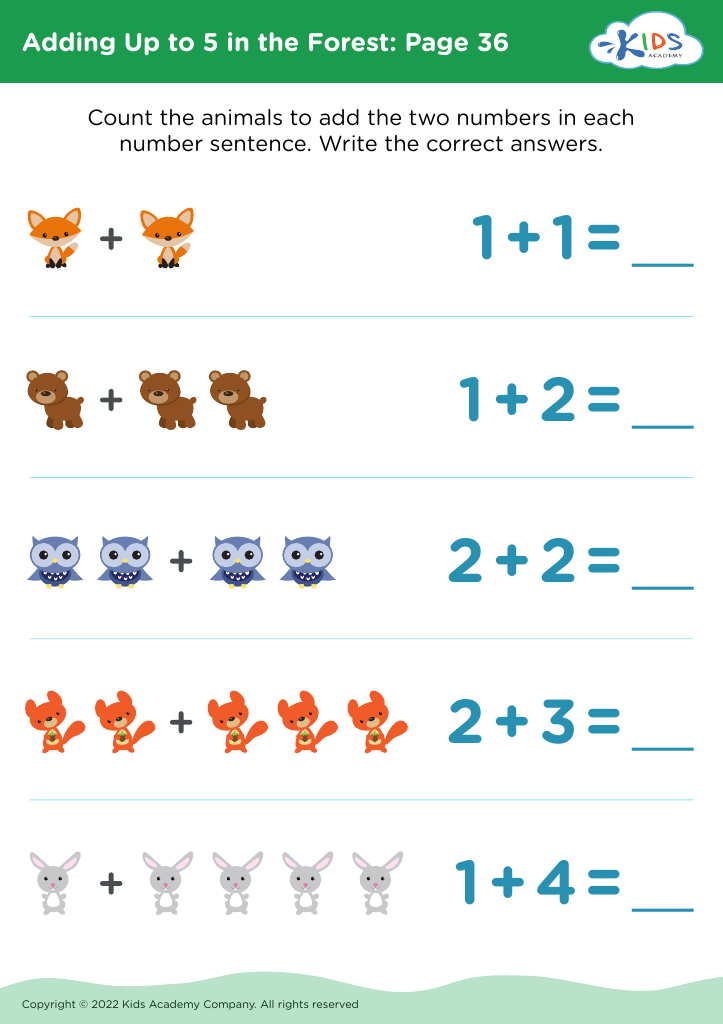
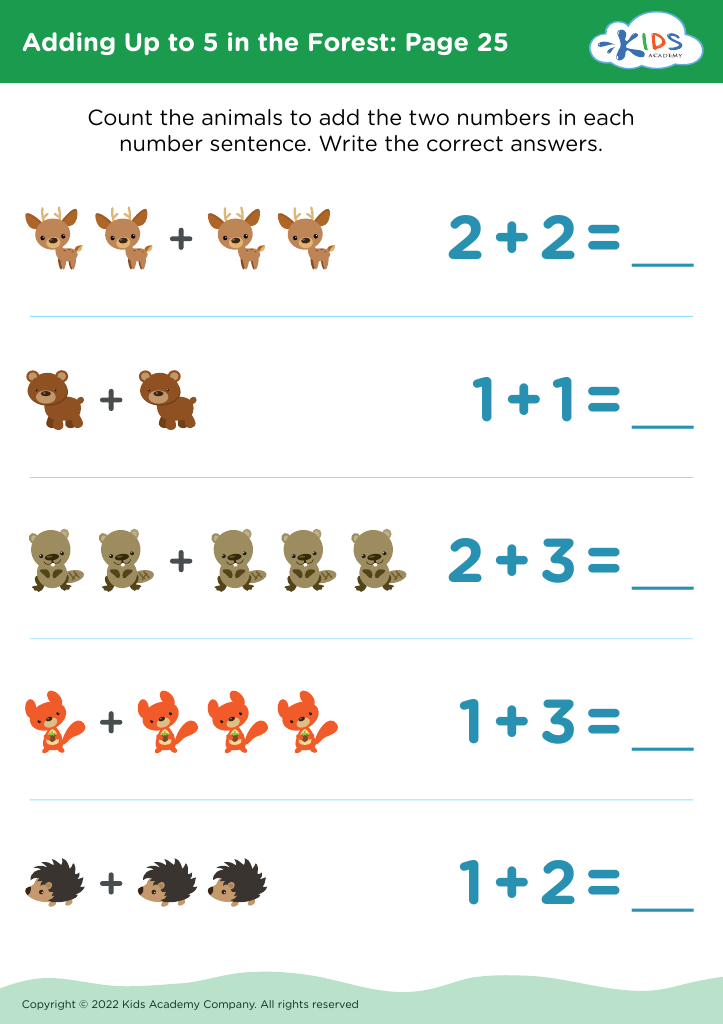
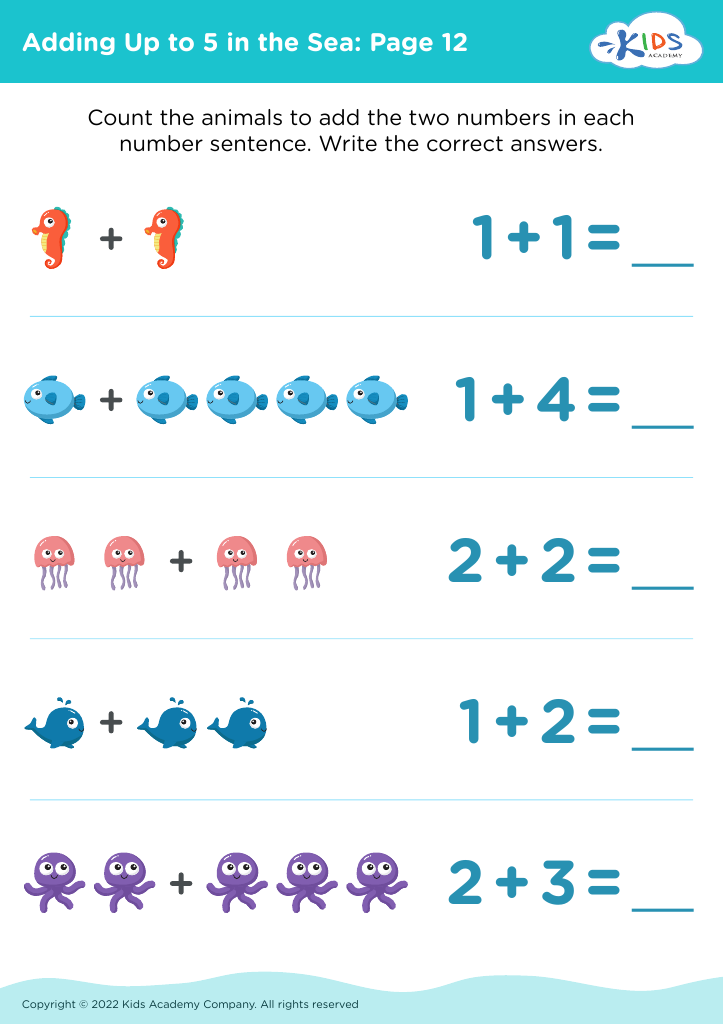
Enhance your child's learning experience with our engaging Fine Motor Skills (Coloring) Addition & Subtraction Worksheets, specially designed for ages 4-5. These interactive worksheets not only introduce early math concepts like addition and subtraction, but also help develop crucial fine motor skills through fun coloring activities. Each worksheet encourages children to improve their hand-eye coordination while tackling basic math problems using colorful illustrations. Perfect for homeschool or classroom settings, these resources foster creativity and make learning enjoyable! With our easy-to-use printables, your little ones will gain confidence in their math abilities while honing their fine motor dexterity. Explore now for endless fun!
Favorites
With answer key
Interactive
Join Kids Academy for Free
Who is primarily going to use this learning content?








Fine motor skills are crucial for young children’s development, particularly in the context of activities like coloring and basic arithmetic such as addition and subtraction. For children ages 4-5, engaging in coloring requires precise hand movements, which help strengthen hand-eye coordination and dexterity. These skills are foundational for writing, which children will need as they progress in school. Improved fine motor skills can also boost confidence in self-expression through art.
Additionally, integrating fun activities like coloring with basic math concepts fosters cognitive development. When children color shapes or objects representing numbers, they begin to understand the visual aspects of addition and subtraction. For instance, coloring three apples and two oranges, then counting the total, can make math tangible and enjoyable.
Moreover, these activities promote problem-solving skills and critical thinking in young learners. As they navigate numbers and colors, they learn to make choices and understand consequences, which are essential life skills.
In essence, promoting fine motor skills through coloring, alongside introducing basic math, supports holistic development. Teachers and parents should prioritize these activities as they lay the groundwork for not just academic success, but also for essential everyday skills.








