Fine motor skills (drawing lines) Addition & Subtraction Worksheets for Ages 4-5
3 filtered results
-
From - To
Enhance your child's fine motor skills and foundational math abilities with our engaging Fine Motor Skills: Drawing Lines Addition & Subtraction Worksheets for ages 4-5. Perfect for early learners, these printable worksheets combine fun drawing activities with essential addition and subtraction practice. As children draw straight and curved lines, they are simultaneously developing their pencil control and understanding of basic math concepts. These worksheets provide a playful and educational way for kids to strengthen their small muscle movements while building confidence in their early math skills. Unlock your child's potential and make math fun with our expertly designed resources.
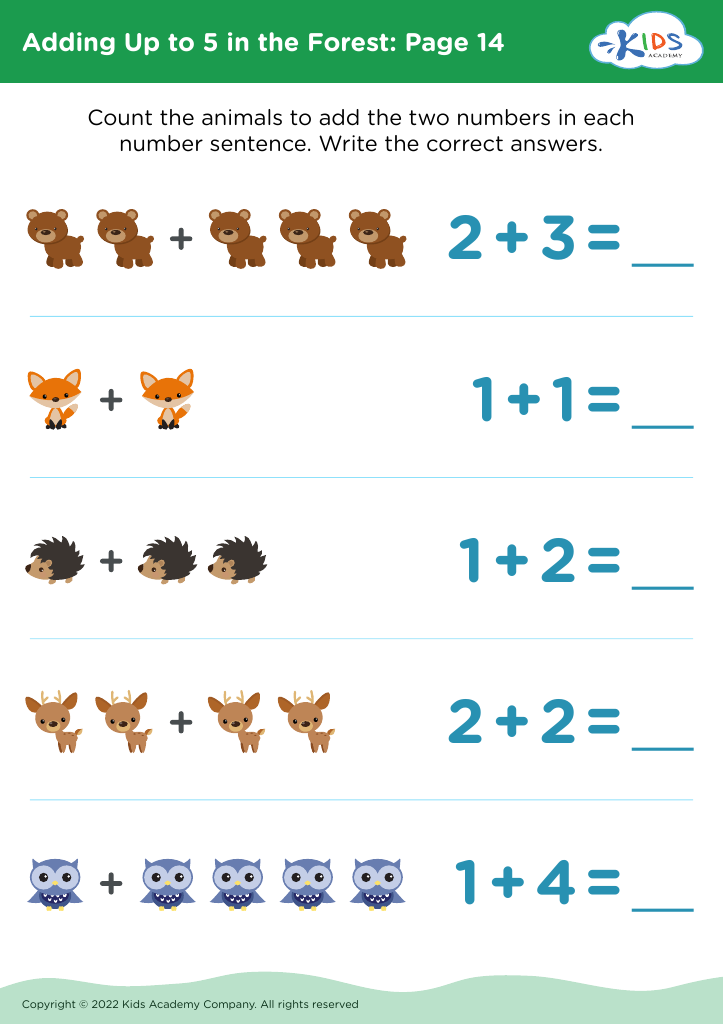
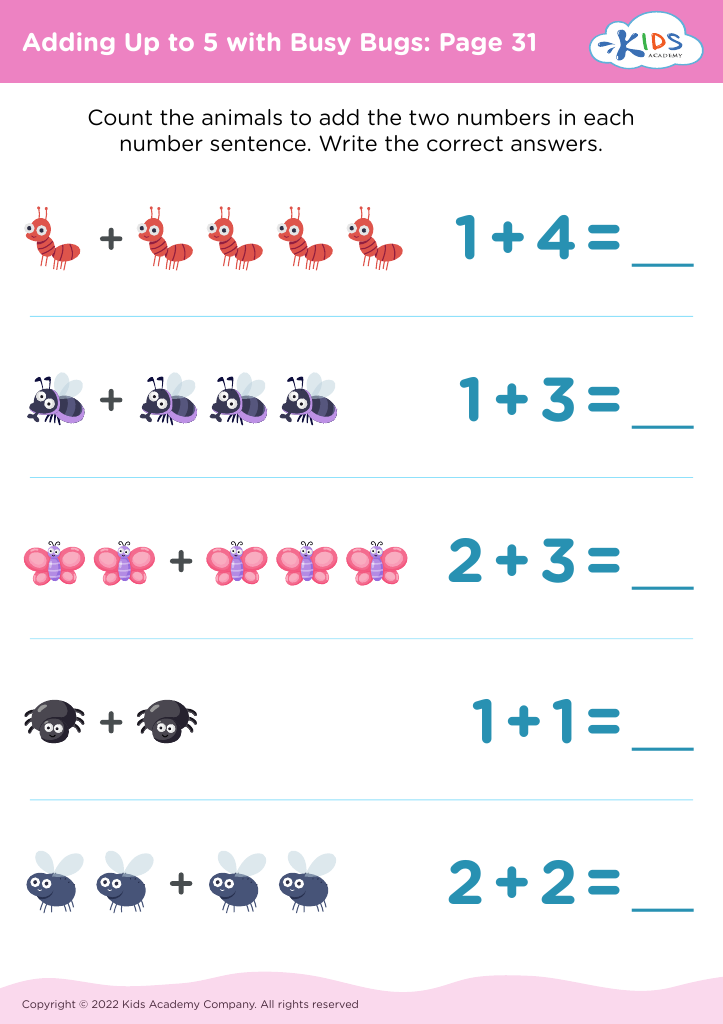
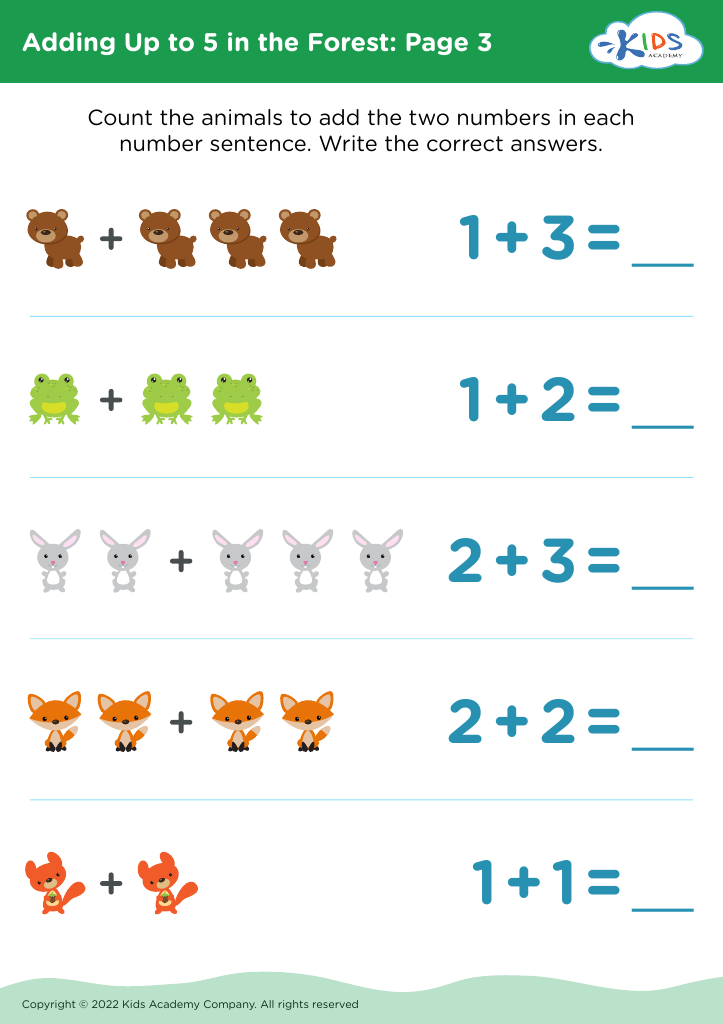








Fine motor skills, such as drawing lines, and an understanding of basic addition and subtraction are crucial for 4 to 5-year-olds because they lay the foundation for future academic success and daily life activities. Developing fine motor skills helps children gain better control over small muscles in their hands and fingers, essential for tasks like writing, buttoning clothes, and using utensils. Practicing activities like drawing lines enhances hand-eye coordination, dexterity, and precision, promoting confidence and independence in young learners.
In parallel, early exposure to addition and subtraction fosters mathematical thinking and problem-solving abilities. At the ages of 4 to 5, children's brains are highly receptive to new concepts. Introducing basic arithmetic in a playful and engaging manner nurtures their curiosity and helps them realize the relevance of math in everyday life, establishing a strong number sense.
Both sets of skills contribute significantly to a child's holistic development. Fine motor activities support cognitive functions, such as memory and concentration, which are vital for academic tasks. Meanwhile, understanding math basics is fundamental for future education and daily decision-making.
Thus, parents and teachers should emphasize these areas because they equip children with the essential tools needed for their academic, social, and personal growth, ensuring a smoother transition into more complex aspects of learning and living.








