Basic Addition Math Worksheets for Ages 4-5 - Page 2
38 filtered results
-
From - To
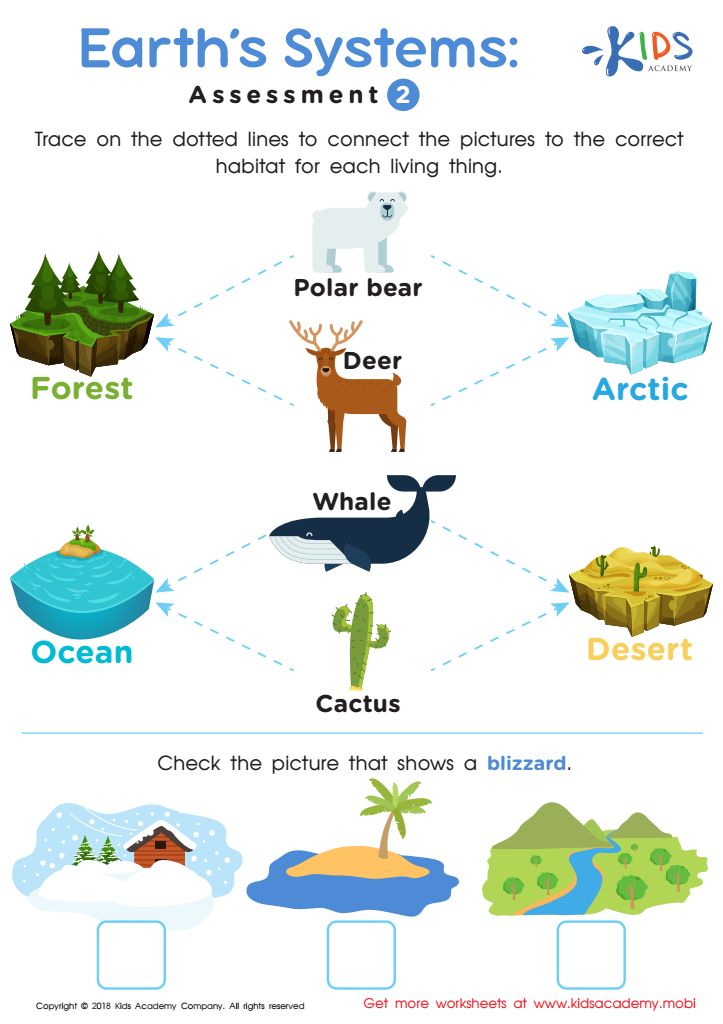
Earth's Systems: Assessment 2
 Assign to My Students
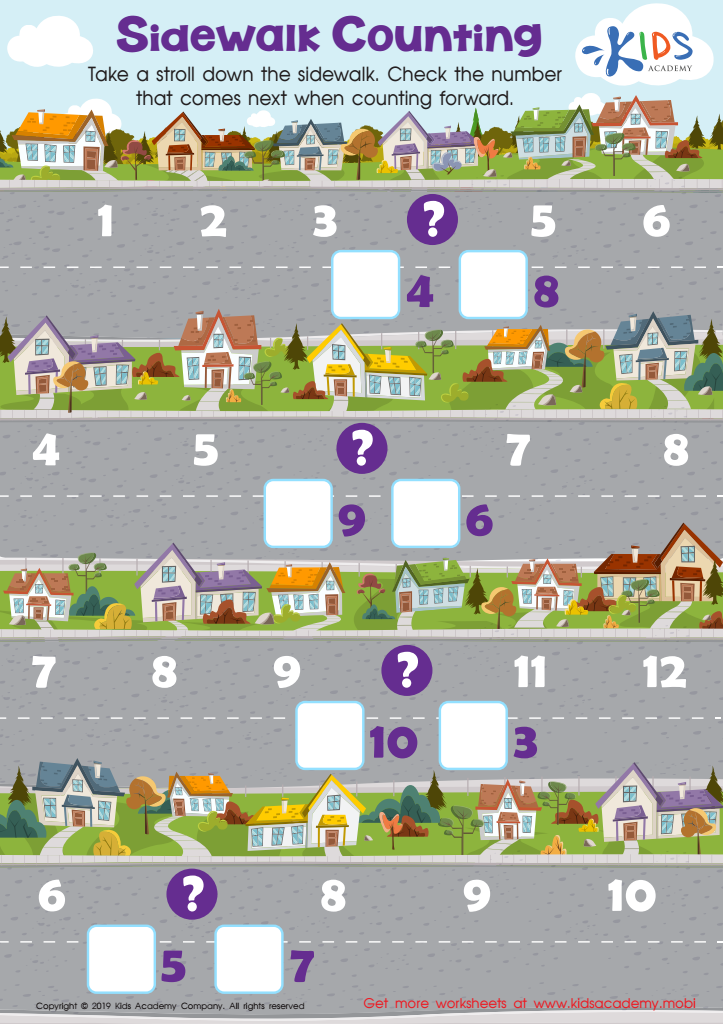
Sidewalk Counting Worksheet
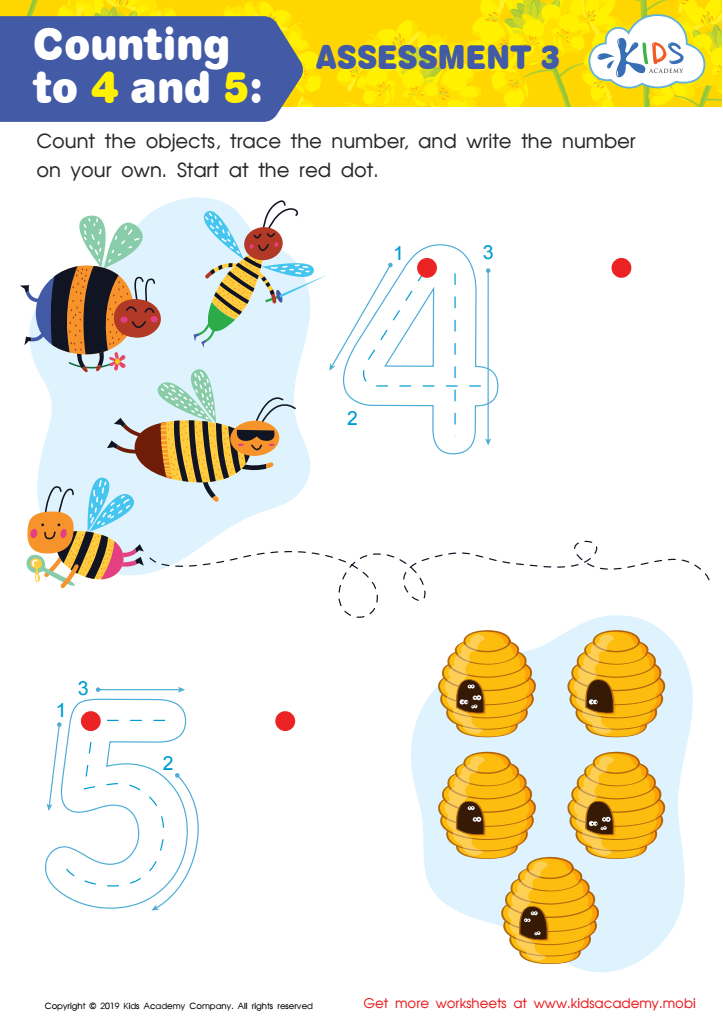
Counting to 4 and 5: Assessment 3 Worksheet
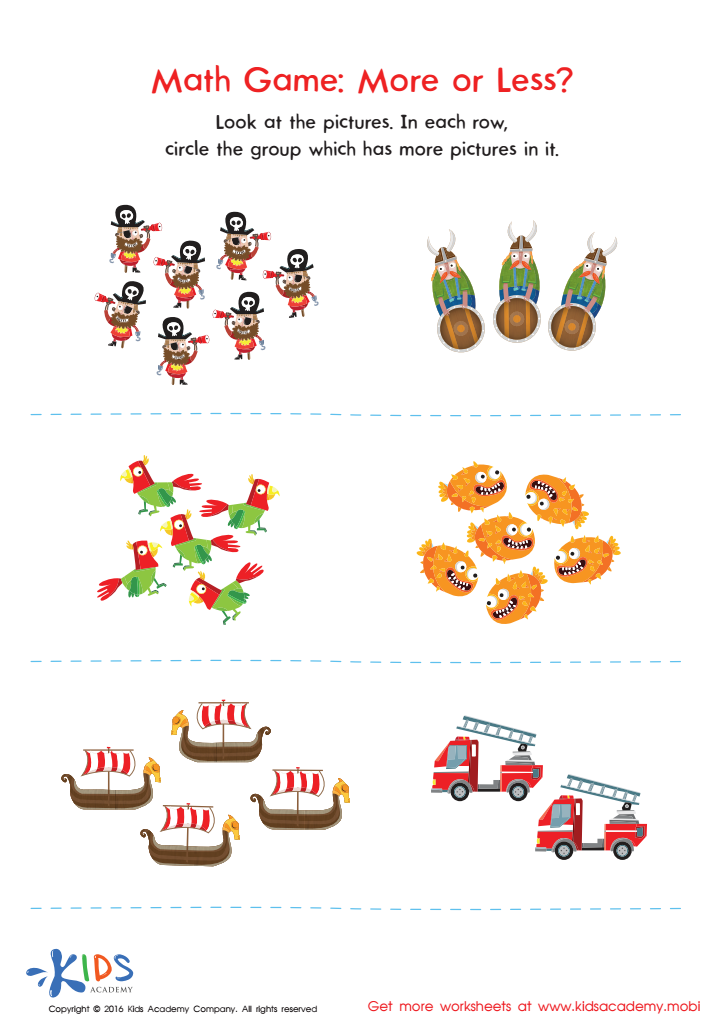
More or Less Worksheet
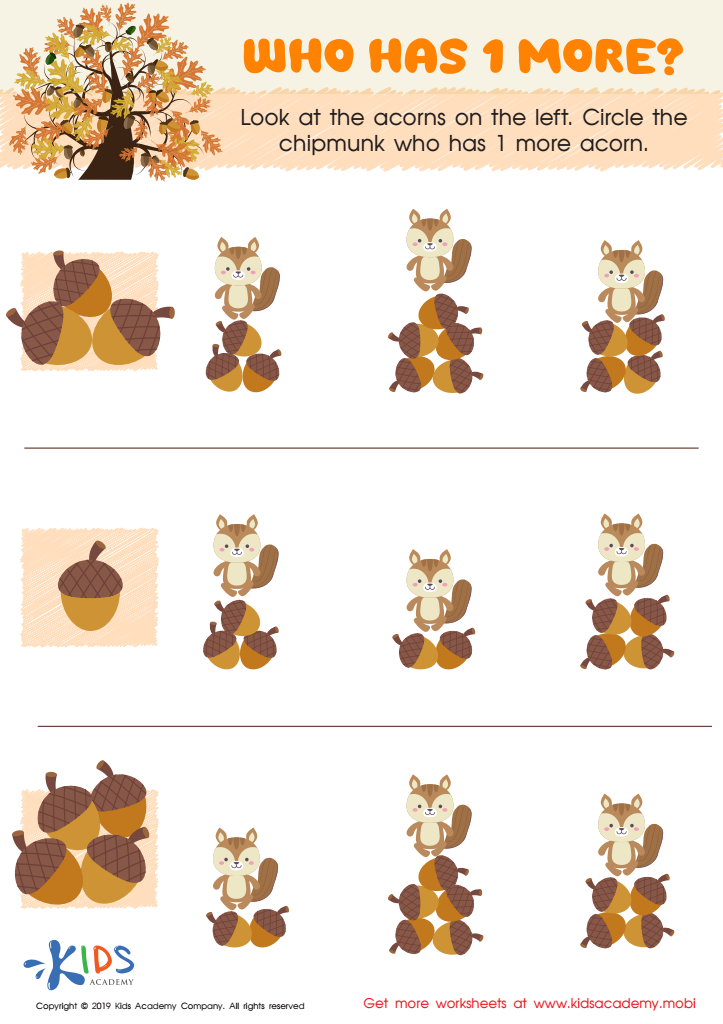
Who Has 1 More? Worksheet
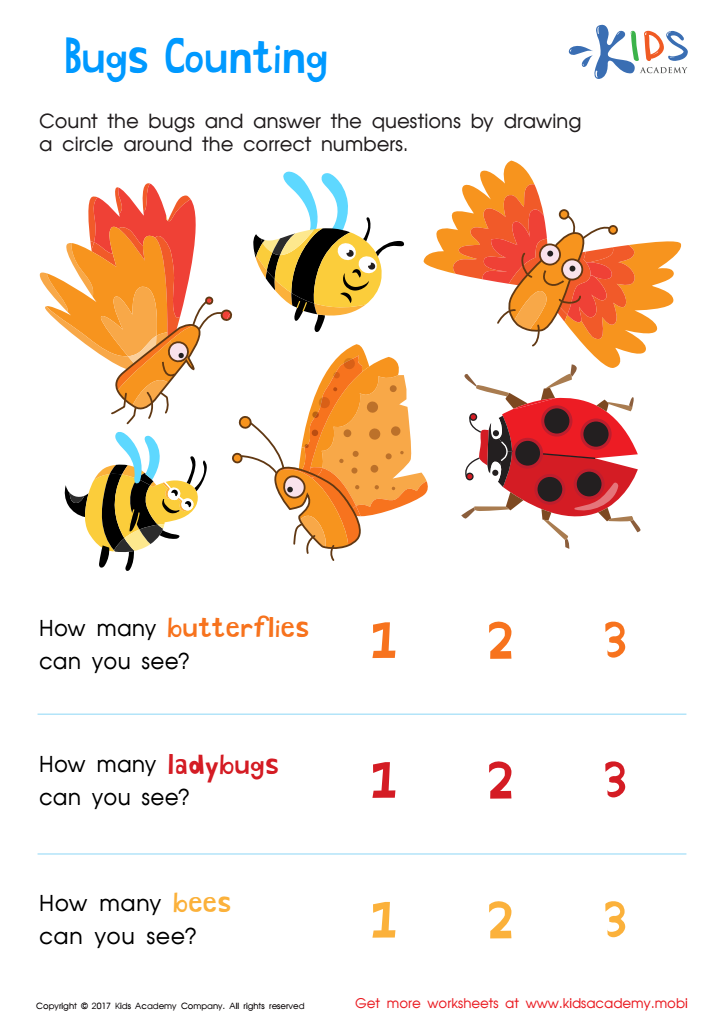
Bugs Counting Worksheet
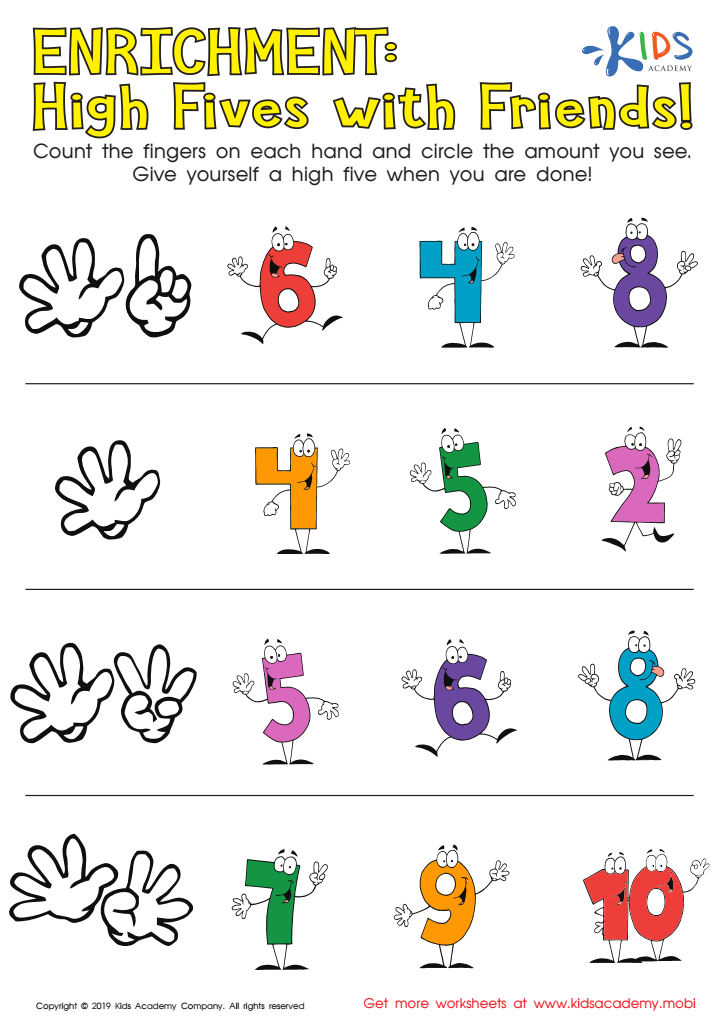
Enrichment: High Fives with Friends! Worksheet
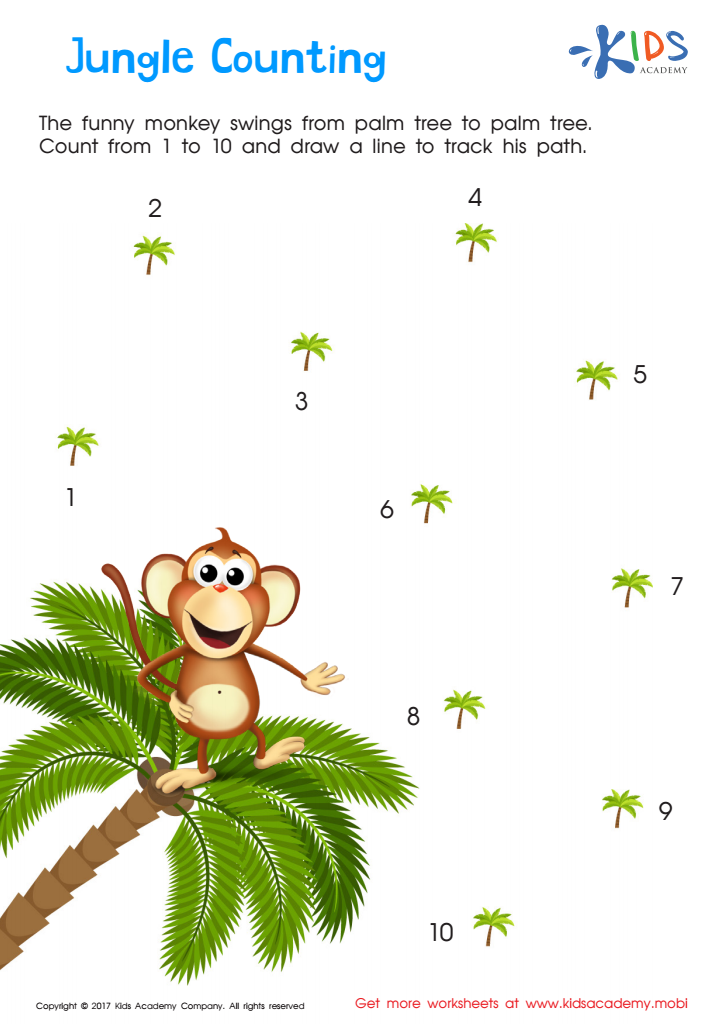
Jungle Counting Connect Dots Worksheet
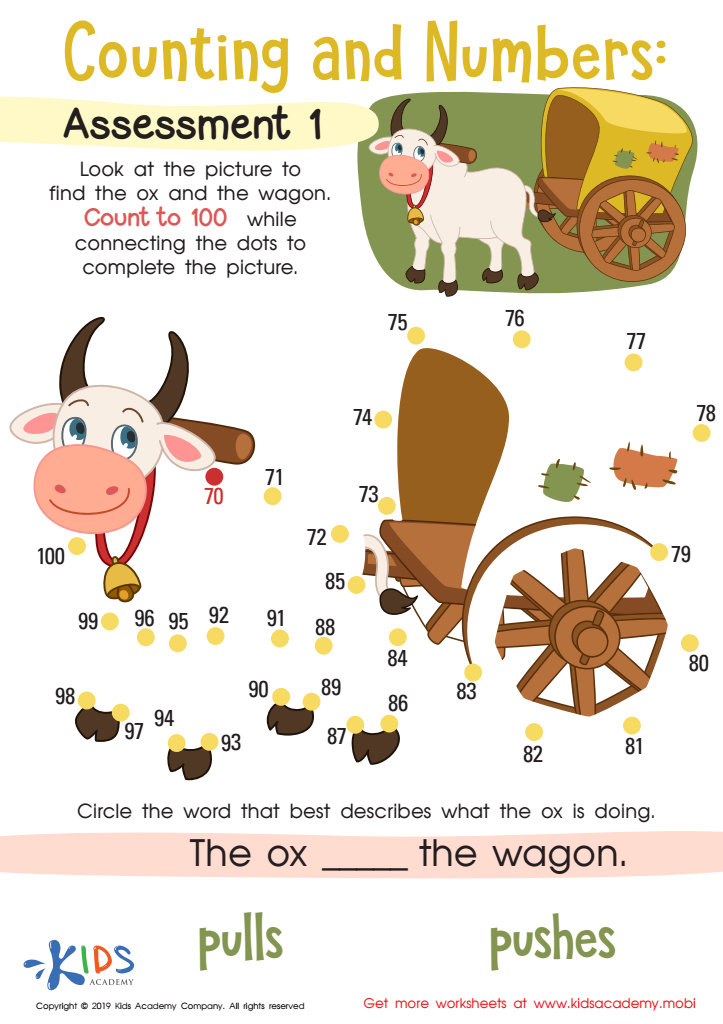
Counting and Numbers: Assessment 1 Worksheet
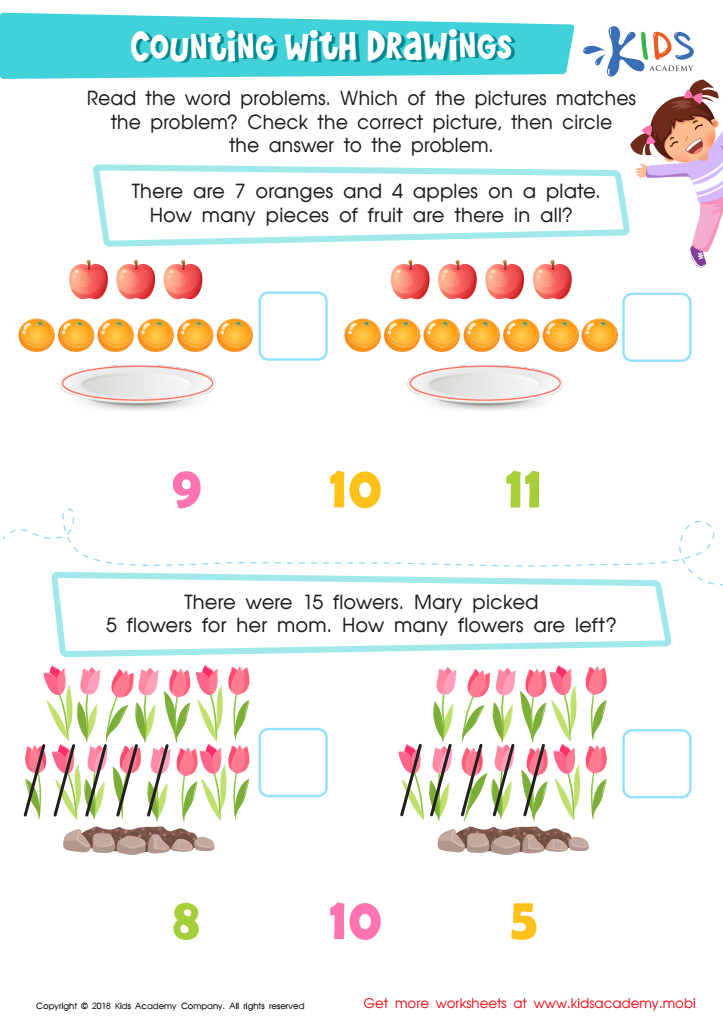
Counting with Drawings:Fruits & Flowers Worksheet
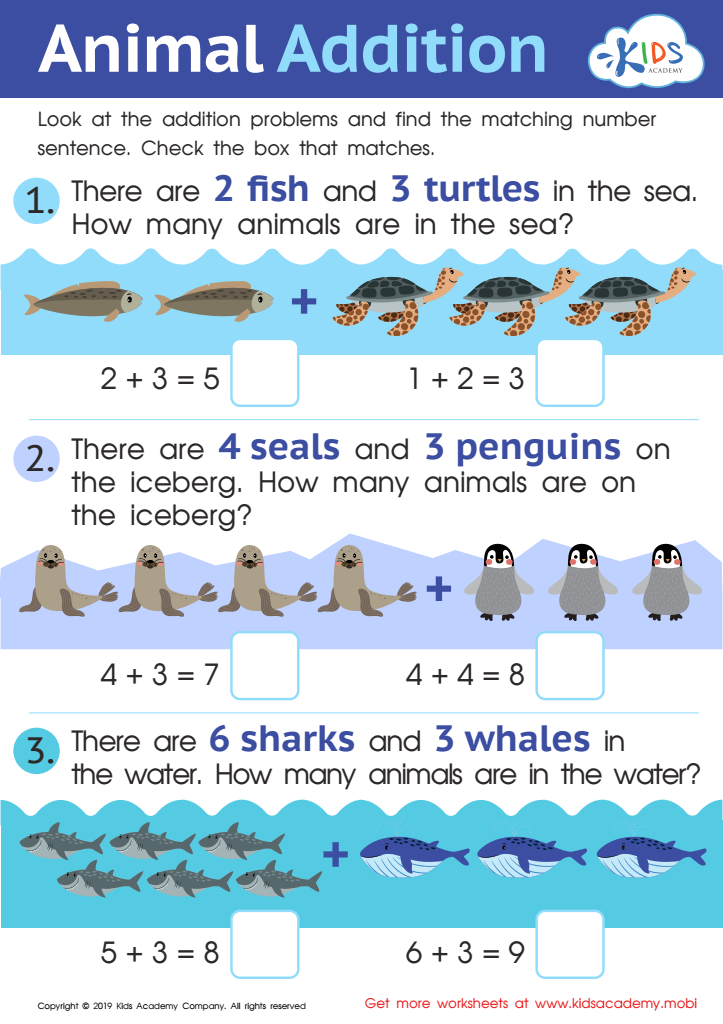
Animal Addition Worksheet
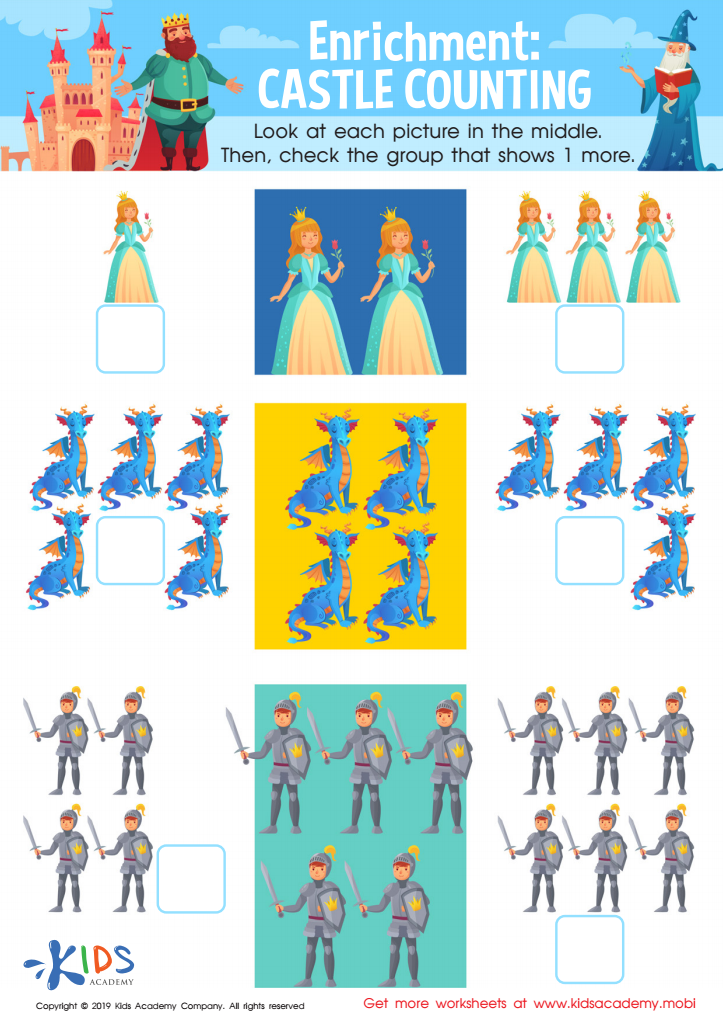
Enrichment: Castle Counting Worksheet
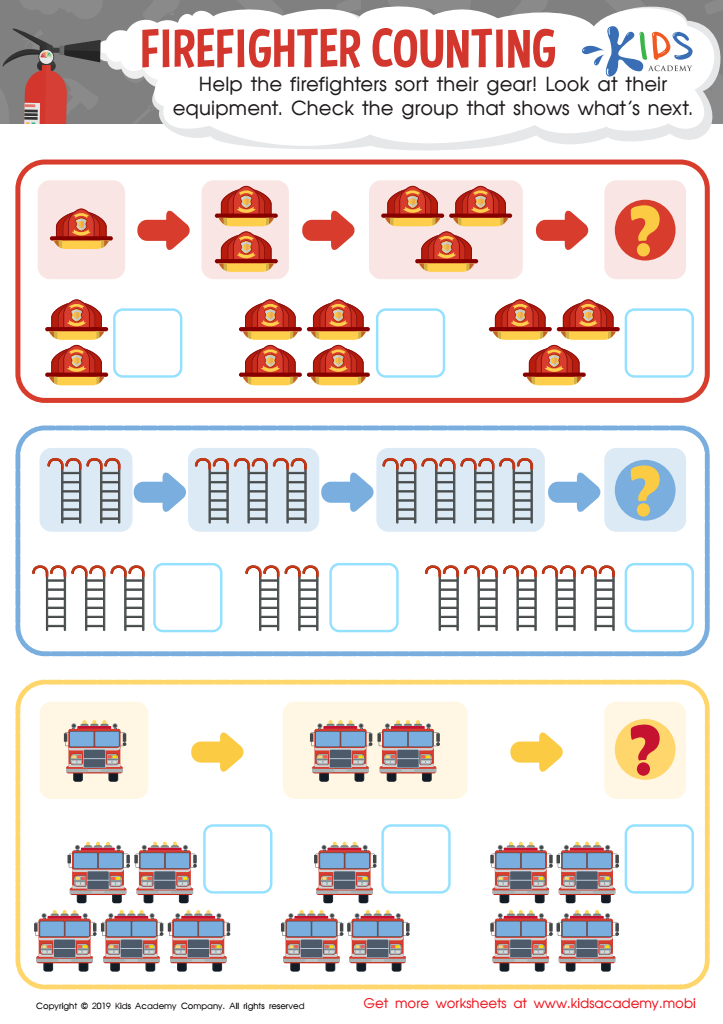
Firefighter Counting Worksheet
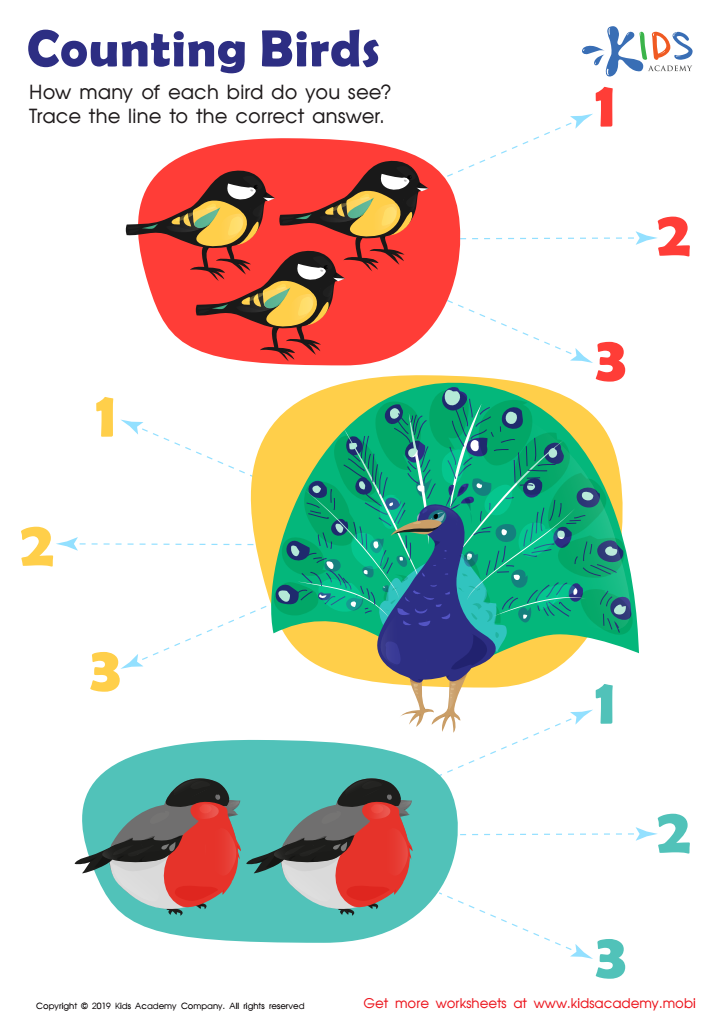
Counting Birds Worksheet





.jpg)

Parents and teachers should prioritize basic addition math for children ages 4-5 because it serves as a fundamental building block for their overall mathematical understanding and cognitive development. Introducing young children to addition helps lay the groundwork for more complex mathematical concepts they will encounter later, such as subtraction, multiplication, and division. Mastering basic addition early not only boosts their confidence in math but also improves essential problem-solving and critical-thinking skills.
Early exposure to addition helps children develop number sense—their understanding of numbers and their relationships. This foundational knowledge plays a critical role in everyday activities, from telling time to making simple financial transactions. Learning addition in a fun and engaging manner also fosters a positive attitude towards math, reducing math anxiety and fostering a lifelong interest in the subject.
Moreover, early math skills are linked to future academic success. Research shows that children with strong early math abilities are more likely to excel in both math and reading as they progress through school. Thus, by nurturing basic addition skills at a young age, parents and teachers equip children with the tools they need for future scholarly achievements and everyday life, setting the stage for a brighter, more confident educational journey.








