Understanding numerical values Math Worksheets for Ages 4-5
4 filtered results
-
From - To
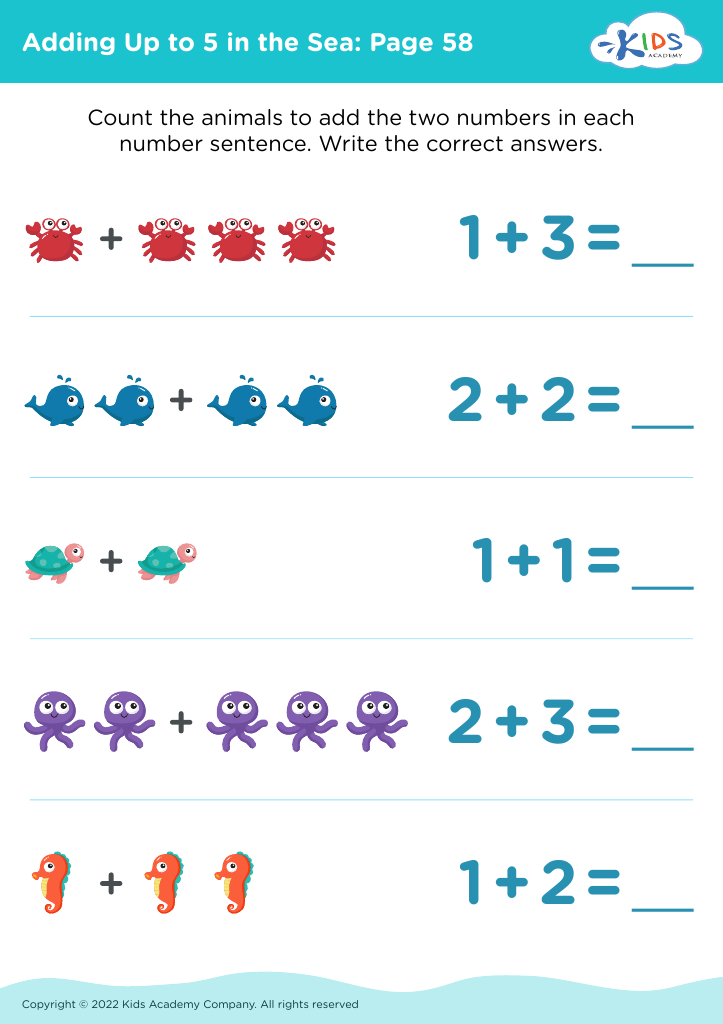
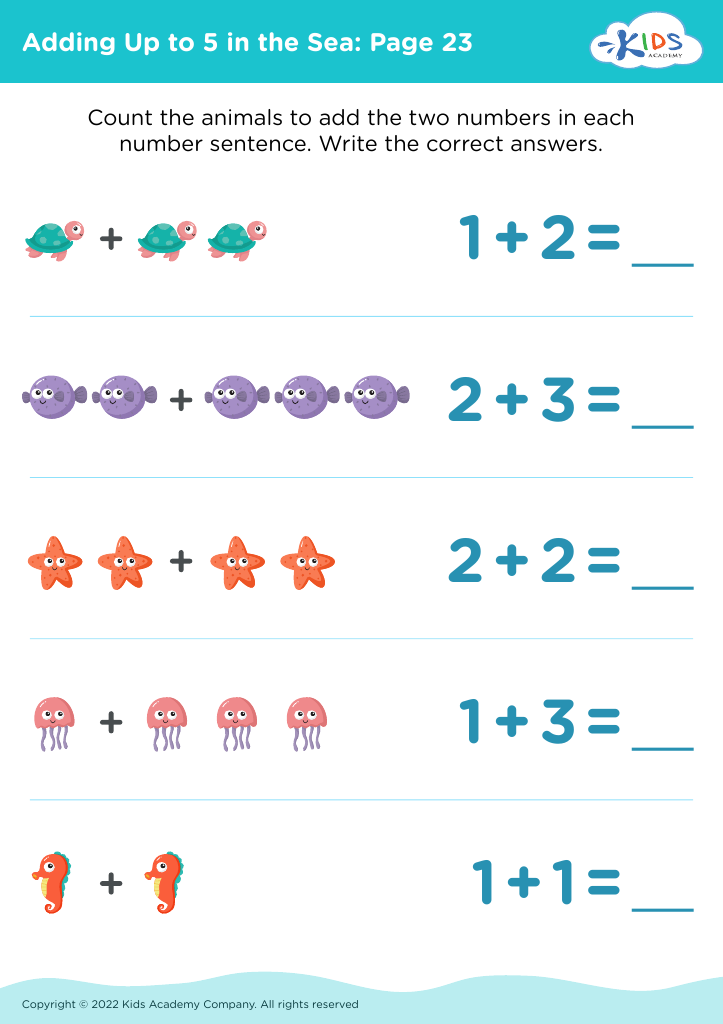
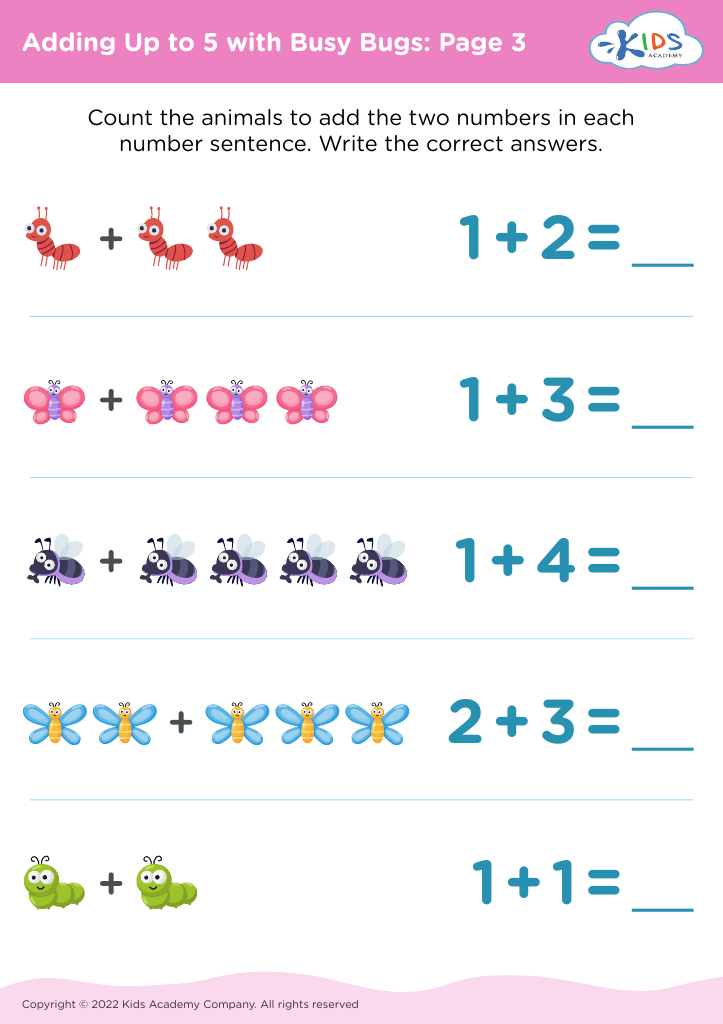
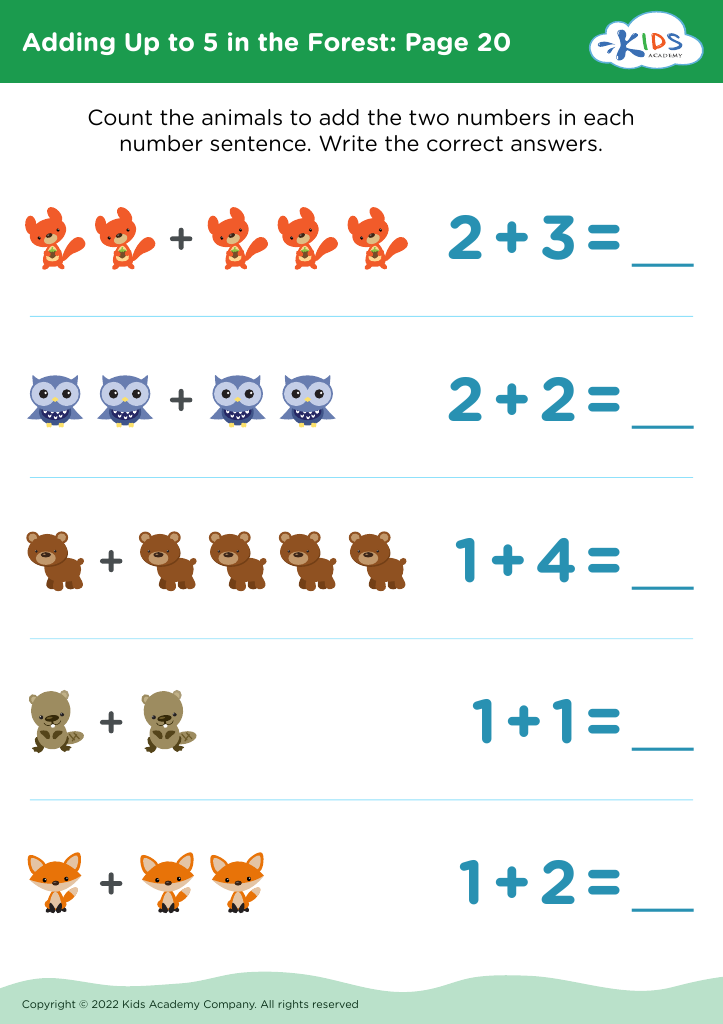
Unlock your child's numerical understanding with our curated math worksheets for ages 4-5! Designed to make learning fun, these worksheets focus on grasping numerical values, counting, and simple number recognition, providing the foundational skills for future math success. Each activity is vibrant and engaging, ensuring children remain interested while learning key concepts. Perfect for home or classroom use, our worksheets help young learners become confident in their math abilities through hands-on exercises and relatable scenarios. Start exploring our range and give your budding mathematician the tools they need to thrive in their early educational journey!








Understanding numerical values in early childhood, particularly for ages 4-5, is crucial for both parents and teachers to emphasize because it forms the foundational building blocks for future mathematics learning. At this stage, children's brains are exceptionally receptive to new concepts, and grasping numerical values sets the stage for more complex mathematical reasoning.
Firstly, numerical understanding aids in the development of critical thinking and problem-solving skills. Young children who can identify and understand numbers are better equipped to tackle real-life problems, from simple counting tasks to more advanced quantitative reasoning.
Secondly, early math skills are strongly linked to academic success. Research has consistently shown that children who start school with a good grasp of basic numerical concepts tend to perform better across various subjects, not just math. This foundation supports their future learning in science, technology, and even literacy, as logical sequencing and organization are essential in all areas of education.
Moreover, early math interactions can build confidence and a positive attitude towards learning. Fun and engaging mathematical activities promote curiosity and enjoyment, fostering a lifelong love for learning. Parents and teachers who invest time in developing early numerical skills are not just teaching children to count; they are nurturing inquisitive, successful, and confident individuals.








